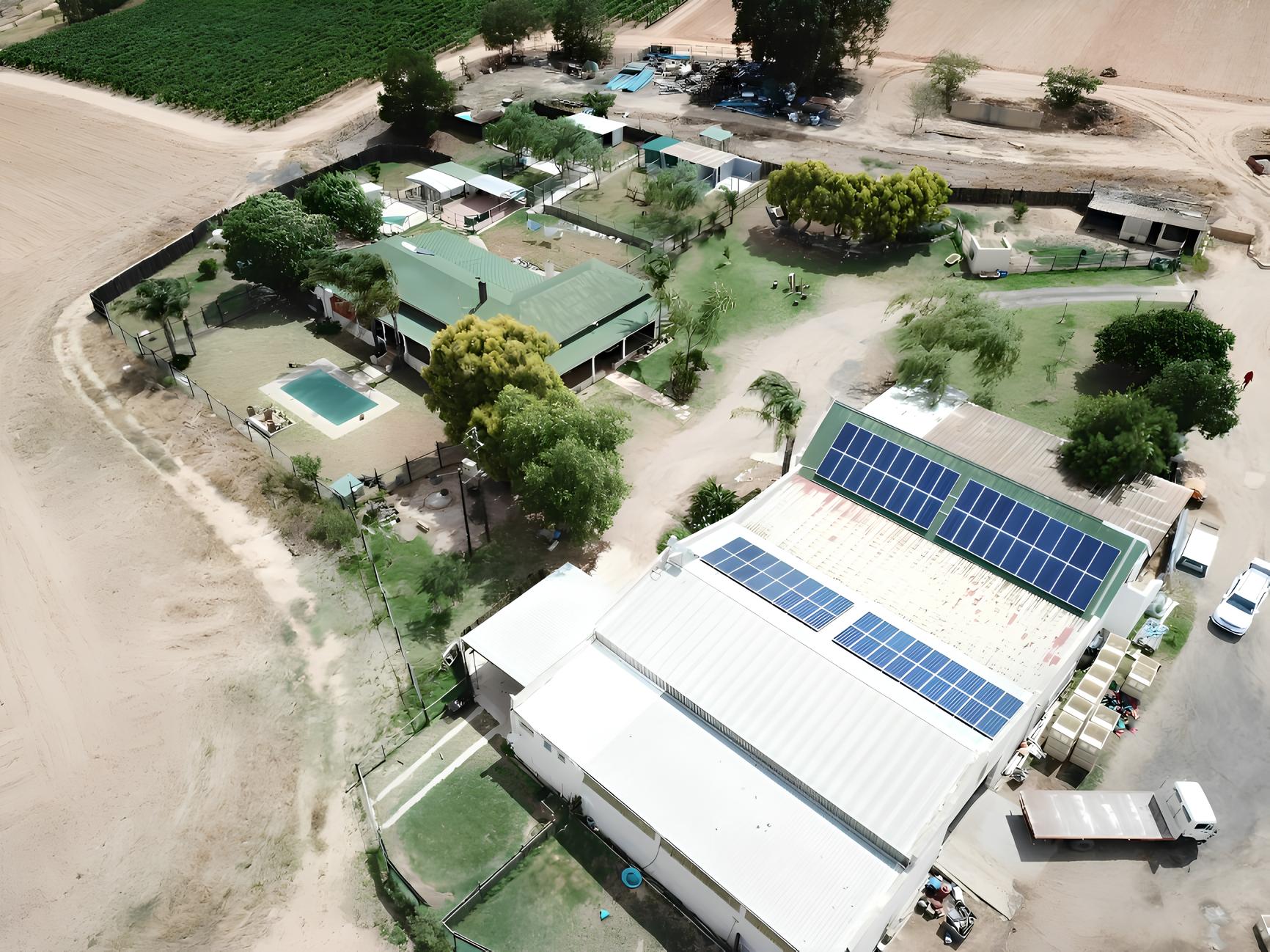
The transition to energy powered infrastructure represents one of the most significant shifts in how businesses manage their operational costs and resilience strategies. As electricity prices continue to climb across Southern Africa and grid instability remains a persistent challenge, commercial and industrial organisations are increasingly turning to intelligent energy powered systems that combine renewable generation, storage, and smart management technologies. These integrated solutions deliver measurable financial returns whilst simultaneously advancing environmental sustainability objectives, creating a compelling business case that extends far beyond simple cost avoidance.
Understanding Modern Energy Powered Infrastructure
Energy powered systems have evolved considerably from the early days of standalone renewable installations. Today's solutions represent sophisticated ecosystems where multiple technologies work in concert to optimise energy production, storage, and consumption.
The Core Components of Intelligent Systems
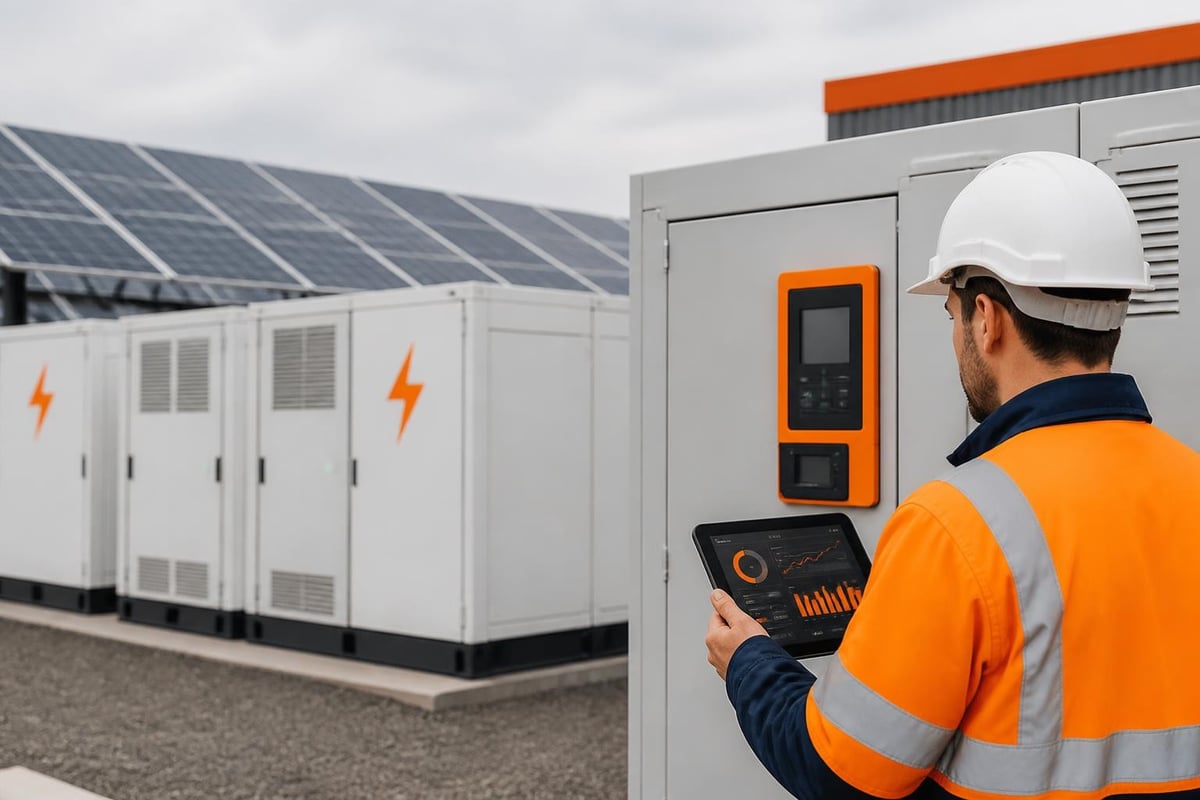
Modern energy powered infrastructure typically comprises several integrated elements that function as a unified platform rather than isolated components. Solar photovoltaic arrays capture renewable energy during daylight hours, battery energy storage systems provide buffering capacity and load shifting capabilities, smart metering delivers granular consumption data, and advanced monitoring platforms coordinate the entire system through predictive algorithms and real-time optimisation.
The synergy between these elements creates value that exceeds the sum of individual parts. For instance, battery systems become significantly more valuable when paired with solar generation and time-of-use tariff optimisation, whilst smart metering enables precise demand forecasting that improves both system sizing and operational efficiency.
Technology Advancement Driving Adoption
The commercial viability of energy powered solutions has improved dramatically over recent years due to several technological and market factors. Solar panel efficiency has increased whilst costs have declined by more than 80% over the past decade, battery energy storage systems now offer cycle lives exceeding 6,000 charges, and artificial intelligence platforms can predict consumption patterns with remarkable accuracy.
These advancements have fundamentally altered the financial equations that businesses use to evaluate energy investments. What once required 10-15 year payback periods now often achieves positive returns within 3-5 years, particularly for organisations with high daytime electricity consumption or exposure to demand charges.
Financial Benefits of Energy Powered Solutions
The economic case for energy powered infrastructure extends across multiple dimensions, from direct cost reduction to risk mitigation and asset value enhancement.
Immediate Electricity Cost Reduction
Organisations implementing comprehensive energy powered systems typically achieve electricity cost reductions between 30% and 70%, depending on their consumption profiles and the specific technologies deployed. These savings derive from several mechanisms:
- Generation offset: Renewable energy displaces grid consumption during production hours
- Peak shaving: Battery systems reduce expensive demand charges by smoothing load profiles
- Tariff optimisation: Smart systems shift consumption to lower-cost time-of-use periods
- Power factor correction: Advanced systems improve electrical efficiency and reduce penalties
The magnitude of savings varies by sector and usage pattern. Manufacturing facilities with consistent daytime operations typically see the highest returns from solar installations, whilst organisations with variable loads benefit substantially from battery energy storage systems that can provide both backup power and demand management.
| Business Type | Typical Cost Reduction | Primary Saving Mechanism | Payback Period |
|---|---|---|---|
| Manufacturing | 45-65% | Solar generation offset | 3-5 years |
| Retail | 35-50% | Peak shaving + solar | 4-6 years |
| Hospitality | 40-60% | Hybrid system optimisation | 3-5 years |
| Agriculture | 50-70% | Off-grid + storage | 4-7 years |
Risk Mitigation and Resilience Value
Beyond direct cost savings, energy powered systems deliver substantial risk mitigation benefits that, whilst harder to quantify, represent genuine financial value. Grid interruptions cost South African businesses an estimated R500 million daily in lost productivity, damaged equipment, and disrupted operations.
Modern energy powered infrastructure with integrated battery storage provides seamless backup capability that maintains critical operations during grid failures. Unlike traditional diesel generators, these systems activate instantaneously, require no manual intervention, and impose no fuel costs or emissions penalties.
Companies like Swell Energy have demonstrated how integrated home energy systems can provide energy independence whilst contributing to grid stability through virtual power plant participation, principles that scale effectively to commercial applications.
Engineering Considerations for Commercial Deployment
Successful energy powered installations require careful engineering analysis and design to ensure optimal performance and financial returns. The complexity of modern systems demands expertise across electrical engineering, energy modelling, and project management disciplines.
Load Analysis and System Sizing
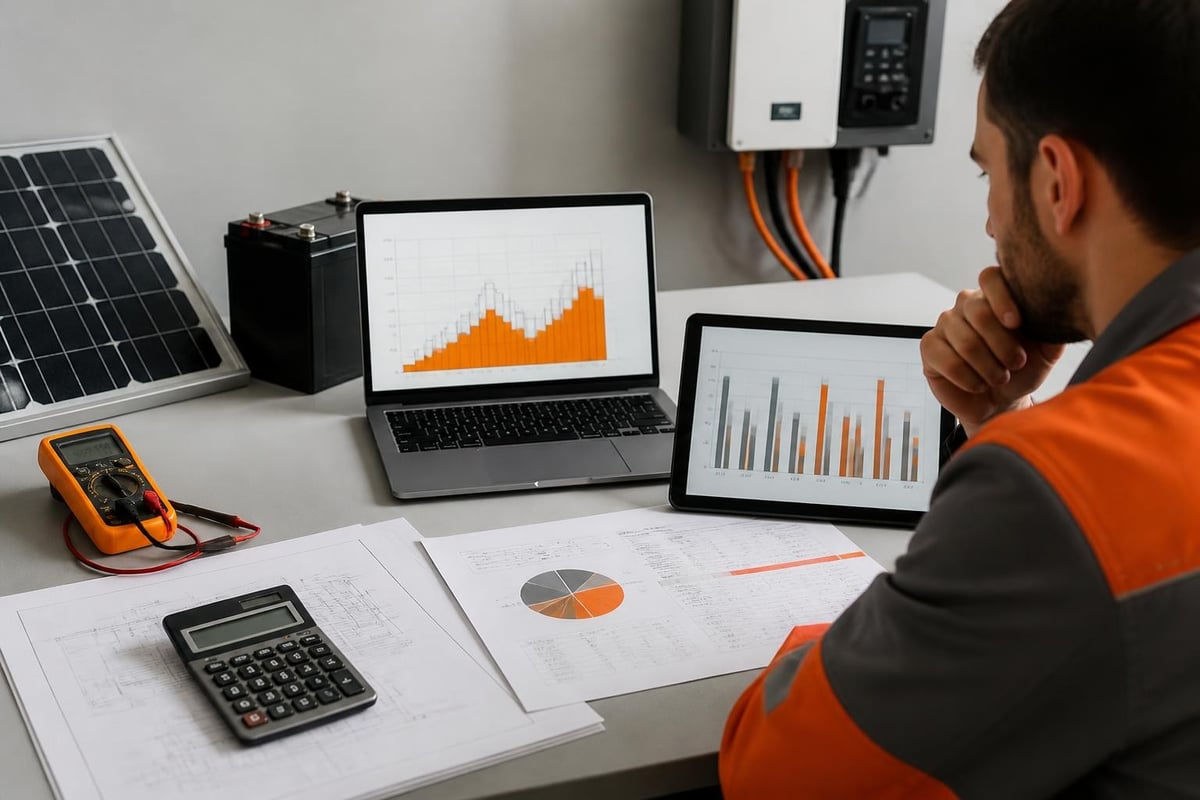
Proper system design begins with comprehensive load studies that characterise consumption patterns across multiple time scales. Engineers analyse hourly, daily, and seasonal variations to identify optimal system configurations that balance capital investment against energy delivery.
- Baseline consumption audit: Document existing energy usage patterns and costs
- Load profiling: Map consumption against time-of-use periods and identify peaks
- Generation modelling: Simulate renewable energy production based on site conditions
- Storage optimisation: Size battery capacity for target resilience and economic objectives
- Financial analysis: Model cash flows, payback periods, and lifetime returns
This analytical foundation ensures that energy powered systems are neither under-sized (leaving economic value unrealised) nor over-sized (consuming capital without proportional returns). The process also identifies opportunities for demand-side management that can reduce total system costs whilst improving overall efficiency.
Grid Integration and Compliance
Commercial energy powered installations must navigate complex regulatory frameworks governing grid connection, safety standards, and utility requirements. In South Africa, this includes compliance with the Grid Code, municipal application processes, and various technical standards.
Professional engineering services ensure installations meet all regulatory requirements whilst preserving maximum operational flexibility. This includes designing systems that can operate in grid-tied, hybrid, or off-grid modes depending on circumstances, implementing appropriate protection systems, and documenting configurations for regulatory approval.
The importance of proper grid integration extends beyond compliance. Well-engineered systems can provide grid services such as frequency support or voltage regulation that may generate additional revenue streams or qualify for preferential tariffs as these markets develop.
Operational Excellence Through Smart Monitoring
Energy powered systems generate their full value only when coupled with intelligent monitoring and management platforms that optimise performance across changing conditions. Advanced monitoring transforms passive infrastructure into active assets that continuously improve their own efficiency.
Real-Time Performance Optimisation
Modern energy management platforms employ artificial intelligence and machine learning algorithms to predict consumption patterns, forecast renewable generation, and optimise battery charging cycles. These systems make thousands of micro-decisions daily that compound into substantial performance improvements over time.
The capabilities of contemporary monitoring extend well beyond simple data visualisation:
- Predictive maintenance alerts that identify potential failures before they occur
- Automated load shifting that minimises time-of-use charges
- Generation forecasting that optimises battery reserve levels
- Anomaly detection that flags unusual consumption or underperformance
- Remote diagnostics that enable rapid troubleshooting without site visits
Research into wireless information and power transfer highlights how advanced communication technologies are enabling increasingly sophisticated energy management capabilities, allowing systems to make decisions based on real-time grid conditions and pricing signals.
Data-Driven Decision Making
The granular data generated by energy powered systems creates opportunities for broader operational insights beyond pure energy management. Consumption patterns often correlate with production schedules, occupancy levels, equipment health, and other business metrics that inform strategic decisions.
Organisations leveraging these analytics capabilities report benefits including improved production planning, equipment lifecycle management, and facility utilisation optimisation. The energy system becomes not just a cost centre but an intelligence platform that enhances overall operational efficiency.
Sustainability and ESG Integration
Energy powered infrastructure plays a central role in corporate sustainability strategies, providing measurable progress towards environmental objectives whilst generating financial returns that fund further ESG initiatives.
Carbon Reduction and Net Zero Pathways
Commercial and industrial energy consumption represents approximately 40% of global carbon emissions, making it a critical focus area for organisations committed to decarbonisation. Energy powered systems deliver immediate and quantifiable emissions reductions that contribute directly to Net Zero targets.
A typical 500kW commercial solar installation offsets approximately 600 tonnes of CO₂ annually, equivalent to removing 130 petrol vehicles from roads. When combined with battery storage that enables increased renewable energy utilisation, total emissions reductions can exceed 80% compared to grid-only scenarios.
These reductions provide tangible benefits for ESG reporting frameworks such as CDP, GRI, and TCFD, whilst supporting compliance with emerging carbon pricing mechanisms and renewable energy mandates. Forward-thinking organisations recognise that early investment in energy powered infrastructure positions them advantageously as regulatory requirements tighten.
Circular Economy and Lifecycle Management
The sustainability credentials of energy powered systems extend beyond operational emissions to encompass entire product lifecycles. Responsible providers now offer comprehensive recycling programmes for solar panels and batteries, ensuring that environmental benefits persist through end-of-life stages.
Modern battery energy storage systems demonstrate the potential of circular economy approaches in renewable energy. Batteries that no longer meet demanding automotive specifications often retain 70-80% of capacity, making them ideal for second-life applications in stationary energy storage before eventual material recovery and recycling.
Technology Integration and Future Readiness
Energy powered infrastructure increasingly serves as a platform for additional technologies that compound operational benefits and create new revenue opportunities. The extensibility of modern systems ensures investments remain relevant as new capabilities emerge.
Electric Vehicle Charging Infrastructure
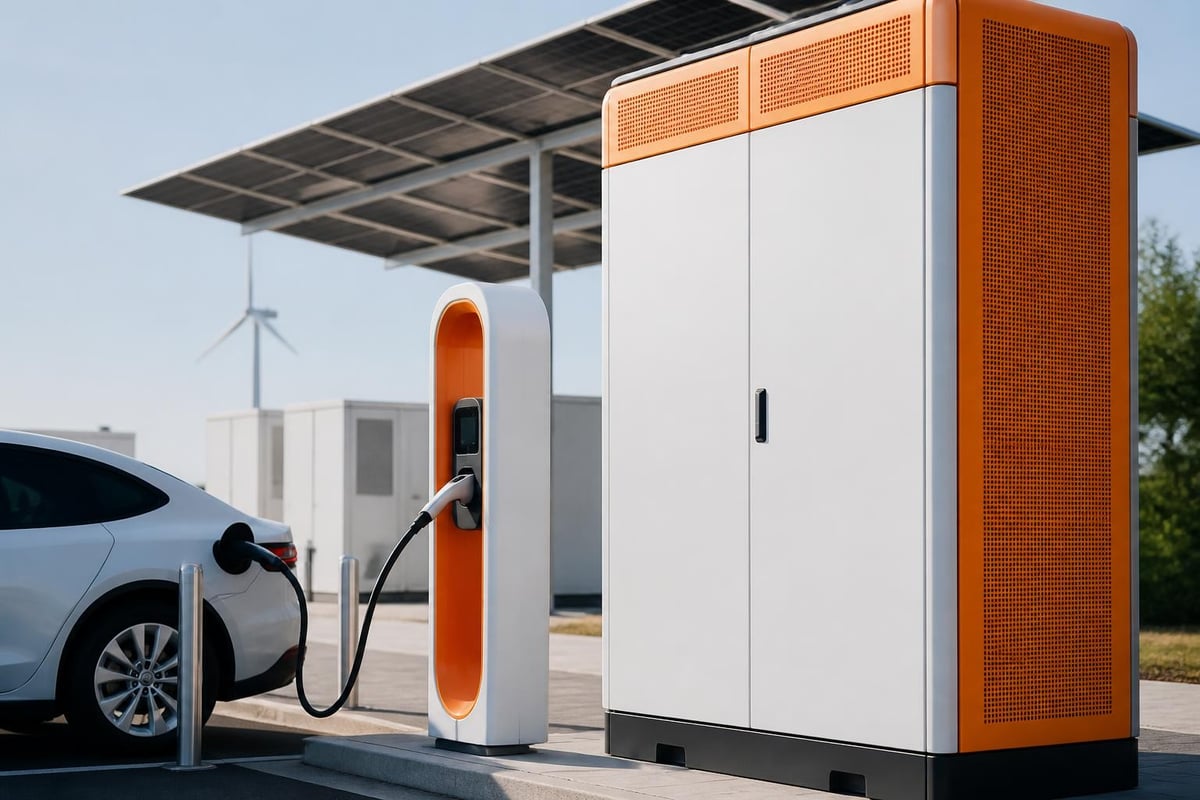
The convergence of building energy management and transport electrification creates significant synergies for organisations with vehicle fleets or customer charging obligations. Energy powered systems with battery storage can support EV charging infrastructure without requiring expensive grid connection upgrades, using solar generation and optimised charging schedules to minimise incremental costs.
This integration becomes particularly valuable for retail, hospitality, and commercial property operators who can offer EV charging as a customer amenity whilst managing electricity costs through intelligent load balancing. The same infrastructure that powers building operations during grid failures can maintain critical EV charging capabilities, supporting fleet resilience.
Companies like Bluepig Energy have demonstrated innovative approaches to mobile, battery-powered infrastructure that provides both power generation and connectivity, principles applicable to distributed EV charging networks.
Virtual Power Plants and Grid Services
Advanced energy powered installations can participate in virtual power plant programmes that aggregate distributed resources to provide grid services. This transforms individual systems into network assets that generate revenue whilst supporting grid stability.
Virtual power plant participation typically involves allowing grid operators to access battery capacity during peak demand periods or curtail consumption in exchange for capacity payments. For commercial operators, this creates additional revenue streams that improve project economics whilst contributing to broader grid resilience.
Research on renewable-powered cellular networks demonstrates how spatial energy distribution and network coordination principles apply to commercial energy systems, enabling more sophisticated grid interaction and service provision.
Implementation Strategies for Commercial Success
Transitioning to energy powered infrastructure requires careful planning and execution across technical, financial, and operational dimensions. Successful implementations follow structured approaches that manage complexity whilst maintaining business continuity.
Financing and Investment Structures
The capital-intensive nature of energy powered systems has driven innovation in financing structures that align investment with value delivery. Options now extend well beyond traditional capital purchase to include:
Power Purchase Agreements (PPAs): Third-party providers install and maintain systems whilst selling electricity at predetermined rates, eliminating upfront capital requirements
Operating Leases: Organisations acquire system usage rights through monthly payments that preserve balance sheet capacity
Energy-as-a-Service: Comprehensive arrangements where providers guarantee performance outcomes rather than simply supplying equipment
Traditional Ownership: Direct capital investment that maximises long-term returns for organisations with available capital
The optimal structure depends on individual circumstances including capital availability, tax position, accounting preferences, and risk tolerance. Many organisations find that hybrid approaches combining owned generation with leased storage or services agreements deliver optimal outcomes.
Phased Implementation Approaches
Large-scale energy powered deployments often benefit from phased implementation strategies that allow organisations to validate assumptions, optimise configurations, and manage cash flows whilst building toward comprehensive solutions.
A typical phased approach might begin with solar installation to establish renewable generation capacity and achieve immediate cost savings, add battery storage once consumption patterns are well understood, then integrate advanced monitoring and demand management as operational sophistication increases. This progression allows learning at each stage to inform subsequent phases whilst delivering progressive benefits throughout the journey.
Organisations like Base Power Company have successfully demonstrated how phased energy solutions can deliver immediate resilience benefits whilst building toward comprehensive energy independence over time.
Sector-Specific Applications and Considerations
Different industries present unique opportunities and challenges for energy powered infrastructure, with optimal configurations varying significantly based on operational characteristics and energy consumption profiles.
Manufacturing and Industrial Applications
Manufacturing facilities typically represent ideal candidates for comprehensive energy powered systems due to high consumption levels, predictable daytime loads, and substantial demand charges. The combination of solar generation that aligns with production schedules and battery systems that smooth peaks creates compelling economics.
Industrial applications often require particular attention to power quality, with sensitive equipment demanding stable voltage and frequency characteristics. Modern battery systems excel in this regard, providing superior power conditioning compared to grid supply whilst simultaneously delivering backup capability.
Innovative companies like Aerion Energy demonstrate how industrial sites can utilise otherwise wasted energy sources such as flare gas to generate on-site electricity, principles applicable to various industrial waste heat and by-product scenarios.
Agricultural and Remote Operations
Agricultural operations face unique energy challenges including remote locations with unreliable grid connections, highly variable seasonal loads, and substantial motor-starting currents for irrigation and processing equipment. Energy powered systems incorporating hybrid solar-battery configurations with appropriate inverter sizing address these requirements effectively.
The economics for agricultural applications often prove exceptionally favourable due to high grid connection costs, expensive diesel backup alternatives, and strong alignment between solar generation and irrigation requirements. Off-grid configurations become economically viable at much smaller scales than urban applications, with systems frequently achieving payback within four to six years.
Remote operations also benefit from emerging compressed air and alternative storage technologies. Providers like AirPower USA offer zero-emission platforms designed specifically for off-grid applications, providing scalable alternatives where traditional battery systems face temperature or maintenance challenges.
Commercial Property and Retail
Commercial property owners and retail operators increasingly view energy powered infrastructure as essential amenities that enhance property values whilst reducing operating costs. Tenanted properties benefit particularly from smart metering systems that enable accurate sub-metering and billing whilst providing landlords with granular consumption data.
Retail environments with substantial refrigeration loads can achieve significant savings through battery systems that reduce demand charges whilst providing backup power to protect inventory during outages. The public-facing nature of retail also creates branding opportunities around sustainability commitments that energy powered systems visibly demonstrate.
| Application Sector | Primary Benefit | Optimal Technology Mix | Typical ROI Period |
|---|---|---|---|
| Manufacturing | Demand charge reduction | Solar + BESS + monitoring | 3-5 years |
| Agriculture | Grid independence | Hybrid solar + storage | 4-6 years |
| Retail | Cost reduction + resilience | Solar + peak shaving BESS | 4-6 years |
| Hospitality | Backup + sustainability | Hybrid system + monitoring | 3-5 years |
| Warehousing | Peak demand management | Solar + optimised BESS | 4-7 years |
Maintenance and Long-Term Performance
Energy powered systems require ongoing maintenance and performance management to deliver projected returns over their 20-25 year operational lives. Professional maintenance programmes protect capital investments whilst ensuring continued optimal performance.
Preventative Maintenance Protocols
Comprehensive maintenance programmes combine scheduled inspections, performance monitoring, and corrective interventions to maximise system uptime and energy production. Solar installations require periodic cleaning to maintain output levels, particularly in dusty industrial environments where soiling can reduce generation by 15-25% annually.
Battery systems benefit from regular capacity testing, thermal management verification, and state-of-health monitoring that identifies degradation trends before they impact performance. Modern systems increasingly incorporate predictive maintenance capabilities that use operational data to forecast component failures and schedule interventions during planned downtime.
Technologies such as thermal imaging and drone inspections enable rapid, cost-effective assessment of large solar arrays without requiring physical access to every panel. These tools identify hotspots, connection issues, and physical damage that might otherwise escape detection until they cause significant production losses.
Performance Guarantees and Warranties
Professional energy powered installations include comprehensive warranty coverage and performance guarantees that protect client investments. Typical arrangements include 25-year performance warranties on solar panels (guaranteeing 80-85% of rated output at year 25), 10-year product warranties on inverters and balance of system components, and 10-year warranties on battery systems with capacity retention guarantees.
Performance guarantees extend beyond equipment warranties to encompass system-level commitments regarding energy production, availability, and financial returns. These guarantees shift performance risk from clients to providers, ensuring alignment of interests and accountability for projected outcomes.
Systems like PiggyPower's thermoelectric generation platforms demonstrate how alternative energy powered technologies can provide reliable, long-term operation with minimal maintenance requirements, principles increasingly incorporated into mainstream renewable systems.
Regional Considerations for Southern Africa
Energy powered infrastructure deployment in Southern Africa presents unique opportunities and challenges shaped by regional electricity markets, climate conditions, and economic factors.
Grid Reliability and Energy Security
Southern Africa's ongoing electricity supply challenges create particularly compelling business cases for energy powered systems with resilience capabilities. The region's frequent load shedding has normalised backup power as an operational necessity rather than a luxury consideration.
This environment favours hybrid systems combining solar generation with substantial battery capacity capable of sustaining critical operations through extended grid outages. Organisations increasingly specify systems sized not just for cost optimisation but for complete grid independence during business hours, fundamentally altering design parameters compared to markets with reliable grid supply.
The Battery Energy Storage Systems deployed across commercial facilities in the region now commonly provide 8-12 hours of backup capacity, far exceeding typical specifications in developed markets, reflecting the operational reality of unreliable grid supply.
Solar Resource Availability
Southern Africa's exceptional solar resource creates ideal conditions for photovoltaic generation, with average solar irradiation levels exceeding 2,000 kWh/m² annually across most regions. This compares favourably to global averages of 1,200-1,500 kWh/m², translating directly to higher energy yields and improved project economics.
The reliable sunshine patterns also reduce generation variability compared to cloudier climates, allowing more aggressive system sizing relative to consumption without substantial over-capacity. This resource advantage positions Southern African organisations to achieve faster payback periods and higher lifetime returns than counterparts in less favourable climates.
Economic and Tariff Structures
Electricity tariff structures across Southern Africa increasingly incorporate time-of-use pricing, demand charges, and network capacity fees that enhance the value proposition for intelligent energy powered systems. The ability to shift consumption away from peak periods delivers substantial savings beyond simple generation offset.
Recent tariff increases averaging 10-15% annually over the past decade have dramatically shortened payback periods for renewable investments. This trend appears likely to continue as aging infrastructure requires substantial capital investment, creating ongoing pressure for above-inflation electricity price growth.
Energy powered infrastructure has evolved from an environmental aspiration to a business imperative, delivering measurable financial returns whilst advancing sustainability objectives and operational resilience. The convergence of declining technology costs, improving performance, and rising electricity prices creates compelling economics across commercial, industrial, and agricultural applications.
For organisations ready to reduce electricity costs, improve energy security, and advance their ESG commitments, INFOLED provides comprehensive engineering, financing, installation, and maintenance services across Southern Africa. From initial feasibility studies through long-term asset management, INFOLED's integrated approach ensures energy powered systems deliver maximum value throughout their operational lives.
Next Step
Need help with your energy strategy?
Speak to INFOLED about solar, storage, EV charging, service agreements or system performance.