
The global energy landscape continues its rapid transformation towards renewable sources, with geothermal companies emerging as critical players in the transition to sustainable power generation. These specialized organizations harness the Earth's internal heat to provide consistent, baseload renewable energy that complements intermittent sources like solar and wind. Understanding the capabilities, technologies, and market positioning of geothermal companies offers valuable insights for businesses seeking comprehensive renewable energy strategies that extend beyond traditional solar photovoltaic installations.
The Evolving Geothermal Industry Landscape
Geothermal companies operate across multiple segments, from exploration and drilling to power plant development and district heating systems. The sector has witnessed substantial technological advancement over the past decade, with enhanced geothermal systems (EGS) expanding the geographical viability of projects far beyond traditional volcanic regions.
Major international players dominate large-scale electricity generation projects, whilst specialist firms focus on direct-use applications, heat pump installations, and hybrid systems that integrate geothermal with other renewable technologies. The U.S. Department of Energy's geothermal basics resource highlights how this versatile energy source serves both electrical and thermal applications.
Market Segmentation and Specialization
The geothermal sector comprises distinct company types, each serving specific niches:
- Exploration and resource assessment firms conducting geological surveys and feasibility studies
- Drilling contractors specializing in high-temperature well construction
- Power plant developers designing and operating electricity generation facilities
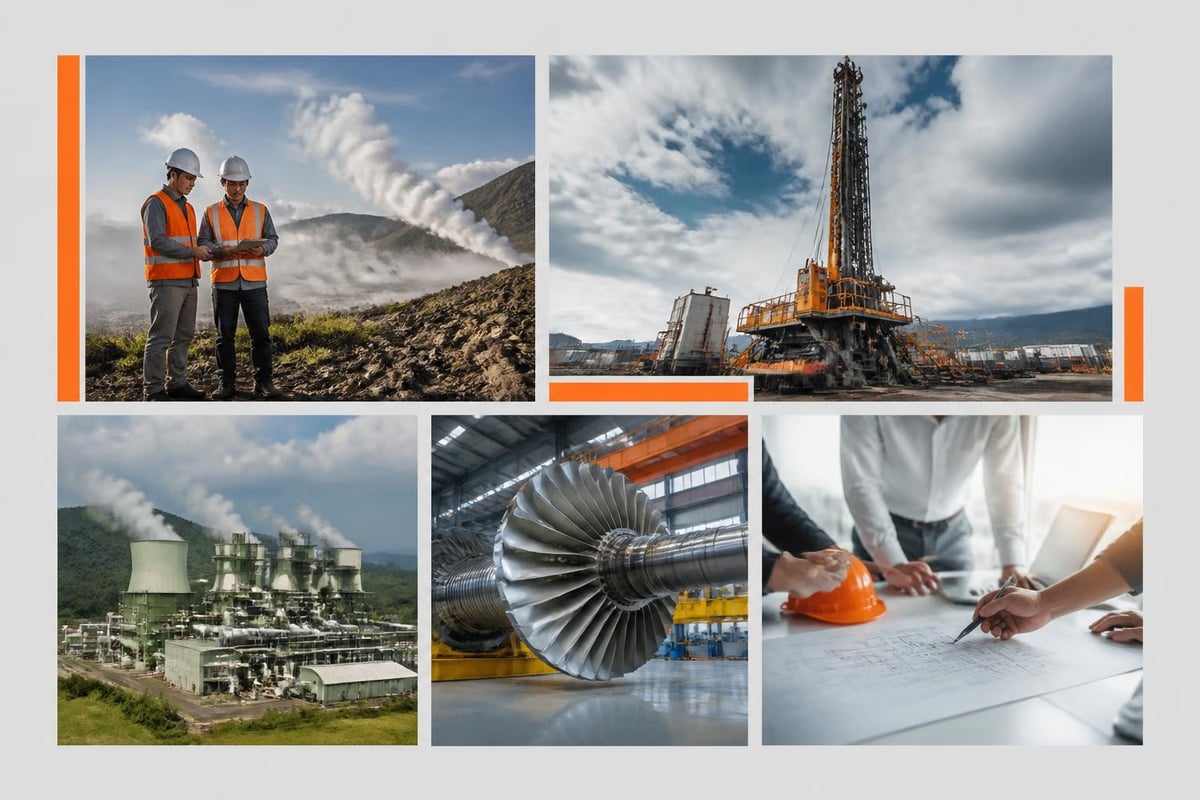
- Equipment manufacturers producing turbines, heat exchangers, and monitoring systems
- Engineering consultancies providing integrated project design services
- Operations and maintenance providers ensuring long-term system performance
This specialization reflects the technical complexity and capital intensity of geothermal projects. Unlike solar or wind installations that have become increasingly standardized, geothermal developments require bespoke solutions tailored to specific geological conditions and end-use requirements.
Technology Categories Driving Company Differentiation
Geothermal companies distinguish themselves through technological specialization and innovation. Traditional hydrothermal systems exploit naturally occurring hot water reservoirs, whilst emerging enhanced geothermal systems create artificial reservoirs in hot dry rock formations through hydraulic stimulation.
Conventional Hydrothermal Systems
Companies working with conventional geothermal resources typically operate in regions with accessible high-temperature reservoirs. These organizations have refined their expertise in:
| Technology Area | Key Capabilities | Typical Applications |
|---|---|---|
| Flash steam plants | High-pressure reservoir management | Large-scale electricity generation (50-300 MW) |
| Binary cycle systems | Low to medium temperature optimization | Distributed generation (1-30 MW) |
| Direct-use systems | Heat distribution networks | District heating, industrial processes |
Binary cycle technology has expanded the addressable market significantly, enabling electricity generation from resources previously considered unsuitable for power production. This advancement has allowed geothermal companies to develop projects in locations with moderate temperature gradients.
Enhanced Geothermal Systems (EGS)
Enhanced geothermal systems represent the frontier of industry innovation. These technologies create engineered reservoirs in locations lacking natural permeability or fluid content. Research into market integration pathways for enhanced geothermal systems in Europe demonstrates how EGS could dramatically expand deployment potential across the continent.
Companies developing EGS capabilities face substantial technical challenges, including managing induced seismicity, maintaining reservoir permeability, and ensuring long-term well productivity. However, successful commercialization could unlock geothermal resources beneath much of the Earth's surface, fundamentally transforming the industry's growth trajectory.
Leading Global Geothermal Companies
The commercial geothermal sector features a mix of established energy corporations and specialized pure-play developers. Understanding their strategies and capabilities provides context for evaluating partnership opportunities and technology trends.
Major International Developers
Several multinational geothermal companies have established dominant market positions through vertical integration and geographical diversification:
- Ormat Technologies: Publicly traded leader in geothermal power generation with operations across multiple continents and proprietary equipment manufacturing capabilities
- Enel Green Power: Italian utility subsidiary operating geothermal assets alongside broader renewable energy portfolio
- Calpine Corporation: North American power producer with significant geothermal generation capacity in California
- Energy Development Corporation (EDC): Philippines-based company operating the world's second-largest geothermal portfolio
These organizations leverage economies of scale, project finance expertise, and established supply chains to develop utility-scale facilities. Their operational track records provide valuable performance benchmarks for the broader industry.
Specialist Technology Providers
Alongside major developers, specialist geothermal companies focus on specific technology niches or regional markets. These firms often drive innovation in areas such as advanced drilling techniques, reservoir management software, and hybrid system integration.
The 2025 U.S. Geothermal Market Report documents how emerging companies are addressing technical barriers whilst established players expand their portfolios through strategic acquisitions and partnerships.
Regional Market Dynamics and Company Presence
Geothermal companies concentrate their activities in regions with favorable geological conditions and supportive policy frameworks. The United States, Philippines, Indonesia, Turkey, and East African nations host the majority of current development activity.
Established Markets
Countries with mature geothermal sectors benefit from established regulatory frameworks, skilled workforces, and proven resource bases. In these markets, geothermal companies focus on optimizing existing assets whilst incrementally expanding capacity through brownfield developments and technology upgrades.
California's Geysers geothermal field exemplifies this dynamic, where multiple operators have maintained production for decades through continuous investment in well stimulation, water injection management, and plant efficiency improvements.
Emerging Opportunities
Emerging geothermal markets present both opportunities and challenges for companies seeking geographic expansion. Nations along the East African Rift Valley and Southeast Asian archipelagos possess enormous resource potential but may lack supporting infrastructure and technical expertise.
Companies entering these markets typically partner with local entities, development finance institutions, and multilateral organizations to mitigate political risk and build local capacity. The business models employed often incorporate technology transfer components and phased development approaches that align capital deployment with revenue generation.
Integration with Broader Renewable Energy Strategies
Forward-thinking businesses increasingly view geothermal energy as one component within diversified renewable energy portfolios. Geothermal companies that understand this integrated approach and can position their offerings accordingly gain competitive advantage.
Complementarity with Variable Renewables
Geothermal power's consistent output profile complements the intermittent generation characteristics of solar and wind resources. This baseload stability reduces the overall system cost for achieving high renewable energy penetration whilst minimizing reliance on battery storage or fossil fuel backup.
For commercial and industrial facilities pursuing ambitious decarbonization targets, this complementarity becomes especially valuable. Organizations already implementing solar energy systems should evaluate whether geothermal resources could provide thermal or electrical loads that solar cannot economically serve.
Hybrid System Configurations
Some geothermal companies now design hybrid systems that integrate multiple renewable technologies and storage solutions. These configurations optimize land use, share infrastructure costs, and leverage synergies between generation profiles.
| System Component | Primary Function | Integration Benefits |
|---|---|---|
| Geothermal baseload | Continuous power/heat generation | Reduces storage requirements |
| Solar PV | Daytime peak generation | Matches commercial demand profiles |
| Battery storage | Peak shaving and backup | Smooths combined output variability |
| Smart metering | Consumption monitoring | Enables demand response and optimization |
This integrated approach aligns with how energy companies like INFOLED design comprehensive solutions that address multiple energy needs through coordinated technology deployment. The same engineering rigor applied to solar feasibility studies and battery system sizing applies equally to evaluating geothermal potential.
Technical Considerations for Company Selection
Organizations evaluating partnerships with geothermal companies should assess multiple technical and commercial factors beyond headline capacity specifications. The complexity and longevity of geothermal installations demand thorough due diligence.
Resource Assessment Capabilities
Competent geothermal companies employ rigorous exploration methodologies combining geological surveys, geophysical investigations, and exploratory drilling. Temperature gradient analysis, reservoir modeling, and production testing provide essential data for project feasibility determination.
The accuracy of resource assessments directly impacts project economics and long-term viability. Companies with proven track records in similar geological settings offer reduced technical risk compared to organizations entering unfamiliar formations.
Engineering and Construction Expertise
Geothermal project execution requires specialized capabilities that distinguish leading companies from less experienced competitors:
- Well design and drilling: Managing high temperatures, corrosive fluids, and difficult formations
- Plant engineering: Optimizing thermodynamic cycles for specific resource characteristics
- Piping and surface infrastructure: Preventing scaling, corrosion, and thermal losses
- Integration with existing systems: Ensuring compatibility with facility electrical and thermal networks
Research on technical barriers for deep closed-loop geothermal systems highlights the engineering challenges that companies must overcome as they pursue increasingly ambitious projects.
Operations and Maintenance Competencies
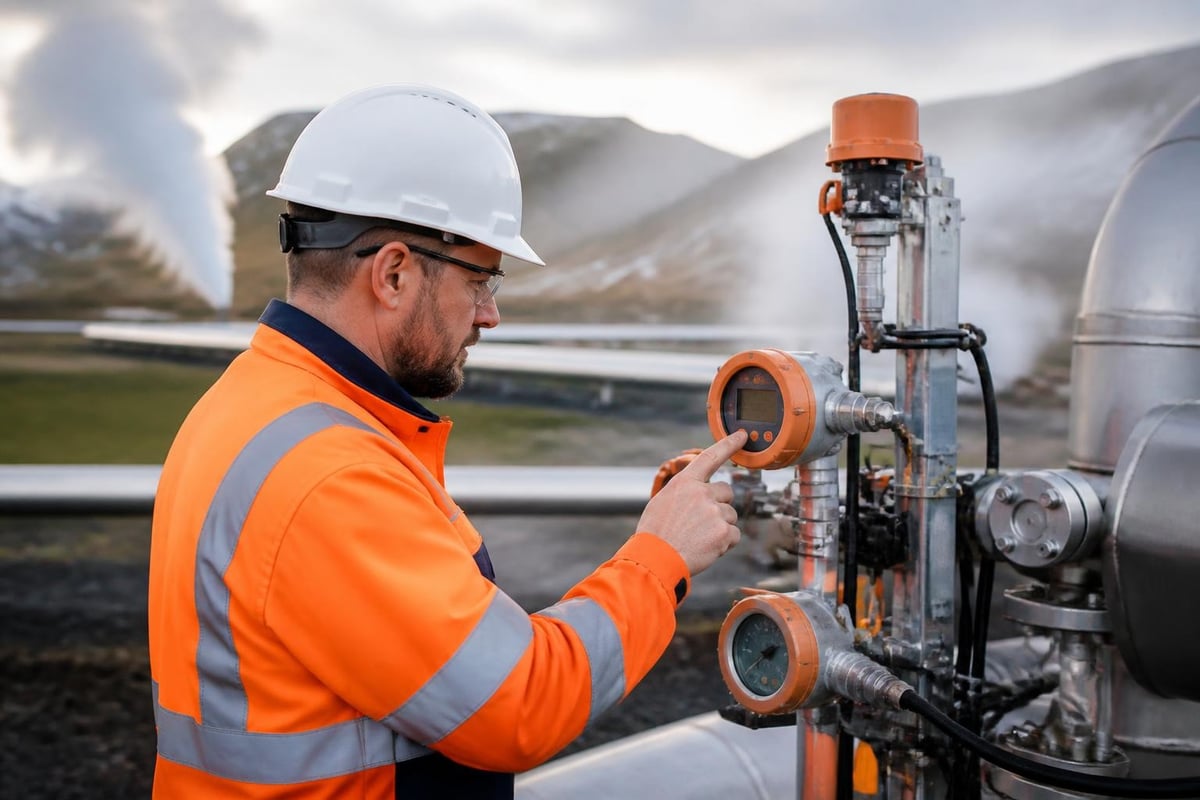
Long-term project success depends equally on operational excellence following commissioning. Geothermal facilities require continuous monitoring, preventative maintenance, and periodic well interventions to sustain production rates.
Companies offering comprehensive operations and maintenance services bring valuable expertise in maximizing asset performance over multi-decade operational lifetimes. Service level agreements should clearly define performance metrics, response times, and maintenance protocols.
Economic Considerations and Financial Structures
Geothermal companies structure projects using diverse financial models reflecting the capital-intensive nature and long development timelines characteristic of the industry. Understanding these approaches helps potential clients evaluate partnership opportunities and contract structures.
Capital Expenditure Patterns
Geothermal developments front-load capital expenditure during exploration and construction phases, with substantial spending occurring before revenue generation commences. This profile contrasts with solar projects, where modular deployment allows phased investment aligned with cash flow.
Typical capital cost distribution includes:
- Exploration and resource confirmation: 10-15% of total project cost
- Well field development: 30-50% depending on depth and geology
- Power plant construction: 30-40% including turbines and surface equipment
- Grid connection and infrastructure: 5-10% varying with location
Companies with strong balance sheets or access to project finance can manage these expenditure patterns more effectively than smaller organizations relying solely on client payments or limited credit facilities.
Revenue Models and Risk Allocation
Geothermal companies employ various commercial structures to allocate performance risk between developers and clients. Power purchase agreements (PPAs) remain the dominant model for electricity generation projects, transferring commodity price risk to the developer whilst providing clients with predictable energy costs.
For direct-use applications such as district heating or industrial process heat, thermal energy purchase agreements serve similar functions. Some companies offer energy-as-a-service models where they retain asset ownership and clients purchase delivered energy under long-term contracts.
Policy Frameworks and Regulatory Considerations
The regulatory environment significantly influences geothermal company operations and project viability. Supportive policies can accelerate development whilst regulatory uncertainty or hostile frameworks constrain investment.
Incentive Mechanisms
Various jurisdictions have implemented financial incentives supporting geothermal deployment, including:
- Production tax credits: Per-kWh payments for electricity generation
- Investment tax credits: Percentage of capital costs deductible from tax liability
- Renewable energy certificates: Tradable credits proving renewable energy generation
- Feed-in tariffs: Guaranteed purchase prices for electricity delivered to the grid
- Accelerated depreciation: Tax benefits through shortened asset depreciation schedules
Geothermal companies operating across multiple jurisdictions navigate complex regulatory landscapes, optimizing project structures to maximize available incentives. The article on pros and cons of geothermal energy discusses how policy support influences development economics.
Permitting and Environmental Compliance
Geothermal project development requires numerous permits covering water rights, mineral extraction, environmental impacts, and grid interconnection. Companies with established relationships with regulatory authorities and proven compliance track records can expedite approval processes.
Environmental considerations include managing surface disturbance during construction, preventing groundwater contamination, monitoring induced seismicity, and controlling greenhouse gas emissions from geothermal fluids. Leading companies implement comprehensive environmental management systems addressing these concerns proactively.
Innovation Trends Shaping Company Strategies
Technological innovation continues reshaping competitive dynamics within the geothermal sector. Companies that successfully commercialize breakthrough technologies gain substantial market advantages.
Advanced Drilling Technologies
Drilling costs represent the largest single expense category for most geothermal projects. Companies developing improved drilling methods can significantly enhance project economics whilst accessing previously unreachable resources.
Innovations under development include directional drilling techniques adapted from the petroleum industry, advanced drilling fluids for high-temperature applications, and novel drill bit designs resistant to extreme conditions. Some firms explore laser or plasma-based drilling systems that could dramatically reduce time and cost for deep wells.
Digital Technologies and Automation
Digital transformation is revolutionizing how geothermal companies manage assets and optimize performance. Real-time monitoring systems, predictive maintenance algorithms, and machine learning models improve operational efficiency whilst reducing downtime.
Studies on automation as a catalyst for geothermal energy adoption examine how these technologies can improve project feasibility through operational excellence and reduced labor requirements. Companies investing in digital capabilities position themselves advantageously as the industry matures.
Novel Working Fluids and Cycle Designs
Engineering companies are developing advanced thermodynamic cycles and working fluids that extract more electricity from given resource temperatures. Supercritical carbon dioxide cycles, mixed working fluid systems, and hybrid configurations combining multiple technologies show promising performance improvements.
These innovations particularly benefit moderate-temperature resources where conventional technologies struggle to achieve acceptable economics. Companies successfully commercializing these approaches expand their addressable market substantially.
Evaluating Company Track Records and References
Due diligence on geothermal companies should include comprehensive evaluation of operational assets and client references. Past performance provides the strongest indicator of future execution capability.
Performance Metrics to Assess
When reviewing company track records, focus on quantifiable performance indicators:
| Metric Category | Specific Indicators | Significance |
|---|---|---|
| Technical performance | Capacity factor, generation vs forecast, uptime percentage | Indicates operational competence |
| Project execution | On-time delivery, budget adherence, construction safety | Shows management capability |
| Financial stability | Balance sheet strength, credit rating, bonding capacity | Affects project completion risk |
| Customer satisfaction | Reference quality, repeat business rate, dispute frequency | Reflects relationship management |
Companies should willingly provide performance data for representative projects in similar applications and geological settings. Reluctance to share verifiable metrics raises concern about actual capabilities.
Site Visits and Operational Assessments
Where possible, conduct site visits to operating facilities to observe asset condition, operational practices, and maintenance standards firsthand. Well-maintained facilities with organized operations indicate professional management and technical competence.
Discussions with operations personnel provide insights into company culture, technical depth, and problem-solving approaches that may not emerge from executive presentations or marketing materials. For organizations considering long-term partnerships, this cultural fit assessment proves valuable beyond pure technical evaluation.
Strategic Considerations for Southern African Markets
Whilst geothermal resources in Southern Africa are more limited than in volcanic regions, several areas possess development potential. Companies targeting this market must adapt strategies to local conditions and energy priorities.
Resource Distribution and Viability
South Africa's primary geothermal potential exists in areas such as the Western Cape and parts of KwaZulu-Natal, though temperatures generally suit direct-use applications rather than electricity generation. Neighboring countries including Kenya and Tanzania possess more substantial high-temperature resources.
For Southern African businesses, geothermal companies offering hybrid solutions that combine modest geothermal capacity with solar, battery storage, and energy management systems deliver more comprehensive value than pure-play geothermal specialists focused solely on conventional power generation.
Integration with Existing Infrastructure
The Southern African energy landscape's unique challenges, including grid instability and load shedding, create opportunities for geothermal companies that understand how to integrate their technologies within broader energy resilience strategies. Direct-use applications for industrial heating or cooling may offer more immediate value than grid-connected generation in many locations.
Organizations already working with renewable energy engineering firms can leverage existing relationships to explore geothermal feasibility assessments alongside solar and storage evaluations. This integrated approach ensures optimal technology selection based on specific site characteristics and energy requirements.
Procurement Processes and Contract Structures
Engaging geothermal companies typically follows structured procurement processes reflecting project complexity and capital requirements. Understanding these workflows helps organizations budget time and resources appropriately.
Request for Information and Feasibility Studies
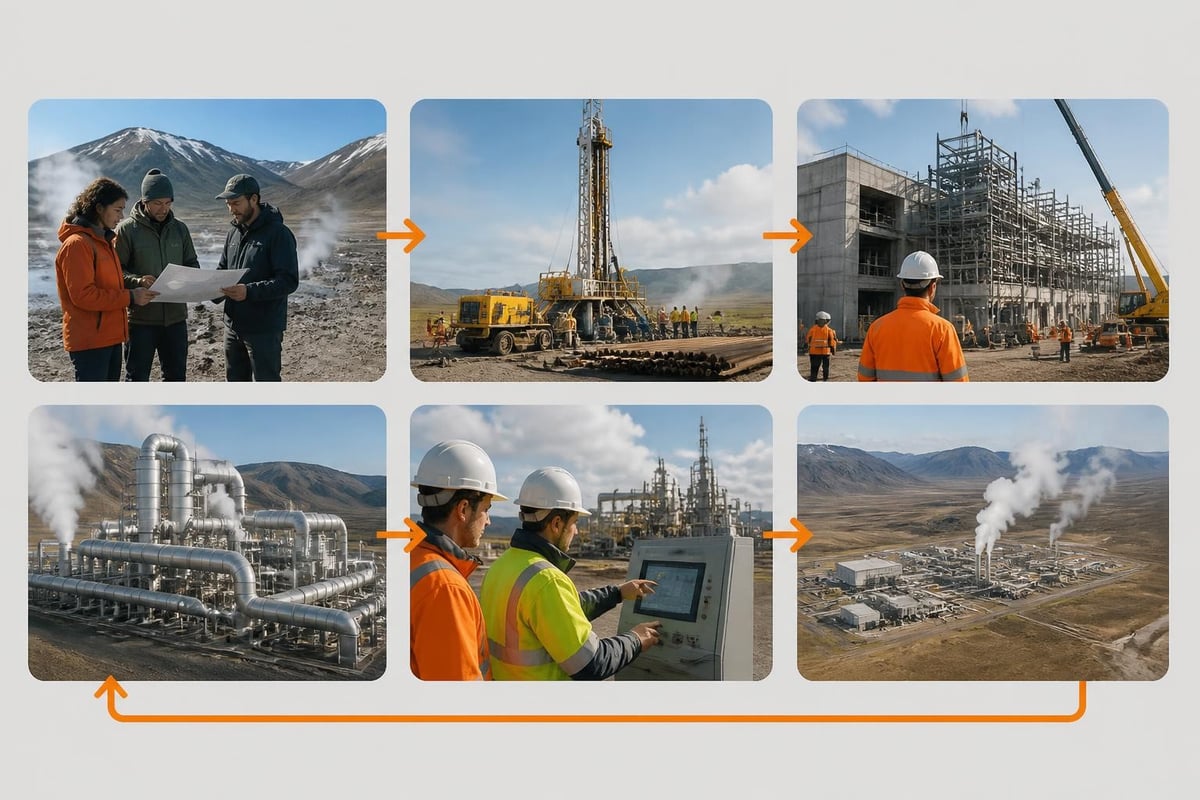
Initial engagement often begins with a request for information (RFI) or preliminary feasibility study. During this phase, companies assess resource potential, identify technical constraints, and develop conceptual designs with order-of-magnitude cost estimates.
Quality feasibility studies include geological assessments, preliminary drilling plans, plant configuration options, grid interconnection requirements, permitting roadmaps, and financial modeling. This foundational work informs decisions about whether to advance to detailed engineering and procurement.
Engineering, Procurement, and Construction Contracts
Full project execution typically proceeds under engineering, procurement, and construction (EPC) contracts that define scope, schedule, budget, and performance guarantees. Contract structures vary but generally include:
- Lump-sum turnkey: Fixed price for complete facility delivery
- Cost-plus-fee: Reimbursement of actual costs plus management fee
- Guaranteed maximum price: Cost-plus with ceiling protection
- Performance-based: Payments tied to achieving operational metrics
Each structure allocates risk differently between client and contractor. Organizations should select models aligned with their risk tolerance, technical sophistication, and ability to manage project oversight.
Geothermal companies bring specialized expertise that complements other renewable energy technologies whilst providing baseload generation capabilities increasingly valuable in decarbonized energy systems. For businesses across Southern Africa seeking comprehensive energy solutions that extend beyond solar installations, exploring geothermal potential alongside proven technologies creates resilient, optimized systems aligned with long-term sustainability objectives. INFOLED combines renewable energy engineering capabilities with deep understanding of integrated system design, helping commercial and industrial clients evaluate all viable technologies including geothermal, solar, battery storage, and smart metering to achieve ambitious decarbonization targets whilst improving energy resilience and reducing operating costs.
Next Step
Need help with your energy strategy?
Speak to INFOLED about solar, storage, EV charging, service agreements or system performance.