
The convergence of power and solar technologies represents one of the most significant transformations in the energy sector today. As organisations across Southern Africa grapple with rising electricity costs, unreliable grid supply, and mounting pressure to demonstrate environmental responsibility, the integration of solar energy into power systems has evolved from an optional consideration to a strategic imperative. This comprehensive guide examines how businesses can leverage power and solar solutions to build more resilient, cost-effective, and sustainable energy systems whilst navigating the unique challenges of the region's energy landscape.
Understanding the Power and Solar Integration Framework
The relationship between power and solar extends far beyond simply installing photovoltaic panels on a rooftop. Modern power and solar systems function as sophisticated, integrated platforms that balance generation, storage, consumption, and grid interaction in real time. This complexity demands a thorough understanding of how different components work together to deliver optimal outcomes.
Components of Modern Power and Solar Systems
At the foundation of any power and solar installation lies the photovoltaic array, which converts sunlight into direct current electricity. However, this is merely the starting point. Inverters transform this DC power into alternating current compatible with standard electrical equipment and grid infrastructure. Advanced monitoring systems track performance across every component, whilst smart metering provides granular consumption data that enables informed decision-making.
Key system components include:
- Photovoltaic modules with varying efficiency ratings and degradation profiles
- String or microinverters optimised for specific installation configurations
- Mounting structures engineered for wind load and environmental conditions
- Monitoring platforms with real-time performance analytics
- Protection equipment including isolators, surge protection, and earthing systems
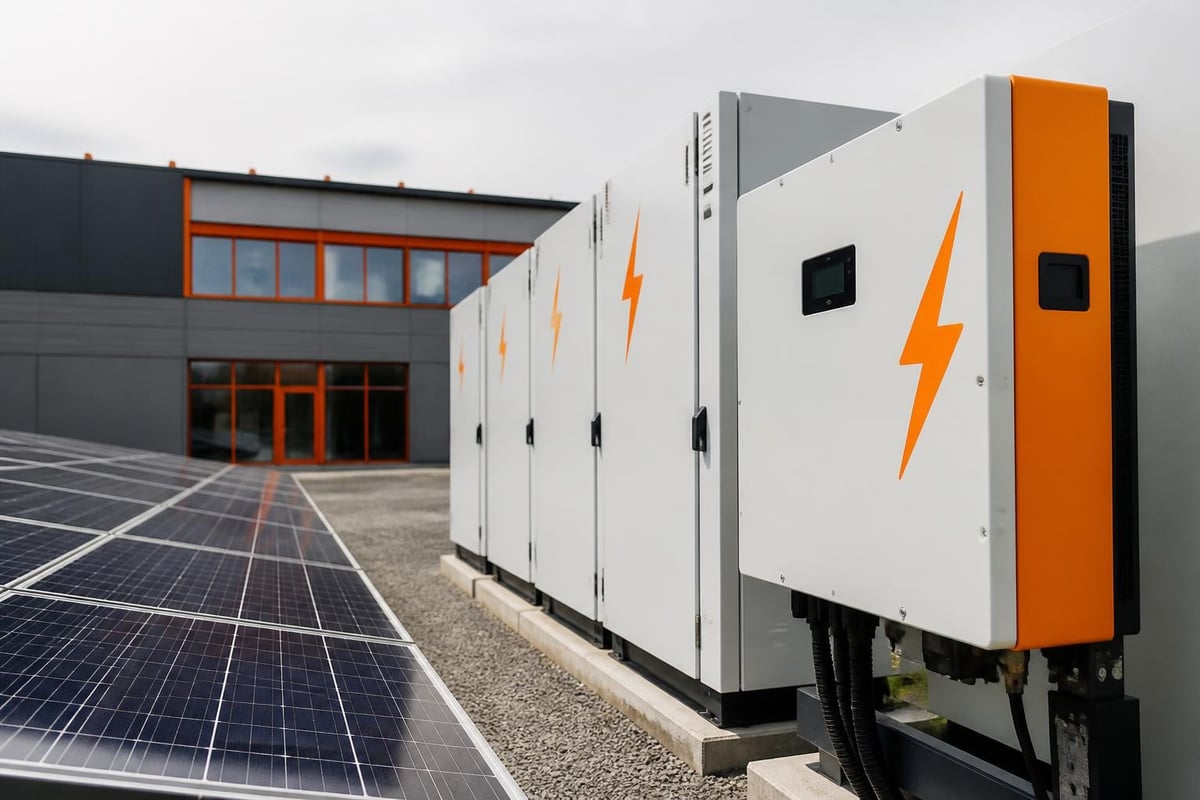
The integration complexity increases substantially when considering hybrid systems that combine multiple technologies. Battery energy storage systems allow excess solar generation to be captured during peak production hours and deployed when needed most. This transforms power and solar installations from simple generation assets into flexible energy management platforms capable of responding to both economic and operational requirements.
Grid-Tied Versus Hybrid Power and Solar Configurations
The choice between grid-tied and hybrid power and solar systems fundamentally shapes both the capabilities and economics of an installation. Grid-tied systems offer simplicity and lower capital costs, feeding excess generation directly into the utility network whilst drawing power when solar production is insufficient. This approach maximises return on investment in regions with favourable feed-in tariffs or net metering arrangements.
Hybrid systems incorporate battery storage alongside grid connectivity, providing substantially greater resilience and control. These configurations enable businesses to reduce demand charges through peak shaving, maintain critical operations during grid failures, and optimise energy usage patterns regardless of solar production profiles. According to the U.S. Department of Energy's analysis of solar energy costs, hybrid system economics have improved dramatically as battery costs decline and grid reliability challenges intensify.
| Configuration Type | Capital Cost | Grid Independence | Complexity | Resilience Level |
|---|---|---|---|---|
| Grid-Tied | Lower | Minimal | Simple | Grid-Dependent |
| Hybrid with Storage | Higher | Moderate to High | Complex | High Resilience |
| Off-Grid | Highest | Complete | Most Complex | Self-Sufficient |
Sizing and Designing Commercial Power and Solar Installations
Proper system sizing represents the single most critical factor determining whether a power and solar installation delivers expected returns. Undersized systems fail to capture available savings, whilst oversized installations waste capital on unused capacity. The sizing process must account for consumption patterns, roof or ground space availability, budget constraints, and future growth projections.
Load Profile Analysis and Energy Audits
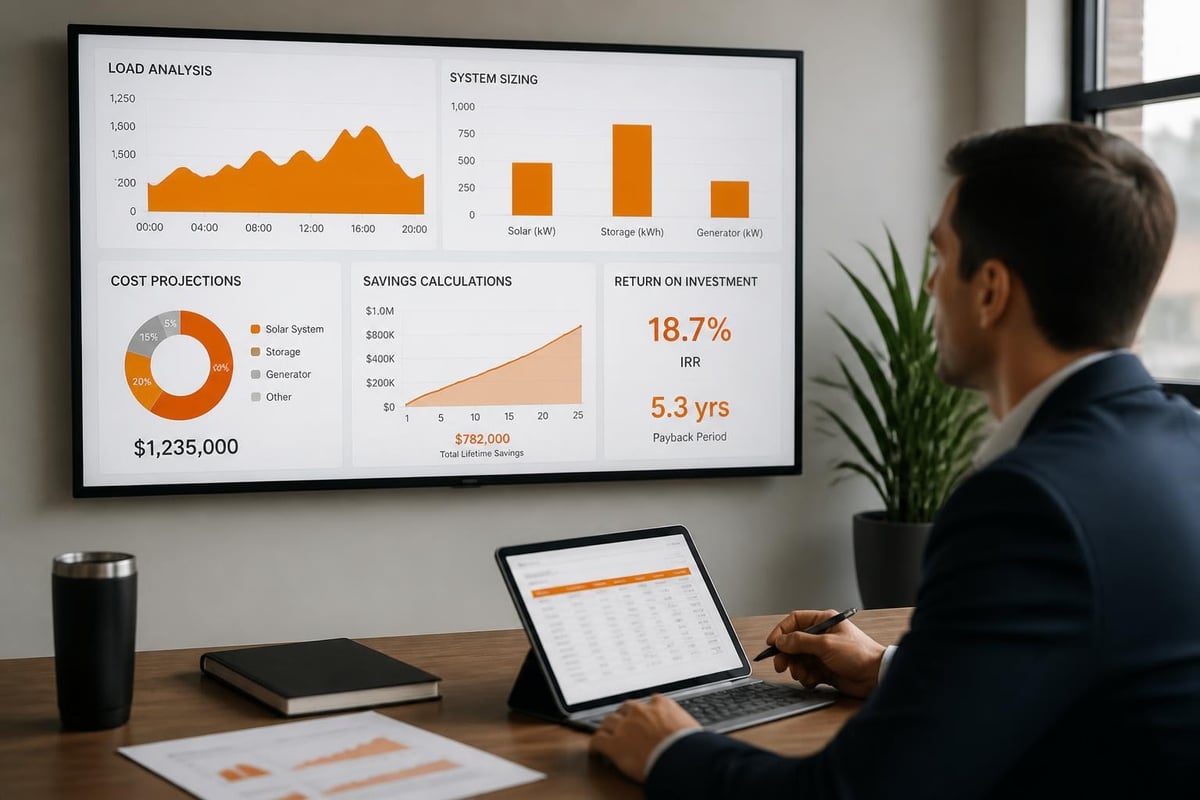
Effective power and solar system design begins with comprehensive load analysis. Historical consumption data reveals patterns in energy usage across different times of day, days of the week, and seasonal variations. Peak demand periods often represent the highest-value generation opportunities, particularly for businesses subject to demand charges that penalise maximum power draw.
Energy audits extend beyond simple consumption analysis to examine power quality, efficiency opportunities, and operational factors that influence energy requirements. These assessments frequently identify low-cost efficiency improvements that reduce the required power and solar system capacity, improving overall project economics whilst delivering additional operational benefits.
The global assessment of rooftop solar photovoltaics potential demonstrates that available roof space often exceeds what businesses can economically utilise, suggesting that sizing decisions should prioritise financial returns rather than simply maximising installed capacity.
Financial Modelling and Return Calculations
Sound financial analysis underpins every successful power and solar investment decision. The most sophisticated models account for numerous variables including electricity tariff escalation, system degradation, maintenance costs, financing terms, and available incentives or tax benefits. These projections must reflect realistic assumptions rather than optimistic scenarios that may not materialise.
Critical financial metrics include:
- Payback period: Time required for cumulative savings to equal initial investment
- Internal rate of return (IRR): Annualised effective compounded return rate
- Net present value (NPV): Current value of future cash flows minus initial investment
- Levelised cost of energy (LCOE): Average cost per kilowatt-hour over system lifetime
- Savings ratio: Percentage reduction in electricity costs compared to grid-only supply
The financial case for power and solar strengthens considerably when accounting for risk mitigation value. Grid supply disruptions impose substantial costs through lost productivity, equipment damage, and customer dissatisfaction. Quantifying these avoided costs provides a more complete picture of system value beyond simple energy savings.
Technical Considerations for Optimal Performance
Technical excellence in power and solar system design and installation directly correlates with long-term performance and reliability. Substandard workmanship, inappropriate component selection, or poor design choices manifest as reduced generation, premature failures, and disappointing returns on investment. Understanding key technical factors enables informed decision-making throughout the project lifecycle.
Panel Orientation, Tilt, and Shading Analysis
Panel orientation and tilt angles significantly influence annual energy production in power and solar installations. In Southern Africa, north-facing arrays capture maximum solar irradiation, whilst tilt angles approximating local latitude optimise year-round performance. However, practical constraints including roof pitch, structural considerations, and aesthetic requirements often necessitate deviations from theoretical ideals.
Shading analysis represents perhaps the most critical yet frequently overlooked aspect of system design. Even partial shading of individual panels can dramatically reduce string output due to the series connection of modules. Advanced design tools model shading impacts throughout the year, accounting for nearby structures, trees, and even the array's own self-shading during low sun angles.
Modern monitoring platforms provide detailed performance data that reveals the real-world impacts of design decisions. Commercial Solar PV Design incorporates comprehensive shading analysis and performance modelling to ensure installations deliver expected generation profiles across all seasonal conditions.
Inverter Selection and System Architecture
Inverter technology fundamentally shapes power and solar system performance, reliability, and flexibility. String inverters offer cost-effectiveness and simplicity for installations without significant shading, whilst microinverters provide module-level optimisation at higher capital cost. Power optimisers represent a middle ground, delivering some benefits of distributed maximum power point tracking whilst maintaining centralised inversion.
The capacity value assessment methods for solar installations highlight the importance of inverter sizing and architecture in determining system reliability and grid integration capabilities. Undersized inverters may clip peak production on optimal days, whilst oversized units operate inefficiently during typical conditions.
Installation Quality and Compliance Standards
Professional installation standards distinguish reliable, long-lasting power and solar systems from problematic installations that underperform or create safety hazards. Quality workmanship encompasses everything from proper cable sizing and routing to weatherproof connections and structural integrity of mounting systems. Compliance with electrical codes and utility interconnection requirements ensures both safety and legal operation.
Electrical Safety and Code Compliance
Power and solar installations must satisfy stringent electrical safety requirements addressing DC and AC wiring, overcurrent protection, grounding, and rapid shutdown capabilities. These standards protect both installers and occupants whilst ensuring system integrity under fault conditions. Non-compliant installations expose building owners to liability whilst potentially voiding insurance coverage and equipment warranties.
Structural considerations prove equally critical for rooftop installations. Mounting systems must withstand wind loads specified for the installation location without compromising roof weatherproofing or structural integrity. Ground-mounted arrays require foundation design appropriate for soil conditions and anticipated environmental stresses.
Essential compliance areas include:
- Electrical installation codes and standards
- Building structural requirements and permits
- Utility interconnection agreements
- Occupational health and safety regulations
- Environmental impact assessments for large installations
Commissioning and Performance Verification
Thorough commissioning validates that power and solar systems perform as designed before final acceptance. This process includes verification of electrical parameters, safety systems functionality, monitoring platform accuracy, and generation output under measured irradiation conditions. Proper documentation establishes baseline performance for ongoing monitoring and warranty claims.
Performance verification extends beyond simple operational checks to confirm that the installation meets contractual commitments regarding expected generation. Discrepancies between predicted and actual performance may indicate design issues, installation defects, or unrealistic initial projections that require rectification.
Operational Performance and Maintenance Requirements
Maximising long-term returns from power and solar investments requires ongoing attention to performance monitoring, preventive maintenance, and timely intervention when issues arise. Well-maintained systems deliver substantially higher lifetime energy production whilst minimising unexpected failures and associated downtime.
Performance Monitoring and Fault Detection
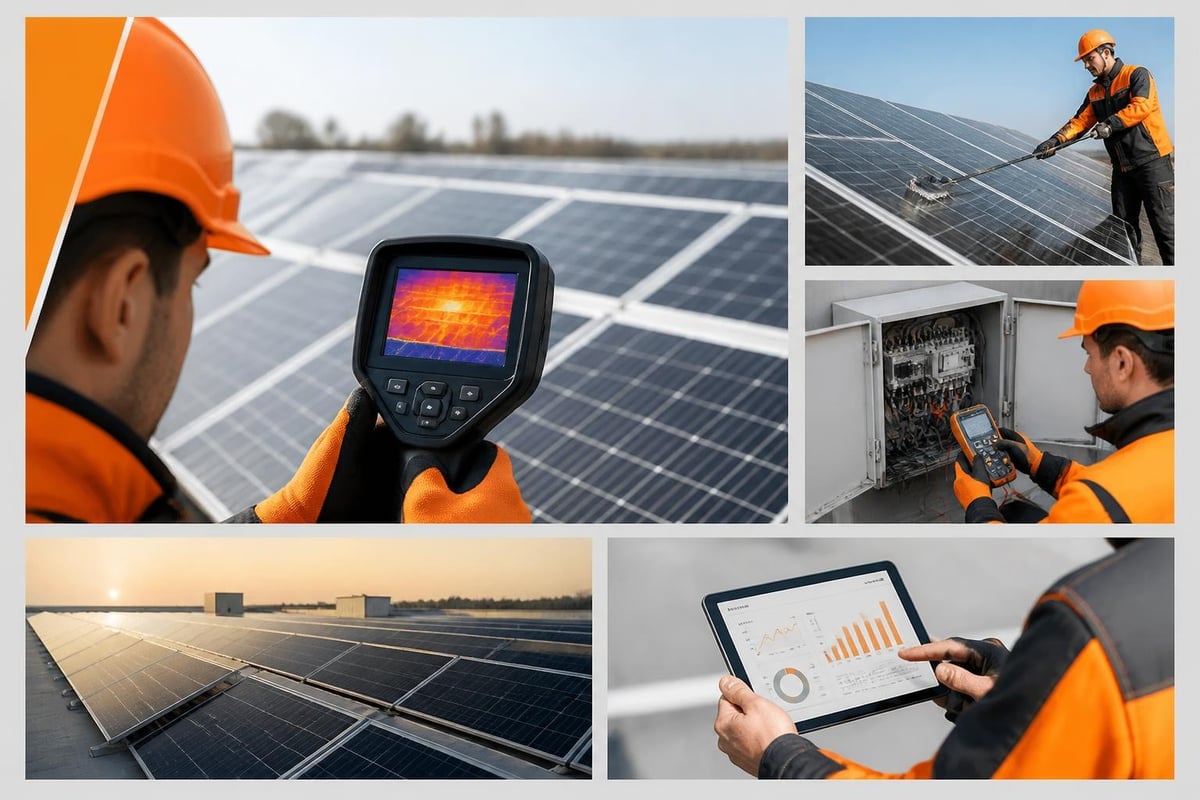
Modern monitoring systems provide unprecedented visibility into power and solar system performance at panel, string, and system levels. These platforms identify underperforming components, detect developing issues before they cause failures, and verify that installations continue delivering expected returns. Alert systems notify operators of significant deviations requiring investigation.
Advanced analytics compare actual performance against expected generation based on measured irradiation and temperature conditions. This weather-normalised analysis reveals subtle degradation or emerging faults that might otherwise go unnoticed until significant production losses accumulate.
| Monitoring Parameter | Measurement Frequency | Acceptable Variance | Action Threshold |
|---|---|---|---|
| String Voltage | Real-time | ±5% | ±10% |
| String Current | Real-time | ±8% | ±15% |
| Inverter Efficiency | Daily | ±2% | ±5% |
| Energy Production | Daily | ±10% (weather-adjusted) | ±20% |
| System Availability | Continuous | >99% | <98% |
Preventive Maintenance Programmes
Scheduled maintenance extends power and solar system lifespan whilst maintaining optimal performance. Panel cleaning removes dust, pollen, and other accumulations that reduce light transmission and generation output. The frequency of cleaning depends on local environmental conditions, with dusty or industrial areas requiring more frequent attention than clean coastal locations.
Electrical inspections verify connection integrity, identify signs of corrosion or degradation, and confirm proper operation of protection devices. Thermal imaging surveys detect hot spots indicating failing components or poor connections before they cause damage or fire hazards. These proactive interventions prevent small issues from escalating into costly failures.
Environmental Impact and Sustainability Considerations
The environmental credentials of power and solar extend beyond simple carbon emission reductions. A comprehensive assessment must consider the full lifecycle impacts including manufacturing, installation, operation, and end-of-life management. Understanding these factors enables organisations to accurately quantify environmental benefits whilst identifying opportunities for further improvement.
Carbon Footprint Reduction and ESG Reporting
Power and solar installations deliver measurable carbon emission reductions by displacing electricity that would otherwise be generated from fossil fuel sources. The magnitude of this benefit depends on the carbon intensity of the displaced grid electricity, which varies substantially across different regions and time periods. In Southern Africa, where coal dominates base load generation, solar displacement achieves significant carbon savings.
Organisations pursuing ESG (Environmental, Social, and Governance) objectives require robust data to support sustainability reporting. Properly configured monitoring systems track generation and calculate avoided emissions based on recognised methodologies. This data supports annual sustainability reports, carbon disclosure programmes, and net zero commitment tracking.
Research into the Photovoltaic Heat Island Effect reveals that large-scale solar installations can influence local temperatures, demonstrating the importance of considering broader environmental impacts beyond carbon emissions alone. This research informs responsible development practices for extensive ground-mounted arrays.
End-of-Life Management and Circular Economy
As the first generation of widespread power and solar installations approaches end-of-life, proper decommissioning and recycling becomes increasingly important. Solar panels contain valuable materials including silicon, silver, copper, and aluminium that can be recovered and reused. Battery storage systems similarly require responsible recycling to recover lithium, cobalt, and other critical materials whilst preventing environmental contamination.
Renewable Energy Sustainability services address the complete lifecycle of power and solar installations, including proper recycling and circular economy approaches that minimise environmental impact whilst recovering valuable materials for reuse in new products.
Maximising Value Through Smart Energy Management
The true potential of power and solar systems emerges when integrated with sophisticated energy management strategies. Smart control systems, demand response capabilities, and strategic load shifting transform solar installations from passive generation assets into active participants in comprehensive energy optimisation programmes.
Load Shifting and Demand Management
Strategic load management aligns energy consumption with solar generation patterns, maximising self-consumption and reducing grid dependency. Flexible loads including HVAC systems, water heating, and certain industrial processes can be scheduled to operate during peak solar production hours. This approach delivers greater value than simply exporting excess generation to the grid at unfavourable rates.
Demand management extends to controlling peak power draw, which often determines monthly electricity costs for commercial customers. Battery storage enables peak shaving by supplementing solar generation with stored energy during high-demand periods, reducing maximum power draw from the grid.
Effective demand management strategies:
- Time-of-use tariff optimisation through scheduled load operation
- Peak demand reduction using battery storage or generation
- Load prioritisation during grid disruptions or capacity constraints
- Predictive control based on weather forecasts and consumption patterns
- Automated response to utility demand response signals
Integration with Building Management Systems
Comprehensive energy optimisation requires coordination between power and solar generation, consumption patterns, and building systems. Integration with building management platforms enables sophisticated control strategies that consider occupancy, weather conditions, electricity tariffs, and operational requirements simultaneously. This holistic approach delivers superior outcomes compared to independently optimised subsystems.
Advanced integration enables predictive control strategies that anticipate future conditions and adjust system operation proactively. Weather forecasts inform battery charging decisions, whilst occupancy schedules influence HVAC operation to minimise energy consumption without compromising comfort.
Regional Considerations for Southern Africa
Power and solar deployment in Southern Africa presents unique opportunities and challenges shaped by the region's solar resource, electricity market structures, and grid reliability challenges. Understanding these regional factors proves essential for developing strategies that maximise value whilst managing risks effectively.
Solar Resource and Climate Factors
Southern Africa benefits from exceptional solar irradiation levels, ranking among the world's best locations for photovoltaic generation. However, this advantage comes with considerations including high ambient temperatures that reduce panel efficiency and accelerate degradation. System design must account for these thermal effects through appropriate component selection and ventilation provisions.
Seasonal variations in solar resource, whilst less pronounced than in higher latitudes, still influence system sizing decisions. Installations designed to meet winter consumption may generate substantial excess during summer months, affecting storage requirements and export arrangements.
Grid Reliability and Energy Security
Ongoing challenges with grid reliability across much of Southern Africa fundamentally shape the value proposition of power and solar systems. Frequent supply disruptions impose substantial costs on businesses through lost productivity, equipment damage, and customer dissatisfaction. Hybrid systems incorporating battery storage provide resilience against these disruptions, delivering value that extends beyond simple energy cost savings.
The ability to maintain critical operations during grid failures often justifies the additional investment in battery storage, particularly for businesses where downtime proves exceptionally costly. Healthcare facilities, data centres, and manufacturing operations with sensitive processes derive particular benefit from the energy security that power and solar with storage provides.
Southern African energy landscape characteristics:
- High solar irradiation (1,800-2,500 kWh/m²/year)
- Grid reliability challenges in most countries
- Rising electricity tariffs outpacing inflation
- Increasing renewable energy policy support
- Growing corporate sustainability commitments
- Expanding commercial and industrial solar markets
Understanding these regional dynamics enables businesses to develop power and solar strategies aligned with local conditions and opportunities. The professional resources available from energy authorities provide valuable context for understanding global best practices that can be adapted to Southern African conditions.
Future Developments in Power and Solar Technology
The power and solar sector continues evolving rapidly, with technological advances, cost reductions, and new business models reshaping what's possible. Staying informed about emerging developments enables organisations to make investment decisions that remain relevant as the industry progresses.
Emerging Technologies and Efficiency Improvements
Photovoltaic module efficiency continues improving through advanced cell technologies including PERC (Passivated Emitter and Rear Cell), bifacial designs, and emerging perovskite materials. These advances enable greater generation from limited space whilst reducing balance-of-system costs per watt of capacity. However, proven reliability remains essential, with cutting-edge technologies requiring careful evaluation before deployment in mission-critical applications.
Battery storage technology advances equally rapidly, with costs declining and performance improving across multiple chemistries. Lithium iron phosphate batteries offer enhanced safety and cycle life compared to earlier lithium-ion variants, whilst emerging technologies including solid-state batteries promise further improvements in energy density and longevity.
Business Model Innovation
New commercial arrangements make power and solar accessible to organisations without significant capital budgets. Power purchase agreements enable businesses to benefit from on-site solar generation without ownership, paying only for electricity consumed at rates below grid tariffs. Energy-as-a-Service models extend this concept to comprehensive energy solutions including generation, storage, and management.
These innovative business models democratise access to advanced energy solutions whilst transferring technical and performance risks to specialised providers. This approach proves particularly attractive for organisations seeking to focus on core business activities rather than energy infrastructure management.
The integration of power and solar technologies delivers measurable benefits across cost reduction, energy resilience, and environmental performance for organisations throughout Southern Africa. Success requires careful attention to system design, quality installation, ongoing maintenance, and strategic energy management that maximises value from these investments. INFOLED provides comprehensive renewable energy solutions including solar PV design, battery storage integration, monitoring systems, and maintenance services that enable commercial and industrial clients to achieve their energy and sustainability objectives through proven, professionally engineered power and solar installations.
Next Step
Need help with your energy strategy?
Speak to INFOLED about solar, storage, EV charging, service agreements or system performance.