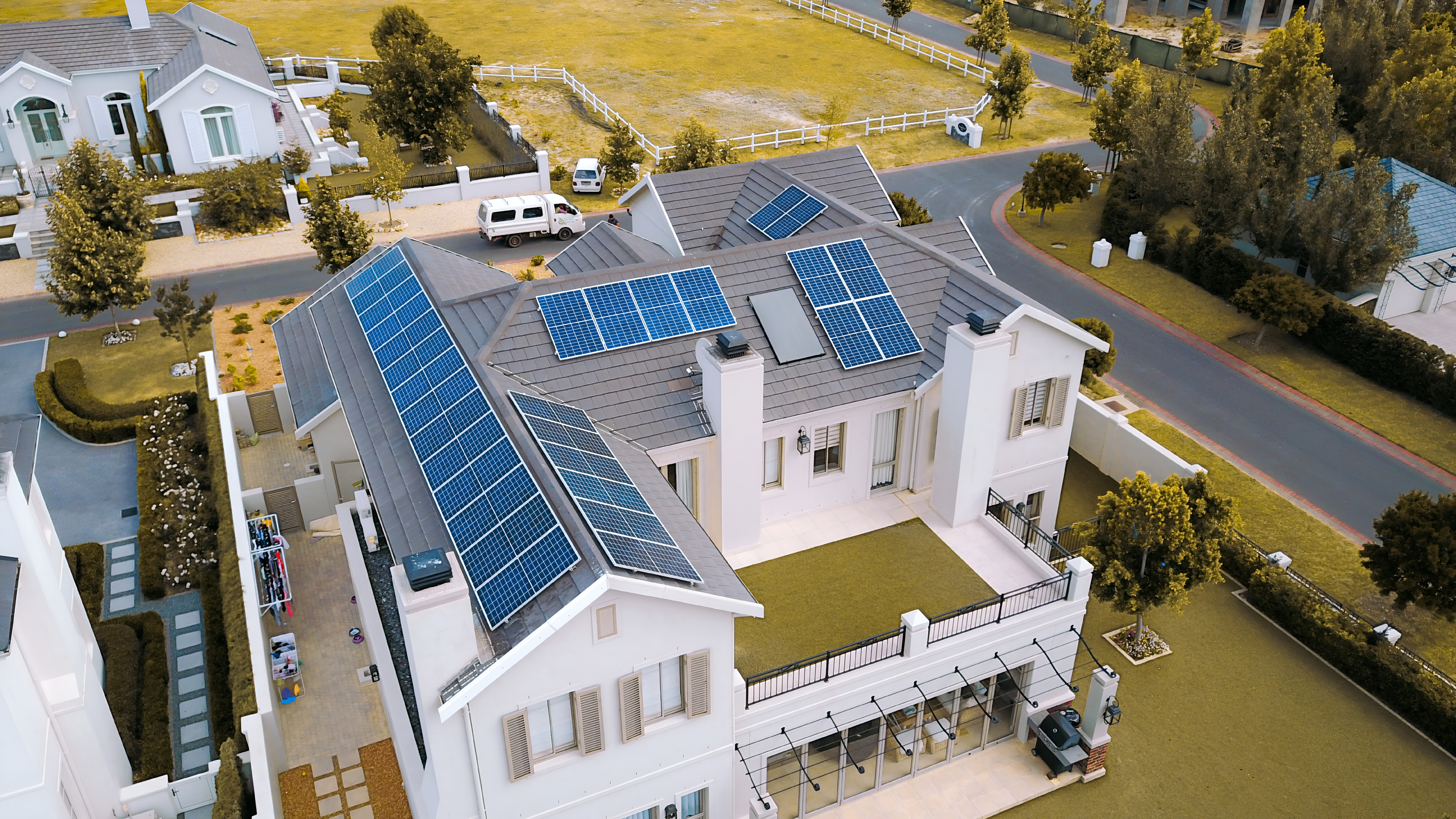
The solar electric inverter represents one of the most critical components in any photovoltaic system, serving as the technological bridge between solar panels and usable electricity. This sophisticated device transforms the direct current (DC) electricity generated by solar panels into alternating current (AC) electricity that powers homes, businesses, and industrial facilities. Without this essential conversion process, the electricity produced by solar arrays would remain incompatible with standard electrical systems and grid infrastructure. Understanding how these devices function, the various types available, and the selection criteria for different applications enables property owners and energy managers to optimize their renewable energy investments whilst ensuring long-term system reliability and performance.
Understanding Solar Electric Inverter Technology
A solar electric inverter performs the fundamental task of converting DC power into AC power, but modern devices deliver far more sophisticated capabilities. The conversion process involves rapidly switching DC voltage on and off whilst simultaneously transforming it into a smooth sine wave that matches grid specifications. This electronic transformation occurs thousands of times per second, requiring advanced semiconductor technology and precise control systems.
Beyond basic conversion, today's inverters incorporate maximum power point tracking (MPPT) technology that continuously adjusts electrical operating parameters to extract optimal power from solar arrays under varying conditions. Temperature fluctuations, shading patterns, and solar irradiance levels constantly affect panel output, and MPPT algorithms respond in real-time to maintain peak efficiency.
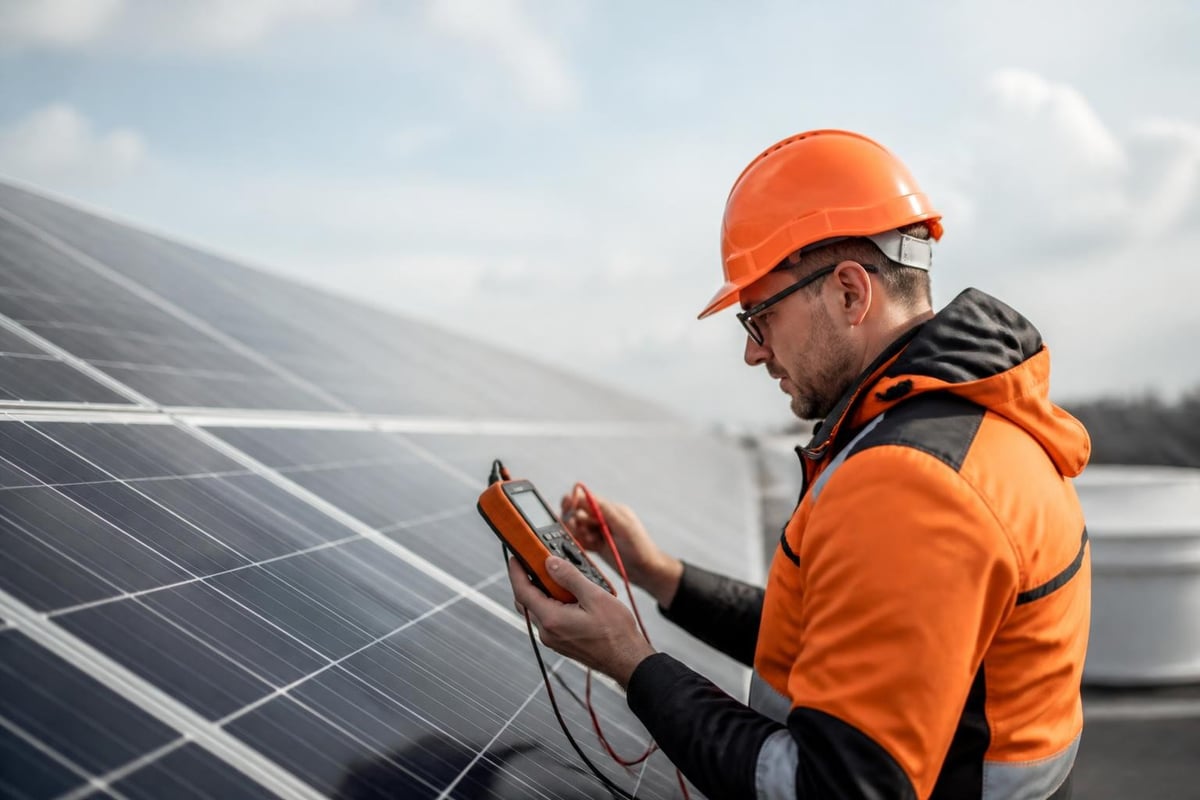
The U.S. Department of Energy highlights that modern inverters also provide essential grid services, including voltage regulation, frequency support, and reactive power control. These grid-support functions become increasingly important as renewable energy penetration grows across electrical networks.
Inverter Efficiency and Performance Metrics
Several key metrics determine solar electric inverter performance and suitability for specific applications:
- Peak efficiency: The maximum conversion efficiency under optimal conditions, typically 96-98% for quality units
- Weighted efficiency: A more realistic measure accounting for varying load levels throughout the day
- MPPT efficiency: How effectively the device tracks and maintains optimal power points
- Total harmonic distortion (THD): The quality of the AC waveform produced, with lower values indicating cleaner power
- Nighttime consumption: Standby power draw when the system is not generating electricity
| Metric | String Inverters | Microinverters | Central Inverters |
|---|---|---|---|
| Peak Efficiency | 96-98% | 95-97% | 98-99% |
| Typical Size Range | 3-12 kW | 250-400 W | 50+ kW |
| MPPT Channels | 1-3 | 1 per unit | 6-20+ |
| Installation Complexity | Medium | High | High |
| Monitoring Granularity | String-level | Panel-level | Array-level |
The efficiency ratings directly impact system performance and financial returns. A one-percentage-point difference in weighted efficiency across a 100 kW system operating for 20 years can translate to significant energy production variations and corresponding revenue implications.
Types of Solar Electric Inverters
The renewable energy industry offers several distinct inverter architectures, each suited to particular applications, system sizes, and performance requirements.
String Inverters
String inverters represent the most common configuration for residential and commercial installations, connecting multiple solar panels arranged in series strings. These devices consolidate the conversion process at a single location, typically mounted near the main electrical distribution board or outdoors in a protected enclosure.
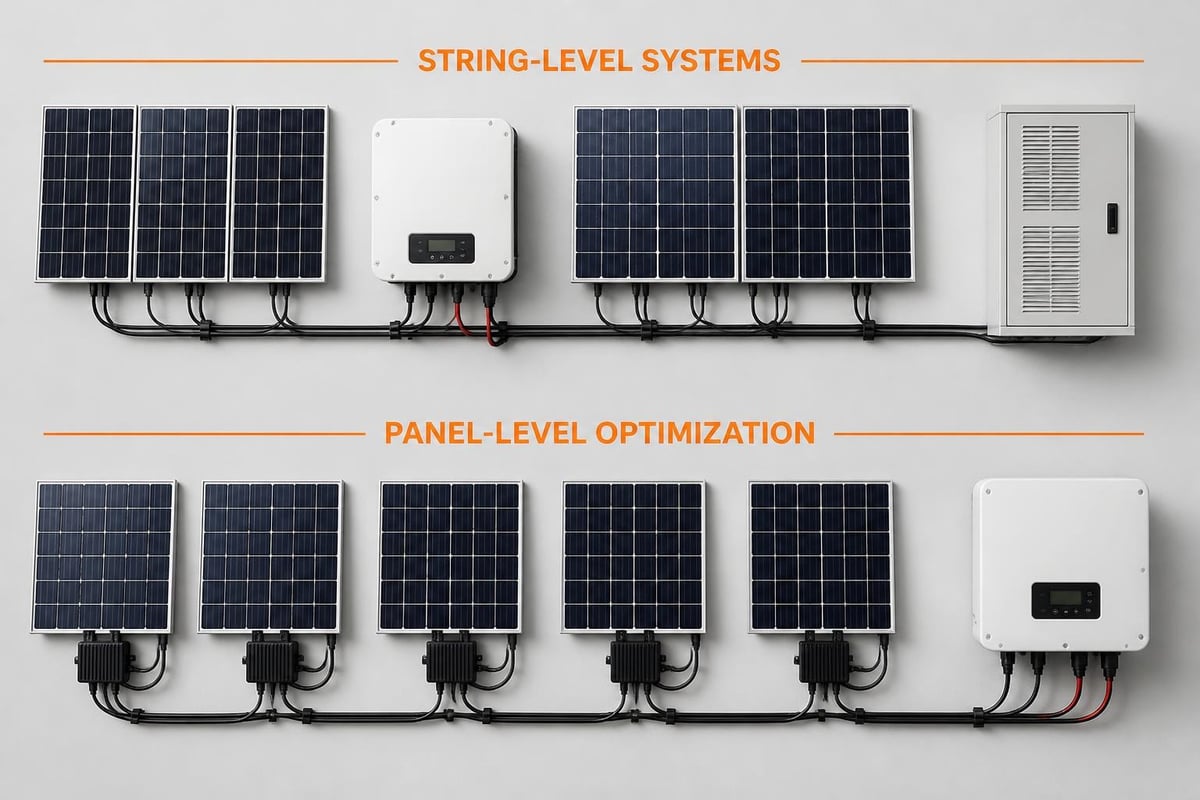
String inverters excel in straightforward installations where panels receive uniform sunlight exposure without significant shading challenges. Their centralized architecture simplifies maintenance and monitoring whilst delivering excellent efficiency at competitive price points. Modern string inverters often incorporate multiple MPPT inputs, allowing separate string optimization when roof orientations vary or partial shading affects different array sections.
Microinverters
Microinverters attach directly to individual solar panels, performing DC-to-AC conversion at the module level. This distributed architecture eliminates string-level vulnerabilities, ensuring that shading or performance issues affecting one panel do not compromise the entire array's output.
The panel-level optimization and monitoring capabilities of microinverters provide exceptional system visibility and performance in complex installations. However, the multiplication of components increases initial costs and introduces more potential failure points across the system lifecycle. Microinverter systems particularly suit residential properties with multiple roof planes, significant shading obstacles, or irregular panel layouts.
Power Optimizers with Central Inverters
Power optimizer systems combine aspects of both string and microinverter architectures. DC optimizers attach to each panel, performing MPPT at the module level whilst maintaining DC voltage. These devices then feed a central string inverter that handles AC conversion.
This hybrid approach delivers many microinverter benefits, including panel-level monitoring and optimization, whilst preserving the efficiency and reliability advantages of centralized inversion. The architecture proves particularly effective for commercial solar installations requiring granular performance data without the cost premium of full microinverter systems.
Central Inverters
Large-scale commercial, industrial, and utility projects typically deploy central inverters handling hundreds of kilowatts or even megawatts of solar capacity. These robust units offer exceptional efficiency, advanced grid-support features, and sophisticated monitoring capabilities.
Central inverters consolidate conversion for entire arrays, reducing equipment costs per watt whilst simplifying system architecture. However, their centralized nature means that inverter failures or maintenance activities can affect substantial portions of generation capacity. Many large installations therefore incorporate multiple central inverters to provide redundancy and maintain production during service events.
Selecting the Right Solar Electric Inverter
Choosing an appropriate solar electric inverter requires careful consideration of multiple technical, financial, and operational factors that influence long-term system performance and returns on investment.
Sizing Considerations
Proper inverter sizing balances capital costs against energy capture optimization. The inverter-to-array ratio, commonly called the DC-to-AC ratio, typically ranges from 1.1:1 to 1.3:1, meaning the solar array's DC rating exceeds the inverter's AC capacity by 10-30%.
This intentional oversizing recognizes that solar arrays rarely achieve their nameplate ratings under real-world conditions due to temperature effects, soiling, and oblique sun angles. The modest oversizing maximizes energy harvest during most operating hours whilst accepting minor clipping losses during peak production periods. Economic analysis of local solar resources, electricity tariffs, and equipment costs determines the optimal ratio for each project.
Key sizing factors include:
- Maximum continuous solar irradiance levels at the installation location
- Array orientation and tilt angles affecting peak output timing
- Temperature derating requirements based on local climate conditions
- Electrical code requirements for maximum input voltages and currents
- Future expansion plans that might increase array capacity
Environmental and Installation Requirements
Solar electric inverters must withstand challenging environmental conditions throughout their operational lifetime, typically warranted for 10-15 years with extended warranty options available. Installation location significantly impacts reliability and performance.
String and central inverters require appropriate environmental ratings matching their installation environment. Indoor installations in climate-controlled spaces extend equipment lifespan and maintain optimal operating temperatures. Outdoor installations demand higher ingress protection ratings, typically IP65 or IP66, to exclude dust and withstand direct water exposure from rain or cleaning operations.
Ventilation requirements deserve particular attention, as inverters generate heat during operation and thermal management directly affects efficiency and longevity. Adequate clearances around equipment and proper mounting orientation ensure sufficient airflow whilst preventing heat accumulation that accelerates component degradation.
Advanced Features and Smart Capabilities
Modern solar electric inverters incorporate increasingly sophisticated monitoring, control, and communication capabilities that transform them from simple conversion devices into intelligent energy management systems.
Grid-Support Functions
As renewable energy penetration increases across electrical networks, grid reliability requirements for inverter-based resources continue evolving. Contemporary inverters provide essential grid services that enhance network stability and power quality.
Voltage regulation capabilities allow inverters to inject or absorb reactive power, supporting local voltage levels without requiring utility-side intervention. Frequency support functions respond to grid frequency deviations, adjusting real power output to help stabilize network conditions. Some advanced systems even offer grid-forming capabilities that can energize isolated network sections or support black-start operations.
| Grid Function | Purpose | Implementation |
|---|---|---|
| Volt-VAR support | Voltage regulation | Reactive power injection/absorption |
| Frequency-Watt response | Frequency stabilization | Active power curtailment |
| Anti-islanding protection | Safety compliance | Rapid disconnection detection |
| Low-voltage ride-through | Fault resilience | Continued operation during events |
| Ramp-rate control | Grid stability | Controlled output changes |
Monitoring and Communication Protocols
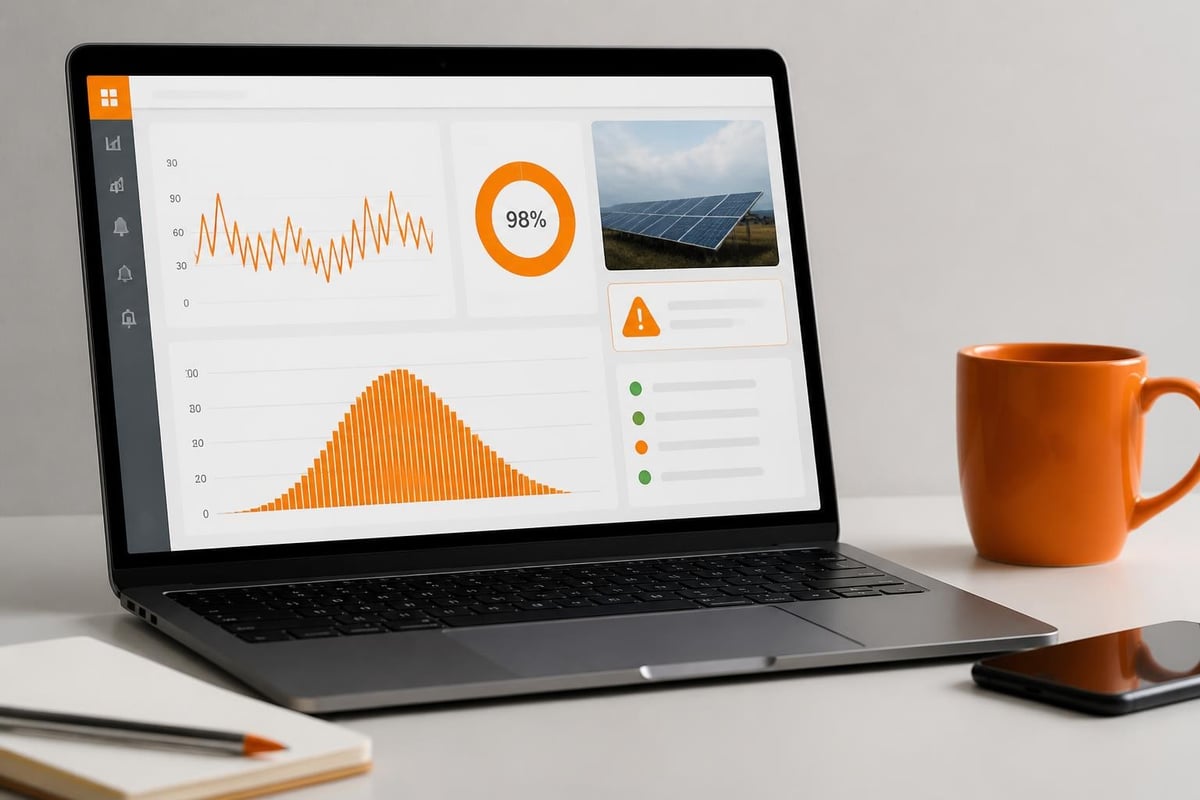
Comprehensive monitoring systems provide real-time visibility into inverter performance, energy production, and potential issues requiring attention. Modern devices communicate via multiple protocols, including Ethernet, Wi-Fi, cellular modems, and industrial standards like Modbus.
Cloud-based monitoring platforms aggregate data from distributed installations, enabling remote diagnostics, performance verification, and proactive maintenance scheduling. Panel-level monitoring through microinverters or optimizers identifies underperforming modules, shading issues, or potential equipment failures before they significantly impact production.
Integration with smart metering and energy management systems creates comprehensive visibility across generation, consumption, and storage assets. This holistic perspective enables sophisticated optimization strategies that maximize self-consumption, minimize grid imports during expensive tariff periods, and support demand response participation.
Safety and Compliance Standards
Solar electric inverter installations must comply with rigorous electrical codes, safety standards, and interconnection requirements that protect personnel, property, and grid infrastructure.
Anti-Islanding Protection
Anti-islanding protection represents a critical safety requirement preventing inverters from energizing grid sections during utility outages. When grid power fails, inverters must rapidly detect the condition and disconnect to protect utility workers and prevent damage to equipment expecting de-energized conditions.
Detection methods include passive monitoring of voltage and frequency parameters alongside active techniques that inject small disturbances and monitor grid response. Modern inverters combine multiple detection strategies to ensure reliable disconnection within milliseconds of grid failure whilst avoiding nuisance tripping during normal operation.
Rapid Shutdown Requirements
Recent electrical code revisions mandate rapid shutdown capabilities that reduce DC voltages to safe levels within seconds of emergency activation. These requirements protect firefighters and emergency responders who may need to access buildings or equipment during emergencies.
Implementation typically involves conductor-level shutdown devices integrated into inverters, optimizers, or specialized modules that immediately limit DC voltages when triggered. System design must ensure that shutdown controls remain accessible to emergency personnel whilst preventing accidental activation during normal operations.
Cybersecurity Considerations
The increasing connectivity of solar electric inverters introduces cybersecurity vulnerabilities requiring attention throughout system design, installation, and operation. Compromised inverters could potentially disrupt grid stability, manipulate energy production data, or serve as entry points for broader network attacks.
Best practices include changing default passwords, implementing network segmentation, maintaining firmware updates, and restricting remote access to authorized users through encrypted connections. Manufacturers increasingly incorporate security-by-design principles, but installation and configuration practices significantly influence actual security posture.
Integration with Energy Storage Systems
The growing adoption of battery energy storage systems creates new requirements and opportunities for solar electric inverters in hybrid renewable energy installations.
Hybrid Inverter Architectures
Hybrid inverters manage both solar generation and battery storage through a single integrated device, simplifying system architecture whilst reducing equipment costs. These sophisticated units coordinate charging from solar production, discharging to meet loads, and grid interaction based on programmed priorities and real-time conditions.
AC-coupled systems alternatively use separate solar and battery inverters communicating through monitoring systems or energy management platforms. This architecture offers greater flexibility in component selection and system expansion but introduces conversion losses from multiple DC-AC-DC transformations.
Optimization Strategies
Intelligent control algorithms maximize the value captured from combined solar and storage systems by responding to time-varying electricity tariffs, load profiles, and generation patterns. During periods of excess solar production, systems charge batteries rather than exporting power to the grid at low compensation rates.
Stored energy then discharges during expensive peak demand periods, reducing electricity purchases whilst supporting grid stability. Advanced implementations forecast generation and consumption patterns, pre-charging batteries before anticipated peak periods or curtailing solar production when storage reaches capacity and grid export proves uneconomical.
Maintenance and Troubleshooting
Whilst solar electric inverters require minimal routine maintenance compared to mechanical equipment, periodic attention ensures optimal performance throughout their operational lifetime.
Preventative Maintenance Activities
Regular visual inspections verify that equipment remains clean, mounting hardware stays secure, and ventilation pathways stay clear of obstructions. Thermal imaging identifies developing issues through abnormal heat patterns before they progress to failures.
Performance monitoring establishes baseline production expectations and flags deviations requiring investigation. Gradual efficiency declines might indicate aging components, whilst sudden changes often signal specific faults. Maintaining detailed maintenance records supports warranty claims and informs replacement timing decisions.
Common Issues and Solutions
Several typical issues affect solar electric inverter operation across different system configurations:
- Ground fault detection: Moisture intrusion or insulation degradation triggering protective shutdowns
- DC overvoltage: String configurations exceeding inverter input ratings during cold, high-irradiance conditions
- AC grid disturbances: Voltage or frequency excursions causing disconnection events
- Communication failures: Lost data connections preventing monitoring whilst conversion continues
- Component degradation: Capacitor aging or fan failures reducing efficiency or requiring replacement
Systematic troubleshooting progresses from simple checks like verifying connections and reviewing error codes through detailed electrical measurements when necessary. Many issues resolve through inverter resets or firmware updates, whilst component-level repairs typically require qualified technicians.
The service level agreements governing maintenance and support significantly impact system availability and long-term performance, particularly for commercial and industrial installations where downtime directly affects financial returns.
Economic Considerations and Financial Performance
Solar electric inverter selection influences both initial capital requirements and ongoing operational costs across system lifetimes spanning 25-30 years for solar arrays.
Initial Investment Analysis
Inverter costs typically represent 8-15% of total system capital expenditure, varying with technology selection, capacity requirements, and feature specifications. String inverters generally offer the lowest per-watt costs for straightforward installations, whilst microinverters command premium pricing justified by enhanced monitoring and optimization capabilities.
Cost comparison considerations:
- Equipment purchase price including shipping and applicable taxes
- Installation labour requirements for different architectures
- Balance-of-system components like disconnects, conduit, and monitoring equipment
- Electrical work complexity and associated permit fees
- Commissioning and startup service requirements
Lifecycle Cost Optimization
Total cost of ownership extends beyond initial investment to encompass operational expenses, maintenance requirements, and eventual replacement considerations. Inverter warranties typically span 10-15 years, shorter than solar panel warranties of 25 years, necessitating planned replacement expenses.
Extended warranty purchases reduce replacement timing uncertainty whilst potentially offering cost savings versus out-of-warranty repairs. Reliability records, manufacturer stability, and spare parts availability influence long-term cost exposure, particularly for commercial installations where downtime carries significant financial implications.
Energy production over system lifetime represents the revenue stream offsetting costs, making efficiency and reliability paramount to financial performance. Even marginal efficiency improvements compound significantly across decades of operation, whilst reliability issues introduce lost production and remediation expenses.
Selecting and properly implementing solar electric inverter technology determines the success of photovoltaic installations across residential, commercial, and industrial applications. The conversion efficiency, monitoring capabilities, grid-support functions, and reliability of these essential devices directly impact energy production, financial returns, and system longevity. Whether you're planning a new solar installation, upgrading existing equipment, or optimizing system performance, INFOLED brings deep engineering expertise and comprehensive renewable energy solutions to clients throughout Southern Africa. Contact INFOLED today to discuss how intelligent solar design, professional installation, and ongoing performance monitoring can maximize the value of your renewable energy investment.
Next Step
Need help with your energy strategy?
Speak to INFOLED about solar, storage, EV charging, service agreements or system performance.