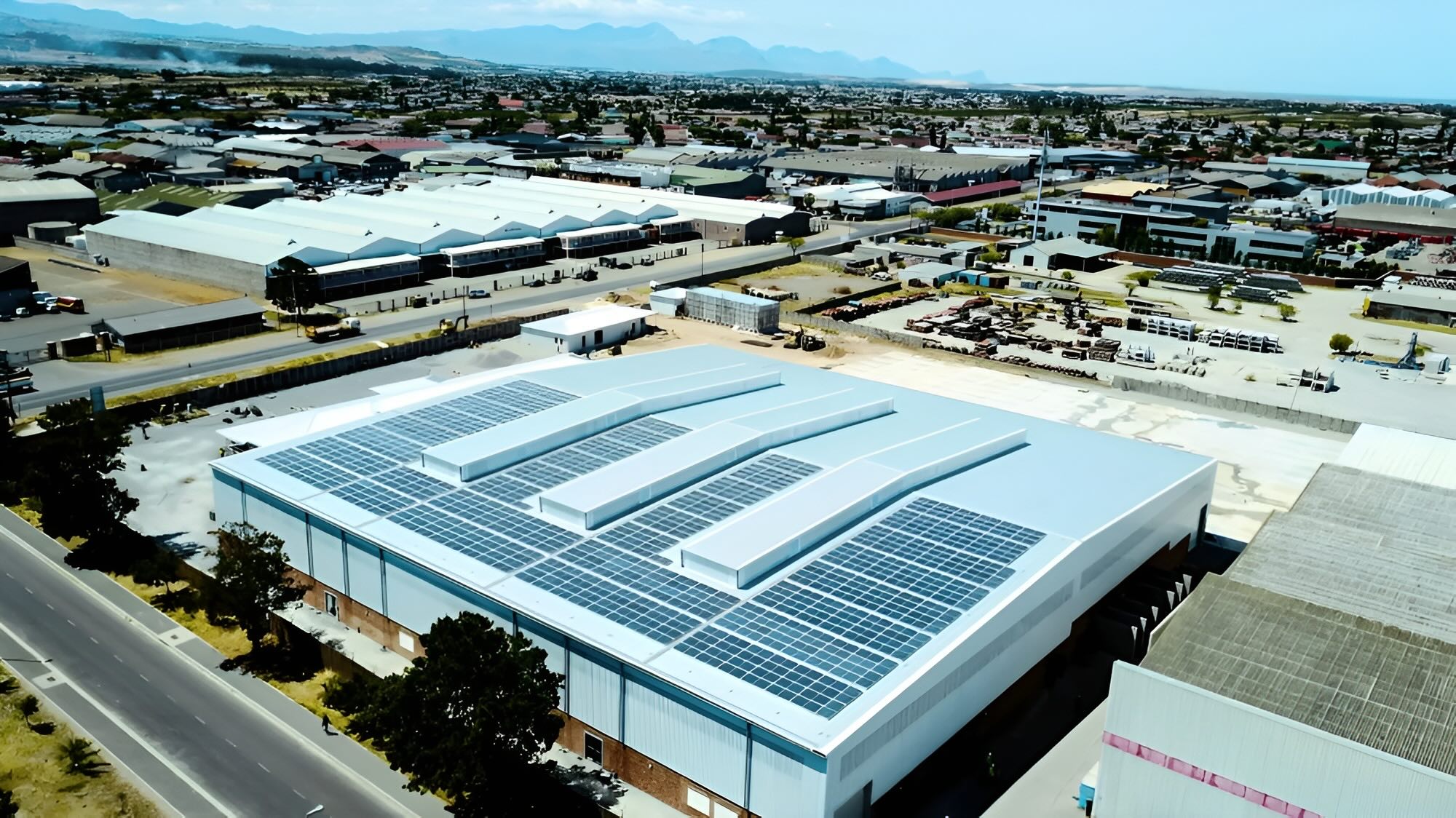
The energy landscape for commercial and industrial operations across Southern Africa has fundamentally shifted. Rising electricity tariffs, persistent grid instability, and increasing pressure to meet environmental targets have pushed solar energy for business from a nice-to-have to a strategic necessity. Forward-thinking organisations are now treating renewable energy infrastructure as critical business assets that deliver measurable returns whilst simultaneously addressing operational resilience and corporate sustainability commitments.
Understanding the Commercial Solar Opportunity
The financial case for solar energy for business has never been stronger. With electricity prices in South Africa increasing by an average of 15% annually over the past decade, businesses face mounting pressure on operational costs. Solar photovoltaic technology has simultaneously experienced dramatic cost reductions, with installation prices dropping by more than 70% since 2010. This convergence creates an unprecedented opportunity for organisations to take control of their energy future.
Modern commercial solar installations generate electricity at a levelised cost significantly below grid tariffs. Businesses can lock in predictable energy costs for 25 years or more, effectively hedging against future utility price increases. The financial benefits extend beyond simple cost avoidance, creating value through improved cash flow, enhanced asset values, and competitive advantages in increasingly sustainability-conscious markets.
Key Financial Drivers
Several economic factors make solar energy for business particularly attractive in 2026:
- Immediate cost reduction: Businesses typically reduce electricity expenses by 30-60% in the first year
- Predictable energy budgeting: Fixed solar costs replace volatile utility pricing
- Asset creation: Solar installations add tangible value to commercial property
- Tax benefits: Accelerated depreciation and renewable energy incentives improve ROI
- Carbon credit potential: Verified emission reductions may generate additional revenue streams

System Design Considerations for Commercial Applications
Successful solar energy for business implementation begins with thorough site assessment and system design. Unlike residential installations, commercial projects must account for complex load profiles, three-phase power requirements, and diverse roof structures. The design process requires detailed analysis of energy consumption patterns, available space, structural capacity, and grid connection parameters.
Load Profile Analysis
Understanding when and how your business consumes electricity is fundamental to optimising solar system design. Commercial operations typically exhibit distinct consumption patterns based on industry type, operating hours, and seasonal variations. Manufacturing facilities may require consistent baseload power throughout the day, whilst retail operations experience peak demand during business hours. Hotels and hospitality venues often have high overnight loads from climate control and hot water systems.
Advanced metering and data analysis reveal these patterns, enabling engineers to size systems appropriately and determine whether grid-tied, hybrid, or off-grid configurations best serve business objectives. This analytical approach ensures maximum self-consumption and optimal return on investment.
Financing Models and Capital Structures
The various financing options available for solar energy for business allow organisations to proceed regardless of capital availability. Each model offers distinct advantages depending on balance sheet considerations, tax position, and strategic priorities.
| Financing Model | Ownership | Capital Required | Key Benefit |
|---|---|---|---|
| Cash Purchase | Business | High | Maximum savings, full tax benefits |
| Loan Finance | Business | Medium | Ownership with spread payments |
| Solar Lease | Third Party | None | Fixed payments, no capital outlay |
| Power Purchase Agreement (PPA) | Third Party | None | Pay only for electricity generated |
Cash purchases deliver the highest long-term returns and full access to depreciation benefits. Businesses with available capital and tax liability should carefully evaluate this option. Loan finance enables ownership whilst preserving working capital, with system savings often exceeding loan repayments from year one.
Power purchase agreements have become increasingly popular for organisations seeking to avoid capital expenditure entirely. Under this model, a third-party developer installs and maintains the solar system at no upfront cost to the business. The organisation then purchases electricity generated at a predetermined rate, typically lower than grid tariffs. This approach transfers technical and performance risk whilst delivering immediate cost savings.
Return on Investment Calculations
Calculating accurate ROI for solar energy for business requires consideration of multiple factors beyond simple payback period. Comprehensive financial modelling should include:
- System cost analysis: Total installed cost per watt including balance of system components
- Energy production forecasting: Location-specific solar irradiance and system performance ratios
- Tariff escalation assumptions: Projected utility price increases over system lifetime
- Maintenance costs: Annual operational expenses for cleaning, monitoring, and repairs
- Tax implications: Depreciation schedules and renewable energy incentives
- Financing costs: Interest rates and terms for debt-financed projects
Most commercial installations across Southern Africa achieve payback periods between 3-6 years, with internal rates of return exceeding 20%. These financial benefits make solar energy one of the most attractive capital investments available to businesses today.
Industry-Specific Applications
Solar energy for business delivers value across diverse sectors, though implementation strategies vary by industry requirements. Understanding sector-specific considerations ensures optimal system design and maximum benefit realisation.
Manufacturing and Industrial
Energy-intensive manufacturing operations represent ideal candidates for large-scale solar installations. High daytime electricity consumption aligns perfectly with peak solar generation periods, maximising self-consumption rates. Facilities with extensive roof space or available land can install systems sized to meet substantial portions of their energy demand.
Industrial applications often benefit from hybrid configurations incorporating battery storage for demand charge management. By shaving peak loads, businesses reduce expensive capacity charges that can represent 30-50% of total electricity costs.
Commercial and Retail
Shopping centres, office buildings, and retail operations consume significant electricity during daylight hours for lighting, climate control, and equipment operation. This load profile naturally complements solar generation patterns. Property developers increasingly view solar installations as premium amenities that attract quality tenants and command higher rental rates.
Multi-tenant buildings require careful consideration of energy allocation and billing structures. Smart metering systems enable accurate tracking of solar energy consumption by individual tenants, ensuring equitable distribution of benefits.
Agriculture and Agribusiness
Agricultural operations face unique energy challenges, often operating in areas with unreliable grid connections. Solar energy for business in the agricultural sector enables reliable power for irrigation, cold storage, processing facilities, and farm operations. The sector's space availability and distance from urban centres make solar particularly attractive.
Farming operations frequently combine solar with diesel generators in hybrid systems, dramatically reducing fuel costs whilst maintaining backup capability. Modern control systems automatically optimise between solar, battery storage, and generator operation based on load requirements and energy availability.
Technical Implementation and Integration
Professional installation requires coordination across multiple disciplines including electrical engineering, structural engineering, and project management. Successful projects follow systematic implementation processes that minimise business disruption whilst ensuring safe, compliant installations.
Grid Connection Requirements
Connecting commercial solar systems to the utility network requires adherence to specific technical standards and regulatory requirements. Applications must include detailed single-line diagrams, protection relay settings, and grid impact studies. Processing times vary by utility and application complexity, requiring early engagement with network operators.
Grid-tied systems must incorporate anti-islanding protection and automatic disconnection capabilities to ensure worker safety during grid outages. Inverter selection and programming must comply with local grid codes specifying voltage ranges, frequency tolerances, and power quality parameters.
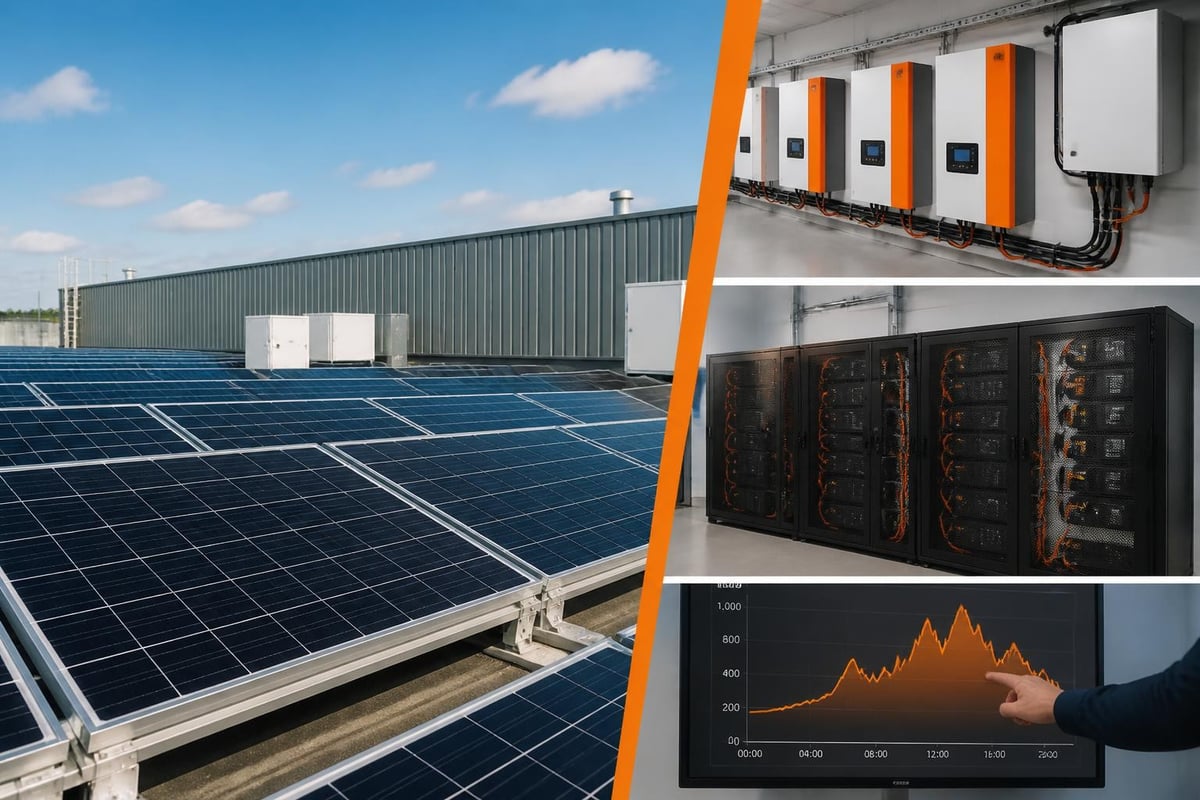
Commercial and Industrial Solar Energy projects increasingly incorporate advanced monitoring and control systems that optimise performance and identify issues before they impact generation. Real-time monitoring platforms provide visibility into system performance, enabling rapid response to anomalies and ensuring maximum uptime.
Operational Performance and Maintenance
Long-term system performance depends heavily on appropriate maintenance regimes. Solar energy for business requires ongoing attention to preserve generation capacity and protect investment returns. Well-maintained systems retain 90% or more of their original capacity after 25 years, whilst neglected installations may lose 30-40% of output.
Preventative Maintenance Programmes
Professional maintenance programmes include regular inspections, cleaning schedules, and performance verification. Key activities include:
- Panel cleaning: Removing dust, bird droppings, and debris that reduce output
- Electrical inspections: Checking connections, cable integrity, and protection devices
- Inverter maintenance: Firmware updates and component testing
- Thermal imaging: Identifying hot spots indicating cell or connection failures
- Performance analysis: Comparing actual versus expected generation
Many businesses engage specialist providers for renewable energy operations and maintenance services, ensuring professional care without diverting internal resources. Service level agreements define response times, performance guarantees, and maintenance schedules, providing predictability and accountability.
Overcoming Implementation Challenges
Despite compelling benefits, businesses face several barriers when considering solar energy adoption. Common challenges include capital constraints, technical complexity, and organisational inertia. Successful adopters address these obstacles through systematic planning and expert partnership.
Addressing Financial Concerns
Capital availability remains a primary concern for many organisations. Alternative financing models, particularly power purchase agreements, eliminate this barrier by requiring no upfront investment. Businesses simply redirect a portion of existing electricity spending to solar energy at reduced rates.
For organisations preferring ownership, green finance facilities and renewable energy loans provide attractive terms specifically designed for solar projects. These instruments recognise solar installations as revenue-generating assets with predictable cash flows, enabling favourable lending conditions.
Managing Technical Complexity
Solar technology has matured significantly, but implementation still requires specialist expertise. Businesses should partner with experienced engineering firms that provide comprehensive services from initial feasibility through commissioning and ongoing support. This integrated approach ensures optimal outcomes whilst minimising internal resource requirements.
Quality system design accounts for business-specific factors including load growth projections, expansion plans, and operational requirements. Cookie-cutter solutions rarely deliver maximum value; bespoke engineering optimises system performance for each unique application.
Environmental and Social Benefits
Beyond financial returns, solar energy for business delivers substantial environmental and social value. Corporate sustainability commitments increasingly influence stakeholder decisions, from customer preferences to investor allocations. Demonstrable environmental action enhances brand reputation and meets growing expectations for corporate responsibility.
Carbon Reduction and ESG Performance
Every kilowatt-hour generated from solar energy displaces grid electricity produced predominantly from fossil fuels in Southern Africa. Typical commercial installations reduce carbon emissions by 100-500 tonnes annually, equivalent to removing 20-100 passenger vehicles from roads. These verified reductions contribute directly to Scope 2 emissions targets and strengthen environmental, social, and governance (ESG) reporting.
Forward-thinking organisations view renewable energy infrastructure as foundational to achieving net-zero commitments. Solar installations provide tangible evidence of climate action, supporting sustainability narratives backed by measurable impact data.
Regulatory Landscape and Policy Support
Government policies and regulatory frameworks significantly influence the economics and feasibility of solar energy for business. Understanding current incentives, licensing requirements, and compliance obligations enables informed decision-making and risk management.
Licensing and Permits
South African regulations permit businesses to install embedded generation up to 100MW without electricity generation licenses, though registration with the National Energy Regulator remains mandatory. Municipal approval processes vary considerably by jurisdiction, requiring careful navigation of local requirements.
Building permits assess structural adequacy for roof-mounted systems, ensuring installations meet safety standards. Grid connection applications proceed through utility-specific processes with varying complexity and timelines. Early engagement with all authorities prevents delays and ensures smooth project execution.
Incentive Programmes
The Section 12B tax incentive allows businesses to claim accelerated depreciation on renewable energy assets, improving after-tax returns. Various provincial and local authorities offer additional incentives including expedited permitting or rebates for renewable energy installations.
Understanding available incentives and structuring projects to maximise benefits requires specialist tax and legal advice. The interplay between depreciation schedules, renewable energy certificates, and carbon credits creates optimisation opportunities that significantly enhance project economics.
Case Studies and Proven Results
Real-world examples demonstrate the transformative impact of solar energy for business across diverse applications. Manufacturing facilities have reduced energy costs by 40-60%, improving competitiveness in price-sensitive markets. Retail operations report enhanced customer perception and brand value from visible environmental leadership.
Agricultural businesses in remote areas have achieved energy independence, eliminating reliance on unreliable grid connections and expensive diesel generation. The combination of solar and battery storage provides 24/7 power availability that transforms operational capability and productivity.
Distribution centres and logistics operations benefit from solar-powered cold storage and material handling equipment, reducing operating costs whilst maintaining service quality. Hotels and hospitality venues offset high climate control loads with rooftop solar, improving profit margins in competitive markets.
Future-Proofing Business Energy Strategy
Solar energy for business represents more than cost reduction; it's a strategic investment in operational resilience and competitive positioning. As electricity prices continue escalating and grid reliability remains uncertain, organisations with solar assets gain significant advantages over competitors relying solely on utility supply.
The modular nature of solar technology enables phased implementation aligned with capital availability and business growth. Initial installations can expand over time, scaling capacity to match increasing energy demand. This flexibility allows businesses to start small, prove value, and expand with confidence.
Integration with complementary technologies creates additional value. Battery storage enables time-shifting of solar generation to match evening demand peaks. Electric vehicle charging infrastructure powered by solar electricity provides employee amenities whilst supporting fleet electrification strategies. Smart metering and energy management systems optimise consumption patterns, maximising solar utilisation and minimising grid dependence.
Solar energy for business delivers compelling financial returns whilst addressing operational resilience and sustainability objectives. The technology has matured into a proven, bankable solution supported by diverse financing models and robust performance data. Whether through outright purchase, loan finance, or power purchase agreements, businesses across Southern Africa can access immediate cost savings and long-term value creation. INFOLED provides comprehensive renewable energy solutions from feasibility assessment through installation, monitoring, and maintenance, enabling commercial, industrial, and agricultural clients to achieve energy independence whilst advancing their Net Zero strategies.
Next Step
Need help with your energy strategy?
Speak to INFOLED about solar, storage, EV charging, service agreements or system performance.