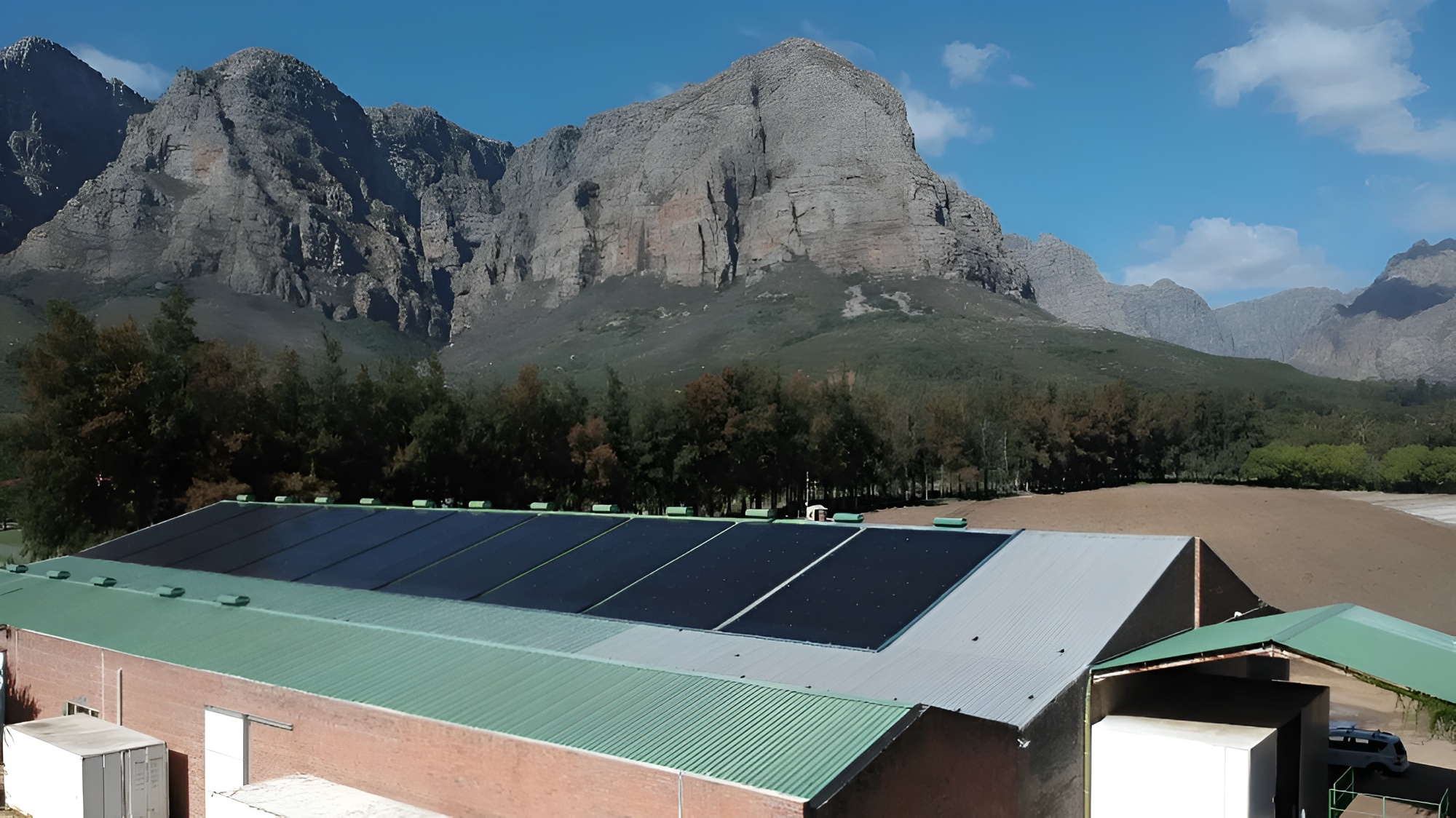
Solar power ground mounted installations represent one of the most versatile and efficient approaches to commercial and industrial renewable energy generation. Unlike rooftop alternatives, these systems utilise available land to create optimised solar arrays that can be precisely configured for maximum energy yield. For organisations seeking to reduce electricity costs whilst advancing sustainability objectives, understanding the technical specifications, financial implications, and operational benefits of ground-mounted systems is essential to making informed infrastructure decisions.
Understanding Solar Power Ground Mounted Infrastructure
Ground-mounted solar installations consist of photovoltaic panels secured to structural frameworks anchored directly into the earth's surface. This configuration liberates solar deployments from the constraints of existing building structures, enabling engineers to design systems based purely on energy production optimisation rather than architectural limitations.
The fundamental distinction between ground-mounted and rooftop systems lies in their deployment flexibility. Whilst rooftop installations must accommodate building load capacities, roof angles, and structural integrity concerns, solar power ground mounted arrays can be positioned at optimal tilt angles and orientations regardless of existing infrastructure. This freedom translates directly into enhanced energy generation capacity and improved return on investment.
Key Components and Structural Design
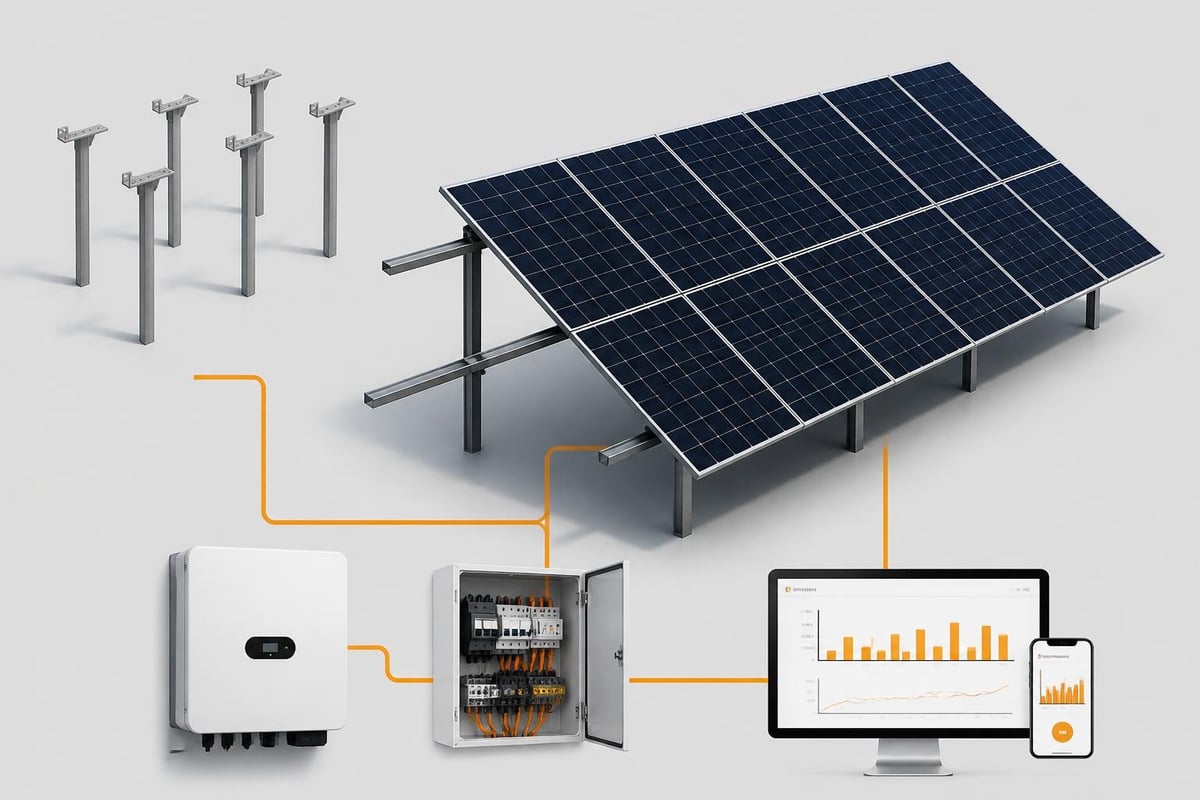
Modern ground-mounted systems comprise several critical elements working in concert. The photovoltaic modules themselves represent just one component within a sophisticated engineering assembly.
Primary structural components include:
- Foundation systems (driven piles, concrete footings, or ballasted bases)
- Mounting rails and module clamps engineered for wind and snow loads
- Inverters and electrical balance-of-system equipment
- Combiner boxes and protective devices
- Cable management systems and earthing infrastructure
- Monitoring equipment and meteorological sensors
The mounting structure selection depends heavily on soil conditions, local weather patterns, and site-specific constraints. Engineering specifications must account for wind uplift forces, seismic activity potential, and long-term settlement characteristics to ensure decades of reliable operation.
Installation Types and Configurations
Solar power ground mounted systems encompass several distinct configuration approaches, each offering unique advantages for specific applications.
| Configuration Type | Optimal Application | Key Advantage | Typical Capacity Range |
|---|---|---|---|
| Fixed-tilt arrays | Large commercial sites | Lower capital cost | 100 kW - 10 MW+ |
| Single-axis tracking | Agricultural land | 15-25% yield increase | 500 kW - 50 MW+ |
| Dual-axis tracking | Research facilities | Maximum energy capture | 50 kW - 5 MW |
| Vertical bifacial | Limited land area | Space efficiency | 100 kW - 2 MW |
Fixed-tilt systems represent the most straightforward approach, positioning panels at a predetermined angle optimised for the site's latitude and seasonal sun path. These installations offer excellent reliability with minimal moving components and maintenance requirements.
Single-axis tracking systems follow the sun's east-to-west progression throughout the day, substantially increasing energy capture compared to fixed installations. Research demonstrates that properly configured tracking systems can deliver enhanced performance through optimised module positioning, particularly in regions with high direct normal irradiance.
Commercial and Industrial Applications
For commercial and industrial operations, solar power ground mounted installations unlock renewable energy possibilities beyond what rooftop systems can provide. Facilities with available land adjacent to operations can deploy substantial generation capacity without compromising existing building functionality.
Manufacturing plants, warehouses, agricultural operations, and logistics centres frequently possess underutilised land parcels ideal for ground-mounted arrays. These systems can be scaled to offset significant portions of grid consumption, reducing operational expenses whilst hedging against electricity price volatility.
Site Selection and Assessment Criteria
Identifying optimal locations for ground-mounted installations requires comprehensive evaluation of multiple technical and regulatory factors. The assessment process should examine soil bearing capacity, shading analysis, grid connection proximity, and environmental considerations.
Critical site evaluation parameters:
- Solar resource availability - Annual irradiance levels and seasonal variation
- Land characteristics - Topography, drainage, vegetation clearance requirements
- Grid infrastructure - Proximity to connection points and available capacity
- Regulatory framework - Zoning restrictions, environmental permits, utility requirements
- Geotechnical conditions - Soil composition, water table depth, bedrock location
- Access requirements - Construction vehicle access and ongoing maintenance provisions
Southern African commercial operations benefit from exceptional solar resources, with many regions receiving annual irradiance exceeding 2,000 kWh/m². This abundant resource makes solar power ground mounted systems particularly economically attractive for organisations seeking to reduce energy costs and improve operational resilience.
The Renewable Energy Engineering Services provided by specialised firms typically include comprehensive feasibility studies that evaluate these parameters alongside detailed financial modelling to project system performance and return on investment over the installation's operational lifetime.
Technical Design Considerations
Optimising solar power ground mounted installations requires meticulous attention to engineering fundamentals that directly impact long-term performance and financial returns. The design process must balance initial capital expenditure against lifecycle energy production and maintenance requirements.
Optimal Tilt and Orientation
Panel tilt angle significantly influences annual energy generation, with the optimal angle varying based on latitude and seasonal consumption patterns. For fixed-tilt systems in Southern Africa, mounting angles typically range between 20° and 30° from horizontal, adjusted northward in the southern hemisphere.
Research into cost-based design and optimisation demonstrates that bifacial modules in ground-mounted configurations can capture reflected irradiance from ground surfaces, increasing total energy yield by 5-15% compared to monofacial alternatives. This performance enhancement proves particularly valuable when land costs represent a significant project component.
Spacing and Land Utilisation
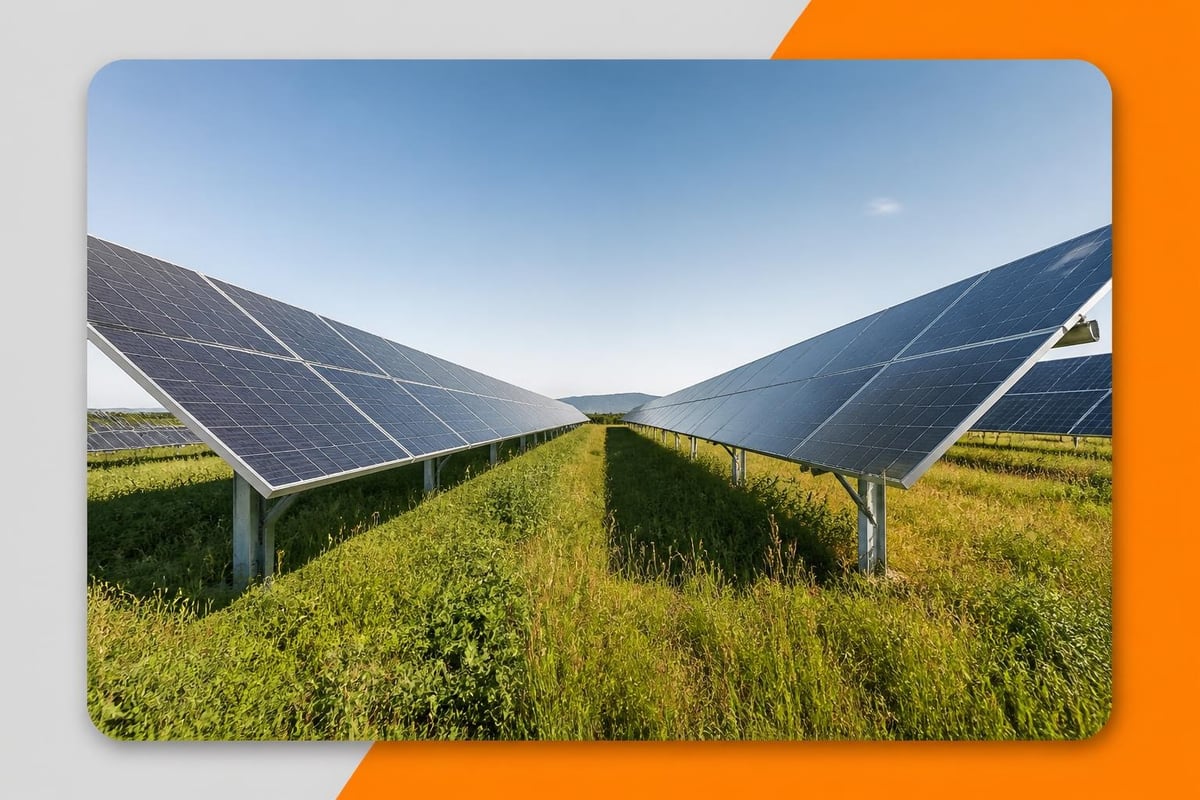
Inter-row spacing represents a critical design parameter balancing land efficiency against shading prevention. Insufficient spacing creates morning and afternoon shading losses that diminish energy production, whilst excessive spacing wastes valuable land area and increases electrical infrastructure costs.
Engineers calculate optimal spacing using solar geometry principles, accounting for the sun's lowest winter elevation angle to prevent inter-row shading during peak generation periods. Ground coverage ratios for commercial installations typically range between 0.3 and 0.5, meaning installed capacity of 3-5 MW per hectare under optimal conditions.
Financial Performance and Economic Benefits
Solar power ground mounted systems deliver compelling financial returns through electricity cost reduction, grid independence, and potential revenue generation opportunities. The economic case strengthens considerably when evaluating total lifecycle benefits rather than solely capital expenditure.
Capital Expenditure and Pricing Structures
Investment requirements for ground-mounted installations vary substantially based on system scale, site conditions, and component specifications. Larger installations benefit from economies of scale, reducing per-watt capital costs through bulk procurement and installation efficiency.
Typical cost components (2026):
- Photovoltaic modules: 35-40% of total system cost
- Mounting structures and foundations: 15-20%
- Inverters and electrical equipment: 12-18%
- Installation labour and commissioning: 15-20%
- Design, permitting, and project management: 8-12%
Commercial-scale installations in Southern Africa currently achieve installed costs ranging from R12,000 to R18,000 per kW for fixed-tilt systems, with tracking systems commanding premiums of 20-35% above fixed installations. These figures represent fully commissioned systems including all engineering, procurement, and construction activities.
Return on Investment Calculations
Financial analysis must incorporate electricity tariff escalation projections, system degradation rates, maintenance expenditure, and available incentive structures. Most commercial installations achieve payback periods between 4 and 7 years, depending on consumption patterns and financing arrangements.
| Financial Metric | Conservative Estimate | Moderate Estimate | Optimistic Estimate |
|---|---|---|---|
| Simple payback period | 6-7 years | 5-6 years | 4-5 years |
| Internal rate of return | 12-15% | 15-20% | 20-25% |
| Lifecycle cost reduction | R8-12 million | R12-18 million | R18-25 million |
| Carbon offset (25 years) | 15,000 tonnes CO₂ | 22,000 tonnes CO₂ | 30,000 tonnes CO₂ |
These projections assume a 1 MW installation with average capacity factors between 21-24%, typical of well-designed systems in Southern African locations. The performance advantages of ground-mounted systems compared to rooftop alternatives stem from optimised orientation, superior ventilation reducing thermal losses, and easier maintenance access.
Installation Process and Timeline
Deploying solar power ground mounted systems follows a structured progression from initial assessment through commissioning and energisation. Understanding the implementation timeline helps organisations plan capital deployment and anticipate operational benefits.
Pre-Construction Phase
Site preparation begins with detailed surveying, geotechnical investigations, and environmental assessments. Regulatory approvals, grid connection applications, and utility coordination frequently represent the longest lead-time items, potentially extending 8-16 weeks depending on jurisdiction requirements.
Pre-construction activities:
- Topographic surveying and site mapping
- Geotechnical soil sampling and analysis
- Environmental impact assessment
- Grid connection application and approval
- Building permits and regulatory authorisations
- Equipment procurement and logistics planning
During this phase, engineering teams finalise electrical designs, specify equipment, and develop construction methodologies suited to site-specific conditions.
Construction and Commissioning
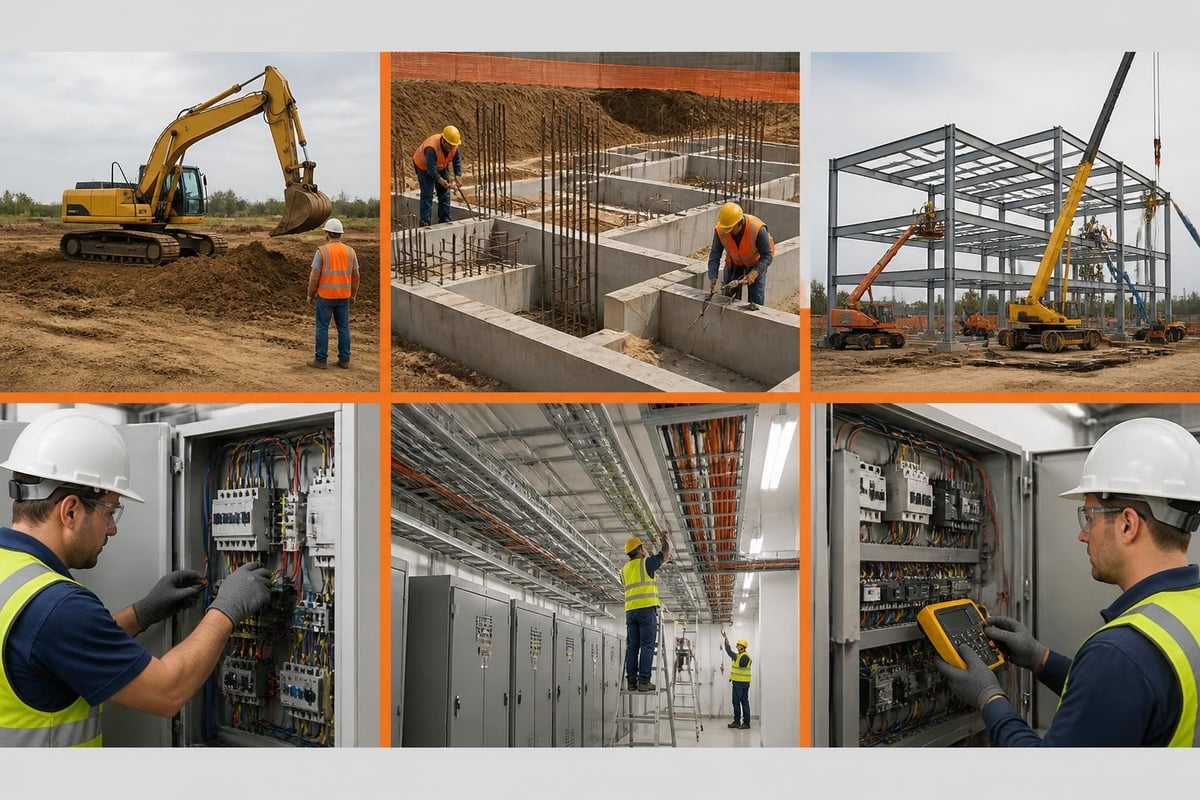
Physical construction typically proceeds rapidly once permits secure approval and equipment arrives on site. A well-managed 1 MW installation generally completes construction within 8-12 weeks, weather permitting.
Foundation installation represents the first major activity, with pile driving or concrete pouring depending on the selected mounting approach. Structural assembly follows, progressing systematically across the site to maintain quality control and safety standards.
Electrical work proceeds concurrently, installing inverters, combiner boxes, and cable trenching as mounting structures complete. Commissioning involves comprehensive testing of all electrical systems, verification of safety interlocks, and performance validation before grid synchronisation.
Operational Performance and Maintenance
Once energised, solar power ground mounted installations require systematic monitoring and preventative maintenance to ensure optimal performance throughout their 25-30 year operational lifetime. Well-maintained systems consistently deliver energy production within 2-3% of design projections.
Performance Monitoring Systems
Modern installations incorporate sophisticated monitoring platforms tracking real-time generation, environmental conditions, and equipment health parameters. These systems enable rapid fault detection and performance optimisation, maximising financial returns through sustained high availability.
Monitoring granularity varies from simple production tracking to string-level diagnostics identifying individual underperforming components. Commercial operations typically implement comprehensive monitoring given the substantial revenue implications of performance deviations.
Maintenance Requirements and Scheduling
Preventative maintenance programmes ensure long-term system reliability whilst minimising unplanned downtime. Annual maintenance activities include visual inspections, electrical testing, inverter servicing, and panel cleaning where soiling substantially impacts performance.
Ground-mounted systems offer significant maintenance advantages compared to rooftop alternatives. Equipment accessibility reduces service time and eliminates working-at-height risks, lowering insurance premiums and contractor costs. This accessibility proves particularly valuable for thermal imaging inspections and drone surveys that identify hotspots and cell degradation before failures occur.
Advanced Technologies and Future Developments
The solar industry continues advancing ground-mounted system capabilities through innovations in module technology, tracking algorithms, and integrated energy management. These developments promise enhanced performance and expanded application possibilities for commercial installations.
Bifacial Module Integration
Bifacial photovoltaic modules capture irradiance from both front and rear surfaces, leveraging reflected ground radiation to increase total energy yield. Research into vertical bifacial configurations demonstrates unique advantages for space-constrained sites, generating morning and evening production peaks that align with commercial demand patterns.
Ground albedo significantly influences bifacial performance, with light-coloured surfaces or specialised reflective materials enhancing rear-side generation. Some installations employ ground sculpting techniques to optimise reflection patterns, though such approaches require careful cost-benefit analysis.
Energy Storage Integration
Combining solar power ground mounted installations with battery energy storage systems creates sophisticated hybrid plants capable of load shifting, demand charge reduction, and grid services provision. These integrated solutions address solar intermittency whilst unlocking additional revenue streams through arbitrage and ancillary services.
Battery co-location proves particularly straightforward with ground-mounted arrays, as available land accommodates containerised storage systems without structural constraints. The synergistic operation of generation and storage assets maximises self-consumption ratios and enhances overall system economics.
Regulatory Framework and Grid Integration
Successful solar power ground mounted deployments require navigation of complex regulatory environments encompassing utility requirements, grid codes, and environmental legislation. Early engagement with relevant authorities prevents costly project delays and ensures compliant installations.
Grid Connection Processes
Utility interconnection represents a critical path item for commercial installations, with application processes varying substantially across Southern African jurisdictions. Connection approvals consider available grid capacity, voltage regulation impacts, and protection coordination requirements.
Larger installations may necessitate dedicated feeders, voltage transformation equipment, or grid reinforcement investments. Understanding these requirements during feasibility assessment prevents unexpected capital costs or timeline extensions.
Environmental and Planning Considerations
Ground-mounted installations occupy physical land area, triggering environmental assessment requirements and land-use planning processes. Responsible development addresses biodiversity impacts, visual amenity concerns, and agricultural land preservation whilst maximising renewable energy deployment.
Many jurisdictions now recognise dual-use approaches where solar installations coexist with agricultural activities, particularly grazing or shade-tolerant crops. These agrivoltaic systems optimise land productivity whilst advancing renewable energy targets.
Comparative Analysis: Ground-Mounted vs Alternative Configurations
Selecting optimal solar deployment approaches requires objective evaluation of ground-mounted systems against alternative configurations including rooftop, carport, and floating installations. Each approach presents distinct advantages suited to specific operational contexts.
Comparison across key decision factors:
| Evaluation Criterion | Ground-Mounted | Rooftop | Carport | Floating |
|---|---|---|---|---|
| Energy yield potential | Excellent | Good | Good | Excellent |
| Capital cost (per kW) | Medium | Low-Medium | High | High |
| Maintenance accessibility | Excellent | Poor-Fair | Good | Poor |
| Land/space efficiency | Medium | Excellent | Medium | Excellent |
| Structural requirements | Independent | Building-dependent | Moderate | Specialist |
| Scalability | Excellent | Limited | Limited | Site-dependent |
Ground-mounted systems excel in applications requiring substantial capacity, operational flexibility, and long-term performance optimisation. Their independence from building structures eliminates roof warranty concerns and permits unlimited expansion within available land constraints.
For commercial and industrial operations with available land parcels, ground-mounted installations frequently represent the most economical approach to achieving significant renewable energy capacity whilst maintaining operational flexibility for future facility modifications.
Risk Management and Quality Assurance
Deploying significant capital into solar infrastructure demands comprehensive risk mitigation strategies addressing technical performance, financial returns, and operational reliability. Structured quality assurance processes throughout design, procurement, and construction phases protect investment value.
Equipment Selection and Warranty Provisions
Component quality directly influences long-term system performance and maintenance expenditure. Tier-1 module manufacturers provide 25-year performance warranties guaranteeing minimum output levels, whilst inverter warranties typically span 10-15 years with extended coverage options available.
Due diligence should verify manufacturer financial stability, warranty enforceability, and local service capabilities. Instances of manufacturer insolvency underscore the importance of selecting established suppliers with demonstrated commitment to long-term customer support.
Performance Guarantees and Monitoring
Professional installations frequently include performance guarantees stipulating minimum annual energy production levels. These contractual commitments protect owner interests whilst incentivising contractors to deliver optimal designs and quality workmanship.
Continuous performance monitoring enables early deviation detection, triggering corrective actions before minor issues compound into substantial production losses. Advanced analytics compare actual generation against modelled expectations, accounting for weather variations and seasonal patterns.
Strategic Considerations for Commercial Deployment
Organisations evaluating solar power ground mounted investments should integrate renewable energy strategy within broader operational objectives, sustainability commitments, and financial planning frameworks. This holistic approach ensures alignment between energy infrastructure and corporate goals.
Integration with Corporate Sustainability Objectives
Ground-mounted solar installations deliver tangible progress toward environmental, social, and governance targets increasingly demanded by stakeholders, investors, and customers. Quantifiable carbon emission reductions support net-zero commitments whilst demonstrating environmental leadership within industry sectors.
Many organisations leverage renewable energy investments in sustainability reporting, marketing communications, and stakeholder engagement initiatives. The visible presence of ground-mounted arrays provides powerful symbols of corporate environmental commitment, enhancing brand perception amongst environmentally conscious customers.
Financial Structuring and Capital Deployment
Multiple financing approaches enable solar deployment without upfront capital expenditure, including power purchase agreements, operating leases, and third-party ownership models. These structures preserve working capital whilst delivering immediate electricity cost reductions and budget certainty.
Alternatively, direct ownership maximises long-term financial returns and balance sheet value, particularly for organisations with available capital and extended facility occupation horizons. Tax incentives, accelerated depreciation provisions, and carbon credit programmes further enhance project economics depending on jurisdictional frameworks.
Solar power ground mounted systems deliver exceptional value for commercial and industrial operations seeking substantial renewable energy capacity with optimised performance characteristics. Understanding technical design parameters, financial implications, and operational requirements enables informed decision-making that aligns energy infrastructure with strategic business objectives. INFOLED specialises in designing, financing, installing, and maintaining intelligent renewable energy solutions tailored to commercial, industrial, and agricultural operations across Southern Africa, helping organisations reduce electricity costs whilst advancing sustainability commitments through proven engineering expertise and comprehensive lifecycle support.
Next Step
Need help with your energy strategy?
Speak to INFOLED about solar, storage, EV charging, service agreements or system performance.