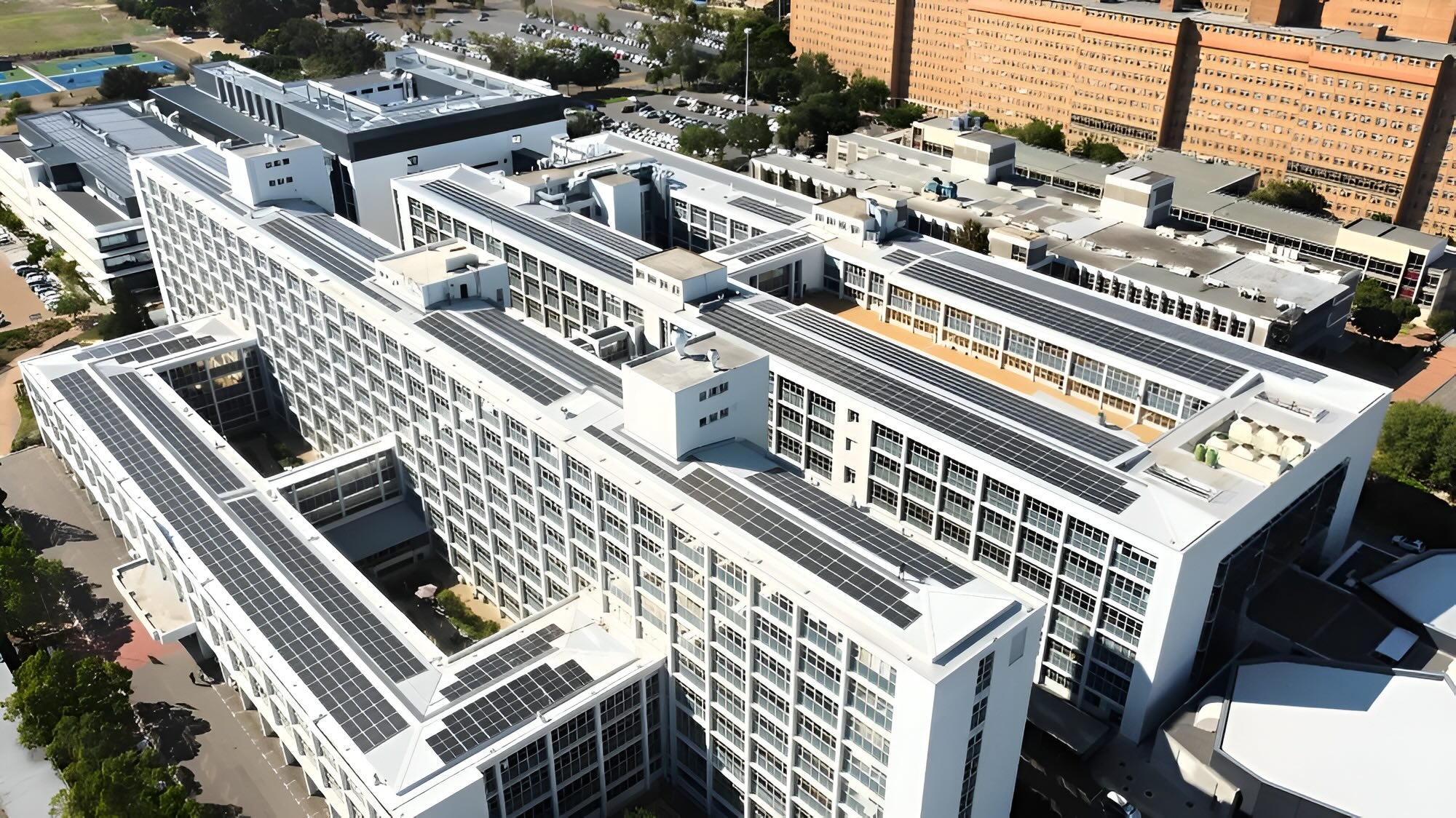
The intersection of solar energy and water management has emerged as one of the most promising frontiers in renewable technology. Water solar panels represent a revolutionary approach that addresses two critical challenges simultaneously: energy generation and water sustainability. As South Africa continues to face both energy constraints and water scarcity, particularly in provinces like Gauteng, Western Cape, and KwaZulu-Natal, understanding these hybrid technologies becomes increasingly important for commercial, industrial, and residential applications.
Understanding Water Solar Panel Technologies
Water solar panels encompass several distinct technologies, each designed to address specific challenges in the renewable energy and water sectors. These systems range from solar panels that extract drinking water from atmospheric humidity to floating photovoltaic installations that reduce water evaporation from reservoirs.
Atmospheric Water Generation Systems
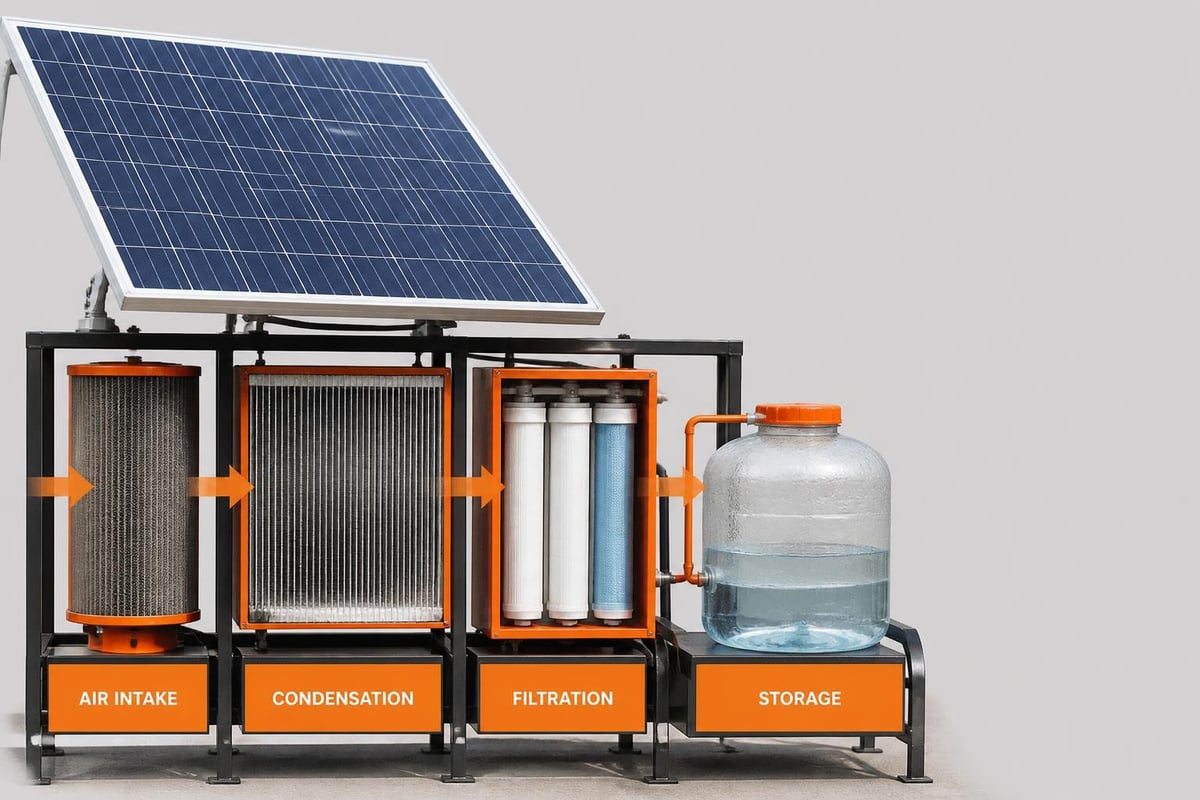
One of the most innovative developments in this field involves solar panels that generate drinking water from humidity, even in arid conditions. These systems utilise the energy generated by photovoltaic panels to power moisture extraction units, creating potable water in regions where traditional water sources are scarce.
The technology works through a multi-stage process:
- Photovoltaic cells capture solar energy during daylight hours
- Integrated absorption materials draw moisture from the surrounding air
- Solar-powered condensation units convert humidity into liquid water
- Filtration systems ensure the water meets drinking standards
- Storage tanks hold the purified water for distribution
This approach proves particularly valuable in South Africa's more arid regions, including the Northern Cape and parts of the Eastern Cape, where conventional water infrastructure may be limited or unreliable.
Floating Solar Photovoltaic Systems
Floating water solar panels, also known as floatovoltaics, represent another innovative application where solar installations are mounted on bodies of water such as reservoirs, dams, and wastewater treatment facilities. These systems deliver dual benefits by generating clean energy whilst simultaneously reducing water evaporation.
In South Africa, where water storage facilities face significant evaporation losses-particularly during summer months-floating solar installations can reduce water loss by up to 70% whilst generating substantial electricity. Major water utilities and agricultural operations are increasingly exploring this technology.
| Benefit Category | Traditional Ground-Mount Solar | Floating Water Solar Panels |
|---|---|---|
| Land Use | Requires dedicated land space | Utilises existing water surfaces |
| Panel Efficiency | Standard efficiency levels | 5-10% higher due to cooling effect |
| Water Conservation | No direct impact | Reduces evaporation by 60-70% |
| Installation Cost | Lower complexity | Higher initial installation cost |
| Environmental Impact | Land footprint required | Minimal land use, improves water quality |
Applications in Commercial and Industrial Settings
Commercial and industrial facilities represent ideal candidates for water solar panel technologies, particularly given the dual pressures of rising electricity costs and water scarcity across Southern Africa.
Manufacturing facilities with on-site water requirements can integrate atmospheric water generation systems alongside traditional commercial solar PV installations to create comprehensive sustainability solutions. This approach aligns with corporate ESG commitments whilst delivering measurable cost savings.
Agricultural Sector Implementation
South Africa's agricultural sector stands to benefit enormously from water solar panels. Farms in the Free State, Mpumalanga, and Limpopo provinces face ongoing challenges with both electricity access and water availability.
Floating solar installations on farm dams serve multiple purposes:
- Energy Generation: Providing electricity for irrigation pumps, cold storage, and processing facilities
- Water Conservation: Reducing evaporation from critical water storage
- Algae Prevention: Limiting sunlight penetration reduces algae growth
- Temperature Regulation: Maintaining cooler water temperatures benefits certain crops and livestock
The capital investment typically ranges from ZAR 15,000 to ZAR 25,000 per kilowatt for floating installations, though this varies based on project scale and site-specific requirements.
Hybrid Solar and Water Heating Systems
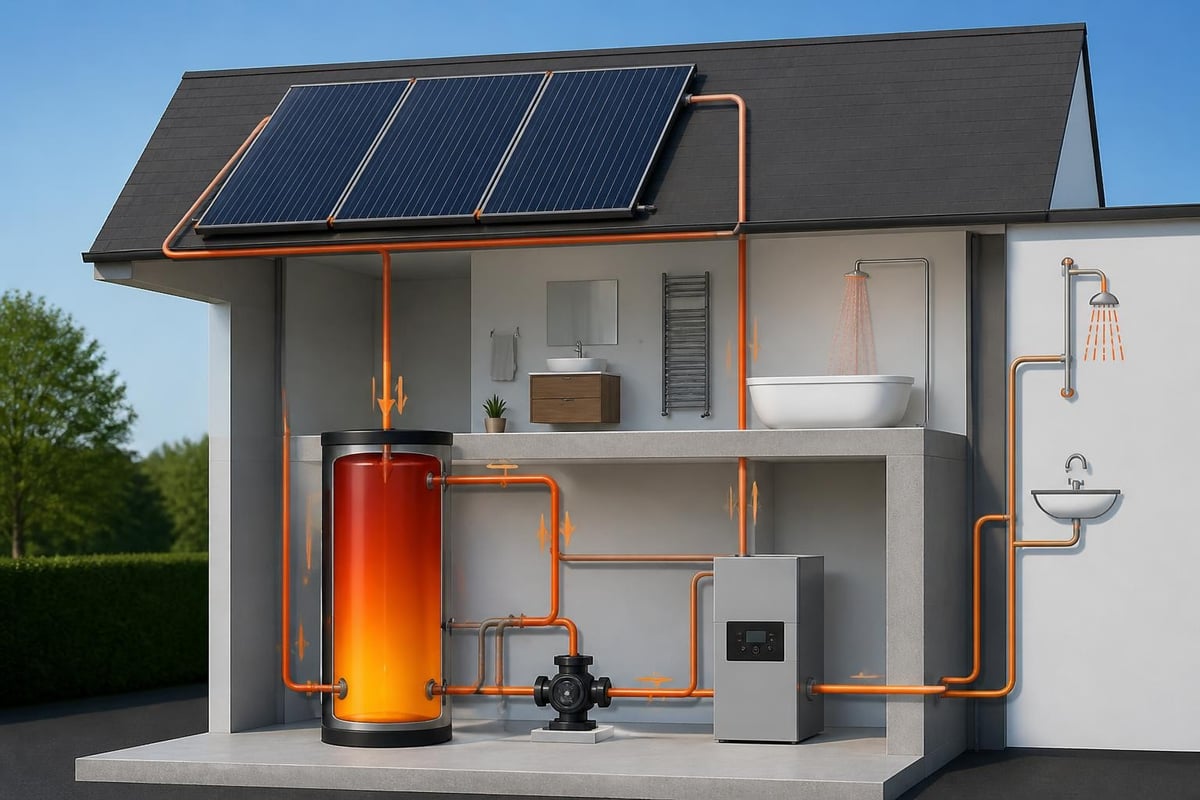
Traditional solar water heating remains one of the most cost-effective applications of solar technology for water management. These systems use solar thermal collectors to heat water directly, reducing reliance on electrical geysers-one of the largest energy consumers in South African homes and businesses.
Modern water solar panels for heating applications incorporate advanced materials that improve efficiency even during overcast conditions. The technology has evolved significantly since early flat-plate collectors, now featuring evacuated tube designs and selective surface coatings.
Residential Implementation Considerations
For South African homeowners, solar water heating systems typically pay for themselves within four to six years through reduced electricity bills. A standard residential installation costs between ZAR 18,000 and ZAR 35,000, depending on household size and hot water requirements.
Key performance factors include:
- Collector surface area and orientation
- Storage tank capacity and insulation quality
- Backup heating element configuration
- Installation location and shading analysis
- Maintenance requirements and warranty terms
Water Quality and Solar Panel Maintenance
The relationship between water and solar panels extends beyond energy generation to encompass critical maintenance considerations. Panel cleaning significantly impacts system performance, particularly in South Africa's dusty conditions.
Conventional cleaning methods often waste substantial water volumes whilst potentially leaving mineral deposits that reduce efficiency. Specialised water treatment solutions designed for solar panel cleaning can improve efficiency whilst reducing water consumption and preventing mineral buildup.
Rainwater Harvesting Integration
Progressive installations now integrate rainwater harvesting with solar photovoltaic systems, using roof-mounted panels as collection surfaces whilst generating electricity. This dual-purpose approach maximises return on investment for available roof space.
Integrating energy monitoring systems with water consumption tracking provides comprehensive insights into resource efficiency, enabling data-driven optimisation of both energy generation and water usage patterns across commercial facilities.
Climate Impact and Regional Considerations
Research has revealed unexpected interactions between large-scale solar installations and local weather patterns. Studies have shown that extensive solar farms in arid regions can potentially influence local rainfall patterns through heat-driven atmospheric effects.
While this phenomenon requires further research, it highlights the complex environmental interactions of large-scale renewable energy infrastructure. For project developers in South Africa, understanding these potential secondary effects becomes increasingly important as solar installations scale up.
Provincial Adaptation Strategies
Different South African provinces require tailored approaches to water solar panel implementation:
| Province | Primary Challenge | Recommended Technology Focus |
|---|---|---|
| Western Cape | Seasonal water scarcity | Floating solar on reservoirs, atmospheric water generation |
| Gauteng | High energy demand, urban water stress | Rooftop solar with rainwater harvesting integration |
| KwaZulu-Natal | Humidity management, coastal conditions | Atmospheric water generation, corrosion-resistant installations |
| Northern Cape | Extreme aridity, high solar irradiance | Large-scale floating solar, concentrated water generation |
| Limpopo | Rural electrification, agricultural water needs | Off-grid solar with integrated water solutions |
Emerging Technologies and Future Developments
The convergence of water and solar technologies continues to evolve rapidly. Recent innovations include nanoscale devices that generate electricity from evaporating water, opening possibilities for battery-free sensors and monitoring equipment.
These developments could transform how we approach remote monitoring of water infrastructure and agricultural irrigation systems, particularly in areas where conventional power supplies remain unreliable.
Water Aeration and Solar Integration
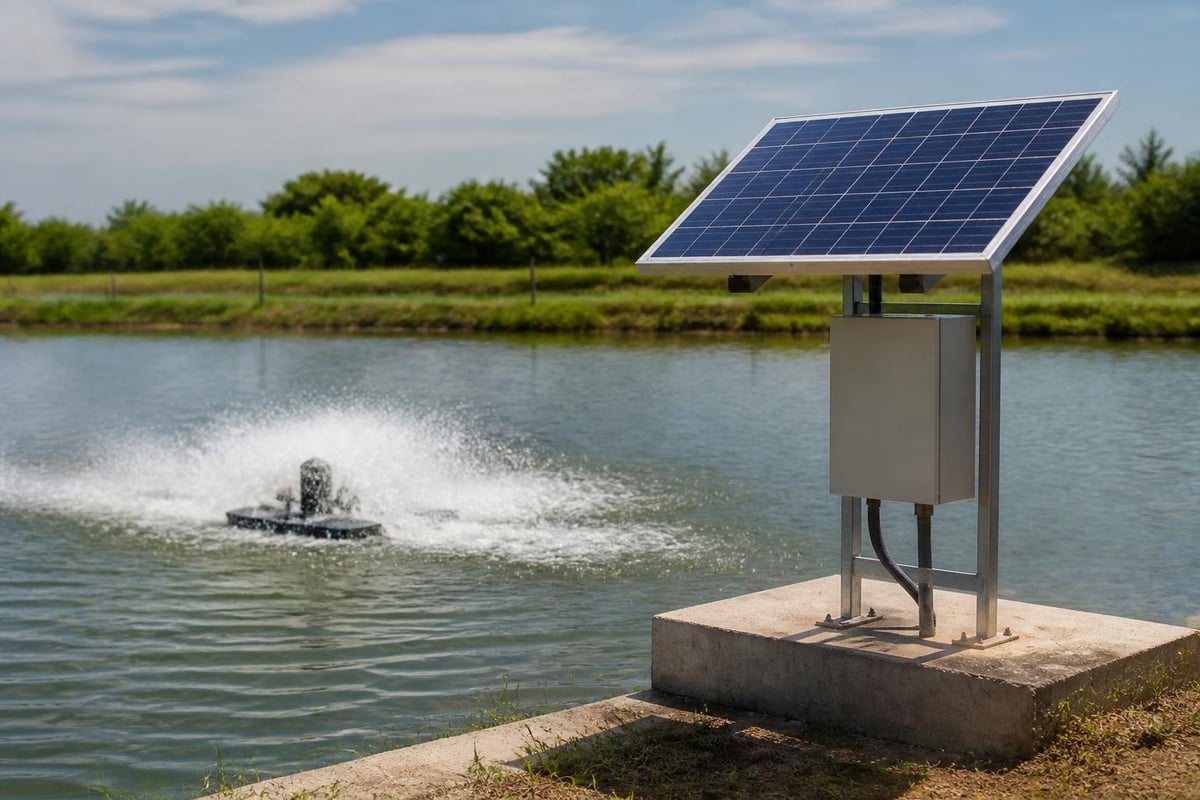
Solar-powered water aeration systems represent another growing application, particularly for aquaculture operations, decorative water features, and wastewater treatment. These systems use photovoltaic panels to power pumps that circulate and oxygenate water, improving quality whilst operating entirely off-grid.
Implementation costs for solar aeration systems start around ZAR 8,000 for small residential applications, scaling up to ZAR 150,000 or more for commercial aquaculture operations.
Financial Modelling and Return on Investment
Water solar panels require careful financial analysis to determine project viability. The dual benefits-energy savings plus water conservation or generation-create compound value streams that traditional solar installations cannot match.
For commercial projects in South Africa, key financial metrics include:
- Payback Period: Typically 5-8 years for hybrid systems, considering both energy and water cost savings
- Internal Rate of Return: 12-18% for well-designed installations
- Net Present Value: Highly positive over 25-year system lifetime
- Water Cost Avoidance: ZAR 15-35 per kilolitre depending on municipal tariffs
- Energy Cost Avoidance: ZAR 2.50-4.50 per kWh based on current Eskom tariffs and time-of-use structures
Tax incentives and depreciation allowances under Section 12B of the Income Tax Act can significantly improve project economics for commercial installations, though professional tax advice remains essential for maximising available benefits.
System Integration and Smart Control
Modern water solar panels increasingly incorporate intelligent control systems that optimise performance based on real-time conditions. These systems balance energy generation, water production, storage levels, and consumption patterns to maximise overall efficiency.
Advanced installations might include:
- Weather forecasting integration for production planning
- Automated panel cleaning systems triggered by efficiency monitoring
- Dynamic load management coordinating water pumping with solar generation peaks
- Remote monitoring accessible via mobile applications
- Predictive maintenance alerts based on performance analytics
For organisations committed to comprehensive sustainability strategies, exploring detailed renewable energy solutions helps identify the optimal combination of technologies for specific operational requirements.
Standards and Compliance Requirements
South African water solar panel installations must comply with multiple regulatory frameworks. The South African National Standards (SANS) 10252 governs solar water heating systems, whilst SANS 10142 addresses water supply installations.
Additionally, electrical components must meet SANS 10142-1 requirements, and grid-connected systems require approval from the relevant electricity distributor. Understanding these compliance requirements proves essential for avoiding costly retrofitting or enforcement actions.
Professional engineering certification through the Engineering Council of South Africa (ECSA) provides assurance that installations meet required standards whilst optimising performance and safety.
Maintenance and Long-Term Performance
Water solar panels require regular maintenance to sustain optimal performance over their 25-30 year design life. Maintenance protocols differ based on system type but generally include quarterly visual inspections, annual performance testing, and periodic component replacement.
For floating solar installations, additional considerations include anchor system integrity, flotation device condition, and underwater cable inspection. These systems face unique challenges from water level fluctuations, wave action, and biological growth.
Establishing comprehensive maintenance schedules and documenting system performance helps identify degradation patterns early, preventing minor issues from escalating into costly repairs. Many commercial installations now incorporate service level agreements that guarantee minimum performance thresholds and response times for corrective maintenance.
Water solar panels represent a transformative approach to addressing South Africa's interconnected energy and water challenges, offering solutions that deliver compound benefits across environmental, economic, and operational dimensions. Whether through atmospheric water generation, floating photovoltaic installations, or integrated hybrid systems, these technologies provide pathways to greater resource independence and sustainability. INFOLED specialises in designing and implementing comprehensive renewable energy solutions tailored to commercial, industrial, and residential requirements across Southern Africa, helping organisations reduce electricity costs, improve energy resilience, and advance ESG objectives through intelligent integration of solar, storage, and monitoring technologies.
Next Step
Need help with your energy strategy?
Speak to INFOLED about solar, storage, EV charging, service agreements or system performance.