
The residential renewable energy landscape has evolved significantly, with homeowners across Southern Africa and globally seeking alternatives to traditional grid dependency. While solar photovoltaic systems have dominated the residential market, wind power for homes represents an increasingly viable complement or alternative, particularly in regions with consistent wind resources. This technology harnesses kinetic energy from moving air to generate electricity on-site, offering potential energy independence, cost savings, and environmental benefits. Understanding the fundamentals, requirements, and practical considerations of residential wind systems enables property owners to make informed decisions about incorporating this technology into their energy strategies.
Understanding Residential Wind Energy Systems
Wind power for homes operates on the same fundamental principles as commercial-scale wind farms but at a considerably smaller scale. Small distributed wind systems typically range from 400 watts to 100 kilowatts in capacity, designed specifically for on-site consumption rather than grid export. The basic mechanism involves wind flowing over aerodynamically designed blades, creating lift that rotates a shaft connected to a generator, which then converts mechanical energy into electrical power.
Types of Residential Wind Turbines
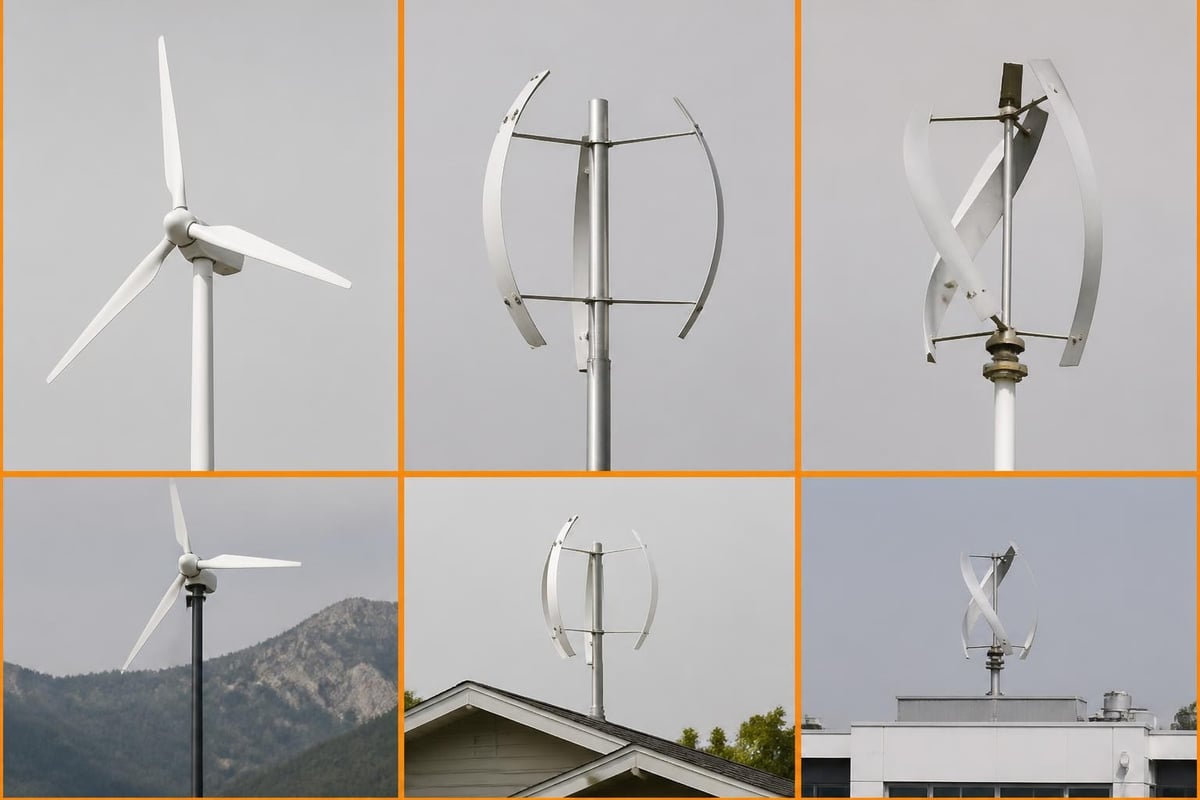
The residential wind market offers several distinct turbine configurations, each suited to different applications and site conditions:
- Horizontal-axis wind turbines (HAWT): The most common design, featuring propeller-style blades rotating around a horizontal shaft
- Vertical-axis wind turbines (VAWT): Blades rotate around a vertical shaft, offering advantages in turbulent wind conditions
- Rooftop-mounted systems: Smaller units designed for building integration, though generally less efficient
- Pole-mounted systems: Free-standing installations on towers, providing access to stronger, less turbulent winds
Performance characteristics vary significantly between these designs. Horizontal-axis turbines typically deliver higher efficiency and power output, whilst vertical-axis models offer quieter operation and better performance in variable wind directions. Most residential installations in Southern Africa favour pole-mounted horizontal-axis systems between 5 and 20 kilowatts, matching typical household consumption patterns.
Site Assessment and Wind Resource Evaluation
Successful implementation of wind power for homes depends critically on adequate wind resources. Wind energy viability requires average wind speeds of at least 4 to 5 metres per second at hub height, though economically optimal performance typically demands 5.5 metres per second or higher. Coastal regions, elevated terrain, and open agricultural areas generally provide superior wind resources compared to suburban or wooded locations.
Key Site Requirements
| Factor | Requirement | Rationale |
|---|---|---|
| Average wind speed | 5.5+ m/s | Economic viability threshold |
| Property size | 0.4+ hectares | Adequate setback from boundaries |
| Tower height | 18-40 metres | Access to laminar wind flow |
| Obstacles | 150m clearance | Minimise turbulence |
| Zoning compliance | Permits obtained | Legal operation |
Professional site assessment typically involves installing an anemometer to measure wind speeds over 6 to 12 months, providing data on wind resource consistency, seasonal variations, and prevailing directions. This empirical approach proves more reliable than historical wind maps, particularly in topographically complex regions where local conditions create significant variations within small areas.
Urban and suburban properties face additional challenges. Buildings, trees, and terrain features create turbulence that reduces efficiency and increases mechanical stress on turbines. Home wind turbine feasibility depends not only on average wind speeds but also on wind quality, with smooth, laminar flow delivering far better results than gusty, turbulent conditions.
Technical Specifications and Performance
Residential wind turbines convert between 30% and 50% of available wind energy into electricity under optimal conditions, with performance varying substantially based on wind speed. Power output increases exponentially with wind velocity, following the cubic relationship where doubling wind speed increases potential power eightfold. This mathematical relationship explains why site selection and tower height prove so critical to system performance.
Power Output Considerations
A typical 10-kilowatt residential turbine generates approximately 15,000 to 25,000 kilowatt-hours annually in good wind conditions, potentially meeting 50% to 100% of average household consumption. However, output varies considerably:
- Wind speeds below 3 m/s produce minimal power
- Optimal generation occurs between 7 and 15 m/s
- Safety mechanisms shut down turbines in winds exceeding 25 m/s
- Seasonal variations can create 200% to 300% differences between summer and winter production
Modern residential turbines incorporate sophisticated controls including pitch adjustment, yaw mechanisms, and inverters that condition power for household use or grid connection. Variable-speed generators optimise efficiency across different wind conditions, whilst automatic braking systems protect equipment during storms.
Installation Costs and Financial Analysis
Capital investment for wind power for homes represents a significant consideration, with total project costs ranging from R150,000 to R750,000 depending on turbine size, tower height, site preparation requirements, and installation complexity. Unlike solar photovoltaic systems where costs have declined dramatically, wind turbine pricing has remained relatively stable, reflecting the mechanical complexity and site-specific installation requirements.
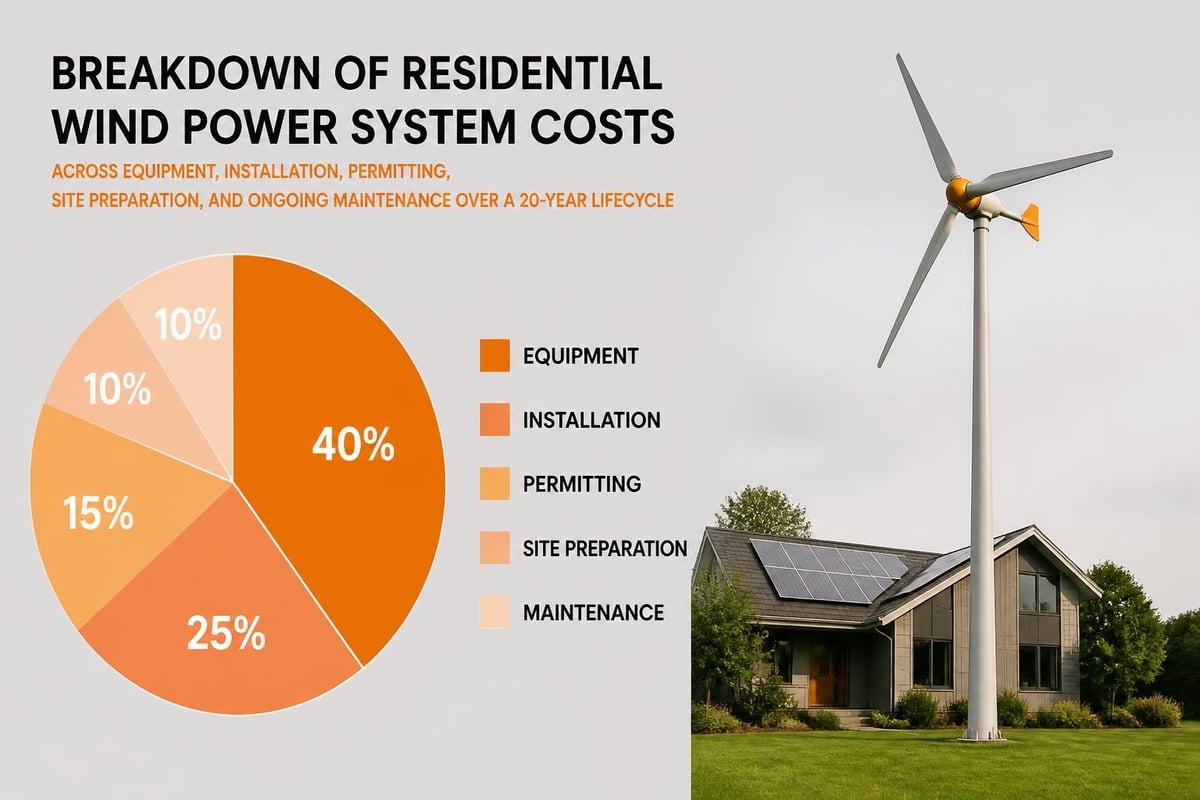
Cost Breakdown
- Equipment: 40-50% (turbine, tower, controls, inverter)
- Installation: 25-35% (foundation, tower erection, electrical connection)
- Permits and approvals: 5-10% (environmental, aviation, municipal)
- Site preparation: 10-15% (access roads, crane pads, trenching)
- Commissioning: 5-10% (testing, documentation, training)
Financial viability depends on multiple factors including wind resource quality, electricity tariff rates, available incentives, and system longevity. Wind energy economics typically show payback periods between 10 and 20 years for residential installations, compared to 5 to 8 years for commercial solar. However, exceptional wind sites with high electricity costs can achieve shorter payback periods.
Operational expenses include annual maintenance, insurance, and periodic component replacement. Well-maintained turbines operate for 20 to 25 years, though inverters typically require replacement after 10 to 15 years and gearboxes may need servicing or replacement during the system lifetime.
Regulatory Framework and Permitting
Installing wind power for homes in Southern Africa requires navigating municipal regulations, environmental approvals, and potential grid connection agreements. Unlike plug-and-play solar systems, residential wind turbines typically trigger more extensive permitting requirements due to height, noise, and visual impact considerations. Municipal bylaws commonly restrict turbine installations through height limitations, setback requirements, and noise ordinances.
Essential Approvals
- Municipal building approval: Structural calculations for tower and foundation
- Aviation authority clearance: Turbines over 45 metres above ground level
- Environmental impact assessment: Depending on size and location
- Neighbour notification: Courtesy or legal requirement varies by jurisdiction
- Grid connection approval: If connecting to utility network
- Insurance documentation: Liability coverage for third-party risks
Professional renewable energy engineering services streamline the approval process through experience with regulatory requirements, accurate technical documentation, and relationships with approval authorities. Engaging experienced consultants during project planning reduces approval delays and ensures compliance with all applicable regulations.
Noise represents a common concern in residential applications. Modern turbines operate at 35 to 50 decibels at 100 metres distance, comparable to ambient rural noise levels. However, setbacks of 150 to 300 metres from neighbouring dwellings help maintain good community relations and comply with typical noise ordinances.
Hybrid Systems and Energy Storage Integration
Wind power for homes achieves optimal performance when integrated with complementary technologies rather than operating as standalone systems. Hybrid renewable energy systems combining wind, solar photovoltaic, and battery storage deliver superior reliability and economic performance compared to single-source installations. Wind and solar generation patterns exhibit natural complementarity, with wind resources often strongest during winter months and night-time hours when solar production declines.
Integration Benefits
| Technology Combination | Primary Advantage | Typical Application |
|---|---|---|
| Wind + Solar | Seasonal and diurnal complementarity | Off-grid homes |
| Wind + BESS | Load shifting and backup power | Grid-connected resilience |
| Wind + Solar + BESS | Maximum independence | Remote properties |
| Wind + Grid | Reduced consumption | Cost optimisation |
Battery energy storage systems (BESS) prove particularly valuable in wind installations, storing excess generation during high-wind periods for consumption during calm conditions. Modern lithium-ion batteries offer 10 to 15 year lifespans with 80% to 90% round-trip efficiency, making them economically viable for residential energy storage applications.
Distributed wind systems connected to the grid benefit from net metering or feed-in tariff programmes where available, exporting excess generation for credit against future consumption. However, such programmes have become less common or financially attractive in many jurisdictions, increasing the relative value of on-site storage and consumption optimisation.
Maintenance Requirements and Operational Considerations
Unlike solar systems with minimal moving parts, wind power for homes demands regular maintenance to ensure safe, efficient operation. Scheduled inspections, lubrication, bolt tensioning, and component monitoring prevent failures and extend system lifespan. Wind energy systems typically require professional maintenance annually or semi-annually, with costs ranging from R5,000 to R15,000 depending on turbine size and accessibility.
Maintenance Schedule
- Monthly: Visual inspection for damage, unusual sounds, or vibration
- Quarterly: Guy wire tension verification (if applicable)
- Annually: Professional inspection, lubrication, electrical testing
- Every 3-5 years: Blade inspection, bolt re-tensioning, brake system service
- Every 10 years: Gearbox service, major component evaluation
Remote monitoring systems increasingly enable real-time performance tracking, alerting owners to anomalies that may indicate developing problems. These systems track generation output, vibration levels, wind speed correlation, and component temperatures, facilitating predictive maintenance that reduces downtime and extends equipment life.
Lightning protection requires particular attention in elevated installations. Proper grounding, surge protection, and blade lightning conductors protect against direct strikes, which represent a significant risk to turbines on tall towers in exposed locations.
Environmental Impact and Sustainability Considerations
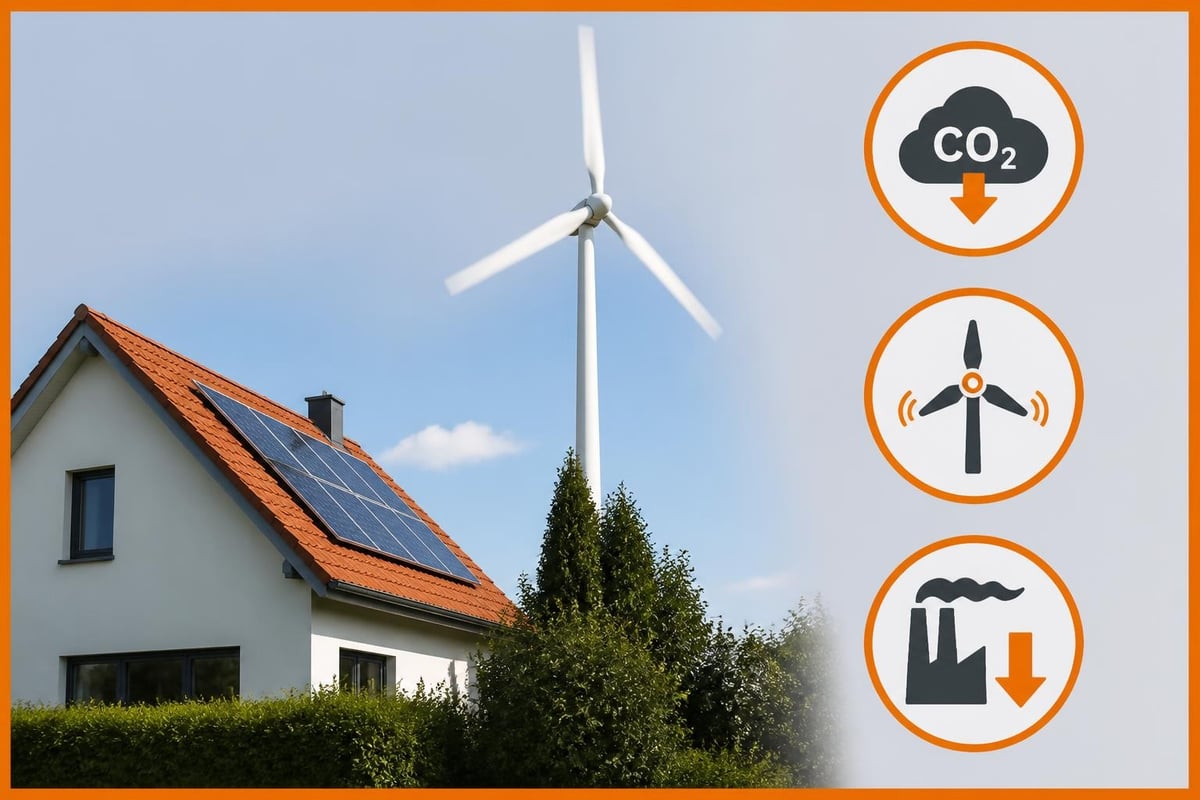
Wind power for homes contributes to environmental sustainability through greenhouse gas emission reductions, fossil fuel displacement, and renewable energy generation. A typical 10-kilowatt residential turbine prevents approximately 10 to 15 tonnes of carbon dioxide emissions annually compared to grid electricity from coal-fired generation, accumulating to 200 to 300 tonnes over a 20-year operational life.
Environmental concerns include bird and bat mortality, though residential-scale turbines pose significantly less risk than large wind farms. Wind turbine selection should consider local wildlife populations, migration patterns, and habitat sensitivity. Slower-rotating turbines with larger swept areas generally present lower risks than high-speed designs.
Visual impact generates mixed community responses, with some viewing turbines as symbols of environmental stewardship whilst others consider them aesthetic detractors. Tower height minimisation, appropriate colour selection, and strategic placement relative to sight lines help mitigate visual concerns whilst maintaining generation efficiency.
Lifecycle environmental analysis demonstrates that wind turbines generate substantially more energy during their operational life than required for manufacturing, installation, and decommissioning. Energy payback periods typically range from 6 to 18 months, with the remaining operational life representing net positive energy generation.
Comparing Wind and Solar for Residential Applications
Property owners evaluating renewable energy options frequently compare wind power for homes against solar photovoltaic systems. Both technologies offer emission-free generation, operational cost savings, and energy independence, yet significant differences affect suitability for specific applications. Solar systems generally provide lower capital costs, simpler installation, minimal maintenance, and broader applicability across diverse property types.
Technology Comparison
Wind power demonstrates advantages in specific contexts:
- High wind resource sites: Coastal properties, elevated terrain, open agricultural land
- Winter-peaking consumption: Space heating loads aligned with wind resource patterns
- Limited roof area: Properties with shade, unsuitable roof orientation, or structural limitations
- Land availability: Large properties where ground-mounted turbines are feasible
Solar photovoltaic systems prove superior in most suburban residential applications due to predictable generation patterns, aesthetic acceptance, minimal noise, and simplified permitting. However, optimal renewable energy strategies often incorporate both technologies, leveraging their complementary generation profiles to maximise annual energy production and reduce storage requirements.
Wind turbine considerations for homes should include neighbourhood context, as turbines that function well in rural settings may generate complaints in closer-spaced suburban developments. Social acceptance frequently determines project viability as much as technical or financial factors.
Future Developments in Residential Wind Technology
Innovation continues advancing wind power for homes through improved materials, smarter controls, and novel designs optimised for residential applications. Bladeless wind generators using oscillation rather than rotation promise quieter operation and reduced wildlife impact, though current prototypes demonstrate lower efficiency than conventional designs. Advanced composite materials reduce weight whilst improving strength, enabling larger swept areas on lighter towers.
Artificial intelligence and machine learning optimise turbine performance through predictive pitch adjustment, yaw control, and maintenance scheduling based on operational data analysis. These systems learn site-specific wind patterns, adjusting operation to maximise generation whilst minimising mechanical stress and noise.
Vertical-axis turbine designs continue evolving with improved aerodynamics and generator efficiency, potentially offering advantages for urban and suburban installations where aesthetics, noise, and turbulence tolerance matter more than maximum power output. Building-integrated wind systems remain developmental, with most current products demonstrating insufficient performance to justify their costs.
The residential wind market faces challenges from declining solar costs, improved battery storage economics, and utility-scale renewable energy development. However, niche applications including remote properties, exceptional wind sites, and hybrid system designs ensure continued relevance for wind power as part of comprehensive residential energy solutions.
Wind power for homes offers viable energy generation for properties with adequate wind resources, appropriate land area, and supportive regulatory environments, though careful site assessment and realistic performance expectations prove essential for successful implementation. The technology works best as part of integrated renewable energy strategies combining solar, storage, and intelligent energy management. Whether you're exploring wind power alone or as part of a comprehensive renewable energy solution, INFOLED brings engineering expertise, project management capability, and technology integration experience to design, install, and maintain intelligent energy systems that reduce costs, improve resilience, and support sustainability objectives across Southern Africa.
Next Step
Need help with your energy strategy?
Speak to INFOLED about solar, storage, EV charging, service agreements or system performance.