
The transition to renewable energy infrastructure is reshaping how businesses and communities generate electricity across South Africa. A green power plant represents more than just an alternative energy source; it embodies a comprehensive approach to sustainable electricity generation that reduces carbon emissions, lowers operational costs, and enhances energy independence. As load shedding challenges persist and electricity tariffs continue to climb, understanding the technology, benefits, and implementation of green power plant systems has become essential for commercial, industrial, and residential decision-makers throughout the region.
Understanding Green Power Plant Infrastructure
A green power plant harnesses renewable energy sources to generate electricity with minimal environmental impact. Unlike traditional fossil-fuel facilities that burn coal or gas, these installations rely on solar photovoltaic arrays, wind turbines, hydroelectric systems, geothermal wells, or biomass conversion technologies. The U.S. Environmental Protection Agency's Green Power Partnership defines green power as electricity produced from renewable resources that provide superior environmental benefits compared to conventional generation.
In the South African context, solar photovoltaic technology dominates the green power plant landscape due to the country's exceptional solar irradiation levels. The Northern Cape, Free State, and North West provinces receive some of the world's highest solar radiation, making these regions ideal for utility-scale and distributed generation projects. This natural advantage has accelerated deployment across commercial and industrial sectors seeking to hedge against grid unreliability.
Key Technologies Powering Green Facilities
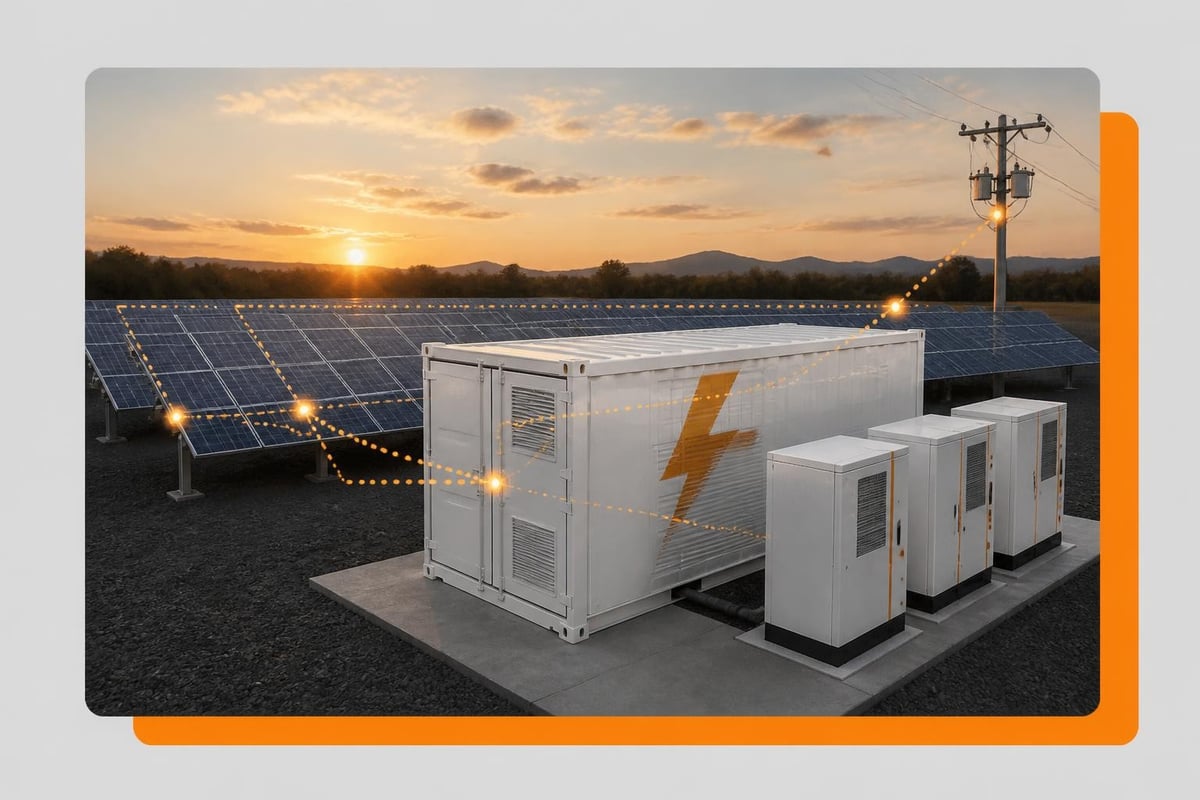
Modern green power plant installations typically integrate multiple technologies to optimize performance and reliability. Solar PV systems convert sunlight directly into electricity through semiconductor materials, whilst battery energy storage systems (BESS) capture excess generation for use during evening peaks or grid outages. This hybrid configuration addresses the intermittent nature of renewable resources and provides 24-hour power availability.
According to Lawrence Berkeley National Laboratory's 2025 hybrid power plants analysis, the combination of solar generation with battery storage has become the dominant architecture for new renewable installations globally. These systems deliver superior economics compared to standalone technologies whilst providing grid services that enhance overall system stability.
Geothermal and Alternative Green Technologies
Beyond solar dominance, geothermal energy presents untapped potential for South African green power plant development. The U.S. Geological Survey's enhanced geothermal systems research demonstrates how advanced drilling and heat extraction technologies can unlock baseload renewable generation in regions with suitable geological characteristics. Whilst still emerging in Southern Africa, provinces with volcanic history or hot springs may offer future opportunities for geothermal exploration.
Wind energy constitutes another significant component of the green power plant portfolio, particularly along the Eastern and Western Cape coastlines where consistent wind patterns support reliable generation. Commercial wind farms in these regions contribute substantially to the national grid whilst smaller distributed wind systems serve agricultural operations and remote facilities.
Economic Benefits of Green Power Plant Implementation
The financial case for green power plant investment has strengthened considerably as technology costs have declined and electricity tariffs have risen. Solar PV module prices have fallen approximately 90% since 2010, whilst battery storage costs have decreased by more than 80% over the same period. These reductions have fundamentally altered the return-on-investment calculations for commercial and industrial energy users.
For businesses consuming electricity during peak demand periods, a green power plant installation delivers immediate cost savings through time-of-use tariff optimization. Eskom's Megaflex tariff structure imposes premium charges during morning and evening peaks, precisely when solar-plus-storage systems can displace the most expensive grid consumption. This arbitrage opportunity creates payback periods often shorter than five years for well-designed systems.
Financing and Ownership Models
Multiple pathways exist for organizations to implement green power plant infrastructure without upfront capital expenditure. Power purchase agreements (PPAs) enable businesses to host renewable installations owned by third-party developers, purchasing the generated electricity at fixed rates below Eskom tariffs. This model transfers technical and performance risk whilst preserving balance sheet capacity for core operations.
Alternative structures include operating leases, vendor financing, and municipal renewable energy programs that facilitate green power plant adoption across various organizational profiles. The key advantage lies in converting variable electricity expenses into predictable fixed costs, dramatically improving budget certainty and financial planning accuracy.
| Financing Model | Upfront Cost | Risk Profile | Typical Term | Best For |
|---|---|---|---|---|
| Cash Purchase | High | Owner bears all | 25+ years asset life | Strong balance sheet |
| Power Purchase Agreement | None | Developer bears | 10-20 years | Preserving capital |
| Operating Lease | Low | Shared | 5-10 years | Tax efficiency |
| Debt Financing | Medium | Owner bears | 5-7 years | Leveraging assets |
Technical Design Considerations for Green Installations
Proper green power plant design requires comprehensive analysis of energy consumption patterns, available space, grid connection parameters, and regulatory requirements. Load profiling identifies when electricity demand occurs throughout the day, informing optimal system sizing and storage capacity specifications. Facilities with high daytime consumption align naturally with solar generation, whilst operations running evening or night shifts require proportionally larger battery systems.
Structural assessments verify that rooftops can support solar panel arrays, taking into account wind loading, waterproofing, and accessibility for maintenance. Ground-mounted systems offer greater flexibility for large installations but consume valuable land that might otherwise serve operational purposes. Carport solar structures increasingly provide dual functionality, generating electricity whilst protecting vehicles from weather exposure.
Integration with Existing Infrastructure
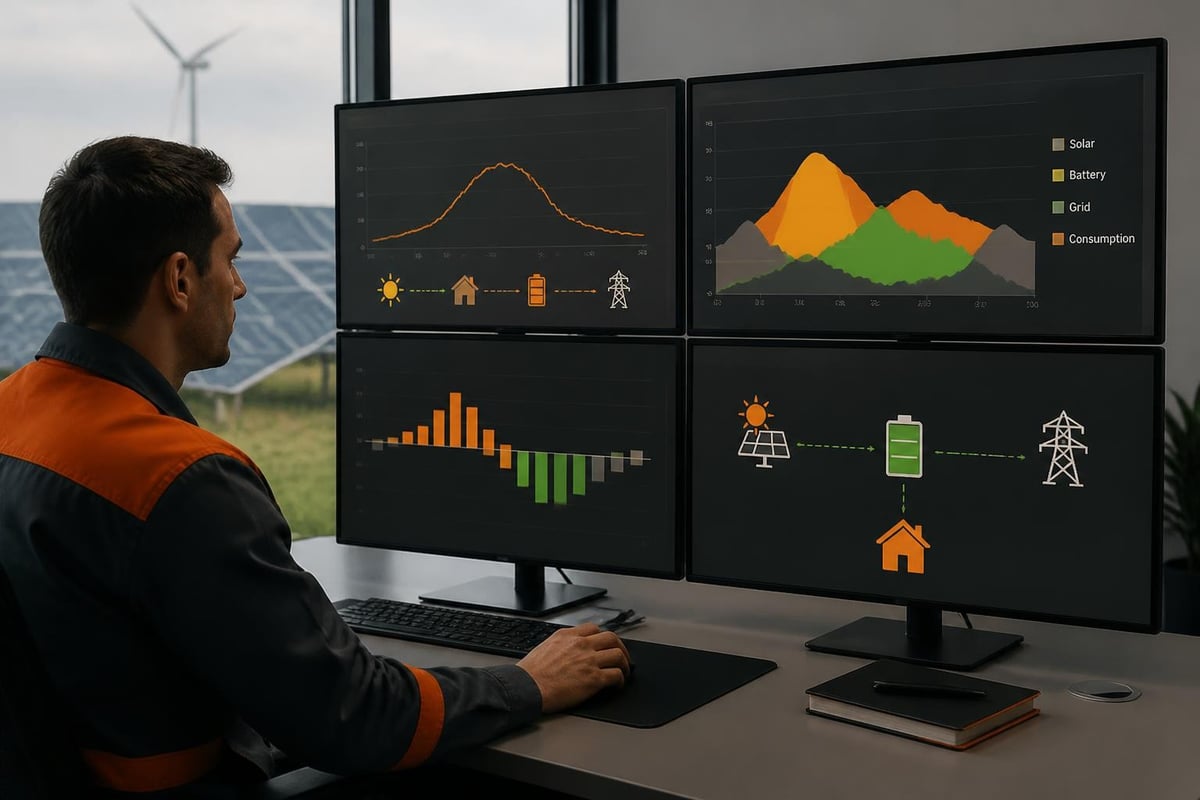
A critical advantage of distributed green power plant systems lies in their ability to integrate with existing electrical infrastructure. Modern hybrid inverters manage power flow between solar arrays, battery storage, grid connection, and facility loads seamlessly. This orchestration ensures optimal use of generated electricity, minimizes grid consumption during expensive periods, and provides backup power during outages.
Smart metering and monitoring platforms deliver real-time visibility into system performance, energy consumption, and financial savings. These analytics inform operational decisions, identify efficiency opportunities, and validate return-on-investment projections. For businesses with multiple locations, centralized dashboards aggregate data across the entire property portfolio, enabling comparative analysis and best-practice sharing.
Environmental and ESG Impact of Green Power Plants
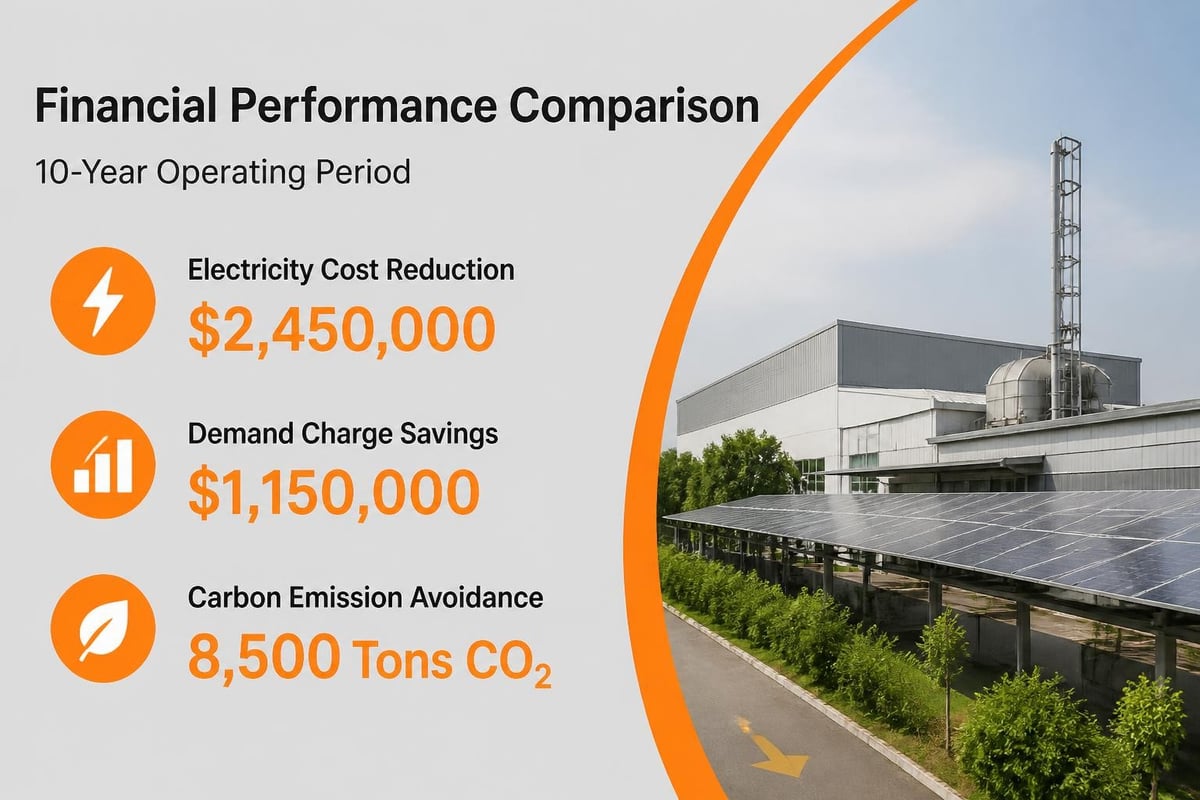
Beyond economic returns, green power plant implementation delivers measurable environmental benefits that support corporate sustainability commitments and regulatory compliance. Each megawatt-hour of solar electricity displaces approximately 0.95 tonnes of CO₂ emissions compared to Eskom's coal-dominated grid, based on the utility's published emission factors. For large energy consumers, this translates to thousands of tonnes of annual carbon reduction.
The IEA's upstream life-cycle emission factors documentation provides methodologies for calculating complete environmental footprints, including manufacturing, transport, installation, and end-of-life impacts. Whilst renewable technologies do carry embodied emissions, their operational carbon intensity remains orders of magnitude lower than fossil-fuel alternatives over typical 25-year service lives.
Supporting Net Zero Strategies
Organizations pursuing Net Zero carbon targets find green power plant infrastructure essential for Scope 2 emissions reduction. Direct consumption of on-site renewable electricity offers the most credible decarbonization pathway, superior to purchasing renewable energy certificates or offsets that lack additionality. This authenticity increasingly matters for ESG reporting, sustainable finance applications, and stakeholder communications.
Companies implementing renewable energy sustainability programs combine generation infrastructure with comprehensive carbon accounting, environmental compliance tracking, and circular economy practices. Solar panel and battery recycling ensures responsible end-of-life management, closing the loop on material flows and minimizing landfill impact.
Operational Performance and Maintenance Requirements
Green power plant systems require significantly less maintenance than conventional generation technologies due to the absence of combustion processes, moving parts (in solar installations), and consumable inputs. Solar photovoltaic arrays typically need only periodic cleaning to remove dust accumulation and annual inspections to verify electrical connections and mounting integrity. Battery systems require monitoring of charge cycles and temperature management but involve minimal physical intervention.
Performance degradation occurs gradually over decades rather than abruptly, with quality solar modules retaining approximately 85-90% of original output after 25 years. This predictable decline allows accurate long-term financial modeling and enables proactive replacement planning. Battery technologies exhibit more variable degradation patterns depending on cycling depth, temperature exposure, and charge management protocols.
Monitoring and Optimization
Advanced monitoring platforms track dozens of performance parameters in real-time, alerting operators to potential issues before they impact generation or safety. String-level monitoring identifies underperforming solar circuits, whilst battery management systems detect cell imbalances or thermal anomalies. This granular visibility maximizes uptime and extends asset lifespan through prompt corrective action.
For organizations lacking in-house technical expertise, comprehensive operations and maintenance agreements transfer responsibility to specialized providers who guarantee performance thresholds and response times. These arrangements typically include preventative maintenance schedules, remote monitoring, and performance reporting that satisfies both operational needs and financial due diligence requirements.
Regulatory Framework and Grid Connection
South Africa's regulatory environment for green power plant development has evolved significantly following amendments to the Electricity Regulation Act. The threshold for unlicensed generation increased to 100 MW in 2024, enabling large commercial and industrial facilities to develop substantial on-site renewable capacity without complex licensing processes. This deregulation has accelerated project pipelines across mining, manufacturing, and agricultural sectors.
Grid connection requirements vary based on installation size and configuration. Systems designed for self-consumption with grid backup typically require only municipal approval and utility notification, whilst installations intended to export excess generation face more stringent technical and contractual requirements. Embedded generation agreements formalize the relationship between facility owners and distribution utilities, specifying interconnection standards and metering protocols.
Standards and Compliance
All green power plant installations must comply with SANS 10142-1 (wiring regulations) and NRS 097-2-3 (grid connection standards) to ensure safety and power quality. Professional electrical engineers oversee system design, whilst accredited inspectors verify compliance before energization. This regulatory oversight protects both facility operators and the broader electrical network from safety hazards and quality degradation.
Businesses must also navigate municipal by-laws, building regulations, and environmental impact assessment requirements depending on project scale and location. Early engagement with relevant authorities streamlines approval processes and prevents costly delays or design modifications late in project timelines.
Case Studies: Green Power Plant Success in Southern Africa
Commercial property portfolios across South Africa have embraced green power plant technology to reduce operating costs and enhance tenant value propositions. Shopping centers in Gauteng and KwaZulu-Natal have installed multi-megawatt solar-plus-storage systems that slash electricity bills whilst providing uninterrupted power during load shedding events. These installations typically achieve payback within four to six years whilst delivering 20-year savings exceeding R50 million.
Industrial manufacturers face particularly acute electricity cost pressures due to energy-intensive processes and demand charge structures. A green power plant implementation at a large automotive component supplier in the Eastern Cape reduced annual electricity costs by 42% through strategic load shifting and peak demand management. The hybrid system combines 3 MW of rooftop solar with 2.5 MWh of battery storage, eliminating exposure to Eskom's highest tariff periods.
Agricultural operations have deployed distributed green power plant systems to power irrigation, cold storage, and processing facilities in remote locations. These installations reduce reliance on unreliable grid connections whilst lowering operating costs that directly impact product competitiveness. The combination of solar generation and battery backup ensures critical operations continue during both load shedding and rural grid outages.
Future Trends in Green Power Plant Technology
Emerging technologies promise to enhance green power plant performance and economics in coming years. Bifacial solar modules capture reflected light from ground surfaces, increasing generation by 10-20% compared to conventional panels. Perovskite solar cells under development may achieve higher conversion efficiencies at lower manufacturing costs, though commercial availability remains several years distant.
Battery chemistry evolution continues rapidly, with lithium iron phosphate (LFP) technologies gaining market share due to superior safety characteristics and longer cycle life compared to earlier lithium-ion formulations. Sodium-ion batteries may offer cost advantages for large-scale stationary storage applications, though energy density limitations restrict their suitability for space-constrained installations.
Virtual Power Plants and Grid Services
Green power plant systems increasingly participate in virtual power plant (VPP) aggregations that coordinate distributed resources to provide grid services. By responding to price signals or utility requests, batteries can discharge during system peaks, earning revenue whilst supporting grid stability. This additional income stream enhances project economics and accelerates renewable energy adoption across the commercial sector.
Artificial intelligence and machine learning algorithms optimize green power plant operations by predicting weather patterns, anticipating consumption fluctuations, and automating dispatch decisions. These capabilities maximize self-consumption, minimize grid interaction costs, and extend battery lifespan through intelligent charge management.
Integration Strategies for Comprehensive Energy Solutions
Organizations pursuing maximum benefit from green power plant investments adopt holistic energy strategies that extend beyond generation infrastructure. Businesses exploring commercial solar PV design options often combine renewable installation with energy efficiency upgrades, demand management programs, and power quality improvements that compound savings and resilience benefits.
Electric vehicle charging infrastructure presents a particularly synergistic pairing with green power plant systems. Solar carports simultaneously generate electricity, protect vehicles, and support fleet electrification programs. Intelligent charging management ensures EV power demand aligns with solar generation periods, maximizing renewable utilization whilst avoiding expensive grid consumption.
The convergence of generation, storage, electric vehicle charging, and smart metering creates an integrated energy ecosystem that transforms facilities from passive electricity consumers into active energy managers. This evolution positions organizations to capitalize on future opportunities in demand response, peer-to-peer energy trading, and ancillary grid services that reward flexibility and distributed resources.
Implementation Roadmap for Green Power Plant Projects
Successful green power plant deployment follows a structured process beginning with feasibility assessment and concluding with ongoing performance optimization. Initial energy audits quantify current consumption patterns, identify inefficiencies, and establish baseline costs for comparison purposes. Load studies capture granular demand data that informs system sizing and configuration decisions.
Financial modeling evaluates multiple scenarios encompassing different technologies, capacities, and financing structures. Sensitivity analysis tests assumptions regarding electricity price escalation, equipment costs, and performance degradation to ensure robust returns across plausible futures. This due diligence supports informed decision-making and secures stakeholder buy-in for capital allocation.
Procurement and Construction
Following project approval, procurement processes solicit competitive quotations from qualified engineering and installation firms. Evaluation criteria should balance price competitiveness with technical capability, financial stability, and track record. Reference checks with previous clients reveal valuable insights regarding execution quality, schedule adherence, and post-installation support.
Construction timelines typically span three to six months for commercial-scale installations, depending on complexity and site conditions. Experienced project managers coordinate electrical, structural, and civil works whilst maintaining communication with facility operations to minimize business disruption. Commissioning procedures verify all systems function correctly before final handover and warranty commencement.
Green power plant infrastructure delivers compelling financial returns, environmental benefits, and energy resilience for South African businesses navigating challenging electricity markets. Organizations ready to reduce costs, enhance sustainability credentials, and secure reliable power supply can benefit from expert guidance throughout the feasibility, design, and implementation process. INFOLED specializes in engineering intelligent renewable energy solutions including solar PV, battery storage, and integrated energy management systems tailored to commercial, industrial, and residential requirements across Southern Africa.
Next Step
Need help with your energy strategy?
Speak to INFOLED about solar, storage, EV charging, service agreements or system performance.