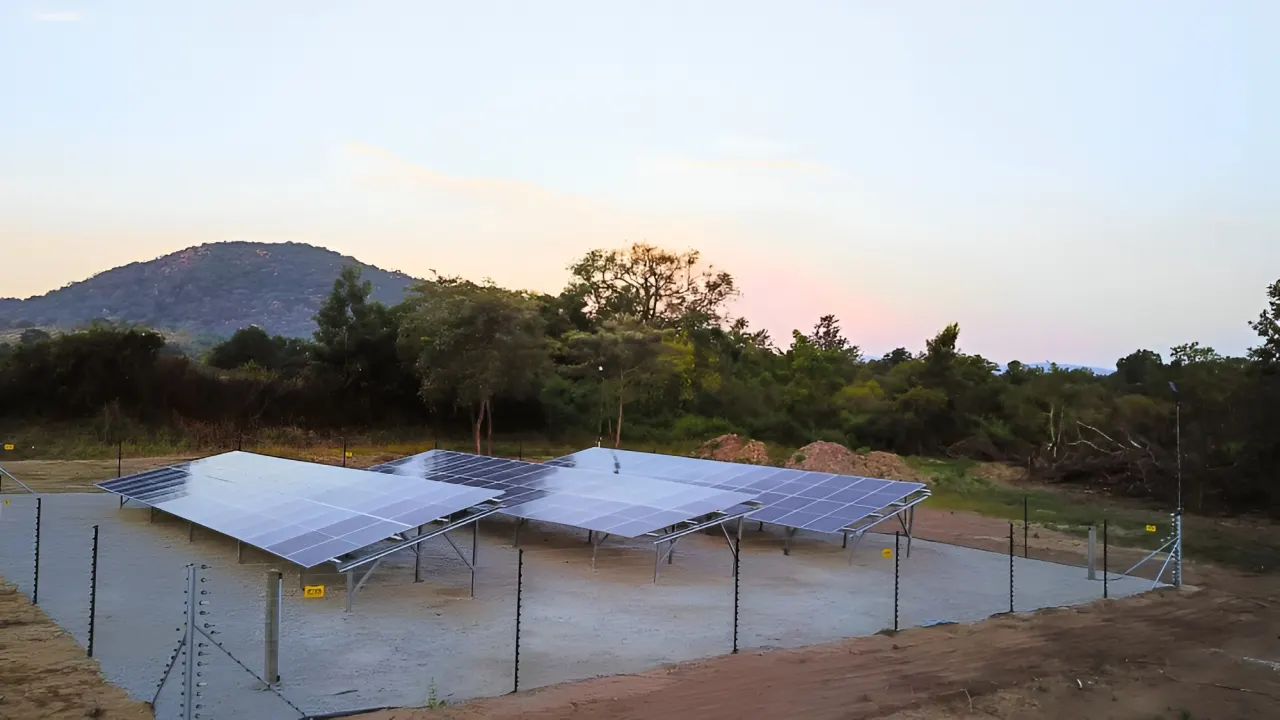
The transition to renewable energy has accelerated dramatically across South Africa, with solar photovoltaic systems leading the charge. As electricity costs continue to rise and grid reliability challenges persist, businesses and homeowners are increasingly turning to systems powered by solar to secure their energy future. This shift represents more than just a response to load shedding; it's a fundamental transformation in how we generate, consume, and manage electrical power across Southern Africa.
Understanding Solar-Powered Systems in the South African Context
Systems powered by solar have evolved considerably beyond simple panel installations. Modern solar infrastructure encompasses sophisticated engineering, intelligent monitoring, and seamless integration with existing electrical networks. The technology harnesses photons from sunlight through photovoltaic cells, converting them directly into electricity without combustion, emissions, or moving parts.
The Technology Behind Solar Power
Solar panels contain multiple photovoltaic cells manufactured from semiconductor materials, typically silicon. When sunlight strikes these cells, electrons become excited and flow through the material, creating direct current (DC) electricity. Inverters then convert this DC power into alternating current (AC), which matches the standard 230V supply used throughout South Africa.
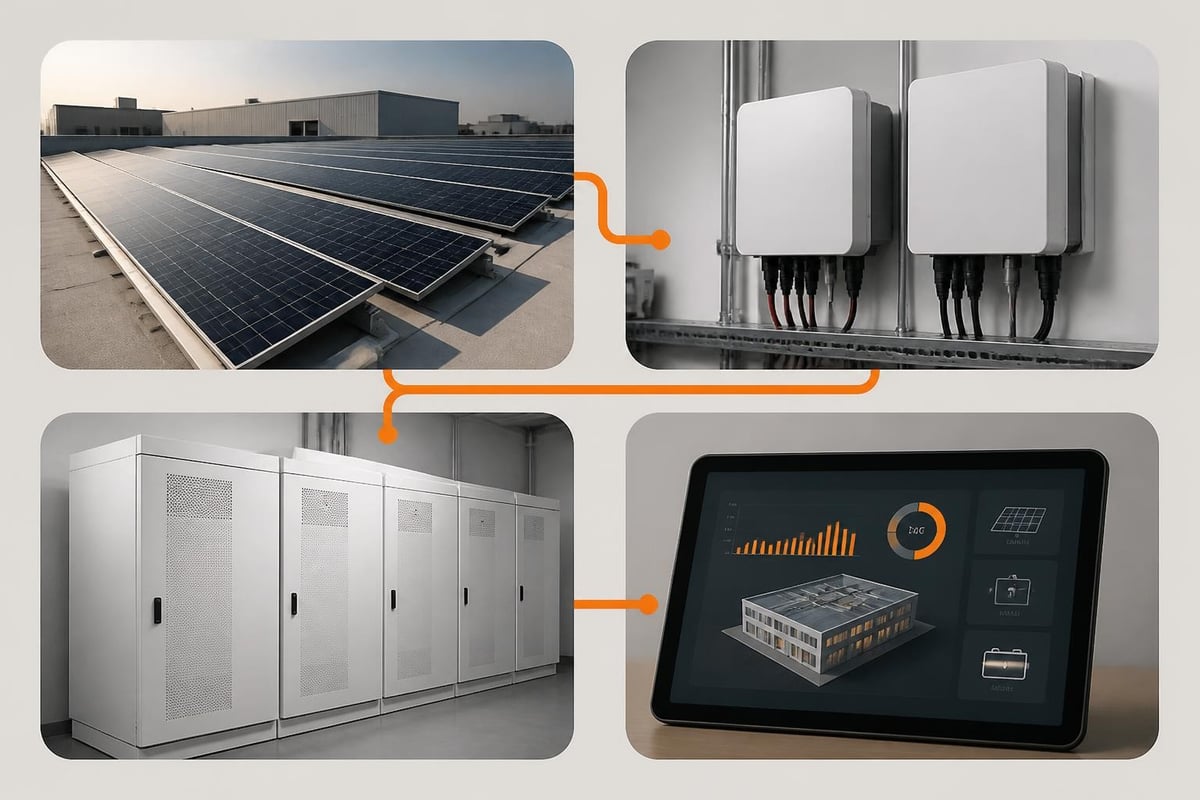
Key components of a solar-powered system include:
- Photovoltaic modules (panels) rated by wattage capacity
- Inverters (string, micro, or hybrid configurations)
- Mounting structures engineered for local wind loads
- Monitoring equipment for performance tracking
- Protection devices and switchgear
- Optional battery storage for energy independence
The efficiency of solar panels has improved markedly in recent years. Modern monocrystalline modules achieve conversion efficiencies exceeding 20%, meaning more electricity generation per square metre. This advancement proves particularly valuable in urban environments where roof space constraints limit installation capacity.
Economic Benefits of Solar-Powered Infrastructure
The financial case for systems powered by solar has strengthened considerably as technology costs have declined. According to Lazard's Levelized Cost of Energy+ analysis, solar photovoltaic systems now represent one of the most cost-competitive electricity sources available globally, with costs continuing to trend downward.
Calculating Return on Investment
Solar installations in South Africa typically achieve payback periods between four and seven years, depending on system size, electricity consumption patterns, and local tariff structures. Commercial and industrial clients often see faster returns due to higher daytime consumption profiles that align perfectly with solar generation curves.
| System Size | Typical Cost (ZAR) | Annual Savings | Payback Period |
|---|---|---|---|
| 5 kW Residential | R85,000 - R120,000 | R18,000 - R25,000 | 4-6 years |
| 50 kW Commercial | R650,000 - R850,000 | R180,000 - R240,000 | 3-5 years |
| 500 kW Industrial | R5,500,000 - R7,200,000 | R1,800,000 - R2,400,000 | 3-4 years |
Beyond direct electricity cost savings, systems powered by solar provide protection against future tariff increases. Eskom's historical price escalations averaging 8-12% annually mean that solar investments become increasingly valuable over time, delivering predictable energy costs for 25 years or more.
Financing Options and Incentives
Multiple financing structures make solar accessible to organisations of all sizes. Power Purchase Agreements (PPAs) allow clients to install solar infrastructure with zero capital outlay, paying only for electricity generated at rates below municipal tariffs. This model transfers performance risk to the provider whilst delivering immediate savings.
Section 12B of the Income Tax Act permits businesses to claim accelerated depreciation on renewable energy assets, allowing 50% in year one, 30% in year two, and 20% in year three. This tax benefit significantly enhances internal rates of return for corporate solar investments.
Grid Integration and Hybrid Systems
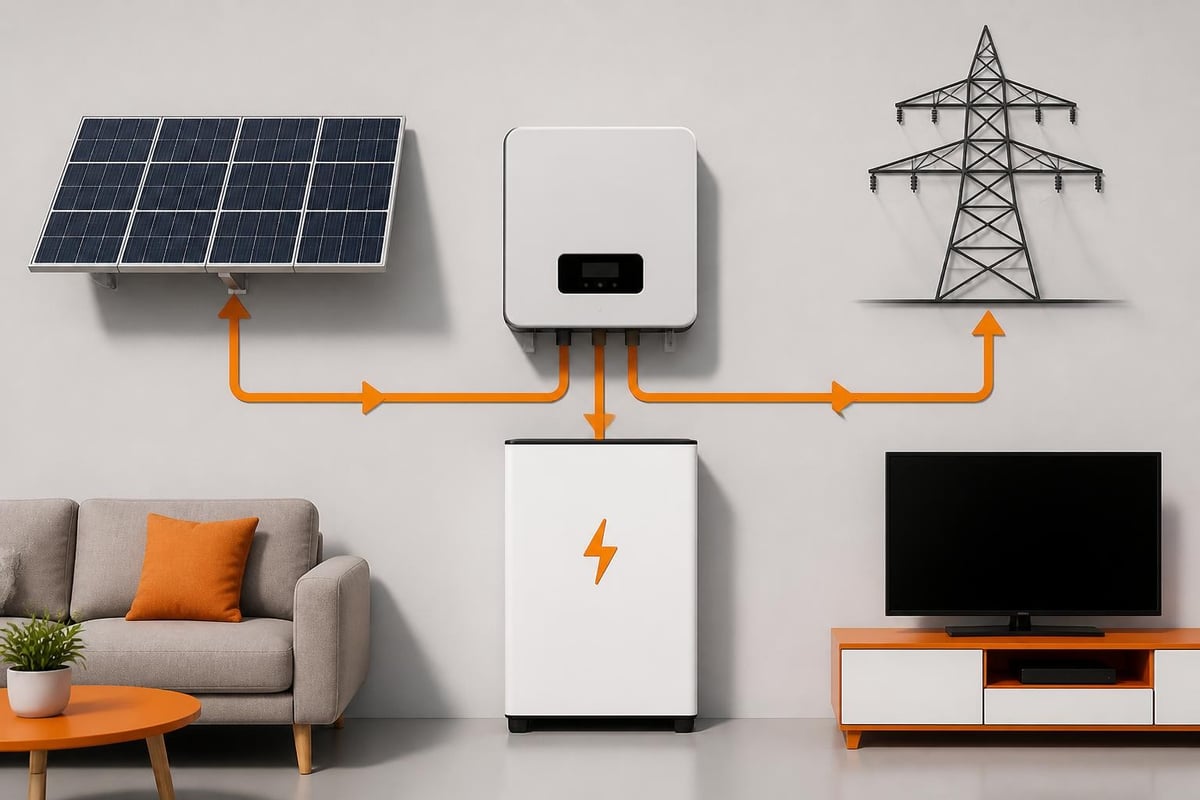
Modern installations powered by solar integrate seamlessly with existing electrical infrastructure. Grid-tied systems feed excess generation back to the network during peak production periods, whilst hybrid configurations combine solar panels with battery storage to maximise self-consumption and provide backup power during outages.
Managing Solar Variability
Cloud cover creates natural fluctuations in solar output. Advanced inverter technology responds instantaneously to these variations, maintaining stable voltage and frequency. When connected to the grid, any shortfall in solar production draws seamlessly from municipal supply, ensuring uninterrupted power delivery.
Smart energy management systems optimise performance through:
- Real-time monitoring of generation and consumption
- Load prioritisation during battery discharge
- Grid export control to comply with municipal regulations
- Automated switching between solar, battery, and grid sources
- Performance analytics identifying optimisation opportunities
For organisations seeking comprehensive visibility, Energy Management platforms provide granular insights into consumption patterns, enabling informed decisions about load scheduling and future capacity expansion.
Commercial and Industrial Applications
Large-scale systems powered by solar deliver transformative benefits for commercial and industrial operations. Manufacturing facilities, shopping centres, office parks, and agricultural operations increasingly rely on solar to reduce operating costs and improve energy security.
Sector-Specific Implementations
Manufacturing operations benefit particularly from solar installations due to their substantial daytime electricity demand. Processes that previously depended entirely on expensive grid power now operate predominantly on solar generation, with some facilities achieving 70-80% solar penetration during daylight hours.
Agricultural applications range from irrigation pumping to cold storage facilities. Farms powered by solar reduce diesel dependency whilst contributing to sustainable farming practices increasingly demanded by export markets and certification bodies.
The hospitality sector has embraced solar technology to enhance guest experience through uninterrupted power whilst demonstrating environmental commitment. Hotels and lodges throughout South Africa now feature rooftop and ground-mounted arrays, often coupled with battery storage to ensure 24-hour reliability.
Utility-Scale Solar Development
Beyond rooftop installations, utility-scale solar farms generate hundreds of megawatts, feeding directly into transmission networks. The Lawrence Berkeley National Laboratory's utility-scale solar analysis documents the rapid expansion and improving economics of these massive installations globally.
South Africa's Renewable Energy Independent Power Producer Procurement Programme (REIPPPP) has facilitated over 7 GW of solar capacity, with projects spanning the Northern Cape, Free State, and North West provinces. These facilities powered by solar contribute significantly to national generation capacity, reducing reliance on coal-fired stations.
Corporate Power Purchase Agreements
Wheeling arrangements now enable businesses to procure electricity directly from remote solar farms through the existing grid infrastructure. This model suits organisations without suitable rooftop space or those seeking larger capacities than on-site installation permits. Corporate PPAs provide long-term price certainty whilst supporting broader renewable energy deployment.
Battery Storage Integration
Systems powered by solar achieve maximum value when paired with battery energy storage. Batteries capture excess daytime generation for use during evening peak periods or grid outages, dramatically increasing self-consumption ratios from typical 30-40% to 80-90% or higher.
Modern lithium-ion battery systems deliver thousands of charge-discharge cycles with minimal degradation. Proper sizing ensures batteries fully cycle daily, maximising throughput and accelerating payback. For South African applications, storage capacity typically ranges from two to four hours of average consumption, balancing cost against backup duration requirements.
According to recent academic research on energy storage systems, battery integration addresses critical grid stability challenges whilst enabling higher renewable penetration percentages. As storage costs decline, hybrid solar-plus-storage systems increasingly compete directly with conventional generation on economic merit alone.
Environmental Impact and Sustainability
Facilities powered by solar eliminate Scope 2 carbon emissions from purchased electricity, advancing corporate sustainability objectives and Net Zero commitments. A typical 100 kW commercial solar installation offsets approximately 150 tonnes of CO₂ annually, equivalent to removing 30 petrol vehicles from roads.
Lifecycle Considerations
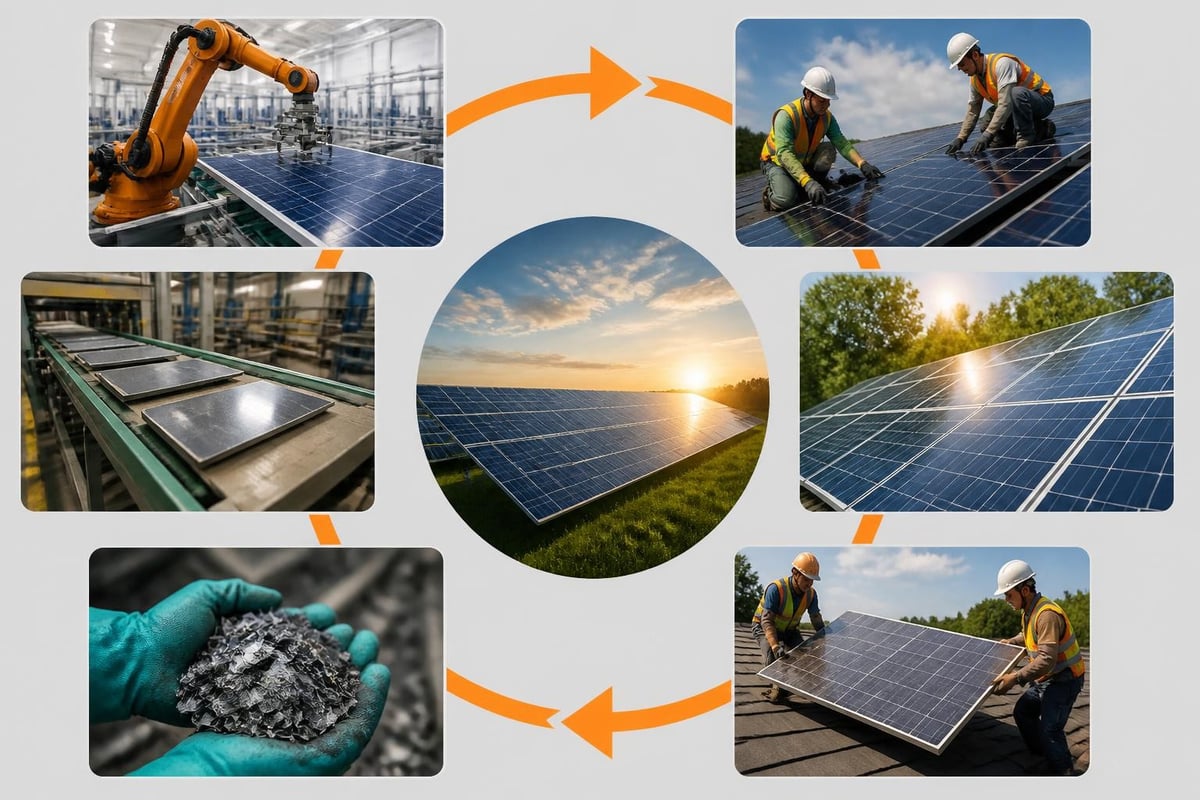
Modern solar panels carry 25-year performance warranties, with many installations continuing productive operation for 30-35 years. At end-of-life, responsible decommissioning and recycling prevents waste whilst recovering valuable materials. The IEA-PVPS Task 12 report on PV module recycling outlines emerging technologies and regulatory frameworks supporting circular economy approaches in the solar industry.
Forward-thinking organisations partner with providers offering comprehensive recycling programmes, ensuring panels are properly processed rather than landfilled. Recovered silicon, glass, aluminium, and precious metals re-enter manufacturing supply chains, closing the loop on solar infrastructure.
Performance Monitoring and Maintenance
Maximising returns from systems powered by solar requires ongoing performance monitoring and preventative maintenance. Remote monitoring platforms track generation in real-time, alerting operators to anomalies that might indicate soiling, shading, or equipment faults.
Optimising System Performance
Regular cleaning removes dust, pollen, and bird droppings that reduce light transmission to photovoltaic cells. In South Africa's drier regions, quarterly cleaning maintains optimal output, whilst coastal areas benefit from more frequent washing to remove salt accumulation.
Essential maintenance activities include:
- Visual inspections identifying physical damage or degradation
- Thermal imaging detecting hot spots indicating cell failures
- String voltage and current measurements verifying proper operation
- Inverter diagnostics ensuring maximum power point tracking functions correctly
- Mounting structure inspections confirming secure fastening
- Vegetation management preventing shading from growing plants
Professional service agreements provide comprehensive coverage, including routine maintenance, emergency callouts, and performance guarantees. These arrangements ensure systems consistently deliver projected generation, protecting return on investment over decades of operation.
Regulatory Framework and Grid Compliance
Installing systems powered by solar requires navigating municipal approval processes and adhering to technical standards. Grid-tied installations must comply with NRS 097-2-1 and other relevant standards governing embedded generation. Non-compliant installations risk disconnection and potential liability for grid disturbances.
Competent persons must design, install, and commission solar infrastructure according to SANS 10142-1 electrical installation standards. Certificate of Compliance (CoC) documentation proves regulatory adherence, protecting property values and insurance coverage.
Many municipalities now require pre-approval for systems exceeding certain capacities, with applications reviewed by electrical departments. Processing timelines vary considerably, with some approvals granted within weeks whilst others extend several months. Engaging experienced professionals familiar with local requirements accelerates approval whilst ensuring technical compliance.
Future Trends in Solar Technology
Innovation continues accelerating in photovoltaic technology. Bifacial panels capture reflected light from surfaces below, increasing output by 10-20% in suitable installations. Heterojunction and tandem cell technologies push efficiency boundaries towards 30%, requiring less space for equivalent capacity.
Building-integrated photovoltaics (BIPV) seamlessly incorporate solar generation into architectural elements. Solar roof tiles, facade panels, and glazing replace conventional materials whilst generating electricity, particularly valuable in aesthetically sensitive applications.
The International Energy Agency's photovoltaic power systems programme tracks global trends demonstrating sustained growth in solar deployment. These analyses confirm solar's trajectory as the dominant electricity generation technology of the 21st century, with installations powered by solar expanding across all market segments and geographies.
Selecting the Right Solar Partner
Successful solar projects require selecting partners with proven engineering capability, financial stability, and long-term service commitment. Organisations should evaluate potential providers across multiple dimensions beyond initial pricing.
| Evaluation Criteria | Why It Matters | Questions to Ask |
|---|---|---|
| Engineering expertise | Ensures optimal design and performance | What qualifications do your engineers hold? |
| Installation experience | Reduces commissioning risks | How many similar projects have you completed? |
| Component quality | Affects longevity and reliability | Which panel and inverter brands do you specify? |
| Warranty coverage | Protects long-term investment | What performance guarantees do you provide? |
| Monitoring capabilities | Enables proactive maintenance | What visibility will I have into system performance? |
| Service infrastructure | Ensures rapid fault response | Where are your service technicians located? |
References from similar clients provide valuable insights into real-world performance and service delivery. Site visits to operational installations demonstrate component quality and workmanship standards whilst allowing direct conversations with existing customers about their experiences.
Training and Skills Development
The expanding solar industry creates employment opportunities across installation, maintenance, and engineering disciplines. Organisations implementing systems powered by solar often benefit from training facility staff in basic operation and troubleshooting, enabling faster response to minor issues whilst reducing service call frequency.
Industry certifications validate technical competence in solar system design and installation. The South African Photovoltaic Industry Association (SAPVIA) promotes professional standards whilst providing training pathways for technicians, installers, and designers entering the renewable energy sector.
Investing in local skills development strengthens project sustainability whilst contributing to broader socio-economic objectives. Many solar providers offer apprenticeship programmes and learnership opportunities, creating career pathways in this rapidly growing field.
Addressing Common Concerns
Organisations considering systems powered by solar frequently raise similar questions regarding performance, reliability, and financial risk. Understanding these concerns enables informed decision-making.
Does solar work during load shedding? Grid-tied systems without battery storage shut down during outages for safety reasons, protecting utility workers. Hybrid systems with battery storage continue operating during load shedding, powering essential loads through stored solar energy.
What happens when panels need replacement? Quality panels carry 25-year warranties covering defects and minimum performance thresholds. Warranty claims result in panel replacement at no cost, though most modules continue operating well beyond warranty periods with gradual output reduction.
How does solar affect property insurance? Professionally installed systems compliant with electrical regulations typically integrate into existing commercial property insurance without material premium increases. Some insurers offer reduced rates recognising improved energy resilience and reduced fire risk from decreased grid dependency.
The transition to systems powered by solar represents both economic opportunity and environmental necessity for South African organisations. As technology costs decline and grid challenges persist, solar infrastructure delivers measurable benefits across financial performance, operational resilience, and sustainability metrics. Whether pursuing rooftop installations, ground-mounted arrays, or comprehensive hybrid solutions, partnering with experienced providers ensures optimal outcomes. INFOLED brings extensive engineering expertise across solar, battery storage, and intelligent energy management, designing and implementing tailored solutions that reduce electricity costs whilst advancing ESG objectives throughout Southern Africa.
Next Step
Need help with your energy strategy?
Speak to INFOLED about solar, storage, EV charging, service agreements or system performance.