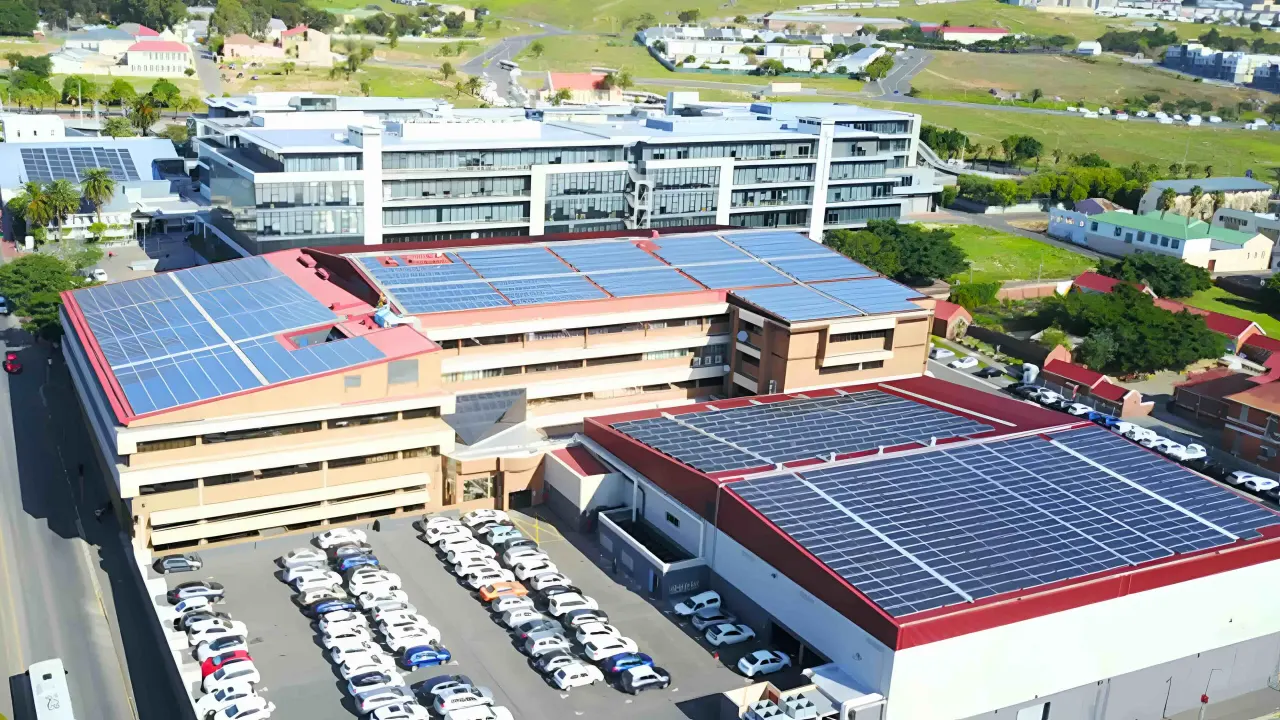
The decision to get solar panel systems installed represents more than just a switch to renewable energy. It's a strategic investment that fundamentally transforms how commercial, industrial, and residential properties manage electricity costs whilst contributing to environmental sustainability. With technology advancing rapidly and costs declining steadily, 2026 presents an opportune moment for Southern African businesses and homeowners to embrace solar energy. Understanding the complete process, from initial assessment through to ongoing maintenance, ensures you make informed decisions that deliver maximum financial and environmental returns.
Understanding the True Cost to Get Solar Panel Systems
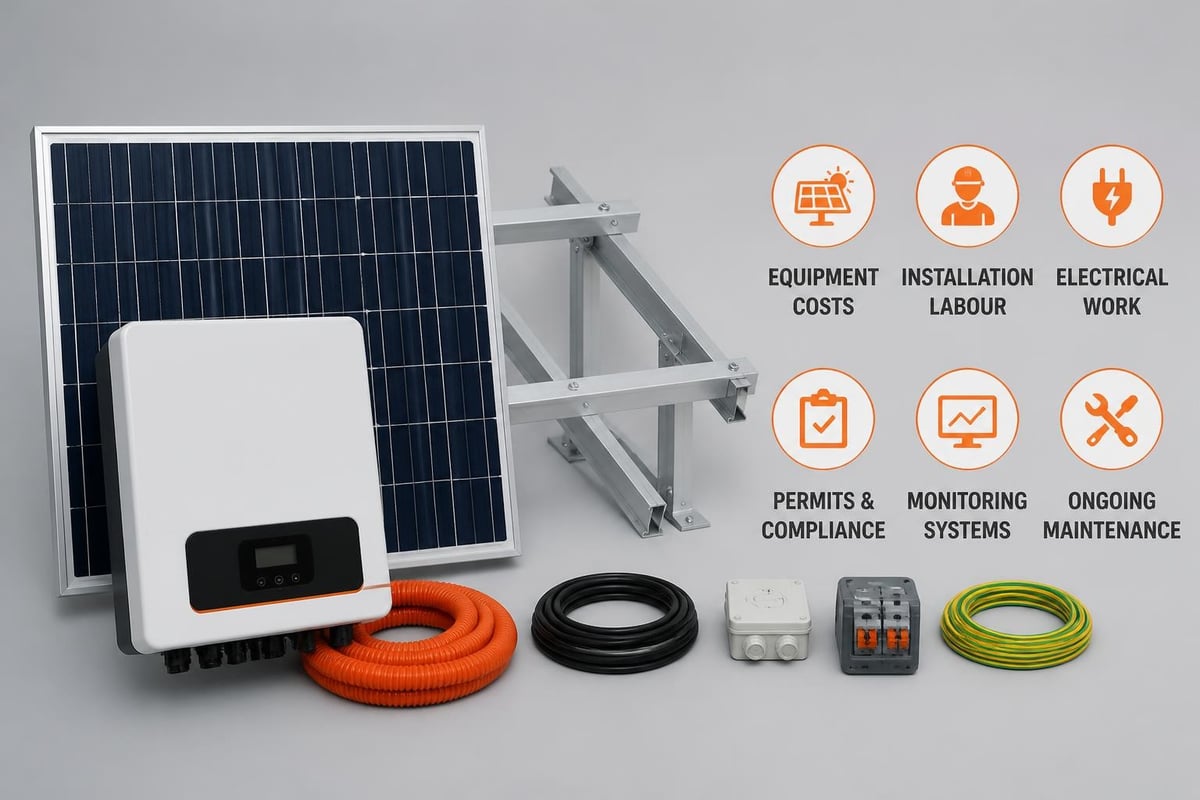
When you decide to get solar panel installations, the financial picture extends far beyond the upfront equipment price. Modern solar systems represent integrated solutions combining panels, inverters, mounting structures, electrical components, and installation expertise.
Breaking Down System Pricing
The cost structure varies significantly based on system size, technology selection, and installation complexity. According to recent solar panel cost analyses, commercial installations typically range from R12,000 to R18,000 per kilowatt of capacity, whilst residential systems may cost between R15,000 and R22,000 per kilowatt.
Key pricing factors include:
- Panel efficiency ratings and manufacturer warranties
- Inverter technology (string inverters versus microinverters)
- Roof type and structural requirements
- Electrical upgrades and compliance certifications
- System monitoring and communications equipment
| System Size | Residential Cost | Commercial Cost | Typical Monthly Savings |
|---|---|---|---|
| 5 kW | R75,000 - R110,000 | R60,000 - R90,000 | R1,800 - R2,500 |
| 10 kW | R140,000 - R200,000 | R120,000 - R180,000 | R3,500 - R5,000 |
| 25 kW | R320,000 - R450,000 | R300,000 - R425,000 | R8,500 - R12,000 |
| 50 kW | R600,000 - R850,000 | R580,000 - R800,000 | R16,000 - R22,000 |
The detailed cost breakdown for 2026 reveals that equipment represents approximately 60-70% of total investment, whilst installation labour accounts for 20-25%, with remaining costs covering permits, compliance, and commissioning.
Return on Investment Calculations
Smart investors evaluate payback periods carefully. With current electricity tariff escalations averaging 8-12% annually across Southern Africa, systems typically achieve full payback within 4-7 years for commercial installations and 6-9 years for residential properties.
When you get solar panel systems professionally designed, energy consumption patterns receive thorough analysis. This ensures optimal system sizing that maximises self-consumption whilst avoiding over-investment in unnecessary capacity.
Selecting the Right Solar Panel Technology
Technology selection significantly impacts long-term performance and financial returns. Understanding the distinctions between available options helps you get solar panel systems that perfectly match your specific requirements.
Panel Types and Performance Characteristics
Monocrystalline panels dominate the premium market segment, offering efficiency ratings between 18-24%. Their superior space efficiency makes them ideal for properties with limited roof area, despite carrying higher upfront costs.
Polycrystalline panels provide a cost-effective middle ground, delivering 15-18% efficiency at reduced pricing. They suit large commercial rooftops where space constraints are minimal.
Bifacial panels represent emerging technology, capturing reflected light from rear surfaces to boost energy generation by 10-25% under optimal conditions. Ground-mounted commercial installations particularly benefit from this technology.
Performance warranties now extend 25-30 years, guaranteeing minimum 80-85% output after two decades. Production warranties typically cover 10-12 years for equipment defects.
Installation Configuration Options
When you get solar panel installations designed by experienced engineers, several configuration options emerge:
- Grid-tied systems connect directly to the utility grid, allowing net metering and energy export where regulations permit
- Hybrid systems incorporate battery storage for load-shifting and backup power during outages
- Off-grid systems provide complete energy independence for remote properties without grid access
- Carport solar transforms parking areas into productive energy-generating assets
INFOLED specialises in commercial, industrial, agricultural, and residential solar PV across multiple configurations, ensuring clients receive optimal solutions for their specific operational requirements and financial objectives.
Navigating the Installation Process
The journey to get solar panel systems operational involves multiple coordinated phases, each requiring specialist expertise and careful project management.
Initial Assessment and System Design
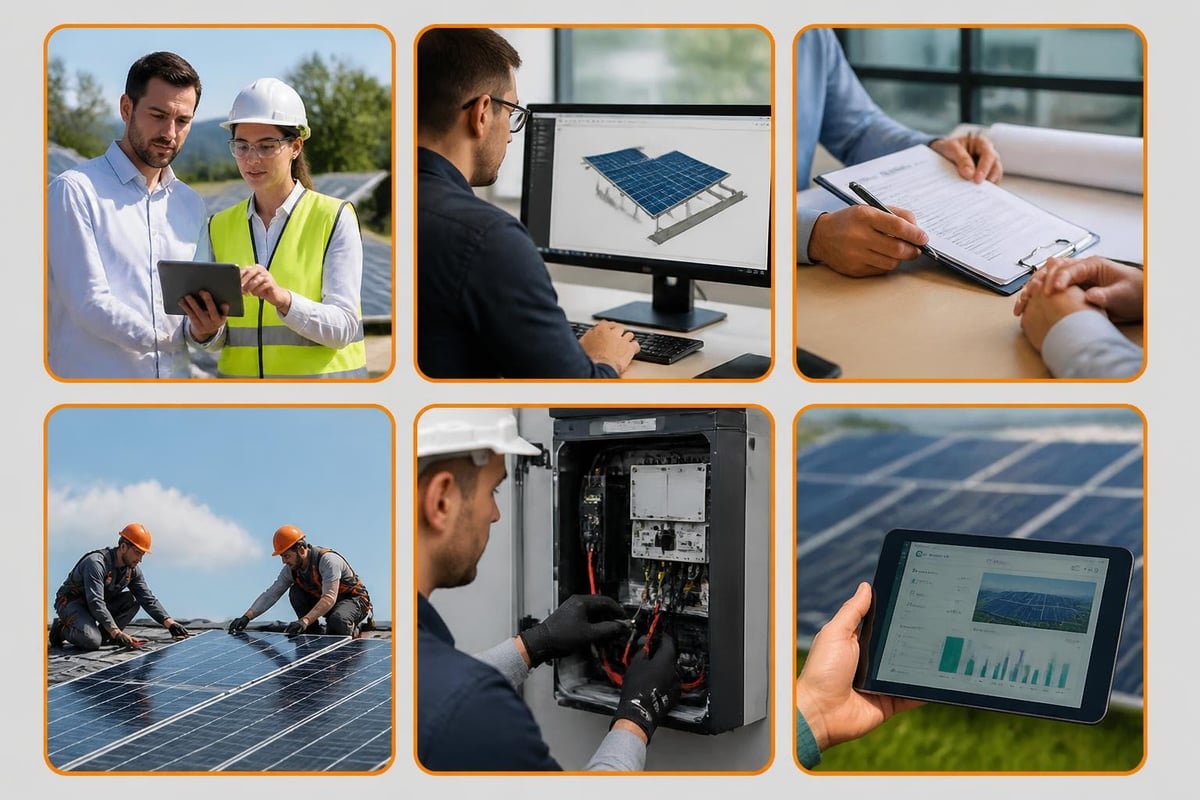
Professional energy audits form the foundation of successful solar projects. Engineers analyse consumption patterns, roof structural integrity, shading analysis, and electrical infrastructure capacity.
Critical assessment elements:
- 12-month electricity consumption data review
- Roof pitch, orientation, and available surface area
- Shading analysis using specialised software tools
- Electrical distribution board capacity and upgrade requirements
- Grid connection characteristics and utility regulations
Accurate load profiling ensures system sizing matches actual consumption patterns. Oversized systems waste capital, whilst undersized installations fail to deliver anticipated savings.
Permitting and Compliance Requirements
South African regulations require multiple approvals before you can get solar panel systems commissioned. Municipal building plan approvals, electrical Certificates of Compliance (CoC), and utility notifications form the regulatory framework.
Grid-tied installations require formal applications to local electricity distributors, often involving technical specifications, single-line diagrams, and compliance documentation. Processing timelines vary dramatically between municipalities, ranging from 2 weeks to 6 months.
Working with experienced engineering firms expedites approvals significantly. Their established relationships with regulatory bodies and comprehensive understanding of technical requirements streamline otherwise complex processes.
| Approval Type | Typical Timeline | Required Documents | Potential Delays |
|---|---|---|---|
| Municipal Plans | 4-12 weeks | Structural drawings, site plans | Plan examiner capacity |
| Grid Connection | 2-24 weeks | Technical specs, single-line | Utility backlog, studies |
| Electrical CoC | 1-2 weeks | Installation photos, test results | Inspector availability |
| Building Sign-off | 2-4 weeks | Completion photos, compliance | Final inspection scheduling |
Installation and Commissioning
Physical installation typically completes within 3-10 days, depending on system size and complexity. Professional teams coordinate multiple trades including structural mounting, electrical connections, and communications integration.
Quality installations demand meticulous attention to:
- Waterproofing integrity at all roof penetrations
- Cable management and protection from UV exposure
- Proper earthing and surge protection
- Secure mounting with appropriate load distribution
- Clean, professional electrical connections
Commissioning involves systematic testing of all components, verification of safety systems, and optimisation of inverter settings. Monitoring platforms receive configuration to track performance metrics and identify potential issues proactively.
Financing Options to Get Solar Panel Systems
Capital constraints need not prevent solar adoption. Multiple financing mechanisms make renewable energy accessible across diverse budget parameters.
Purchase Models and Payment Structures
Cash purchases deliver optimal long-term returns by eliminating interest charges. Businesses benefit from immediate tax deductions through capital allowances and accelerated depreciation provisions.
Loan financing spreads costs across 3-7 years, with monthly repayments often lower than electricity savings from day one. This positive cash flow enables immediate budget relief whilst building long-term energy assets.
Lease arrangements transfer ownership to financing companies, with clients paying fixed monthly fees for electricity generated. This model eliminates maintenance responsibilities and capital requirements, though total lifetime costs exceed purchase options.
Power Purchase Agreements (PPAs) involve third parties funding, installing, and maintaining systems. Clients purchase generated electricity at predetermined rates, typically below municipal tariffs. This zero-capital model suits organisations prioritising balance sheet management.
The comprehensive cost guide demonstrates how financing structures impact total project economics, helping decision-makers evaluate options against specific financial objectives and constraints.
Government Incentives and Tax Benefits
South African businesses accessing Section 12B tax incentives can claim accelerated depreciation deductions, significantly improving project economics. Recent budget announcements expanded renewable energy incentives, recognising their economic development contribution.
Carbon tax credits provide additional financial benefits as organisations reduce grid electricity consumption and associated emissions. ESG reporting requirements increasingly drive solar adoption as companies demonstrate environmental commitments to stakeholders.
Maximising Performance After Installation
Getting solar panel systems installed represents just the beginning of your renewable energy journey. Ongoing optimisation ensures sustained performance and financial returns throughout multi-decade operational lifespans.
Monitoring and Performance Tracking
Modern monitoring platforms provide real-time visibility into system performance, energy production, and consumption patterns. Mobile applications and web dashboards deliver instant access to critical metrics.
Essential monitoring capabilities include:
- Live power generation and consumption displays
- Historical performance data and trend analysis
- Automated alerts for underperformance or faults
- Weather impact correlation and forecasting
- Financial return tracking and reporting
Production typically varies 20-30% seasonally between summer peaks and winter troughs. Understanding normal performance patterns helps identify genuine issues requiring intervention versus expected variations.
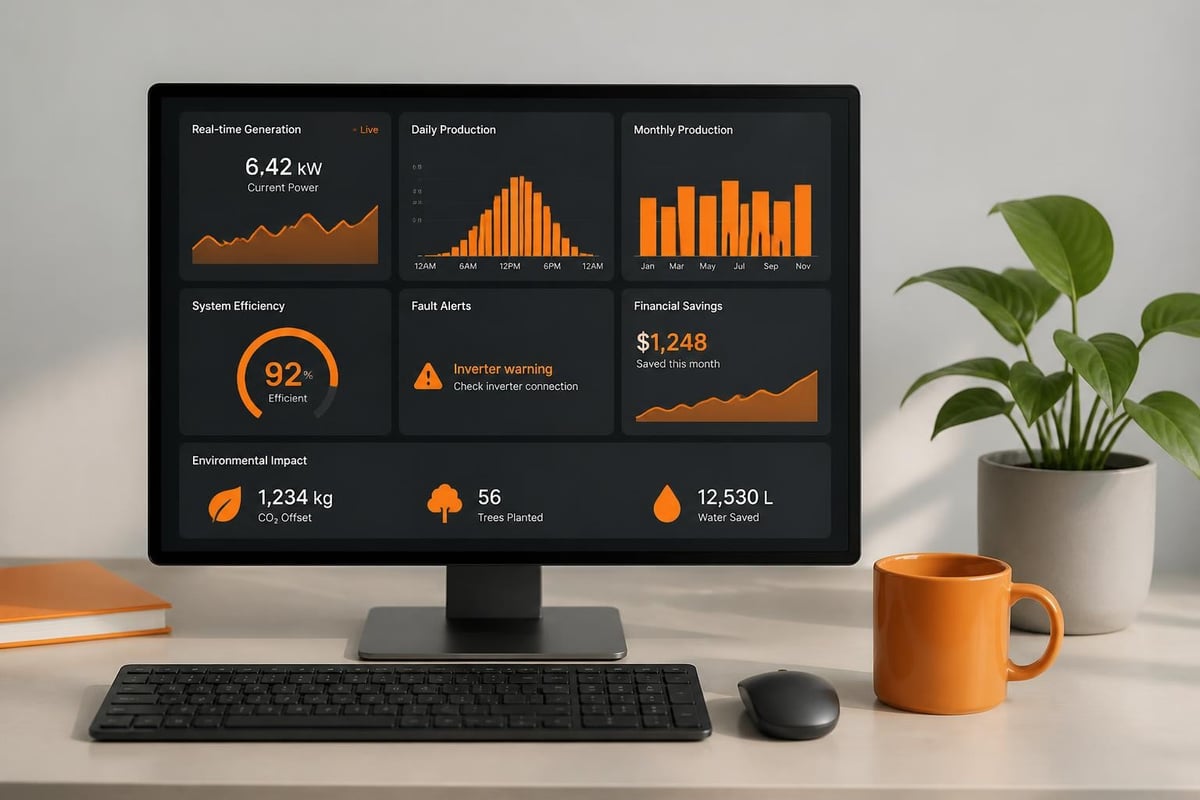
Common mistakes after installation, such as not optimising energy consumption patterns, can significantly reduce anticipated savings. Aligning high-consumption activities with peak solar generation hours maximises self-consumption and minimises grid dependency.
Maintenance Requirements and Schedules
Professional maintenance preserves performance and protects warranty coverage. Quarterly inspections identify potential issues before they escalate into costly failures.
Scheduled maintenance activities:
- Panel cleaning to remove dust, pollen, and bird droppings
- Electrical connection inspection and thermal imaging
- Inverter performance verification and firmware updates
- Mounting structure integrity assessment
- Vegetation management preventing shading development
Annual production typically degrades 0.5-0.8% yearly for quality panels. Steeper declines indicate maintenance issues, component failures, or installation problems requiring remediation.
Insurance policies should explicitly cover solar assets against fire, storm damage, theft, and business interruption. Comprehensive coverage protects substantial capital investments whilst ensuring continuous energy supply.
Strategic Considerations for Different Property Types
Whether you get solar panel systems for commercial, industrial, agricultural, or residential applications, each property category presents unique opportunities and challenges.
Commercial and Industrial Applications
Large roof surfaces and substantial daytime electricity consumption make commercial properties ideal solar candidates. Manufacturing facilities, warehouses, retail centres, and office complexes achieve excellent returns through peak demand reduction.
Industrial operations benefit particularly from demand charge management. Solar generation reduces maximum demand peaks, lowering capacity charges that represent 30-50% of industrial electricity costs.
Agricultural applications include irrigation pumping, cold storage, and processing facilities. Remote farm locations often face unreliable grid supply, making hybrid solar systems with battery storage particularly valuable.
Residential Installations
Homeowners increasingly get solar panel systems to combat escalating electricity tariffs and frequent load shedding disruptions. Residential systems typically range from 3-8 kilowatts, matching household consumption patterns.
Battery integration grows in residential applications, providing backup power during outages whilst enabling time-of-use tariff optimisation. Evening peak consumption shifts to stored solar energy, maximising financial benefits.
Strata title developments face additional complexity requiring body corporate approvals and shared infrastructure considerations. Professional feasibility studies navigate these challenges effectively.
Environmental and Sustainability Benefits
Beyond financial returns, decisions to get solar panel installations deliver measurable environmental benefits supporting corporate sustainability commitments and personal environmental values.
Carbon Footprint Reduction
Every megawatt-hour of solar electricity generated displaces grid power averaging 0.9-1.0 tonnes of CO2 emissions in South Africa's coal-dominated electricity sector. A typical 10-kilowatt commercial system prevents approximately 12-15 tonnes of annual emissions.
These reductions contribute directly to corporate carbon reduction targets, ESG reporting requirements, and Net Zero commitments. Stakeholders increasingly evaluate companies on environmental performance, making renewable energy adoption strategically important beyond pure financial considerations.
Long-term Sustainability Planning
Solar panel lifespans extend 25-30 years, with many systems continuing productive operation beyond initial warranty periods. End-of-life management increasingly emphasises recycling and circular economy principles.
Quality panels comprise valuable materials including silicon, silver, aluminium, and glass. Responsible recycling recovers 95%+ of these materials for remanufacturing, closing resource loops and minimising environmental impact.
When you get solar panel systems from reputable providers, enquire about end-of-life management programmes ensuring responsible disposal or recycling. This forward planning aligns with extended producer responsibility regulations emerging across African markets.
Future-Proofing Energy Infrastructure
The decision to get solar panel systems installed positions properties for evolving energy landscapes characterised by grid instability, rising tariffs, and technological integration.
Integration with Emerging Technologies
Solar systems increasingly integrate with battery storage, electric vehicle charging infrastructure, and smart building management systems. This convergence creates comprehensive energy ecosystems optimising consumption, generation, and storage holistically.
Smart metering enables granular consumption tracking, identifying optimisation opportunities and supporting tenant billing in multi-occupancy developments. Real-time data drives behavioural changes reducing overall energy requirements.
Artificial intelligence and machine learning algorithms predict generation and consumption patterns, automating energy management decisions that maximise efficiency and financial returns. These technologies transform passive solar installations into active, intelligent energy management systems.
Scalability and Expansion Planning
Initial installations should accommodate future expansion without requiring complete system redesigns. Inverter oversizing, adequate electrical infrastructure, and modular mounting systems enable cost-effective capacity additions as budgets permit or requirements grow.
Phased implementation spreads capital requirements whilst delivering immediate benefits from initial installations. Starting with high-consumption areas or optimal roof sections proves the business case before full-scale deployment.
The solar pricing guide for 2026 demonstrates declining costs and improving efficiency making delayed installations increasingly attractive, though waiting indefinitely sacrifices years of potential savings and environmental benefits.
Transitioning to solar energy represents a transformative decision delivering financial, operational, and environmental benefits across commercial, industrial, and residential applications. Understanding costs, technologies, installation processes, financing options, and ongoing optimisation ensures your investment delivers maximum returns throughout its multi-decade lifespan. INFOLED brings comprehensive renewable energy expertise to clients across Southern Africa, designing, financing, installing, monitoring, and maintaining intelligent solar solutions tailored to your specific requirements. Contact our engineering team today to begin your journey towards energy independence and sustainable operations.
Next Step
Need help with your energy strategy?
Speak to INFOLED about solar, storage, EV charging, service agreements or system performance.