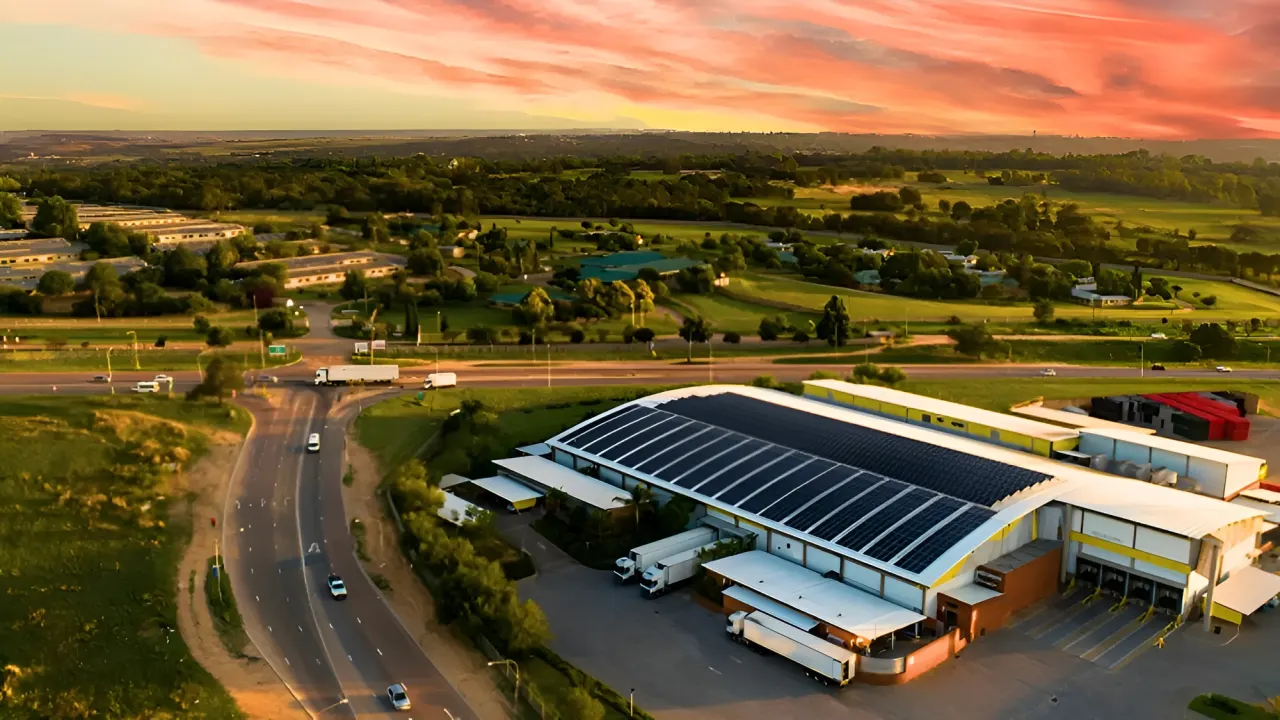
The decision to mount solar panels on your property represents a significant investment in renewable energy infrastructure. Whether you're planning a commercial installation across multiple hectares or a residential rooftop system in Gauteng, understanding the fundamentals of solar mounting systems is essential for maximizing energy generation, ensuring structural integrity, and achieving long-term financial returns. The way you mount solar arrays directly impacts system performance, maintenance requirements, and overall project economics throughout the 25-year lifespan of your photovoltaic installation.
Understanding Solar Mounting System Fundamentals
Solar mounting systems serve as the structural foundation that secures photovoltaic modules to rooftops, ground surfaces, or elevated structures. These engineered frameworks must withstand extreme weather conditions, from the powerful Berg winds of the Western Cape to the intense hailstorms common across the Highveld region.
The primary functions of any mount solar system include:
- Providing secure attachment points that prevent module displacement during high winds
- Establishing optimal tilt angles to maximize solar irradiance capture
- Ensuring proper drainage and air circulation beneath modules
- Facilitating safe access for maintenance and cleaning operations
- Maintaining electrical bonding and grounding pathways
The engineering requirements for mounting structures vary significantly based on installation location. A ground-mounted array in the Northern Cape faces different design considerations compared to a rooftop system in coastal KwaZulu-Natal, where salt corrosion and humidity present additional challenges.
Structural Load Calculations
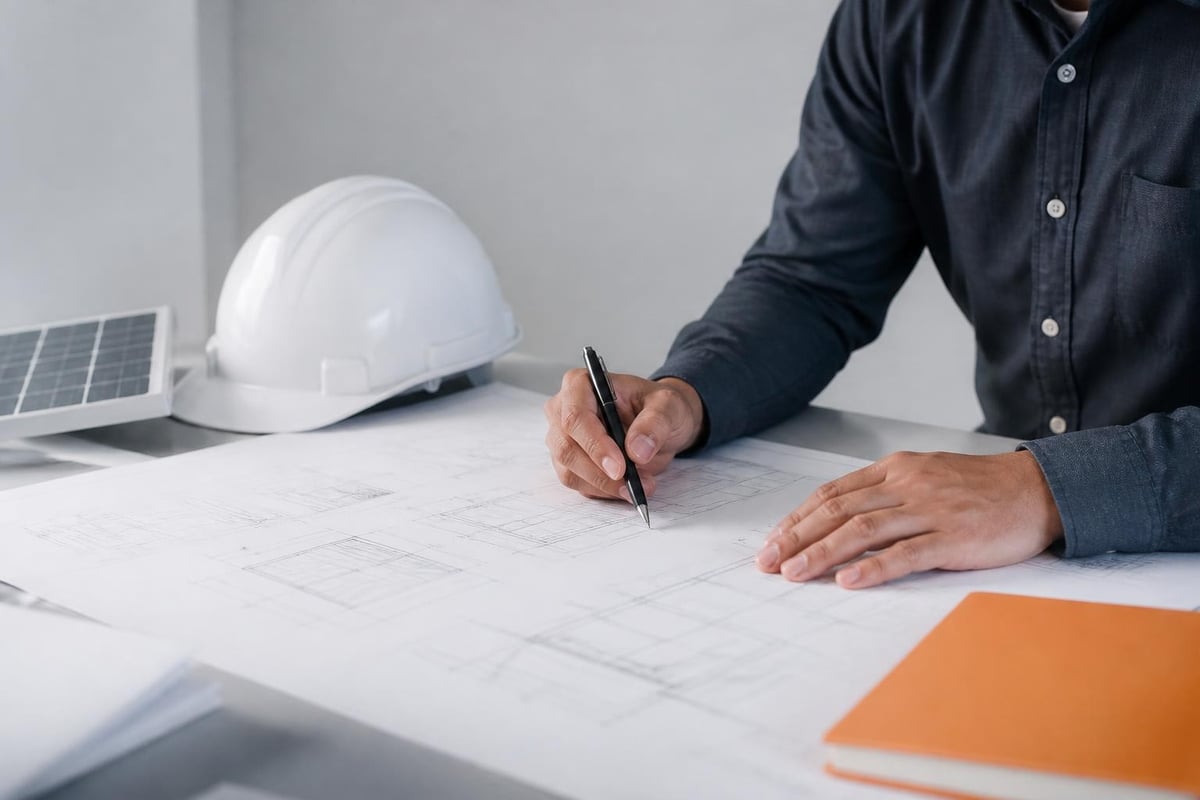
Every mount solar project begins with comprehensive structural analysis. Engineers must calculate dead loads (the weight of panels and racking), live loads (maintenance personnel), and environmental loads including wind uplift forces and snow loads where applicable.
Wind load calculations are particularly critical in South Africa, where certain regions experience sustained winds exceeding 120 km/h during storm events. The mounting system must resist both positive pressure (pushing against modules) and negative pressure (suction forces attempting to lift arrays from their foundations).
Rooftop Mounting Solutions
Rooftop installations represent the most common configuration for commercial and industrial clients seeking to mount solar systems on existing infrastructure. These systems maximize land use efficiency by utilizing otherwise unproductive roof space.
Ballasted Rooftop Systems
Ballasted mounting systems have gained popularity for flat commercial roofs where penetrations through waterproofing membranes must be minimized. These systems rely on concrete blocks or steel weights to counteract wind uplift forces without drilling into the roof structure.
| Ballasted System Advantages | Ballasted System Considerations |
|---|---|
| No roof penetrations required | Higher total roof load |
| Faster installation times | May not suit older structures |
| Easier future relocation | Wind zone restrictions apply |
| Lower waterproofing risk | Regular weight distribution checks |
The ballast-to-panel ratio typically ranges from 15 to 30 kilograms per square metre, depending on wind exposure and tilt angle. Industrial facilities with reinforced concrete roofs generally accommodate ballasted systems more readily than older buildings with limited load-bearing capacity.
Penetrating Mount Systems
For pitched roofs and installations requiring lower profile heights, penetrating mount solar systems offer superior wind resistance and structural stability. These configurations use anchors that extend through roofing materials into underlying structural members.
Modern penetrating systems incorporate advanced flashing and sealing technologies that maintain waterproof integrity whilst providing secure attachment points. The DOE guidance on installing and commissioning PV systems emphasizes the importance of proper installation techniques to prevent water ingress over the system's operational lifetime.
Successful penetrating installations require coordination between solar installers and roofing specialists to ensure warranties remain valid. Many commercial property owners in Johannesburg and Cape Town have discovered that improper roof penetrations void building insurance, highlighting the need for qualified installation teams.
Ground-Mounted Solar Arrays
Ground-mounted configurations provide the greatest design flexibility when adequate land is available. Agricultural operations, industrial parks, and utility-scale projects frequently select ground mounting to optimize panel orientation and simplify maintenance access.
Fixed-Tilt Ground Systems
Fixed-tilt ground arrays position panels at a predetermined angle, typically matching the site's latitude for optimal annual energy production. In South Africa, this generally translates to tilt angles between 25 and 30 degrees for most locations.
Installation processes for fixed-tilt ground mount solar systems include:
- Geotechnical survey to determine soil composition and bearing capacity
- Foundation design (driven piles, concrete footings, or helical screws)
- Post installation using mechanical drivers or concrete embedding
- Rail assembly and leveling across the array field
- Module mounting and electrical interconnection
- Final torque verification and bonding completion
The choice between foundation types depends heavily on soil conditions. The clay-rich soils common in Mpumalanga often require different engineering approaches compared to the sandy soils found in coastal regions. Ground-mounted projects incorporating ground mount solar configurations can benefit from professional site assessment to optimize foundation design and reduce material costs.
Tracking Systems for Enhanced Generation
Single-axis and dual-axis tracking systems mount solar panels on motorized frameworks that follow the sun's movement throughout the day. These advanced configurations can increase energy yield by 15 to 35 percent compared to fixed-tilt installations.
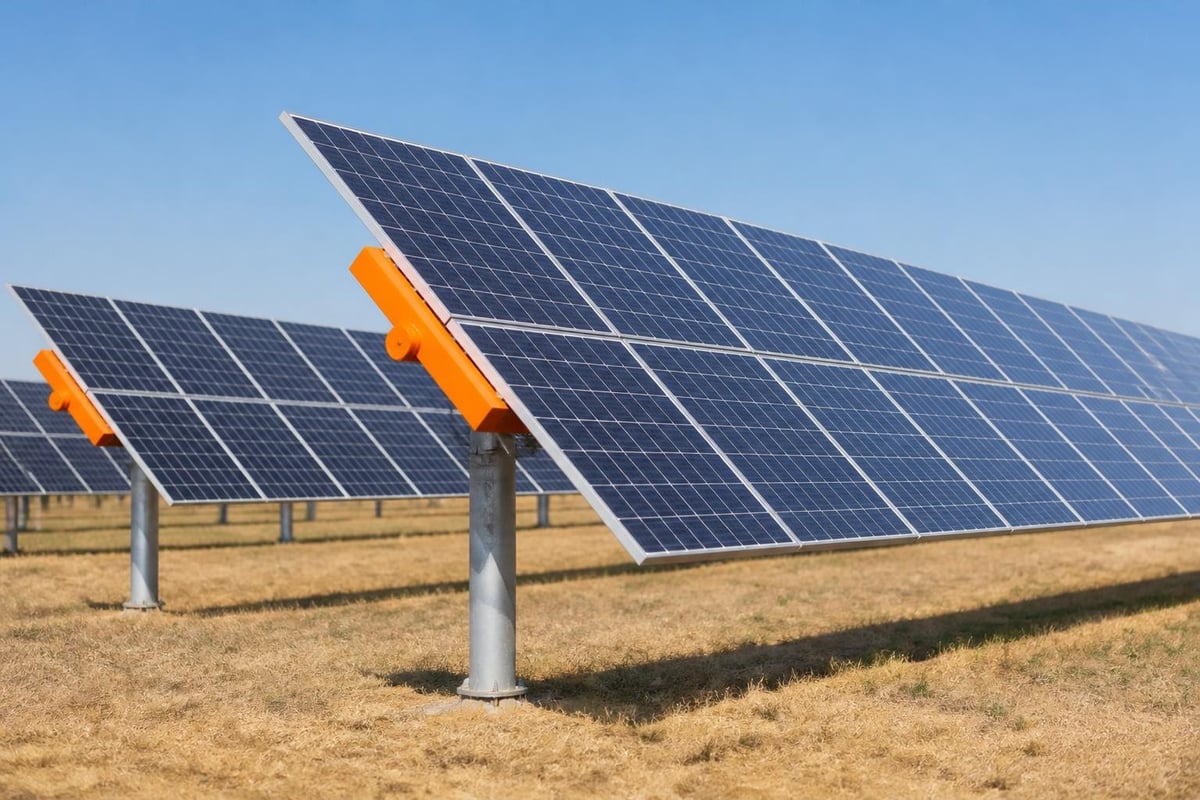
Single-axis trackers rotate panels along a north-south axis, adjusting the east-west orientation as the sun moves across the sky. Dual-axis systems add a second degree of freedom, tilting panels to account for seasonal elevation changes. Whilst tracking systems deliver superior energy production, they introduce mechanical complexity, higher maintenance requirements, and increased capital costs.
Large-scale agricultural operations in the Free State and North West provinces have successfully deployed tracking systems on properties exceeding 50 hectares, where economies of scale justify the additional investment.
Carport and Canopy Mounting Structures
Carport solar installations serve the dual purpose of generating electricity whilst providing covered parking for vehicles. These elevated structures have become increasingly popular at commercial facilities, shopping centres, and educational institutions across South Africa.
Design Considerations for Carport Arrays
The structural requirements for carport mount solar systems differ substantially from rooftop or ground installations. Engineers must account for vehicle clearance heights, column spacing for parking bay dimensions, and the additional loads imposed by mounting panels above open spaces.
Standard carport designs maintain minimum clearance heights of 2.4 metres to accommodate delivery vehicles and maintain proper ventilation. The spacing between support columns typically aligns with standard parking bay widths of 2.5 to 3.0 metres.
Carport structures also present opportunities for integrated electric vehicle charging infrastructure, creating synergies between solar generation and transportation electrification. Forward-thinking property developers in Sandton and Umhlanga have incorporated EV charging beneath carport arrays, maximizing the value proposition for tenants and visitors.
Compliance and Safety Standards
All mount solar installations in South Africa must comply with structural engineering standards, electrical regulations, and municipal building codes. The South African Bureau of Standards (SABS) provides guidelines for structural design, whilst the Occupational Health and Safety Act governs installation practices.
International Mounting Standards
The UL 2703 standard for mounting systems establishes safety requirements for mounting devices, clamping mechanisms, and grounding pathways. Whilst UL standards originate in the United States, many South African engineering firms reference these specifications when designing mount solar projects to ensure compatibility with internationally certified components.
Proper bonding and grounding represent critical safety considerations. Mounting rails must provide continuous electrical pathways to prevent potential differences that could lead to arcing or fire hazards. Corrosion-resistant bonding hardware maintains electrical continuity throughout the system's operational lifetime, even in coastal environments where salt spray accelerates material degradation.
Municipal Approval Processes
Obtaining the necessary permits and approvals for mount solar installations varies by municipality. Metro areas including Johannesburg, Cape Town, and eThekwini each maintain specific requirements for structural plans, electrical certificates, and grid connection applications.
The approval timeline for commercial installations typically extends from six to sixteen weeks, depending on project complexity and municipal workload. Engaging experienced engineering consultants familiar with local regulatory requirements can significantly expedite the approval process and prevent costly delays.
Material Selection and Durability
The longevity of any mount solar system depends critically on material selection. Aluminium alloys dominate the market for mounting rails and module frames due to their excellent strength-to-weight ratio and natural corrosion resistance.
| Material | Primary Applications | Lifespan Expectancy | Corrosion Resistance |
|---|---|---|---|
| Aluminium 6005-T5 | Rails, module frames | 25+ years | Excellent |
| Galvanised steel | Ground foundations, carports | 20-25 years | Good (with coating) |
| Stainless steel | Fasteners, coastal applications | 30+ years | Excellent |
| Hot-dip galvanised steel | Support structures | 25+ years | Very good |
Fastener selection requires particular attention in South Africa's diverse climate zones. Stainless steel bolts and nuts resist corrosion far better than standard galvanised hardware, particularly in coastal installations within 5 kilometres of the ocean. The incremental cost of superior fasteners represents a small fraction of total project expenses whilst providing significant long-term value.
Installation Best Practices
Professional installation teams follow systematic procedures to mount solar arrays safely and efficiently. Quality control measures throughout the installation process prevent issues that could compromise system performance or structural integrity.
Pre-Installation Verification
Before mounting activities commence, installers verify that all components match design specifications and conduct thorough site inspections. This includes confirming roof load capacity, checking foundation depths, and ensuring proper spacing between array rows to prevent shading.
Critical pre-installation checks include:
- Structural certification review and approval
- Component inventory verification against bill of materials
- Site access assessment for equipment and material delivery
- Safety equipment inspection and fall protection setup
- Weather forecast review to avoid installation during adverse conditions
The rainy season across much of South Africa extends from October through March, requiring installation teams to monitor weather patterns and suspend rooftop work during wet conditions when slip hazards increase dramatically.
Module Mounting Sequences
Systematic mounting procedures ensure consistent quality across large arrays. Professional teams typically work in standardized sequences, completing rail installation across multiple rows before beginning module placement.
Torque specifications for mounting hardware require strict adherence. Under-torqued connections may loosen over time due to thermal cycling, whilst over-torquing can damage module frames or crack mounting points. Digital torque wrenches with audible alerts help installation teams maintain consistent torque values across thousands of connection points.
Maintenance and Monitoring Considerations
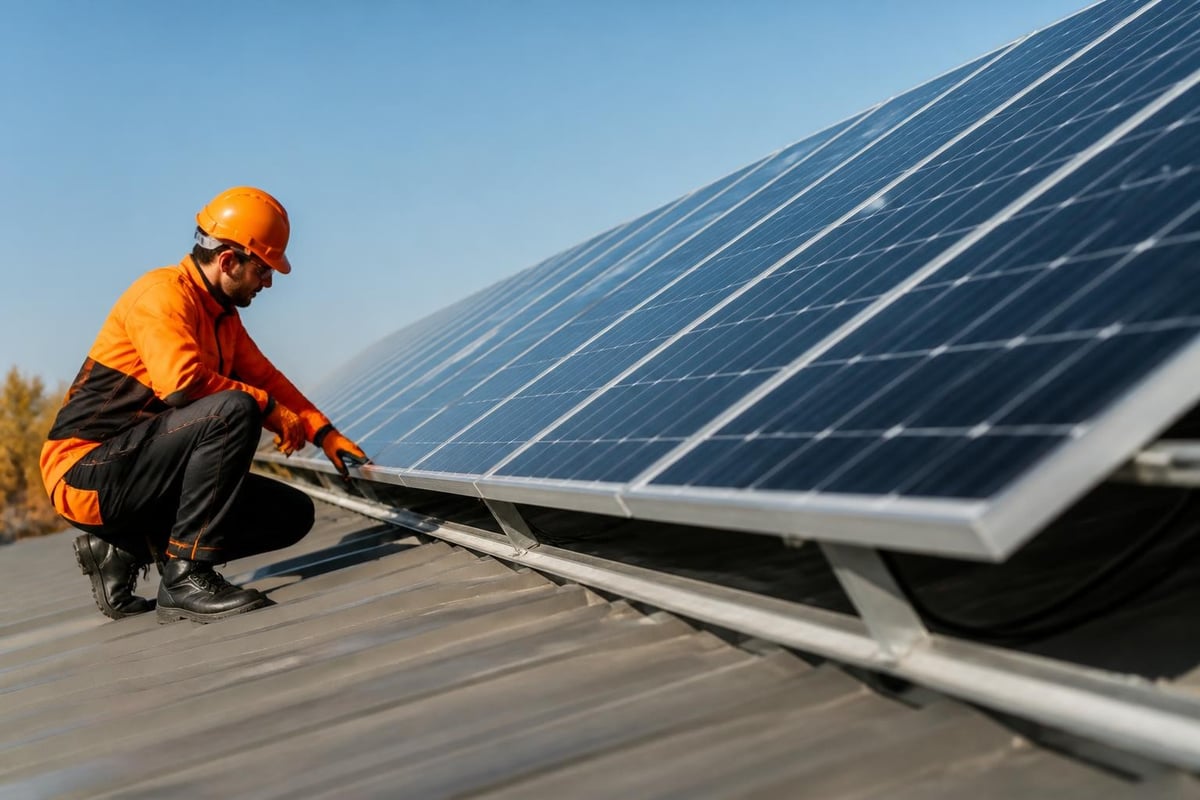
The design of mount solar systems significantly influences ongoing maintenance requirements and system accessibility. Well-designed installations incorporate service corridors, proper spacing for cleaning equipment, and safe access points for inspection activities.
Access and Safety Planning
Commercial rooftop arrays require permanent fall protection systems, access ladders, and designated walkways that allow maintenance personnel to reach all modules safely. The Construction Regulations under the Occupational Health and Safety Act mandate specific safety measures for work at heights exceeding 2 metres.
Ground-mounted installations need perimeter fencing to prevent unauthorized access and protect against theft or vandalism. Security considerations vary by location, with remote agricultural sites in the Karoo facing different risks compared to industrial facilities in Gauteng's urban centres.
Performance Monitoring Integration
Modern mount solar installations increasingly incorporate monitoring systems that track generation data, detect underperforming modules, and alert operators to maintenance needs. Monitoring hardware attaches to mounting structures, requiring careful planning during initial design to accommodate sensor placement and communication cabling.
Integration with energy management systems enables facility managers to optimize consumption patterns, coordinate battery storage charging cycles, and validate that generation matches engineering predictions. Real-time monitoring proved particularly valuable during 2024 and 2025, when load-shedding patterns required precise coordination between solar generation, battery reserves, and grid consumption.
Financial Considerations and ROI
The mount solar system represents a substantial component of total project costs, typically accounting for 8 to 15 percent of installed system expenses. Cost-conscious project developers must balance initial capital outlay against long-term performance and durability requirements.
Cost Structures Across Mounting Types
| Mounting Configuration | Typical Cost Range (ZAR/Watt) | Installation Complexity | Maintenance Requirements |
|---|---|---|---|
| Rooftop ballasted | R1.20 - R1.80 | Moderate | Low |
| Rooftop penetrating | R1.00 - R1.50 | Moderate | Low |
| Ground fixed-tilt | R1.50 - R2.20 | Moderate | Moderate |
| Ground tracking | R2.80 - R4.50 | High | High |
| Carport structure | R3.20 - R5.50 | High | Moderate |
These cost ranges reflect typical projects in the 100 kW to 1 MW capacity range during 2026. Larger utility-scale installations benefit from economies of scale, potentially reducing per-watt mounting costs by 20 to 35 percent.
Lifecycle Value Assessment
Evaluating mount solar systems purely on initial cost overlooks crucial lifecycle considerations. A lower-cost mounting system using substandard materials may require replacement or extensive repairs within 10 to 15 years, ultimately costing more than a properly engineered system designed for 25-year performance.
The solar cost calculator tools available to commercial clients help model total lifecycle costs, incorporating maintenance expenses, performance degradation rates, and replacement scenarios. Sophisticated financial modeling reveals that premium mounting systems often deliver superior net present value despite higher upfront costs.
Regional Considerations Across Southern Africa
Climate variations across Southern Africa demand location-specific approaches to mount solar system design. Installation teams must adapt engineering specifications to local environmental conditions whilst maintaining consistent quality standards.
Coastal vs. Inland Installations
Coastal installations within 5 kilometres of the ocean face accelerated corrosion from salt-laden air. Project specifications for coastal mount solar projects typically mandate stainless steel fasteners, enhanced protective coatings, and more frequent inspection schedules.
Inland regions contend with different challenges. The Highveld's intense summer hailstorms require robust module mounting that prevents panel displacement during severe weather events. Historical weather data from the South African Weather Service informs design wind speeds and hail impact resistance requirements.
High-Altitude Considerations
Installations in mountainous regions or high-altitude locations experience greater temperature fluctuations between day and night. These thermal cycles induce expansion and contraction in mounting components, requiring careful attention to thermal movement tolerances and fastener design.
Projects in Lesotho or the Drakensberg region must also account for occasional snow loads, despite South Africa's generally snow-free climate. Conservative engineering approaches incorporate safety margins that ensure structural integrity even during rare extreme weather events.
Future Trends in Solar Mounting Technology
Innovation in mount solar systems continues advancing, driven by demands for reduced costs, simplified installation, and enhanced performance. Several emerging technologies show promise for widespread adoption across Southern Africa's renewable energy sector.
Integrated Mounting Solutions
Manufacturers increasingly offer integrated systems that combine structural components, electrical bonding, and cable management into unified products. These solutions reduce installation time by eliminating field assembly steps and minimizing component count.
Building-integrated photovoltaics (BIPV) represent the ultimate evolution of mounting technology, where solar modules replace conventional building materials rather than simply attaching to them. BIPV applications including solar roof tiles, façade panels, and canopy structures blur the distinction between building envelope and energy generation system.
Recycling and Circular Economy
As the first generation of solar installations approaches end-of-life across South Africa, mounting system recyclability gains importance. Aluminium and steel components offer excellent recycling potential, with recovery rates exceeding 90 percent for properly processed materials.
Forward-thinking developers consider solar recycling pathways during initial design, specifying materials and fasteners that simplify disassembly and component recovery. Extended Producer Responsibility regulations emerging across Southern Africa will likely mandate recyclability considerations for all mount solar projects by 2028.
Selecting the appropriate mount solar configuration requires balancing structural requirements, site conditions, budget constraints, and long-term performance objectives. Professional engineering analysis ensures your installation delivers reliable electricity generation throughout its operational lifetime whilst maintaining safety and compliance standards. INFOLED brings comprehensive expertise across rooftop, ground-mounted, and carport solar installations throughout Southern Africa, offering integrated solutions that combine intelligent system design with robust mounting infrastructure. Our engineering teams deliver turnkey projects from initial feasibility studies through commissioning and ongoing maintenance, helping commercial, industrial, and agricultural clients achieve their renewable energy and cost reduction objectives.
Next Step
Need help with your energy strategy?
Speak to INFOLED about solar, storage, EV charging, service agreements or system performance.