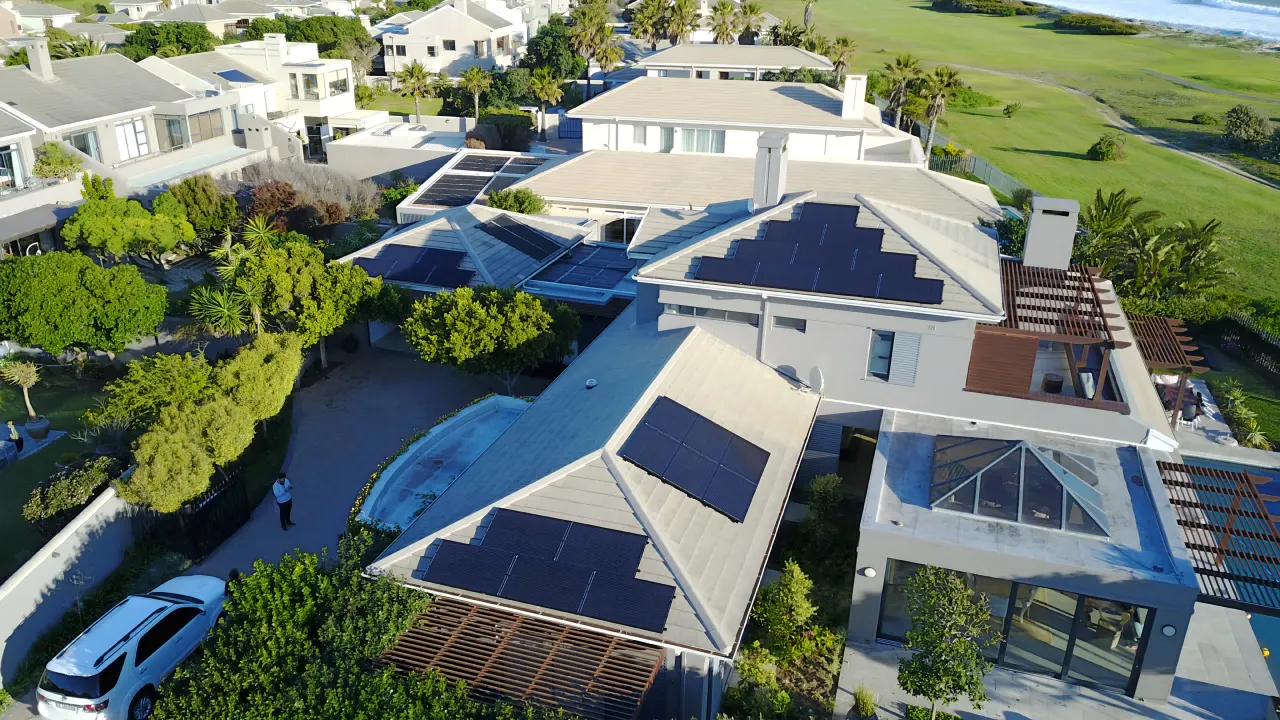
The national renewable energy lab represents one of the most critical institutions in the global transition towards sustainable energy systems. These research facilities serve as the backbone of clean energy innovation, developing technologies that commercial entities across the world, including Southern African markets, ultimately deploy at scale. Understanding the role, achievements, and methodologies of these laboratories provides valuable context for businesses navigating the renewable energy landscape in 2026.
The Role and Structure of National Energy Laboratories
The national renewable energy lab operates within a broader network of research institutions dedicated to advancing energy science and technology. According to the Department of Energy portal listing the 17 DOE National Laboratories, these facilities conduct fundamental research, develop prototype technologies, and provide testing capabilities that would be economically unfeasible for private industry alone.
Research Focus Areas and Strategic Priorities
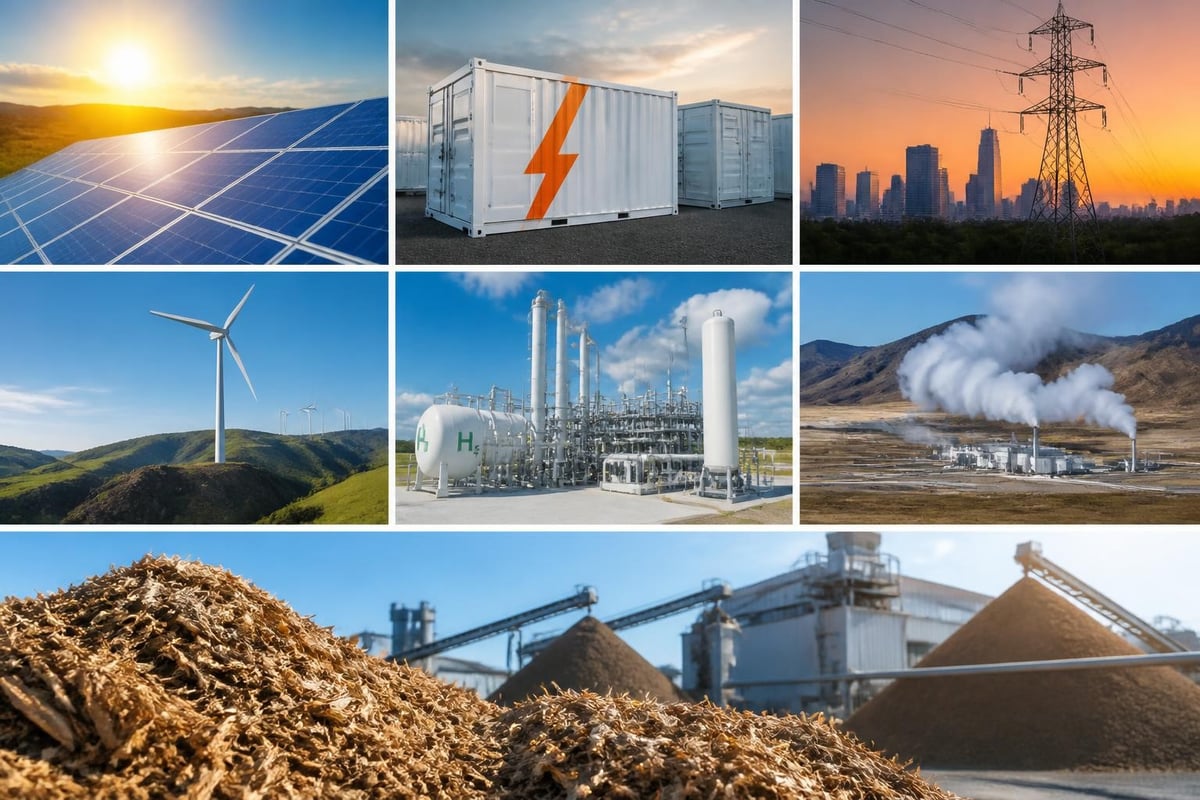
National laboratories concentrate their efforts across several critical domains:
- Solar photovoltaic technology advancement including next-generation materials and manufacturing processes
- Energy storage systems ranging from lithium-ion improvements to emerging chemistries
- Grid modernisation and integration of variable renewable resources
- Wind energy optimisation through advanced materials and controls
- Hydrogen production and fuel cell technologies
- Geothermal systems and enhanced recovery techniques
- Bioenergy conversion and sustainable fuel development
These research priorities align closely with market demands. The statistical briefing on R&D spending at federally funded research centers indicates that investment in clean energy research has grown substantially, with laboratories receiving record funding levels to accelerate technology commercialisation.
Collaborative Models and Industry Partnerships
The national renewable energy lab doesn't operate in isolation. These institutions actively partner with universities, private companies, and international research bodies to amplify impact. A Brookings Institution analysis on connecting national labs to regional innovation ecosystems demonstrates how laboratories catalyse economic development by licensing technologies, training personnel, and supporting regional clean energy clusters.
For commercial operators like INFOLED deploying integrated renewable energy solutions, the technology transfer from laboratories to market represents a crucial pathway for accessing proven innovations that enhance system performance and reliability.
Key Technologies Developed Through Laboratory Research
The national renewable energy lab has pioneered numerous technologies that now form the foundation of commercial renewable energy systems worldwide. These breakthroughs demonstrate the value of sustained research investment and systematic technology development.
Solar Photovoltaic Innovations
Laboratory research has driven remarkable improvements in solar cell efficiency and cost reduction:
| Technology Generation | Efficiency Range | Key Innovation Source | Commercial Status |
|---|---|---|---|
| Silicon crystalline | 20-26% | Manufacturing process refinement | Dominant market technology |
| Perovskite cells | 25-30% | Materials science breakthrough | Emerging commercial pilots |
| Multi-junction cells | 35-47% | Semiconductor engineering | Aerospace and concentrated applications |
| Tandem architectures | 28-33% | Layer integration techniques | Pre-commercial development |
These advances translate directly into improved economics for solar installations. Businesses considering commercial solar PV design benefit from decades of laboratory work that has reduced costs by over 90% since 2010 whilst simultaneously improving performance.
Battery Storage Technology Development
Energy storage represents perhaps the most critical enabler of renewable energy integration. The PNNL-led grid-focused alliance driving sodium-ion battery innovation exemplifies how national laboratories coordinate multi-institutional efforts to develop alternatives to lithium-ion systems.
Research priorities for storage systems include:
- Increasing energy density to reduce physical footprint and material costs
- Extending cycle life beyond current 3,000-10,000 cycle ranges
- Improving safety characteristics through solid-state electrolytes and thermal management
- Reducing dependence on scarce materials like cobalt through alternative chemistries
- Enhancing rapid charging capabilities for both stationary and mobile applications
- Developing recycling technologies to support circular economy principles
Southern African businesses implementing battery energy storage systems benefit directly from these research programmes, which establish performance benchmarks and safety standards that inform commercial product development.
Grid Integration and Smart Energy Systems
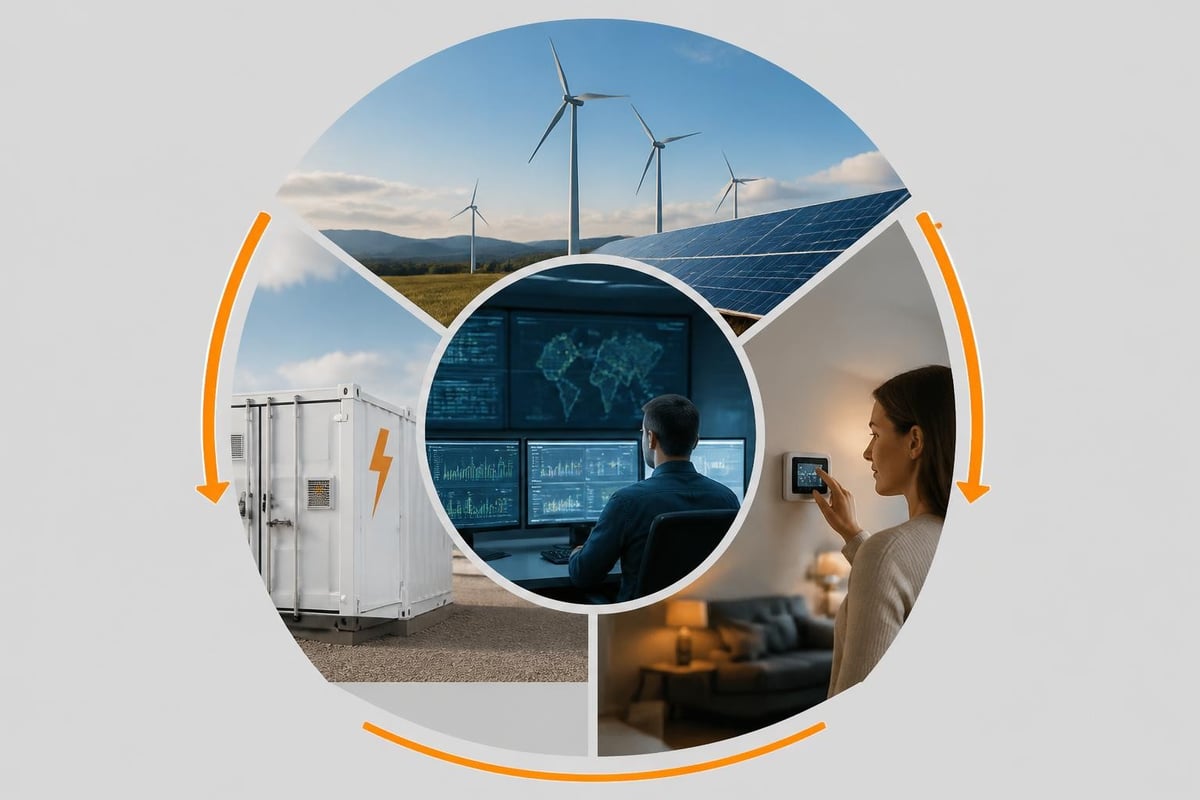
The national renewable energy lab dedicates substantial resources to solving the complex challenges of integrating variable renewable generation into existing electrical infrastructure. This research area has become increasingly critical as renewable penetration exceeds 30-40% in leading markets globally.
Advanced Forecasting and Control Systems
Accurate prediction of solar and wind generation enables grid operators to maintain stability whilst maximising renewable utilisation. Laboratory research has developed:
- Machine learning algorithms that improve forecast accuracy by 15-25% compared to conventional methods
- Probabilistic forecasting models that quantify uncertainty ranges for operational planning
- Ultra-short-term prediction (1-6 hours ahead) essential for real-time dispatch decisions
- Integrated weather-grid models that anticipate transmission constraints before they occur
These capabilities increasingly find application in commercial energy management systems that optimise on-site generation, storage dispatch, and grid interaction for industrial and commercial facilities.
Inverter Technology and Power Electronics
The interface between renewable generation and electrical networks relies on sophisticated power electronics. National laboratories have advanced inverter technologies that provide:
- Grid-forming capabilities allowing renewable systems to stabilise frequency and voltage
- Reactive power control supporting grid voltage regulation
- Fault ride-through features enabling generators to remain connected during disturbances
- Harmonic management maintaining power quality standards
- Rapid response characteristics for frequency regulation services
Testing Facilities and Validation Services
The national renewable energy lab operates world-class testing facilities that validate technology performance under controlled conditions. These capabilities serve both research and commercial purposes, providing independent verification crucial for technology commercialisation.
Component and System Testing Capabilities
| Testing Category | Capability Range | Application |
|---|---|---|
| PV module testing | 1 kW to 100 kW capacity | Efficiency verification, durability assessment |
| Inverter evaluation | 1 kW to 1 MW systems | Grid compliance, performance characterisation |
| Battery systems | 10 kWh to 10 MWh configurations | Cycle testing, safety validation |
| Wind turbine components | Blade structures, drivetrain elements | Fatigue testing, materials characterisation |
| Thermal collectors | Residential to commercial scale | Efficiency measurement, durability testing |
These testing services establish performance baselines that inform procurement decisions for commercial operators and provide manufacturers with credible third-party validation essential for market acceptance.
Environmental and Accelerated Ageing Testing
Long-term reliability represents a critical factor in renewable energy system economics. Laboratories employ accelerated testing protocols that simulate decades of environmental exposure within compressed timeframes:
- Temperature cycling between -40°C and +85°C to assess thermal stress resistance
- Humidity exposure at elevated temperatures simulating tropical and coastal conditions
- UV radiation exposure equivalent to 25-30 years of outdoor operation
- Mechanical stress testing including wind loading and hail impact simulation
- Salt spray testing for coastal installation scenarios common in Southern African contexts
Policy Influence and Standards Development
Beyond technical research, the national renewable energy lab plays a crucial role in informing energy policy and establishing industry standards. This influence shapes regulatory frameworks that govern renewable energy deployment globally, including markets across Africa.
Evidence-Based Policy Development
Laboratory research provides the analytical foundation for policy decisions affecting renewable energy deployment. The DOE workshop report on increasing national laboratories' capacity highlights how laboratories support clean energy policy through:
- Economic modelling of technology deployment scenarios and cost trajectories
- Grid integration studies quantifying technical limits and system requirements
- Resource assessment mapping renewable potential across geographic regions
- Technology roadmapping identifying critical research priorities and investment needs
- Environmental impact analysis assessing lifecycle considerations
These analytical capabilities inform national energy strategies, regulatory frameworks, and incentive programme design that ultimately determine commercial viability for renewable projects.
International Standards and Certification Frameworks
National laboratories contribute expertise to international standards organisations including the International Electrotechnical Commission (IEC) and International Organization for Standardization (ISO). This participation ensures that:
- Performance testing protocols reflect scientific best practices and technological capabilities
- Safety standards incorporate latest understanding of failure modes and risk mitigation
- Grid interconnection requirements balance system stability needs with technology capabilities
- Sustainability criteria address lifecycle impacts including manufacturing, operation, and end-of-life management
Southern African renewable energy professionals benefit from these internationally harmonised standards, which facilitate technology transfer and ensure compatibility with global supply chains serving markets from Johannesburg to Cape Town.
Workforce Development and Knowledge Transfer
The national renewable energy lab functions as a critical training ground for the next generation of renewable energy professionals. This workforce development role extends the laboratory's impact far beyond direct research outputs.
Educational Programmes and Research Internships
Laboratories host thousands of visiting researchers, graduate students, and early-career professionals annually. These programmes provide hands-on experience with:
- State-of-the-art characterisation and testing equipment unavailable elsewhere
- Large-scale system integration and demonstration projects
- Multidisciplinary team environments addressing complex technical challenges
- Industry collaboration projects bridging fundamental research and commercial application
Many participants subsequently join commercial renewable energy companies, bringing laboratory-developed expertise into industry practice. This knowledge transfer mechanism accelerates technology adoption and enhances implementation quality across the sector.

Technical Assistance for Industry and Government
Beyond formal educational programmes, laboratories provide targeted technical assistance supporting renewable energy deployment. Services include:
- Resource assessment methodologies helping project developers quantify solar, wind, and other renewable potential
- System optimisation tools enabling designers to maximise performance and economics
- Due diligence support providing independent technical review for financing decisions
- Performance troubleshooting diagnosing underperformance in operational systems
- Technology evaluation assessing emerging innovations for procurement consideration
Critical Perspectives and Future Directions
Whilst the national renewable energy lab has achieved remarkable successes, ongoing discussion examines how these institutions can maximise their effectiveness in accelerating the clean energy transition. A Nature Energy perspective on the role and challenges of the U.S. national laboratories provides peer-reviewed analysis of areas requiring continued attention.
Balancing Fundamental Research and Application Development
Laboratories face ongoing tension between conducting fundamental scientific research and supporting near-term commercial deployment. Critics argue that excessive focus on applied development diverts resources from breakthrough science, whilst others contend that laboratories should prioritise technologies approaching commercial viability.
The optimal balance likely varies by technology maturity:
- Fundamental research dominates for emerging concepts like advanced fusion systems or novel photovoltaic materials
- Applied development takes precedence for technologies approaching commercial deployment like next-generation batteries
- Deployment support becomes critical for mature technologies requiring optimisation for specific applications
Technology Transfer Mechanisms and Commercial Impact
Translating laboratory research into commercial products remains challenging. Effective pathways include:
- Licensing intellectual property to established manufacturers with production capabilities
- Supporting spin-off companies commercialising specific technologies
- Providing validation services reducing perceived risk for early adopters
- Publishing research findings enabling broad industry application
- Hosting demonstration facilities showcasing integrated system operation
For businesses evaluating renewable energy services and technologies, understanding which innovations have successfully transitioned from laboratory to market provides crucial context for technology selection and system design decisions.
Regional Application and Southern African Context
Whilst national laboratories primarily serve their host countries, the knowledge and technologies they develop have global application. Southern African renewable energy markets benefit from laboratory research through multiple channels despite geographic distance.
Adapting Technologies for African Conditions
Research conducted at national laboratories requires contextual adaptation for Southern African deployment:
- High ambient temperature operation affects both solar panel efficiency and battery performance
- Grid stability characteristics differ significantly from developed market conditions
- Dust and soiling considerations impact cleaning requirements and performance degradation
- Financing structures require different economic optimisation compared to laboratory baseline assumptions
- Skills availability influences maintenance requirements and technology selection
Companies like INFOLED apply global research findings whilst incorporating local knowledge to deliver systems optimised for Southern African operating environments, ensuring that technologies proven in laboratory settings perform effectively in real-world conditions from Gauteng to the Western Cape.
Knowledge Networks and Capacity Building
Southern African renewable energy professionals access laboratory knowledge through:
- Published research papers available through open-access repositories
- International conferences where laboratory researchers present findings
- Training programmes at regional universities partnering with laboratories
- Software tools developed by laboratories and distributed freely
- Standards participation through national standards bodies engaged with international processes
The national renewable energy lab represents a cornerstone of global clean energy innovation, developing technologies and knowledge that enable commercial deployment at scale. From solar photovoltaic breakthroughs to advanced battery systems, these research institutions provide the scientific foundation upon which the renewable energy industry builds. INFOLED leverages these global research advances to deliver proven, optimised renewable energy solutions across Southern Africa, helping commercial, industrial, and residential clients reduce electricity costs whilst advancing their sustainability objectives.
Next Step
Need help with your energy strategy?
Speak to INFOLED about solar, storage, EV charging, service agreements or system performance.