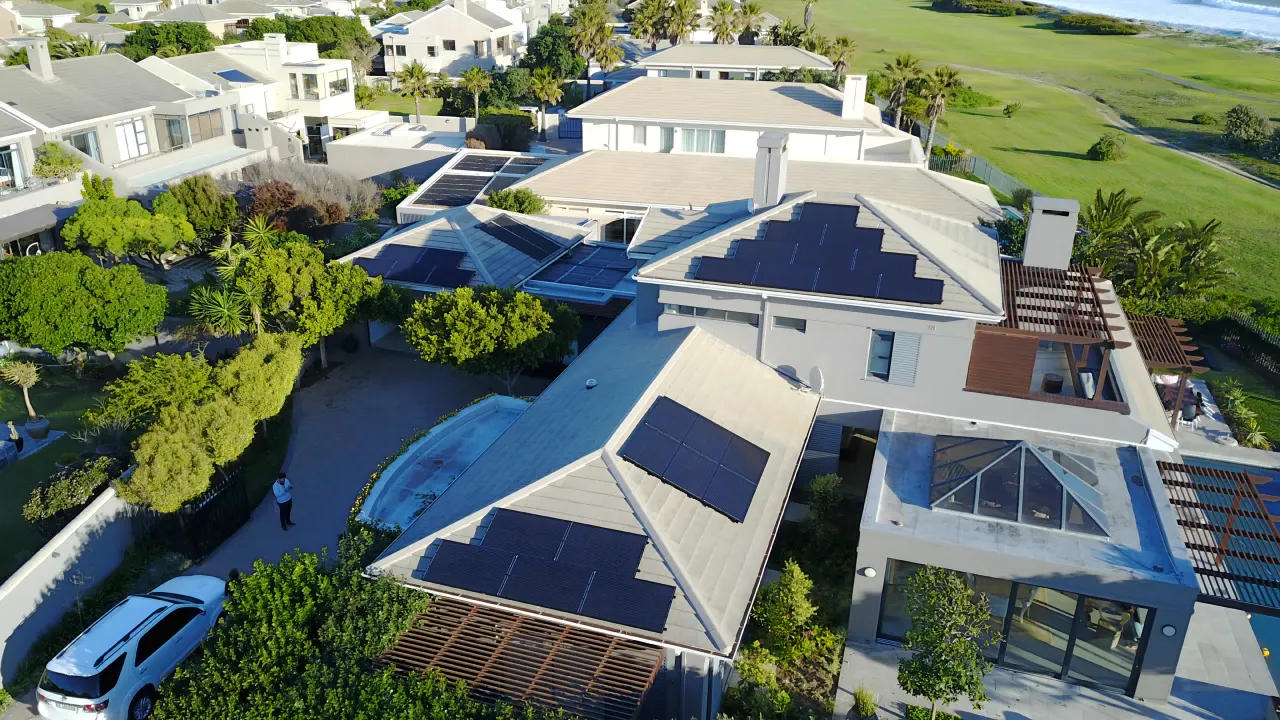
The energy landscape across Southern Africa is undergoing a profound transformation. Businesses and industries face mounting pressure to reduce carbon emissions whilst simultaneously managing escalating electricity costs and navigating persistent grid instability. Sustainable energy systems represent the convergence of renewable generation, intelligent storage, and advanced monitoring technologies that work together to deliver reliable, cost-effective power whilst supporting environmental objectives. For commercial and industrial organisations, the shift toward these integrated systems is no longer merely aspirational but essential for operational continuity, financial performance, and regulatory compliance.
Understanding the Architecture of Sustainable Energy Systems
Sustainable energy systems comprise interconnected technologies that generate, store, distribute, and manage electricity from renewable sources. Unlike traditional fossil‑fuel infrastructure, these systems prioritise efficiency, modularity, and environmental stewardship throughout their lifecycle.
At their core, sustainable energy systems integrate multiple components working in concert. Solar photovoltaic arrays convert sunlight into electricity, battery energy storage systems buffer intermittent generation and provide backup power, smart metering infrastructure monitors consumption patterns in real time, and energy management platforms optimise the entire operation. This architecture enables facilities to reduce reliance on grid‑supplied power, lower operational costs, and maintain productivity during outages.
The global renewable energy sector added 473 gigawatts of capacity in 2024, with solar and wind technologies accounting for the majority of installations. Southern Africa mirrors this trend, driven by abundant solar irradiation, declining technology costs, and the urgent need for energy security.
Key Technologies in Modern Energy Systems
Solar photovoltaic systems form the foundation of most sustainable energy deployments. Rooftop, ground‑mount, and carport configurations can be tailored to available space and load profiles. Commercial installations in Johannesburg and Cape Town routinely achieve capacity factors above 20%, delivering substantial electricity generation throughout the year.
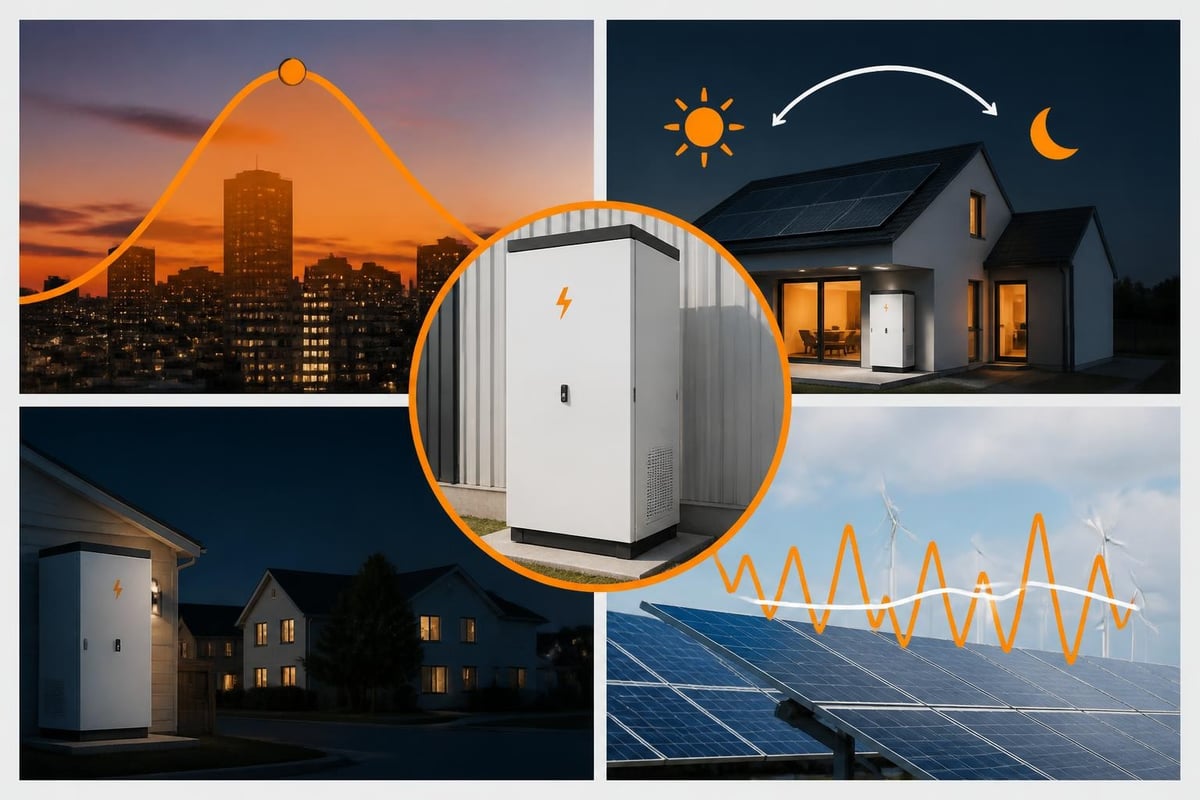
Battery energy storage systems have emerged as critical enablers of renewable integration. These systems perform multiple functions:
- Peak shaving to reduce demand charges
- Load shifting to exploit time‑of‑use tariffs
- Backup power during grid failures
- Frequency regulation for grid stability
- Renewable energy firming
Smart metering and monitoring technologies provide granular visibility into energy flows. Advanced metering infrastructure tracks consumption by circuit, department, or tenant, enabling precise cost allocation and identifying efficiency opportunities. When integrated with analytics platforms, these systems deliver actionable insights that inform operational decisions.
| Technology Component | Primary Function | Typical Payback Period |
|---|---|---|
| Solar PV (Commercial) | Renewable generation | 4-7 years |
| Battery Storage (BESS) | Energy arbitrage, backup | 6-10 years |
| Smart Metering | Monitoring, sub‑metering | 2-4 years |
| EV Charging Infrastructure | Fleet electrification | 5-8 years |
System Integration and Performance Optimisation
The true power of sustainable energy systems emerges through intelligent integration rather than isolated components. A manufacturing facility in Durban, for example, might combine a 500 kWp rooftop solar array with a 600 kWh battery system and comprehensive monitoring. During daylight hours, solar generation powers operations whilst surplus energy charges the batteries. As the sun sets, stored energy maintains production without drawing from Eskom's grid, avoiding peak‑period tariffs and reducing demand charges.
This level of sophistication requires careful engineering and design. Renewable Energy Engineering Services encompass load studies to understand consumption patterns, financial modelling to project returns, feasibility assessments to evaluate site constraints, and detailed system design to optimise component sizing. Grid applications and compliance documentation ensure installations meet regulatory requirements whilst maximising available incentives.
Designing for South African Operating Conditions
Southern Africa presents unique challenges and opportunities for sustainable energy systems. High solar irradiation levels across Gauteng, the Western Cape, and KwaZulu‑Natal deliver exceptional generation potential. However, system designers must account for occasional extreme weather events, dust accumulation that affects panel efficiency, and voltage fluctuations from unstable grid connections.
Hybrid energy configurations that blend grid‑tied and off‑grid capabilities offer optimal resilience. During normal conditions, facilities export excess generation to offset consumption during low‑production periods. When the grid fails, islanding capabilities maintain critical loads using stored energy and available solar generation. This flexibility has become indispensable as load shedding persists and businesses demand uninterrupted operations.
The IPCC's assessment of mitigation pathways emphasises that sustainable energy systems must achieve deep decarbonisation whilst maintaining energy access and affordability. For commercial enterprises, this translates into solutions that simultaneously reduce carbon footprints and improve bottom‑line performance.
Financial Considerations and Return on Investment
Capital investment in sustainable energy systems requires rigorous financial analysis. Total project costs typically range from ZAR 12,000 to ZAR 18,000 per installed kilowatt for commercial solar installations, with battery systems adding ZAR 4,000 to ZAR 8,000 per kilowatt‑hour of storage capacity. These figures vary based on system complexity, site preparation requirements, and component specifications.
Multiple financing mechanisms make projects accessible:
- Cash purchase offers the fastest payback and maximum lifetime savings
- Power purchase agreements (PPAs) eliminate upfront capital whilst delivering immediate electricity cost reductions
- Leasing arrangements provide asset use without balance‑sheet impact
- Green bonds and sustainability‑linked loans offer favourable terms for qualified projects
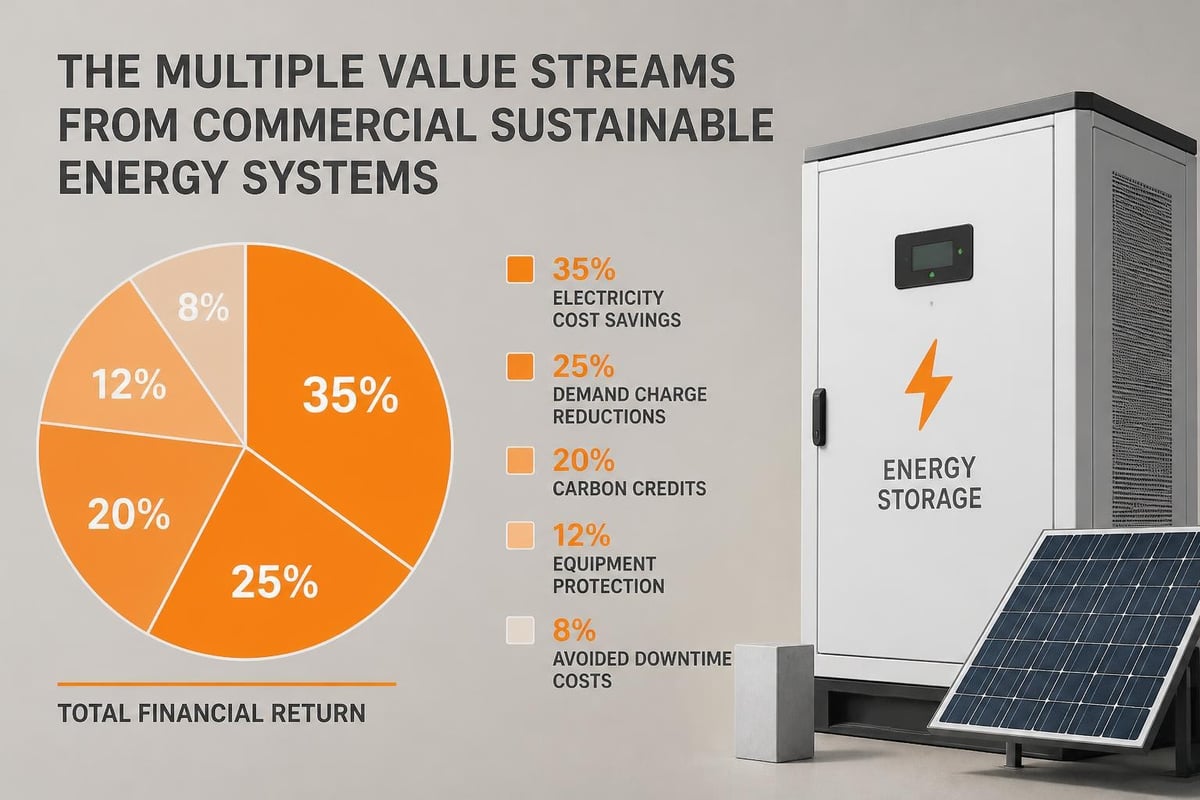
Value streams extend beyond simple electricity cost savings. Demand charge reductions often represent 30-40% of total financial benefits for industrial users. Carbon offset credits, though still developing in South Africa, provide additional revenue potential. Improved power quality reduces equipment failures and extends asset lifespans. Enhanced energy resilience prevents costly production interruptions.
Incentive Programmes and Regulatory Environment
South Africa's renewable energy incentive landscape continues evolving. Section 12B of the Income Tax Act allows accelerated depreciation on renewable energy assets, enabling businesses to write off 50% of qualifying costs in year one and the remaining balance equally over the following two years. This significantly improves after‑tax returns and cash flow.
The Renewable Energy Independent Power Producer Procurement Programme (REIPPPP) has established frameworks for larger‑scale projects, whilst municipal feed‑in tariff programmes in certain metros enable small‑scale embedded generation to sell excess power back to the grid. Registration requirements with NERSA apply to installations exceeding 1 MW, though exemptions exist for own‑use facilities.
Carbon tax implementation, currently at ZAR 159 per tonne of CO₂ equivalent, increases the financial appeal of decarbonisation initiatives. Companies subject to carbon reporting obligations under the National Environmental Management Act find that sustainable energy systems deliver compliance benefits alongside operational savings.
Energy Storage Technologies and Applications
The rapid advancement of battery technology has fundamentally altered the economics and capabilities of sustainable energy systems. Lithium‑ion chemistries dominate commercial installations due to their high energy density, declining costs, and proven performance. Prices for battery systems have fallen below USD 150 per kilowatt‑hour for large‑scale deployments, making storage economically viable for an expanding range of applications.
Long‑duration energy storage technologies address the challenge of multi‑day renewable variability. Flow batteries, compressed air systems, and thermal storage solutions provide discharge durations extending beyond the 2-4 hours typical of lithium‑ion installations. Whilst still emerging in commercial markets, these technologies will prove essential for achieving net‑zero energy systems.
The comprehensive review of energy storage technologies published in Energy Storage Reviews examines trade‑offs between different storage options including cycle life, round‑trip efficiency, power‑to‑energy ratios, and capital costs. For most commercial applications in Southern Africa, lithium iron phosphate (LFP) batteries offer the optimal balance of safety, longevity, and cost‑effectiveness.
Grid Services and Demand Response
Beyond on‑site benefits, sustainable energy systems can provide valuable grid services. Frequency regulation, voltage support, and peak‑demand reduction help stabilise the broader electricity network. As Eskom and municipal utilities expand programmes to compensate distributed energy resources for these services, additional revenue streams become available to system owners.
Demand response capabilities enable facilities to curtail or shift loads during grid stress events. Manufacturing operations might delay certain processes, commercial buildings could pre‑cool spaces before demand response periods, and agricultural facilities might time irrigation to coincide with abundant solar generation. These strategies reduce strain on the grid whilst lowering energy costs.
Monitoring, Analytics, and Continuous Improvement
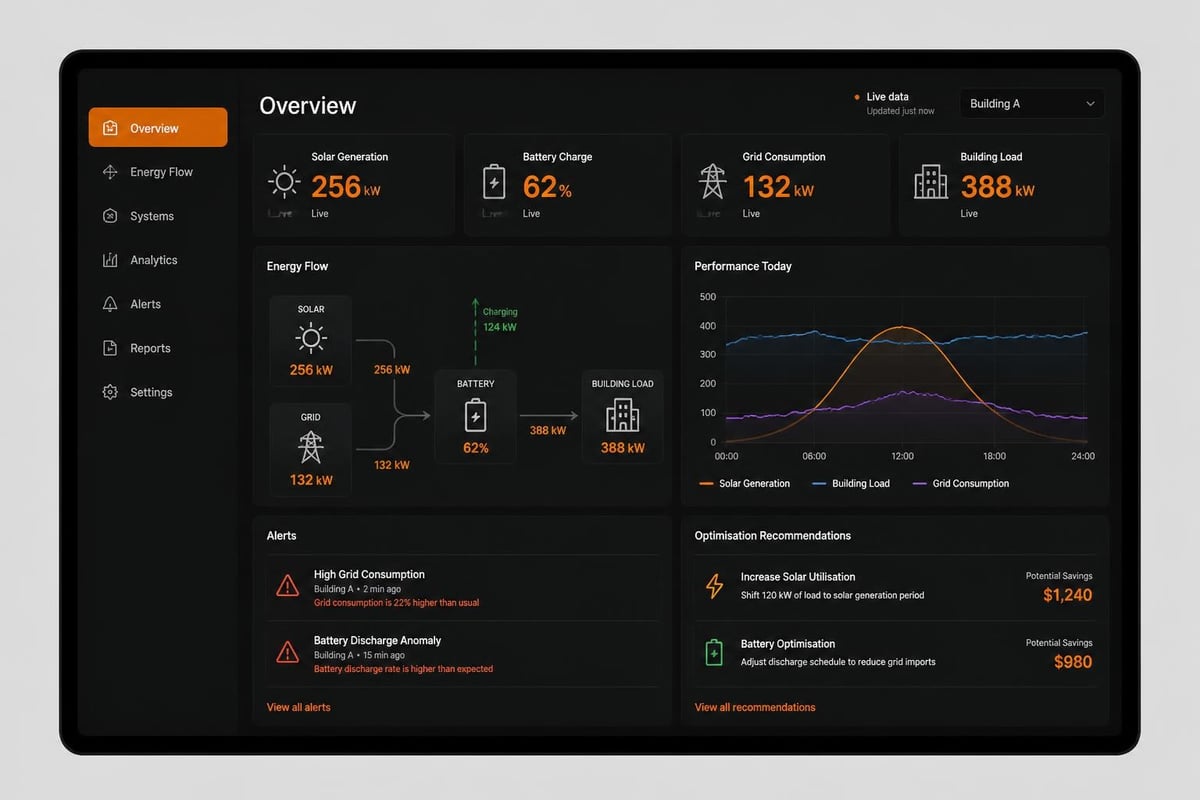
The digitisation of energy systems enables unprecedented visibility and control. Modern monitoring platforms aggregate data from inverters, batteries, smart meters, and weather stations to provide real‑time performance insights. Machine learning algorithms identify anomalies, predict maintenance requirements, and optimise system dispatch strategies.
Key performance indicators for sustainable energy systems include:
- System availability: percentage of time the system operates as designed
- Performance ratio: actual output relative to theoretical maximum
- Energy yield: kilowatt‑hours generated per installed kilowatt
- Self‑consumption rate: proportion of generated energy used on‑site
- Cost displacement: monetary value of grid electricity avoided
Remote monitoring capabilities enable rapid issue identification and resolution. When an inverter fault occurs or panel performance degrades, alerts notify maintenance teams immediately rather than waiting for scheduled inspections. This proactive approach minimises downtime and maximises generation.
| Metric | Typical Target | Monitoring Frequency |
|---|---|---|
| System Availability | >98% | Real‑time |
| Performance Ratio | 80-85% | Daily |
| Specific Yield | 1,600-1,900 kWh/kWp/year | Monthly |
| Self‑Consumption | 60-85% | Hourly |
Energy analytics platforms transform raw data into strategic intelligence. Consumption patterns reveal opportunities for efficiency improvements. Load forecasting enables better dispatch planning. Benchmarking against similar facilities identifies underperformance. Automated reporting simplifies ESG disclosure and regulatory compliance.
Climate Resilience and System Reliability
Research on renewable power system resilience highlights the importance of designing for climate risks. Extreme weather events, changing rainfall patterns, and rising temperatures all affect system performance and longevity. Sustainable energy systems in Southern Africa must incorporate resilience measures including robust mounting structures rated for high wind loads, temperature‑compensated battery management, and comprehensive lightning protection.
Redundancy and backup capabilities ensure continuity during component failures. Systems designed with N+1 configurations maintain operation even when individual inverters or battery modules require maintenance. Modular architectures enable capacity expansion as loads grow without wholesale system replacement.
Preventative maintenance programmes extend system lifespans and preserve performance. Annual thermal imaging surveys identify hot spots indicating electrical faults. Drone inspections detect panel damage, soiling, or shading issues. Regular battery health assessments monitor capacity degradation and optimize charge‑discharge protocols.
The U.S. Department of Energy's storage strategy emphasises the critical role of energy storage in achieving resilient, decarbonised electricity systems. These insights translate directly to Southern African contexts, where energy security concerns amplify the strategic importance of on‑site storage and generation.
Supporting Net Zero and ESG Objectives
Corporate commitments to net‑zero emissions require comprehensive decarbonisation strategies. Sustainable energy systems address Scope 2 emissions from purchased electricity, often representing the largest single source of carbon footprints for commercial operations. A properly sized solar installation can eliminate 80-95% of grid electricity consumption, dramatically reducing associated emissions.
ESG reporting frameworks increasingly demand detailed energy and emissions disclosures. The Task Force on Climate‑related Financial Disclosures (TCFD), Carbon Disclosure Project (CDP), and Global Reporting Initiative (GRI) all require quantified data on energy sources, consumption, and carbon intensity. Sustainable energy systems simplify compliance through automated data collection and validated emission reduction calculations.
Beyond carbon benefits, renewable installations demonstrate environmental stewardship to stakeholders including customers, investors, and employees. Organisations implementing projects across commercial and industrial sectors report enhanced brand reputation and improved stakeholder relationships alongside tangible operational benefits.
Social and Economic Dimensions
The World Bank's research on energy transition economics examines job creation, skills development, and economic development outcomes from renewable energy deployment. Southern African installations generate local employment during construction phases and ongoing operations. Technical skills transfer builds regional capacity for system maintenance and optimisation.
Energy access considerations remain paramount across the region. Whilst commercial and industrial installations focus on cost reduction and resilience, distributed renewable systems also enable electricity access for underserved communities. Mini‑grids and standalone systems powered by solar and storage bring modern energy services to areas beyond central grid reach.
Emerging Technologies and Future Developments
Innovation continues accelerating across sustainable energy technologies. Bifacial solar panels capture reflected light from beneath modules, increasing generation by 5-15%. Perovskite cell research promises efficiency improvements beyond current silicon‑based limits. Solid‑state batteries offer enhanced safety and energy density for future storage applications.
Digital twin technologies create virtual replicas of physical energy systems, enabling sophisticated scenario testing and predictive analytics. Blockchain‑based energy trading platforms facilitate peer‑to‑peer electricity exchange and transparent renewable energy certificate management. Artificial intelligence optimises system dispatch with millisecond precision based on weather forecasts, load predictions, and market prices.
Electric vehicle integration represents a significant evolution for sustainable energy systems. Workplace and fleet charging infrastructure powered by on‑site solar generation creates synergies between transport electrification and building decarbonisation. Vehicle‑to‑grid capabilities may eventually enable EVs to provide grid services and building backup power, though regulatory frameworks are still developing.
The convergence of sustainable energy systems with other facility systems creates additional opportunities. Integration with building management systems enables coordinated control of HVAC, lighting, and energy storage. Water heating, process heat, and cooling loads can shift to periods of abundant solar generation. Hydrogen production from excess renewable electricity offers long‑term seasonal storage, though costs currently limit commercial viability.
Implementation Roadmap for Commercial Organisations
Successfully deploying sustainable energy systems requires systematic planning and execution. Organisations should begin with comprehensive energy audits documenting current consumption patterns, peak demands, and cost structures. Load profile analysis identifies opportunities for demand management and determines optimal system sizing.
Feasibility assessments evaluate site constraints including roof structural capacity, available land area, grid connection parameters, and shading obstacles. Financial modelling projects cash flows under various scenarios, sensitivity analyses test assumptions, and risk assessments identify potential challenges. Stakeholder engagement ensures alignment across finance, operations, facilities, and executive leadership.
Procurement processes must balance cost, quality, and vendor capabilities. Component selection should prioritise proven technologies from established manufacturers offering robust warranties and local support. Engineering, procurement, and construction (EPC) contractors should demonstrate relevant experience, financial stability, and strong safety records.
Project execution follows structured phases:
- Detailed design and engineering including electrical schematics, structural calculations, and protection coordination
- Permitting and approvals from utilities, municipalities, and regulatory authorities
- Procurement and logistics ensuring timely component delivery and proper storage
- Installation and construction following safety protocols and quality standards
- Testing and commissioning validating performance before handover
- Training and documentation enabling operations teams to manage systems effectively
Post‑installation, ongoing operations and maintenance ensure sustained performance. Monitoring platforms track generation and consumption, scheduled maintenance prevents failures, and performance optimisation adapts to changing conditions. Service level agreements with qualified providers deliver peace of mind and protect asset value.
Sustainable energy systems deliver compelling financial returns whilst advancing environmental objectives and enhancing operational resilience. The integration of solar generation, battery storage, smart monitoring, and intelligent controls creates facilities that are more efficient, reliable, and sustainable than ever before. For organisations across Southern Africa seeking to reduce electricity costs, improve energy security, and meet ESG commitments, these technologies represent not future possibilities but present opportunities. INFOLED provides comprehensive renewable energy solutions from initial feasibility and engineering through installation, monitoring, and long‑term maintenance, helping commercial, industrial, and residential clients across the region achieve their energy and sustainability goals.
Next Step
Need help with your energy strategy?
Speak to INFOLED about solar, storage, EV charging, service agreements or system performance.