
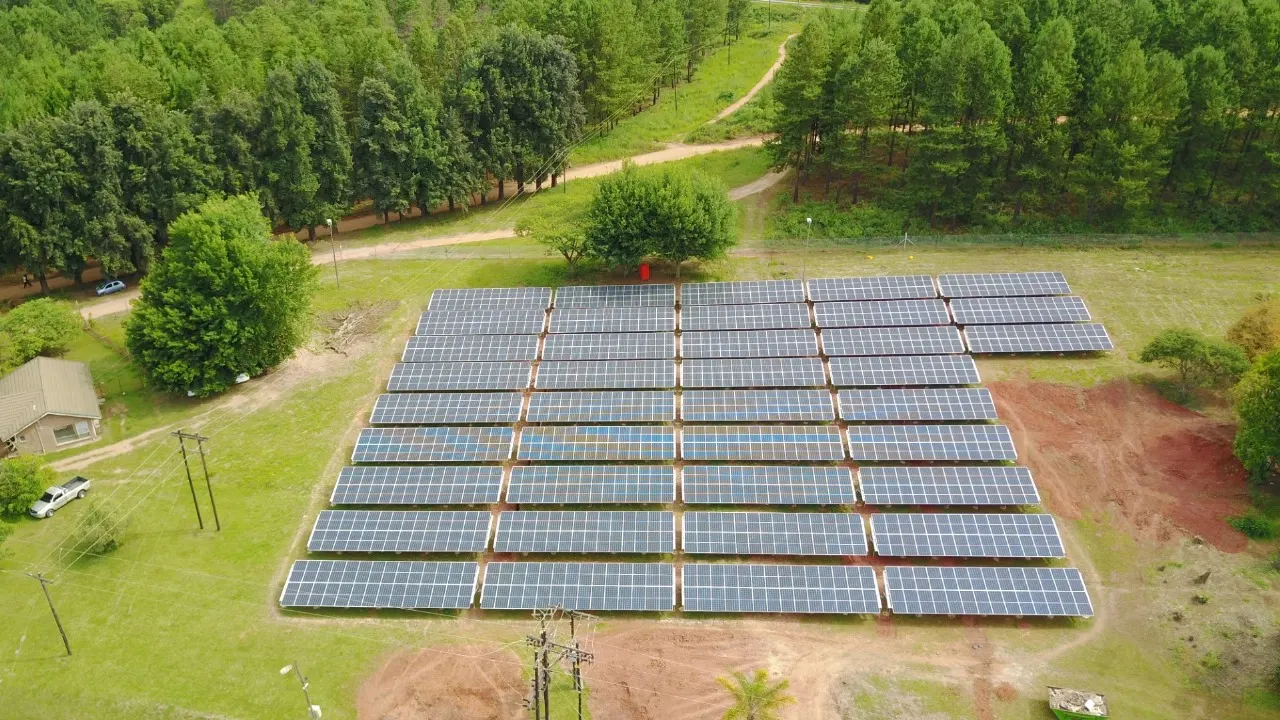
The global transition towards renewable energy has brought various organic materials into sharp focus as viable alternatives to fossil fuels. Understanding the different types of biomass available for energy production is essential for businesses and organisations seeking to reduce their carbon footprint whilst maintaining reliable energy supplies. In Southern Africa, where agricultural and forestry sectors remain significant economic contributors, biomass presents unique opportunities for sustainable energy generation alongside established technologies such as solar photovoltaic systems and battery storage solutions.
Understanding Biomass Classification Systems
The classification of biomass materials follows several distinct criteria, primarily based on their source, composition, and intended application. These classification systems help energy professionals and project developers identify the most suitable materials for specific conversion technologies and energy requirements.
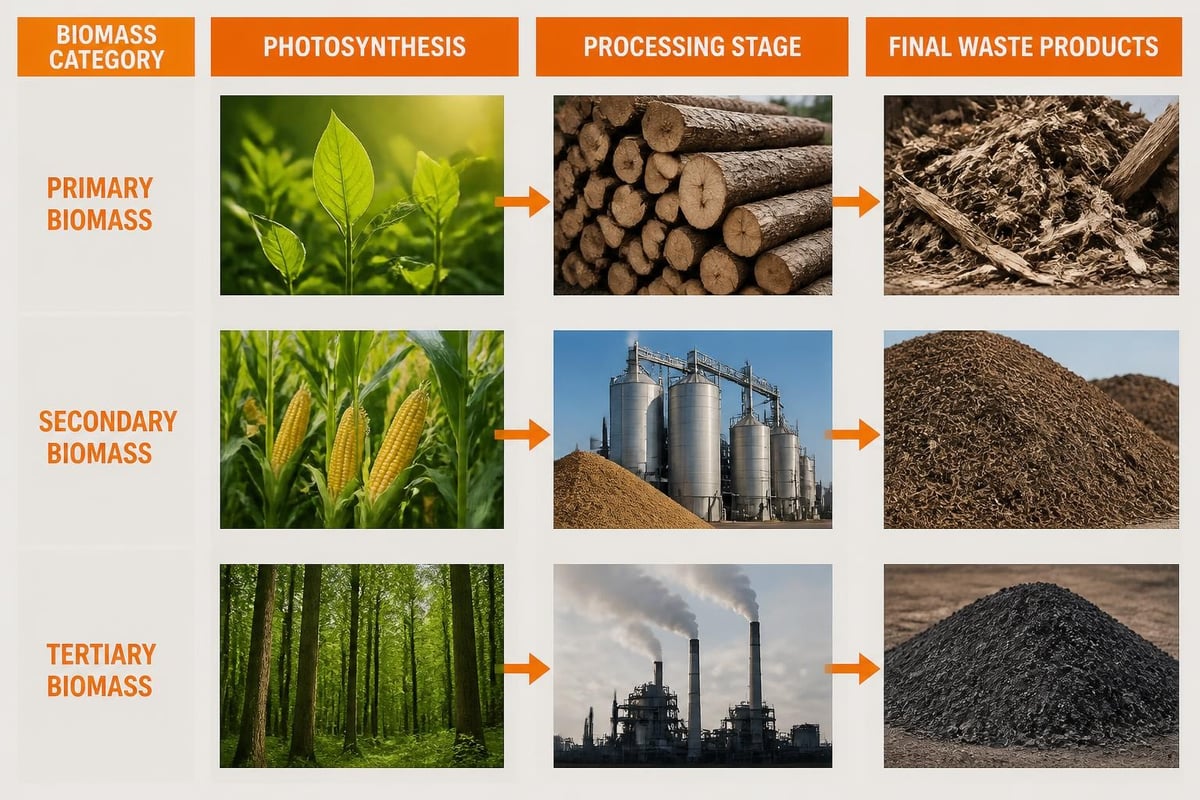
Primary biomass refers to materials produced directly from photosynthesis, including dedicated energy crops and natural vegetation. Secondary biomass consists of residues from processing primary biomass, such as sawdust from timber mills or bagasse from sugar production. Tertiary biomass encompasses waste products from the consumption of biomass materials, including used cooking oils and organic municipal waste.
The moisture content, energy density, and chemical composition of different types of biomass significantly influence their suitability for various conversion processes. High-moisture materials typically require drying before combustion, whilst materials with specific chemical properties may be better suited for biochemical conversion processes such as anaerobic digestion.
Agricultural Biomass Resources
Agricultural activities across South Africa generate substantial quantities of biomass materials suitable for energy production. These residues represent a particularly attractive resource because they arise from existing economic activities, requiring no additional land allocation for cultivation.
Crop Residues and Field Waste
Maize stover, wheat straw, and sugarcane bagasse constitute the most abundant agricultural residues in South Africa. Following harvest, these materials can be collected and processed for energy generation rather than being left to decompose in fields or burned in open fires.
- Maize stover: Leaves, stalks, and cobs remaining after grain harvest
- Wheat straw: Dry stalks left after wheat grain collection
- Sugarcane bagasse: Fibrous material remaining after juice extraction
- Sunflower stalks: Stems and heads from sunflower cultivation
- Cotton stalks: Woody stems from cotton production
The USDA Climate Hubs highlight how agricultural biomass contributes to renewable energy portfolios whilst improving soil health through strategic residue management.
Processing Residues
Agricultural processing facilities generate concentrated biomass streams that offer excellent energy potential. Sugar mills in KwaZulu-Natal and Mpumalanga already utilise bagasse for cogeneration, producing both heat and electricity to power their operations whilst reducing reliance on grid electricity.
Nut shells, fruit pits, rice husks, and grain processing waste all represent valuable energy resources. These materials typically possess low moisture content and high energy density, making them ideal for direct combustion or gasification applications.
Forestry and Wood-Based Biomass
South Africa's forestry sector, concentrated primarily in Mpumalanga, KwaZulu-Natal, and the Eastern Cape, produces various types of biomass suitable for energy applications. The distinction between virgin wood and processing residues affects both availability and economic viability.
Virgin Wood Sources
Purpose-grown energy plantations utilising fast-growing species such as eucalyptus and pine can provide dedicated biomass feedstocks. Short-rotation coppicing allows harvesting cycles of 3-7 years, creating renewable wood supplies specifically for energy generation.
Thinning operations in commercial forests yield significant quantities of small-diameter wood unsuitable for timber or pulp applications. This material provides an ideal energy feedstock whilst supporting sustainable forest management practices.
| Wood Type | Energy Content (MJ/kg) | Moisture Content | Processing Required |
|---|---|---|---|
| Hardwood logs | 18-20 | 15-20% | Chipping, drying |
| Softwood logs | 16-18 | 20-25% | Chipping, drying |
| Wood chips | 15-17 | 25-35% | Drying |
| Sawdust | 15-16 | 10-15% | Pelletising |
| Bark | 12-14 | 40-50% | Drying, grinding |
Processing and Manufacturing Residues
Sawmills, furniture manufacturers, and pulp mills generate substantial residue streams. Sawdust, wood shavings, bark, and off-cuts represent concentrated biomass sources already located at industrial facilities with potential energy demands.
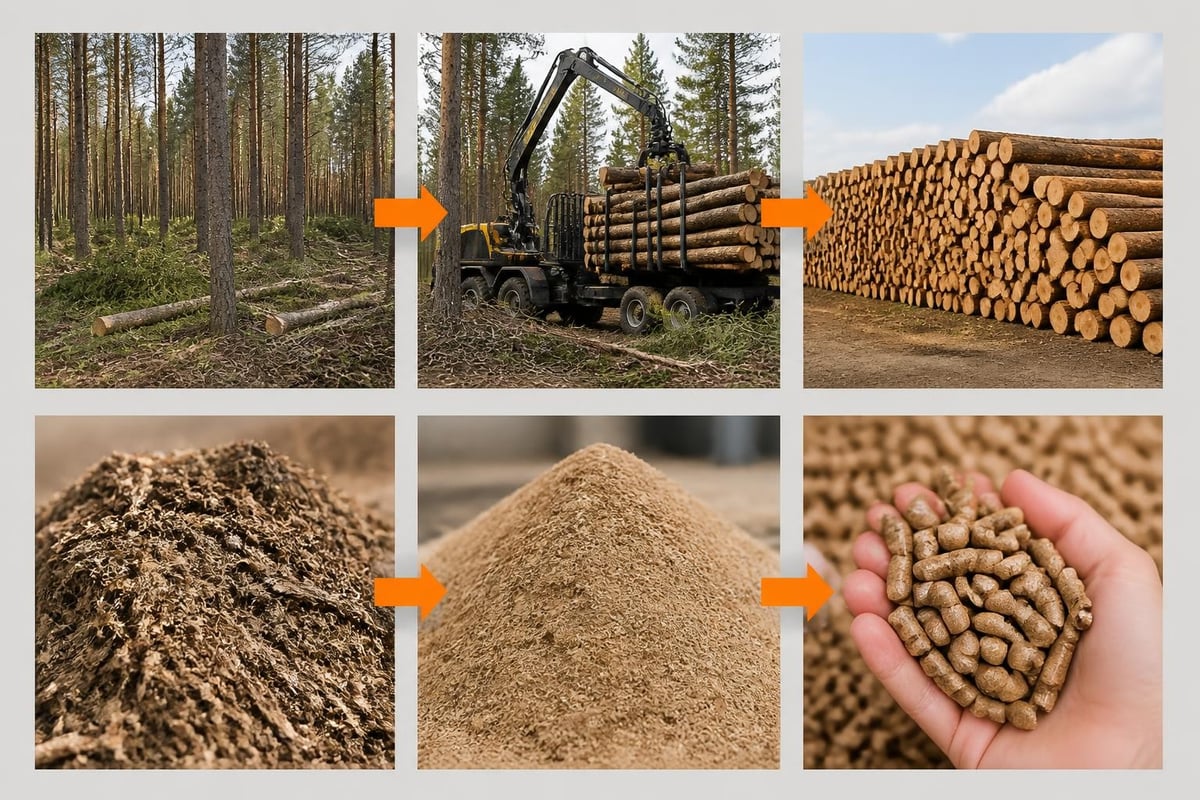
The Energy Encyclopedia details how forestry residues undergo processing for optimal energy conversion, including chipping, drying, and pelletisation.
Energy Crops and Dedicated Biomass Production
Whilst residues dominate current biomass utilisation, dedicated energy crops represent a growing category designed specifically for fuel production rather than food or fibre. These crops optimise yield, energy content, and cultivation requirements for energy applications.
Herbaceous Energy Crops
Perennial grasses such as switchgrass, miscanthus, and elephant grass offer high yields with relatively low input requirements. These crops establish root systems that persist for multiple years, reducing cultivation costs and soil disturbance whilst providing annual harvests.
Advantages of herbaceous energy crops:
- Lower establishment costs compared to woody crops
- Annual harvest cycles providing regular income
- Minimal fertiliser and pesticide requirements
- Carbon sequestration in root systems
- Potential for marginal land utilisation
Woody Energy Crops
Short-rotation forestry using species such as willow, poplar, and eucalyptus produces woody biomass on 3-10 year cycles. These systems achieve higher energy yields per hectare than herbaceous crops but require longer establishment periods and higher initial investment.
Organisations pursuing Net Zero strategies increasingly evaluate dedicated energy crops as part of comprehensive renewable energy portfolios that combine solar, battery storage, and biomass technologies.
Organic Waste and Municipal Solid Waste
The various types of biomass extend beyond agricultural and forestry materials to encompass organic waste streams from urban and industrial sources. These materials offer dual benefits of waste management and energy production.
Food Waste and Kitchen Organics
Commercial food processing facilities, supermarkets, restaurants, and households generate substantial organic waste. This material typically contains high moisture content, making it unsuitable for direct combustion but ideal for anaerobic digestion processes that produce biogas.
Municipalities across South Africa face growing pressure to divert organic waste from landfills. Converting this material to energy addresses both waste management challenges and renewable energy targets simultaneously.
Sewage Sludge and Wastewater Treatment Residues
Wastewater treatment facilities produce biosolids containing significant organic content. Whilst requiring careful handling due to potential contaminants, these materials can undergo anaerobic digestion or thermal conversion to extract energy value.
| Waste Type | Typical Moisture | Energy Potential | Best Conversion Method |
|---|---|---|---|
| Food waste | 70-80% | 4-6 MJ/kg dry | Anaerobic digestion |
| Garden waste | 40-60% | 12-15 MJ/kg dry | Composting or combustion |
| Paper/cardboard | 5-10% | 15-17 MJ/kg dry | Combustion or gasification |
| Sewage sludge | 75-85% | 8-12 MJ/kg dry | Anaerobic digestion |
Animal Waste and Livestock Residues
Agricultural operations involving livestock generate organic waste materials suitable for energy conversion. Cattle, poultry, and pig farming across South Africa produce manures and bedding materials that represent untapped energy resources.
Manure Management Systems
Traditional manure management focuses on nutrient value for soil application. However, energy recovery through anaerobic digestion captures methane emissions that would otherwise contribute to greenhouse gas emissions whilst producing digestate suitable for fertiliser application.
Commercial poultry operations in provinces such as the Western Cape and North West generate concentrated manure supplies. These facilities increasingly investigate biogas systems that convert waste into electricity for on-site consumption, reducing grid dependence and operating costs.
Integrated Farm Energy Systems
Progressive agricultural operations combine multiple renewable technologies to achieve energy independence. Solar installations provide daytime electricity generation, battery storage systems address evening peak demands, and biogas from livestock waste offers dispatchable backup power during extended low-solar periods.
The U.S. Department of Energy outlines how biomass expands domestic energy resources through diverse organic feedstocks, a principle equally applicable to South African energy planning.
Aquatic Biomass and Algae
Emerging types of biomass include aquatic plants and microalgae, which offer unique advantages including high growth rates and cultivation in water unsuitable for conventional agriculture. Whilst less commercially developed than terrestrial biomass, these resources present significant long-term potential.
Macroalgae and Seaweed
Coastal regions possess potential for seaweed cultivation, which achieves rapid growth without freshwater, fertiliser, or arable land requirements. Species such as kelp accumulate substantial biomass suitable for biochemical conversion or direct combustion following drying.
Microalgae Systems
Microscopic algae species achieve exceptionally high productivity rates, potentially yielding 20-30 times more biomass per hectare than terrestrial crops. These systems require controlled cultivation in ponds or photobioreactors, representing higher capital costs but offering valuable co-products including biodiesel, animal feed, and speciality chemicals.
Current research focuses on reducing cultivation costs and improving harvesting efficiency to make microalgae economically competitive with conventional biomass sources.

Industrial Process Residues
Manufacturing and processing industries generate organic residues that qualify as types of biomass suitable for energy recovery. These materials arise from diverse sectors including food processing, beverage production, textile manufacturing, and chemical industries.
Food and Beverage Industry Wastes
Breweries produce spent grain containing residual sugars and organic matter. Fruit processing facilities generate pomace, peels, and seeds. Vegetable processing creates trimmings, leaves, and rejected produce. Each waste stream possesses distinct characteristics influencing optimal conversion approaches.
Processing steps for industrial biomass utilisation:
- Characterisation and composition analysis
- Segregation and contamination removal
- Moisture adjustment through drying or dewatering
- Size reduction via grinding or chipping
- Storage and handling system design
- Conversion technology selection
Textile and Paper Industry Residues
Natural fibre processing generates substantial organic waste. Cotton ginning produces seeds and lint unsuitable for textile applications. Paper mills create sludge containing cellulose fibres and organic compounds. These materials require specific handling due to potential chemical additives but represent significant energy resources.
ScienceInsights examines the trade-offs involved in biomass utilisation, helping organisations balance environmental benefits against processing requirements and costs.
Biomass Quality Factors and Selection Criteria
Selecting appropriate types of biomass for specific applications requires evaluating multiple quality parameters beyond simple availability. Energy density, moisture content, ash composition, and logistical considerations all influence economic viability and technical performance.
Physical and Chemical Properties
The heating value of biomass materials varies from 12-20 MJ/kg for dry organic matter, significantly lower than coal's 25-30 MJ/kg but adequate for dedicated biomass systems. Moisture content directly affects net energy recovery, with materials exceeding 50% moisture requiring energy-intensive drying or alternative conversion methods.
Ash content and composition influence equipment selection and maintenance requirements. High-silica materials cause abrasive wear, whilst materials rich in potassium and chlorine may form deposits during combustion, requiring specialised furnace designs.
Logistical and Economic Considerations
Biomass typically possesses lower energy density than fossil fuels, increasing transportation costs per unit of energy delivered. Successful biomass projects generally source materials within 50-100 kilometres to maintain economic viability, favouring locally abundant residues over materials requiring long-distance transport.
Storage requirements differ substantially between biomass types. Dry wood chips remain stable for months with proper ventilation, whilst wet agricultural residues may require immediate processing to prevent degradation and energy loss through microbial activity.
Regional Biomass Availability in South Africa
South Africa's diverse agricultural and forestry sectors create regional concentrations of specific biomass types. Understanding this geographic distribution helps identify optimal locations for biomass energy projects and informs strategic planning for renewable energy portfolios.
Provincial Biomass Resources
Mpumalanga's extensive forestry plantations and sugarcane cultivation generate substantial woody biomass and bagasse. KwaZulu-Natal's sugar industry produces Africa's largest bagasse supplies, with mills already utilising this resource for cogeneration. The Western Cape's wine industry creates grape pomace and vine prunings, whilst wheat farming in the Free State produces significant straw quantities.
| Province | Primary Biomass Types | Estimated Annual Availability | Main Applications |
|---|---|---|---|
| Mpumalanga | Forestry residues, bagasse | 2.5 million tonnes | Cogeneration, pellets |
| KwaZulu-Natal | Bagasse, forestry residues | 3.2 million tonnes | Sugar mill power, heating |
| Western Cape | Agricultural residues, prunings | 1.8 million tonnes | Wine industry energy, heating |
| Free State | Crop residues, maize stover | 2.1 million tonnes | Rural energy, biogas |
| Eastern Cape | Forestry residues, livestock waste | 1.6 million tonnes | Mixed applications |
Urban Biomass Concentrations
Major metropolitan areas including Johannesburg, Cape Town, and Durban generate concentrated organic waste streams from municipal solid waste, food processing, and wastewater treatment. These urban biomass resources support distributed energy projects reducing transmission losses whilst addressing waste management challenges.
Electric Guide explores how different biomass types suit various energy production applications, from small-scale heating to large industrial cogeneration systems.
Integration with Modern Renewable Energy Systems
The various types of biomass complement other renewable technologies within integrated energy systems. Unlike solar and wind resources that fluctuate with weather conditions, biomass provides dispatchable power generation, enhancing overall system reliability and grid stability.
Hybrid System Design
Commercial and industrial facilities increasingly deploy hybrid systems combining solar photovoltaic arrays, battery storage, and biomass backup generation. Solar panels generate electricity during daylight hours, batteries manage evening peaks and short-duration outages, whilst biomass systems provide extended backup power during multi-day weather events or maintenance periods.
This approach maximises renewable energy utilisation whilst maintaining operational continuity. Agricultural operations benefit particularly from this configuration, generating both solar electricity and producing biomass feedstocks from normal farming activities.
Seasonal Complementarity
Biomass availability often peaks when solar generation decreases. Agricultural residues become available following harvest periods, whilst winter months bring reduced solar output but increased heating demands ideally suited to biomass combustion. This seasonal complementarity strengthens the business case for diversified renewable portfolios.
Energy management systems optimise dispatch between different generation sources, prioritising lowest-cost renewable electricity whilst maintaining reserve capacity for demand spikes or supply interruptions. Understanding the various types of biomass available throughout the year enables more sophisticated energy planning and procurement strategies.
Businesses exploring comprehensive renewable solutions benefit from examining successful renewable energy installations that demonstrate integrated technology approaches across diverse sectors and applications.
Environmental Considerations and Sustainability
Whilst biomass qualifies as renewable energy, sustainability depends critically on sourcing practices, conversion efficiency, and lifecycle emissions. Not all types of biomass deliver equivalent environmental benefits, requiring careful evaluation of specific feedstocks and production systems.
Carbon Neutrality and Lifecycle Assessment
Biomass combustion releases carbon dioxide, but plants absorb equivalent CO₂ during growth, theoretically creating carbon neutrality. However, true climate impact depends on cultivation methods, processing energy, transportation distances, and whether biomass replaces forest carbon stocks or utilises genuine waste materials.
Agricultural residues and processing wastes generally offer superior carbon profiles compared to dedicated energy crops requiring additional land conversion. Forest residues must balance energy recovery against ecosystem nutrient cycling needs, avoiding excessive removal that degrades soil fertility.
Sustainable Sourcing Principles
Responsible biomass utilisation follows clear sustainability criteria:
- Prioritise genuine waste materials and processing residues
- Ensure agricultural residues removal doesn't compromise soil health
- Source forestry materials from certified sustainable operations
- Avoid competition with food production or biodiversity conservation
- Implement efficient conversion technologies maximising energy recovery
- Minimise transportation distances through local sourcing
Organisations pursuing ESG objectives and carbon reduction targets must demonstrate sustainable biomass sourcing through transparent supply chains and third-party certification schemes.
Future Developments in Biomass Technology
Advancing conversion technologies and emerging feedstock types continue expanding biomass applications within renewable energy systems. Understanding these developments helps organisations anticipate future opportunities and challenges.
Advanced Conversion Processes
Traditional combustion remains dominant, but gasification, pyrolysis, and biochemical conversion processes offer improved efficiency and valuable co-products. Gasification converts biomass into synthetic gas suitable for engine-generator sets or chemical synthesis. Pyrolysis produces bio-oil, biochar, and syngas from thermal decomposition in oxygen-limited conditions.
Anaerobic digestion transforms wet organic materials into biogas containing 55-70% methane, suitable for electricity generation, heating, or vehicle fuel following upgrading. This process suits the various types of biomass with high moisture content unsuitable for direct combustion.
Emerging Feedstocks and Resources
Research continues identifying novel biomass sources including invasive plant species, municipal green waste, and agricultural byproducts previously considered valueless. Converting these materials to energy provides dual environmental benefits of waste reduction and renewable energy generation.
Advanced algae cultivation systems, whilst currently expensive, promise future cost reductions through improved strains, automated harvesting, and integrated biorefinery concepts producing multiple revenue streams from single feedstock inputs.
Commercial organisations monitoring energy market developments benefit from staying informed through industry resources that track emerging technologies and implementation case studies.
Understanding the diverse types of biomass available for renewable energy applications enables organisations to develop comprehensive sustainability strategies that leverage locally available organic resources alongside proven technologies such as solar and battery storage. INFOLED combines expertise in solar photovoltaic systems, battery energy storage, and integrated renewable solutions to help commercial, industrial, and agricultural clients across Southern Africa reduce electricity costs, enhance energy resilience, and achieve ESG objectives through tailored renewable energy implementations.
Next Step
Need help with your energy strategy?
Speak to INFOLED about solar, storage, EV charging, service agreements or system performance.