The transition to sustainable power generation has transformed from an environmental aspiration into a strategic business imperative across Southern Africa. As electricity costs continue to rise and grid reliability challenges persist, organisations are increasingly turning to professional renewable energy services to secure their energy future. These services encompass the entire lifecycle of sustainable power systems, from initial feasibility assessments through to long-term operations and maintenance, providing businesses with comprehensive solutions that address both immediate energy needs and future sustainability goals.
Understanding the Scope of Renewable Energy Services
Renewable energy services represent a multidisciplinary approach to implementing sustainable power solutions. Rather than simply purchasing equipment, businesses benefit from integrated expertise spanning engineering, financial modelling, regulatory compliance, installation, and ongoing system optimisation.
Professional service providers deliver value across multiple dimensions. Engineering services form the foundation, involving detailed energy audits, load studies, and feasibility assessments that determine the optimal technology mix for each unique application. Financial modelling helps organisations understand the return on investment, payback periods, and cash flow implications of renewable energy investments.
The Engineering Foundation
Technical excellence begins with thorough site assessments and energy profiling. Engineers analyse consumption patterns, peak demand periods, available renewable resources, and grid connection requirements to design systems that deliver maximum value.
Key engineering deliverables include:
- Comprehensive energy audits identifying consumption patterns and efficiency opportunities
- Feasibility studies evaluating technology options and financial viability
- Detailed electrical designs complying with municipal and national regulations
- Grid application management for commercial and industrial installations
- Commissioning protocols ensuring systems operate at design specifications
The U.S. Environmental Protection Agency's state renewable energy resources guide highlights how regional policies and resources influence renewable energy implementation, a principle equally applicable in South Africa's diverse energy landscape.

Solar Photovoltaic Solutions as a Core Service
Solar PV remains the cornerstone of renewable energy services across Southern Africa, driven by exceptional solar irradiation levels averaging 4.5 to 6.5 kWh per square metre daily. Professional solar services extend far beyond panel installation to encompass design optimisation, financing solutions, and long-term asset management.
Commercial and Industrial Solar Applications
Businesses are adopting various solar configurations tailored to their specific requirements and site constraints:
| Configuration | Application | Key Benefits |
|---|---|---|
| Rooftop Solar | Office buildings, warehouses, factories | Minimal land requirements, immediate cost savings |
| Ground Mount | Agricultural operations, large industrial sites | Scalability, optimal panel orientation |
| Carport Solar | Shopping centres, corporate campuses | Dual functionality, shaded parking |
| Hybrid Systems | Operations requiring backup power | Grid resilience, reduced diesel dependency |
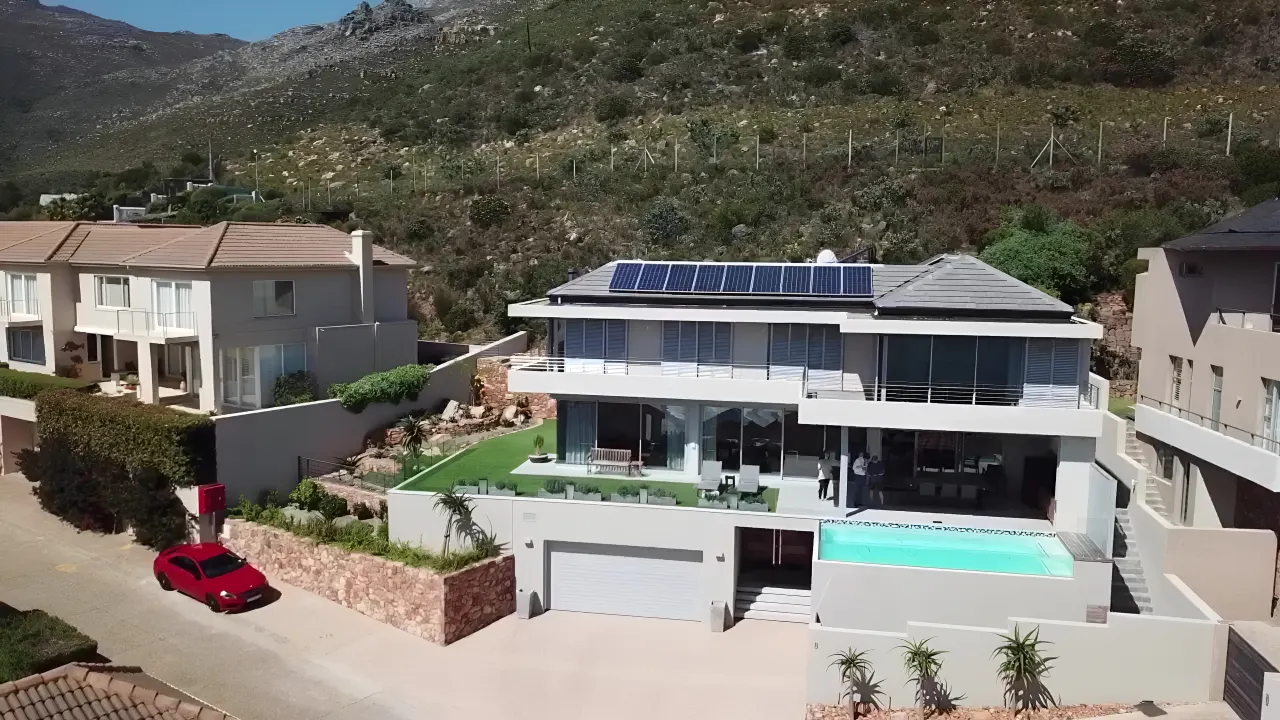
The Commercial, Industrial, Agricultural and Residential Solar PV services offered by specialist providers demonstrate the breadth of configurations available to South African businesses seeking to reduce electricity costs whilst improving energy security.
Grid-tied systems allow businesses to offset daytime consumption and potentially export excess generation under applicable tariff structures. Hybrid configurations incorporate battery storage for enhanced resilience during grid outages and load shedding events. Off-grid solutions serve remote locations where grid connection costs prove prohibitive.
Financial Structures and Procurement Models
Renewable energy services now offer diverse financing mechanisms that remove capital barriers. Power purchase agreements enable businesses to access solar energy without upfront investment, paying only for electricity generated at rates typically below municipal tariffs. Lease arrangements provide similar benefits whilst offering eventual asset ownership.
Capital purchases remain attractive for organisations with available treasury resources, delivering the highest long-term returns. Professional financial modelling accounts for depreciation benefits, VAT treatment, carbon tax implications, and evolving electricity tariff structures to provide accurate investment analysis.
Battery Energy Storage Systems Integration
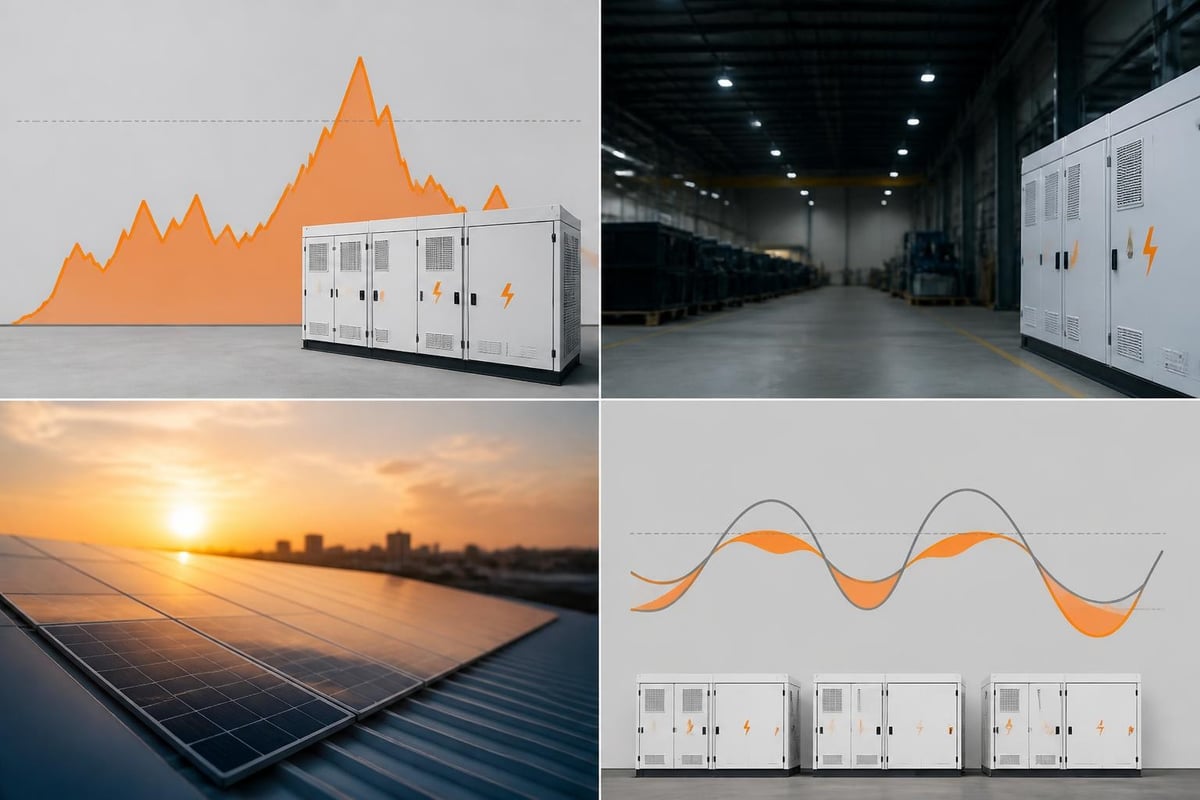
Battery energy storage systems (BESS) have evolved from backup power solutions into sophisticated energy management tools. Modern renewable energy services integrate BESS to deliver peak shaving, demand management, load shedding protection, and energy arbitrage capabilities.
Commercial and industrial BESS applications focus on reducing maximum demand charges, which can constitute 30-50% of electricity costs for high-consumption operations. By intelligently discharging during peak periods and recharging during off-peak hours or solar generation periods, businesses achieve substantial savings.
BESS Design Considerations
Professional BESS services address critical technical and commercial factors:
- Sizing methodology based on load profiles, demand charge structures, and backup requirements
- Chemistry selection balancing lithium iron phosphate safety with lithium NMC energy density
- Inverter topology determining system flexibility and expansion capability
- Warranty structures covering capacity degradation and cycle life guarantees
- Fire suppression systems meeting insurance and regulatory requirements
The integration of BESS with existing solar installations creates hybrid systems delivering 24-hour renewable energy availability. This combination proves particularly valuable for operations requiring continuous power or those seeking to maximise self-consumption and reduce grid dependence.
Electric Vehicle Charging Infrastructure Services
The rapid adoption of electric vehicles across South African fleets necessitates professional EV charging infrastructure services. Businesses require comprehensive solutions encompassing site assessment, electrical capacity evaluation, charging technology selection, installation, and ongoing management.
Workplace charging installations serve dual purposes: enabling employee EV adoption whilst potentially generating ancillary revenue. Fleet operators transitioning to electric vehicles require depot charging solutions tailored to operational schedules and vehicle specifications. Public charging infrastructure presents commercial opportunities for property owners and retail operators.
Charging Technology Options
| Charging Type | Power Output | Application | Charging Duration |
|---|---|---|---|
| AC Level 2 | 7-22 kW | Workplace, residential | 4-8 hours full charge |
| DC Fast Charging | 50-150 kW | Fleet depots, public stations | 20-40 minutes to 80% |
| Ultra-Rapid DC | 150-350 kW | Highway corridors, commercial hubs | 10-15 minutes to 80% |
Professional services address load management to prevent grid connection upgrades, integrate renewable energy to reduce charging costs, and implement charging-as-a-service models that generate revenue from public access. The U.S. Department of Energy's federal site energy procurement options provides insights into strategic energy procurement, applicable to comprehensive renewable energy and EV charging deployments.
Smart Metering and Energy Analytics
Advanced metering infrastructure forms the intelligence layer of modern renewable energy services. Smart metering enables granular visibility into energy consumption patterns, supporting informed decision-making and continuous optimisation.
Commercial facilities with multiple tenants benefit from sub-metering that accurately allocates electricity costs. Municipal metering provides precise consumption data for billing reconciliation. Energy analytics platforms transform raw meter data into actionable insights, identifying inefficiencies, anomalies, and optimisation opportunities.
Real-time monitoring capabilities allow facility managers to respond immediately to unexpected consumption patterns. Historical trending supports budgeting and forecasting. Tariff optimisation services ensure businesses exploit time-of-use structures effectively, shifting flexible loads to low-tariff periods.
Operations, Maintenance and Performance Management
The long-term value of renewable energy installations depends critically on professional operations and maintenance services. Solar PV systems require preventative maintenance protocols including panel cleaning, inverter servicing, connection integrity testing, and performance audits to maintain optimal output.
Maintenance Service Structures
Comprehensive O&M programmes typically include:
- Remote monitoring providing 24/7 system oversight and immediate fault detection
- Preventative maintenance schedules aligned with manufacturer recommendations
- Corrective maintenance with guaranteed response times and parts availability
- Performance guarantees ensuring systems achieve contracted generation levels
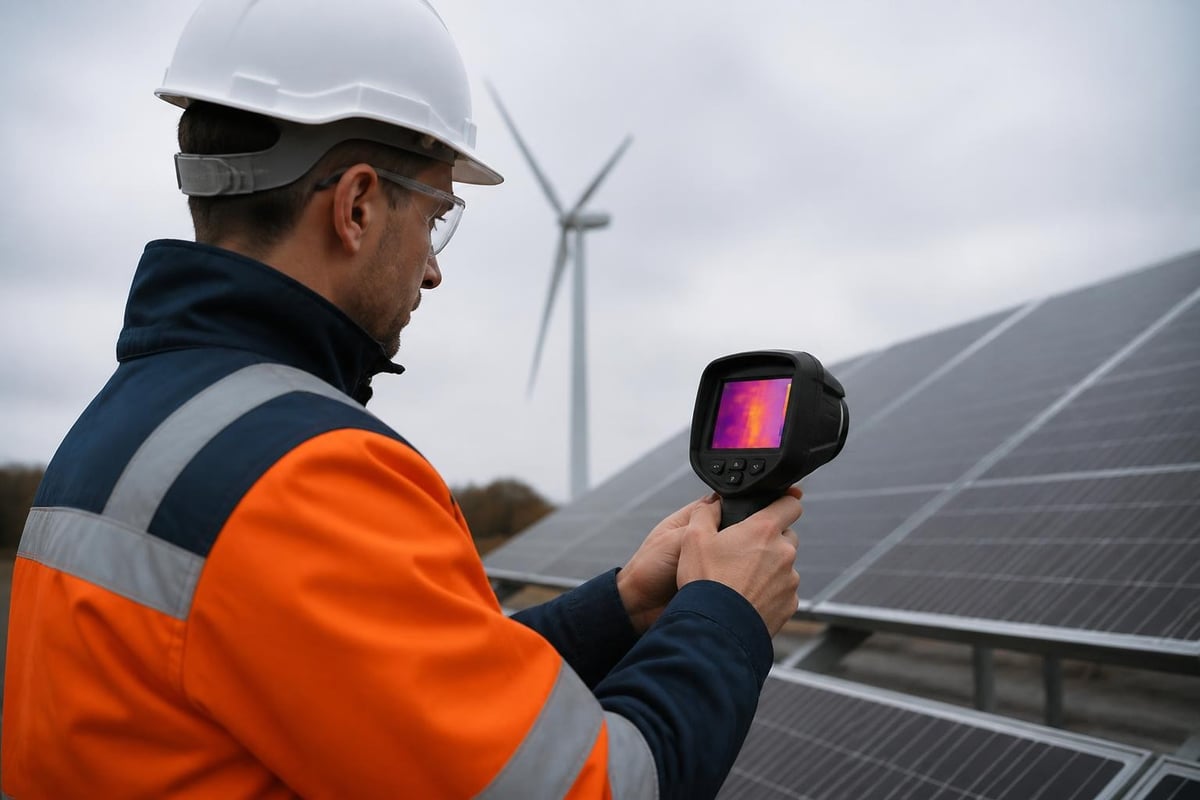
- Thermal imaging and drone inspections identifying hot spots and panel defects
Service level agreements define response times, uptime guarantees, and performance penalties, providing certainty around long-term system availability. The service level agreements established by professional providers outline these commitments explicitly.
Battery systems require capacity testing, balance of system monitoring, and thermal management to ensure longevity. EV charging infrastructure demands regular electrical testing, connectivity verification, and user interface maintenance.
Regulatory Compliance and Grid Integration
Professional renewable energy services navigate complex regulatory frameworks governing grid connection, environmental compliance, and safety standards. Grid applications for commercial installations exceeding certain capacity thresholds require detailed technical submissions and municipality approval processes.
South African regulations mandate compliance with SANS 10142-1 for wiring of premises and NRS 097-2-3 for grid-connected systems. Professional service providers manage these compliance requirements, ensuring installations meet all technical and legal specifications.
Environmental considerations include proper handling of hazardous materials during installation and decommissioning. The emerging regulatory framework around extended producer responsibility (EPR) for solar panels and batteries requires service providers to implement recycling programmes ensuring responsible end-of-life management.
Supporting ESG and Net Zero Commitments
Corporate sustainability commitments increasingly drive renewable energy service demand. Businesses pursuing environmental, social, and governance (ESG) objectives require verifiable renewable energy credentials supported by professional documentation.
Renewable Energy Certificates (RECs) provide tradeable proof of renewable generation. The EPA's energy attribute tracking systems guide explains how these certificates verify renewable energy claims, supporting corporate sustainability reporting.
Carbon accounting services quantify emissions reductions from renewable energy installations, supporting scope 2 emissions reporting under frameworks like the Carbon Disclosure Project and Global Reporting Initiative. Net zero planning services develop roadmaps integrating renewable energy, energy efficiency, and offset strategies to achieve carbon neutrality targets.
Technology Integration and Future-Proofing
Advanced renewable energy services increasingly incorporate artificial intelligence and machine learning for predictive maintenance and system optimisation. AI-powered analytics forecast generation patterns, predict equipment failures before they occur, and optimise battery charging strategies based on weather forecasts and tariff structures.
Internet of Things (IoT) connectivity enables sophisticated building energy management systems that coordinate HVAC, lighting, and process loads with renewable generation and battery storage. This integrated approach maximises self-consumption and minimises grid dependence.
Future-proofing considerations include:
- Modular designs enabling cost-effective capacity expansion
- Technology-agnostic platforms supporting evolving equipment standards
- Grid services capability positioning systems for potential ancillary services revenue
- Vehicle-to-grid integration preparing for bidirectional EV charging applications
The Library of Congress renewable energy research guide offers comprehensive resources on emerging technologies and industry developments shaping the future of renewable energy services.
Selecting the Right Service Provider
Choosing appropriate renewable energy services requires evaluating provider capabilities across multiple dimensions. Technical expertise must extend beyond single technologies to encompass integrated system design. Financial stability ensures providers can honour long-term warranties and service commitments.
Track record verification through reference sites and project portfolios demonstrates practical experience with similar applications. Certification credentials including professional engineering registration and manufacturer accreditations indicate technical competence.
| Evaluation Criteria | Considerations |
|---|---|
| Technical Capability | Multi-technology expertise, in-house engineering, design tools |
| Financial Strength | Balance sheet, insurance coverage, performance bonds |
| Track Record | Reference sites, installed capacity, client testimonials |
| Service Depth | O&M capability, monitoring platforms, response times |
| Financial Solutions | Financing options, partnership networks, procurement models |
Local presence matters significantly for maintenance and support responsiveness. Providers with regional service teams and parts inventory ensure minimal downtime when issues arise.
Industry Trends Reshaping Service Delivery
The renewable energy services landscape continues evolving rapidly. Energy-as-a-service models are gaining traction, with providers retaining asset ownership and delivering guaranteed electricity costs or savings. This approach eliminates client capital investment and transfers technology risk to the service provider.
Digital twin technology enables virtual commissioning and performance prediction before physical installation. Blockchain applications promise transparent renewable energy trading and automated smart contracts for power purchase agreements. Academic journals covering renewable energy provide peer-reviewed research on these emerging service innovations.
Community solar programmes allow businesses without suitable facilities to access renewable energy through off-site installations. Virtual wheeling regulations, where implemented, enable renewable energy generated at remote locations to offset consumption at client premises.
The convergence of renewable energy with water infrastructure presents emerging opportunities. Solar-powered water treatment and pumping reduce operational costs for water-intensive industries whilst supporting water security objectives.
Comprehensive renewable energy services deliver far more than equipment installation, providing integrated solutions that address energy costs, reliability, and sustainability objectives simultaneously. From initial feasibility through decades of operation, professional service providers maximise the value and performance of renewable energy investments whilst minimising risk and complexity for their clients. INFOLED combines deep engineering expertise with proven implementation experience across solar PV, battery storage, EV charging, and smart metering technologies, delivering tailored renewable energy solutions that reduce electricity costs and support ESG commitments for commercial, industrial, and residential clients throughout Southern Africa.
Next Step
Need help with your energy strategy?
Speak to INFOLED about solar, storage, EV charging, service agreements or system performance.