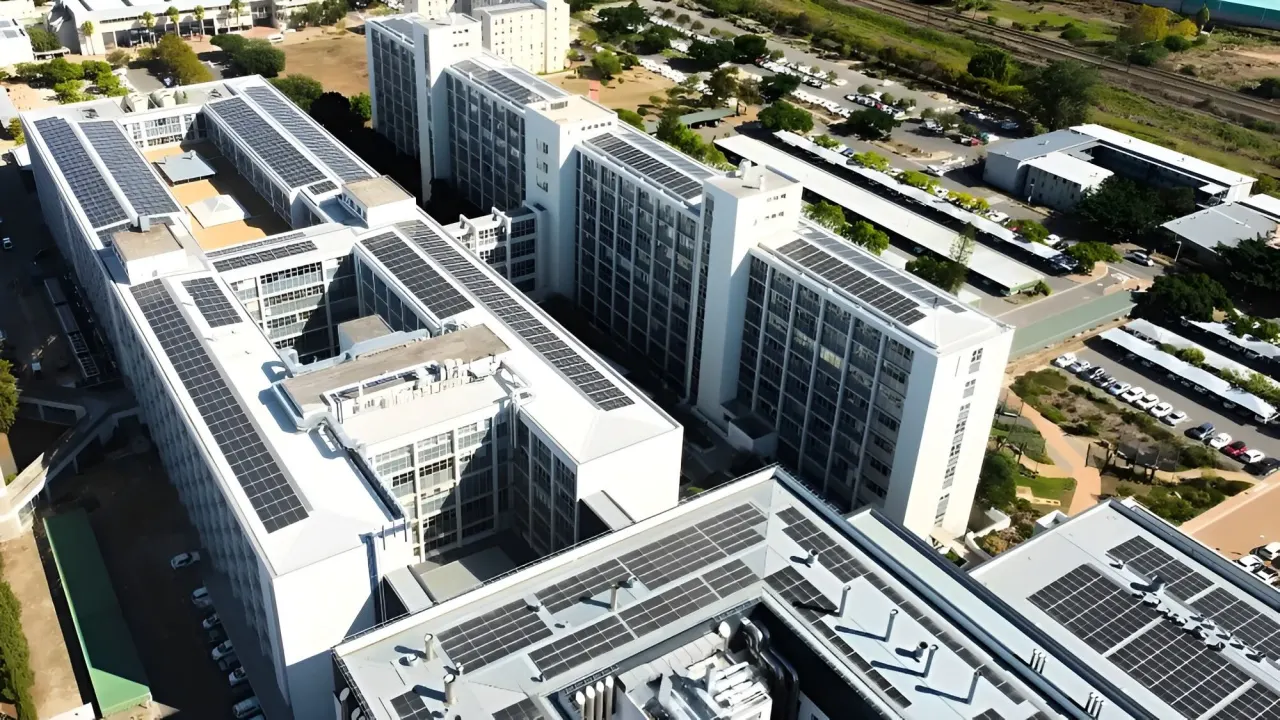
Solar power photovoltaic technology has transformed the energy landscape across Southern Africa, offering businesses and homeowners a sustainable pathway to energy independence. As electricity costs continue to rise and load shedding persists as a challenge throughout 2026, photovoltaic systems represent both an economic necessity and an environmental imperative. Understanding the fundamentals of this technology empowers organisations to make informed decisions about their energy future.
Understanding Solar Power Photovoltaic Technology
Solar power photovoltaic systems convert sunlight directly into electricity through semiconductor materials that exhibit the photovoltaic effect. When photons strike these materials, they dislodge electrons, creating an electrical current that can power facilities, charge batteries, or feed into the grid.
The core component of any photovoltaic system is the solar cell, typically manufactured from silicon wafers. These cells are assembled into modules, commonly known as solar panels, which are then configured into arrays sized to meet specific energy requirements. Modern photovoltaic materials and devices have achieved remarkable efficiency improvements over the past decade, with commercial panels now regularly exceeding 20% conversion efficiency.
Key Components of Photovoltaic Systems
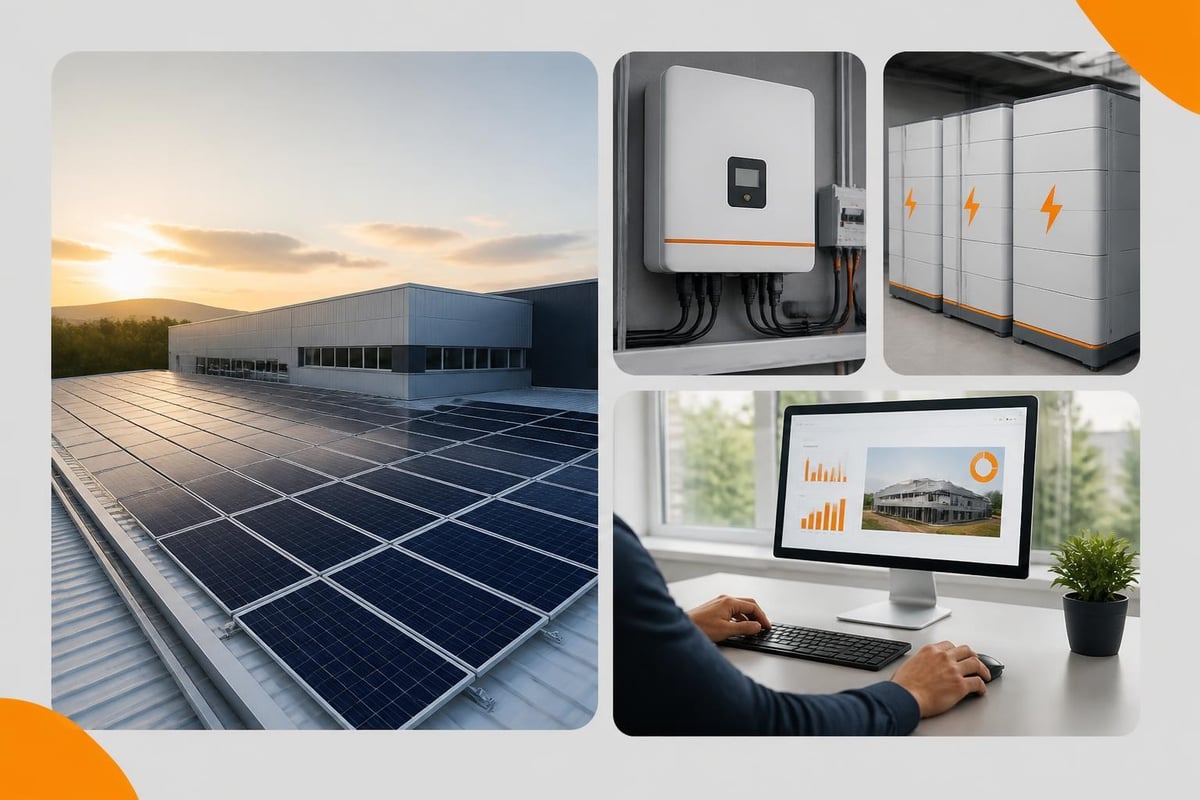
Every solar power photovoltaic installation comprises several essential elements working in concert:
- Solar panels: Convert sunlight into direct current (DC) electricity
- Inverters: Transform DC power into alternating current (AC) for standard appliances
- Mounting structures: Secure panels at optimal angles for maximum sun exposure
- Balance of system components: Include wiring, disconnects, breakers, and monitoring equipment
- Optional battery storage: Enables energy use during evening hours or grid outages
The configuration of these components varies significantly based on system type. Grid-tied installations prioritise simplicity and cost-effectiveness, whilst hybrid systems incorporate battery storage for enhanced resilience. Off-grid configurations require comprehensive battery banks and careful load management to ensure continuous power availability.
System Design Considerations for Commercial Applications
Proper solar photovoltaic system design requires careful analysis of multiple factors specific to each facility. Energy consumption patterns, available roof or ground space, structural capacity, and financial objectives all influence the optimal configuration.
Site Assessment and Energy Audits
Before implementing solar power photovoltaic solutions, comprehensive site evaluations identify opportunities and constraints. Professional engineers examine historical electricity consumption data, typically reviewing 12 to 24 months of utility bills to establish baseline usage patterns. Peak demand periods, seasonal variations, and future growth projections inform system sizing decisions.
Physical site inspections assess roof condition, orientation, and shading from surrounding structures or vegetation. In Johannesburg, Cape Town, and Durban, buildings face unique challenges ranging from coastal corrosion to highveld hail considerations. Structural engineers verify that existing supports can accommodate additional panel weight, particularly crucial for older commercial properties.
| Assessment Factor | Consideration | Impact on Design |
|---|---|---|
| Roof Orientation | North-facing ideal for Southern Hemisphere | Affects panel placement and tilt angle |
| Shading Analysis | Trees, buildings, equipment | Determines usable installation area |
| Structural Capacity | Load-bearing limits | May require reinforcement or ground-mount |
| Available Space | Roof, carport, or ground areas | Defines maximum system size |
Financial Modelling and Return on Investment
Solar power photovoltaic investments deliver compelling financial returns when properly structured. System costs in South Africa have declined dramatically, with commercial installations now ranging from R10,000 to R15,000 per installed kilowatt, depending on scale and complexity.
Payback periods typically span four to seven years for commercial installations, influenced by electricity tariff structures, system performance, and available incentives. The Section 12B tax allowance, whilst modified in recent years, still provides significant benefits for renewable energy investments. Businesses can accelerate returns through various financing mechanisms, including power purchase agreements that require minimal upfront capital.
Monthly electricity savings accumulate immediately upon system commissioning. A 100kW commercial installation generating 160,000 kWh annually at an average tariff of R2.50 per kWh delivers R400,000 in annual savings, excluding future tariff escalations which historically average 7% to 10% annually.
Photovoltaic Technologies and Panel Selection
The solar power photovoltaic market offers diverse panel technologies, each with distinct performance characteristics and price points. Understanding these differences enables informed equipment selection aligned with project requirements and budget constraints.
Monocrystalline vs Polycrystalline Silicon
Monocrystalline panels, manufactured from single-crystal silicon wafers, achieve the highest efficiency ratings currently available in commercial products. These panels perform exceptionally well in limited space applications where maximum power generation per square metre is essential. Their uniform black appearance appeals to architectural considerations, particularly relevant for visible rooftop installations in commercial settings.
Polycrystalline panels, produced from multiple silicon crystals, offer slightly lower efficiency at reduced cost. The performance differential has narrowed considerably, making polycrystalline options viable for installations with ample available space. Both technologies demonstrate excellent durability, with manufacturer warranties typically guaranteeing 80% to 85% output after 25 years.
Emerging Technologies
Photovoltaic research and development continues advancing efficiency and reducing costs through innovative approaches. Bifacial panels capture reflected light from roof surfaces or ground cover, increasing energy yield by 10% to 25% depending on installation conditions. This technology particularly benefits installations with reflective roof membranes or light-coloured ground cover.
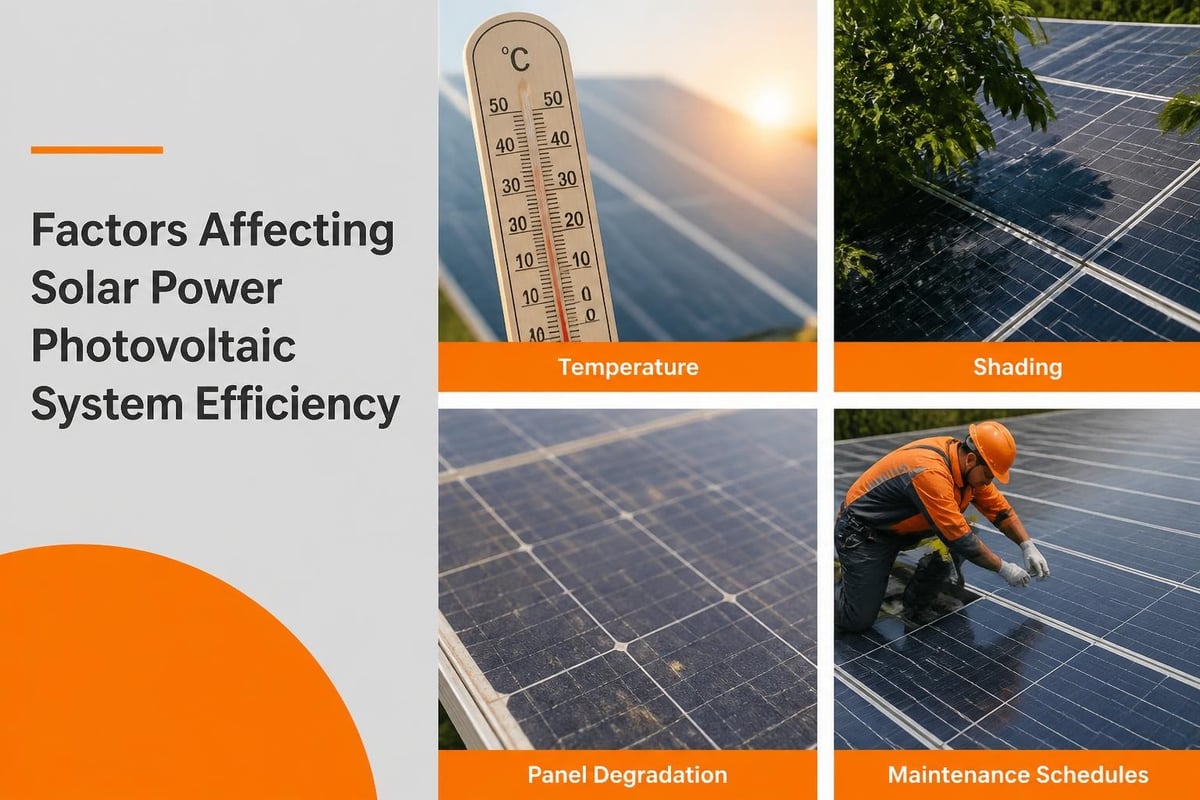
Half-cut cell technology reduces resistive losses and improves shade tolerance by dividing standard cells into smaller units. This design minimises the impact of partial shading, a common challenge in urban commercial environments where adjacent buildings or equipment may cast shadows during portions of the day.
Installation Methods and Configurations
Solar power photovoltaic systems accommodate diverse installation scenarios, from rooftop arrays to ground-mounted facilities. Each approach presents unique advantages and implementation requirements suited to specific site conditions and operational needs.
Rooftop Installations
Rooftop arrays maximise use of existing structures without consuming valuable ground space. Commercial and industrial facilities typically possess extensive roof areas ideal for photovoltaic deployment. Mounting systems attach directly to roof structures using penetrating or non-penetrating methods, depending on roof type and waterproofing requirements.
Flat commercial roofs employ ballasted racking systems that minimise roof penetrations whilst providing optimal tilt angles. These installations simplify future panel maintenance and replacement whilst distributing weight evenly across roof structures. Pitched roofs utilise rail-based mounting systems that follow existing roof planes, maintaining building aesthetics whilst securing panels against wind loads.
Ground-Mounted and Carport Systems
Ground-mounted installations suit properties with available land but limited roof capacity or structural constraints. These systems offer easier access for maintenance and cleaning whilst allowing flexible panel orientation independent of building architecture. Agricultural operations frequently combine ground-mount arrays with continued land use beneath raised panel structures.
Carport installations transform parking areas into dual-purpose facilities generating renewable energy whilst protecting vehicles from weather. These structures create visible sustainability statements whilst generating substantial power from otherwise underutilised spaces. INFOLED has successfully deployed carport solar solutions across Southern Africa, combining practical vehicle protection with significant energy generation for commercial clients.
System Performance and Monitoring
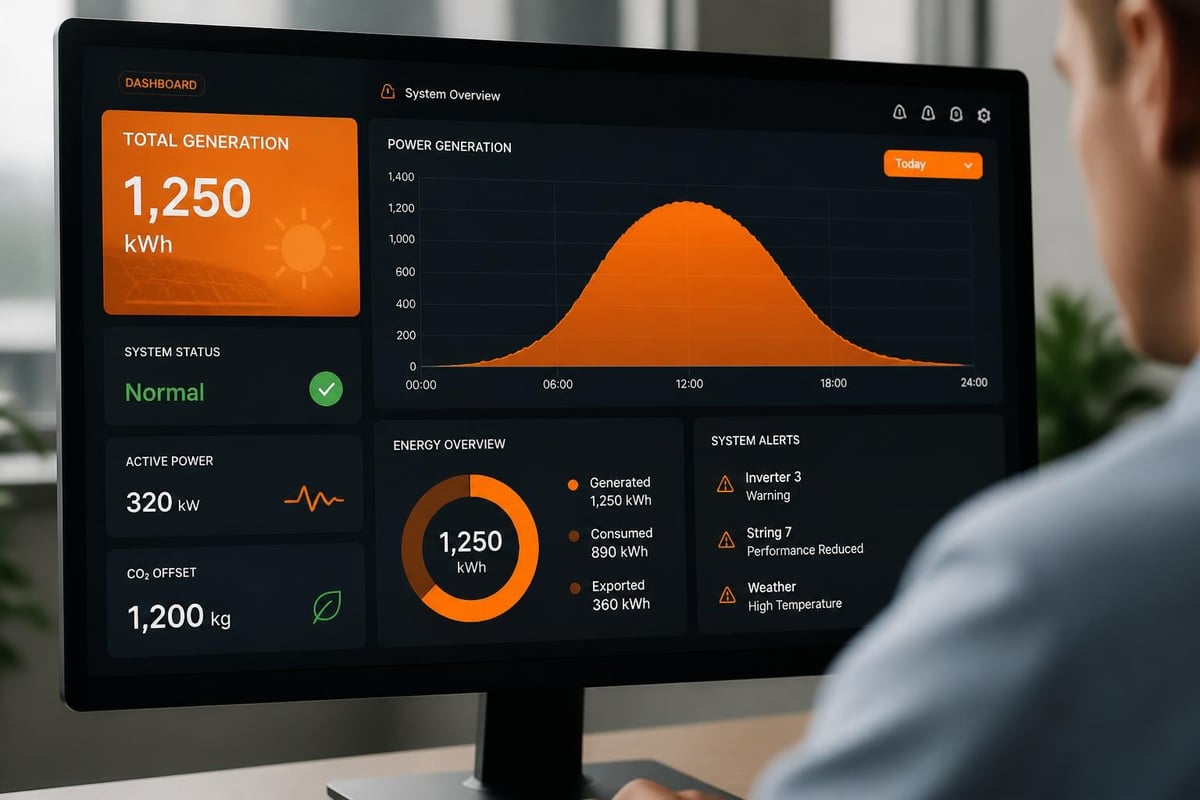
Maximising solar power photovoltaic system performance requires continuous monitoring and proactive maintenance. Modern installations incorporate sophisticated monitoring platforms that track generation, identify underperformance, and alert operators to potential issues before they escalate.
Real-Time Performance Tracking
Advanced monitoring systems provide granular visibility into array performance at the panel, string, and system levels. Cloud-based platforms accessible via smartphone or computer enable facility managers to verify system operation from anywhere. These systems track:
- Instantaneous power generation: Current output compared to expected production
- Daily and cumulative energy production: Historical performance trends
- System efficiency metrics: Actual versus theoretical output ratios
- Environmental impact calculations: Carbon offset and equivalent tree planting figures
- Financial performance: Electricity cost savings and return on investment progress
Maintenance Requirements
Whilst solar power photovoltaic systems require minimal maintenance compared to conventional generation, regular attention optimises long-term performance. Best practices for photovoltaic operation and maintenance emphasise preventative strategies that identify and address minor issues before they compromise system output.
Quarterly visual inspections examine panel condition, mounting hardware integrity, and electrical connection tightness. Annual thermal imaging surveys detect hot spots indicating cell damage or connection problems invisible to visual inspection. Panel cleaning frequency depends on environmental conditions, with dusty or industrial areas requiring more frequent attention than pristine locations.
Inverter performance monitoring identifies efficiency degradation or component failures requiring attention. Modern string inverters incorporate diagnostic capabilities that pinpoint specific issues, accelerating repair processes and minimising downtime. Keeping inverter ventilation clear and ensuring adequate cooling extends equipment lifespan and maintains conversion efficiency.
| Maintenance Activity | Frequency | Purpose |
|---|---|---|
| Visual Inspection | Quarterly | Identify physical damage or debris |
| Performance Analysis | Monthly | Detect generation anomalies |
| Panel Cleaning | Bi-annually | Maintain optimal light transmission |
| Thermal Imaging | Annually | Identify hidden electrical issues |
| Inverter Service | Annually | Verify proper operation and efficiency |
Grid Integration and Energy Storage
Solar power photovoltaic systems interact with electrical grids in various configurations, each offering distinct benefits aligned with operational objectives and regulatory frameworks. Understanding these options enables strategic system design matching organisational priorities.
Grid-Tied Systems
Grid-tied installations represent the most common configuration for commercial photovoltaic systems. These designs feed excess generation into the utility grid whilst drawing power during periods of insufficient solar production. Net metering arrangements, where available, credit customers for exported electricity, though regulations vary significantly across South African municipalities.
Grid-tied systems eliminate battery costs whilst ensuring continuous power availability regardless of weather conditions. However, standard grid-tied inverters shut down during grid outages for safety reasons, leaving facilities without power despite functional solar arrays. This limitation has driven increased interest in hybrid configurations incorporating battery storage.
Hybrid Systems With Battery Storage
Hybrid solar power photovoltaic installations combine grid connection with battery energy storage, delivering both economic optimisation and backup power capability. These systems charge batteries from solar generation, provide power during grid failures, and enable sophisticated energy management strategies such as peak shaving and time-of-use optimisation.
Battery technology selection significantly impacts system performance and economics. Lithium iron phosphate (LiFePO4) batteries dominate commercial installations, offering superior cycle life, safety characteristics, and depth of discharge compared to traditional lead-acid alternatives. System sizing balances backup duration requirements against capital investment, with most commercial installations targeting four to eight hours of critical load support.
Regulatory Compliance and Grid Connection
Implementing solar power photovoltaic systems in South Africa requires navigation of municipal regulations, utility requirements, and electrical compliance standards. Professional engineering services ensure installations meet all applicable requirements whilst optimising approval timelines.
Municipal Approval Processes
Local authorities maintain varying requirements for photovoltaic system approvals. Some municipalities require building plan submissions for rooftop installations, whilst others have established streamlined processes for standard configurations. Understanding local requirements prevents project delays and ensures compliant installations.
Grid connection applications, where net metering or wheeling arrangements are desired, involve technical submissions demonstrating compliance with utility specifications. These applications detail system design, protection schemes, and metering arrangements, often requiring months for approval depending on municipal processing capacity.
Electrical Compliance Standards
All photovoltaic installations must comply with SANS 10142-1 wiring regulations and applicable occupational health and safety requirements. Licensed electrical contractors perform installations under supervision of registered professional engineers who certify design compliance and system safety.
Insurance considerations increasingly influence system design, with insurers requiring specific protection devices, earthing arrangements, and lightning protection measures. Professional installations meeting all regulatory requirements protect asset values whilst ensuring occupant safety throughout system lifespan.
Performance Factors and Optimisation
Solar power photovoltaic system output varies based on numerous environmental and design factors. Understanding these influences enables realistic performance expectations and identifies optimisation opportunities maximising energy generation.
Environmental Influences
Geographic location fundamentally determines available solar resource. Johannesburg receives approximately 2,300 kWh per square metre annually, whilst coastal areas like Durban see slightly lower figures due to increased cloud cover. Solar radiation variability and climate impacts affect long-term system reliability and must be incorporated into performance projections.
Temperature significantly influences panel efficiency, with output declining approximately 0.4% per degree Celsius above 25°C. Ventilated mounting systems promoting airflow beneath panels mitigate temperature losses, particularly relevant during South African summer months when panel temperatures frequently exceed 60°C.
Soiling from dust, pollen, and bird droppings progressively reduces generation until cleaned. Rainfall provides natural cleaning in many locations, though industrial environments or extended dry periods necessitate manual intervention. Studies indicate soiling losses ranging from 2% to 8% depending on location and cleaning frequency.
System Configuration Optimisation
Panel orientation and tilt angle substantially impact energy capture. In Southern Africa, north-facing installations at tilt angles approximating local latitude maximise annual generation. However, commercial installations may prioritise morning or afternoon generation matching operational schedules, justifying east or west orientations despite reduced total output.
String configuration balances electrical compatibility with shading tolerance. Properly designed strings ensure all panels operate near maximum power point whilst minimising losses from partial shade. Modern simulation tools model system performance under various configurations, enabling data-driven design decisions.
Economic Considerations Beyond Energy Savings
Solar power photovoltaic investments deliver value extending beyond monthly electricity bill reductions. Comprehensive financial analysis captures multiple benefit streams contributing to overall project returns and organisational value.
Hedging Against Tariff Escalation
Electricity prices in South Africa have increased substantially above inflation for the past two decades, with municipal tariffs rising 300% to 400% since 2006. Photovoltaic systems lock in generation costs at predictable rates over 25-year lifespans, insulating businesses from future tariff uncertainty. This hedge value grows more significant as systems age and tariffs continue escalating.
Property Value Enhancement
Commercial properties with installed renewable energy systems command premium valuations reflecting reduced operating costs and enhanced sustainability credentials. Green building certifications increasingly require renewable energy components, making photovoltaic systems essential for achieving certifications such as Green Star SA or EDGE.
Carbon Reduction and ESG Benefits
Corporate sustainability commitments drive photovoltaic adoption as organisations pursue carbon neutrality targets and enhanced ESG performance. Each megawatt-hour of solar generation displaces approximately 0.95 tonnes of CO2 emissions based on South African grid intensity factors. Organisations report these reductions in sustainability disclosures, demonstrating environmental stewardship to stakeholders and customers.
Risk Management and System Resilience
Solar power photovoltaic installations incorporate protective measures ensuring safe, reliable operation throughout their service lives. Understanding these systems enables informed risk assessment and appropriate protection specification.
Weather and Environmental Protection
Photovoltaic equipment withstands harsh environmental conditions through robust construction and protective design. Quality panels resist hail impact, wind loads exceeding 200 km/h, and temperature extremes from -40°C to +85°C. Mounting systems engineered for local wind zones ensure structural integrity during severe weather events.
Lightning protection systems safeguard expensive inverters and electrical equipment from surge damage. Properly earthed installations with surge protective devices minimise risk of lightning-induced failures, critical in South Africa's summer thunderstorm regions.
Insurance and Warranty Coverage
Comprehensive insurance coverage protects photovoltaic investments against theft, weather damage, and performance loss. Specialised renewable energy policies cover unique risks including equipment breakdown, business interruption from system failure, and liability for grid interconnection.
Manufacturer warranties typically provide 10 to 12 years of equipment coverage with 25-year performance guarantees ensuring minimum output levels. Installation workmanship warranties protect against defects in mounting, electrical work, and system integration, typically spanning five to ten years depending on contractor terms.
Solar power photovoltaic technology represents a proven, economically compelling solution for South African organisations seeking to reduce electricity costs, enhance energy security, and demonstrate environmental leadership. The combination of declining equipment costs, rising utility tariffs, and advancing system capabilities creates an unprecedented opportunity for strategic energy investment. INFOLED brings deep expertise in designing, financing, installing, and maintaining comprehensive photovoltaic solutions tailored to commercial, industrial, and residential applications across Southern Africa, ensuring optimal performance and maximum return on renewable energy investments. Contact INFOLED to explore how solar power photovoltaic systems can transform your energy profile and support your sustainability objectives.
Next Step
Need help with your energy strategy?
Speak to INFOLED about solar, storage, EV charging, service agreements or system performance.