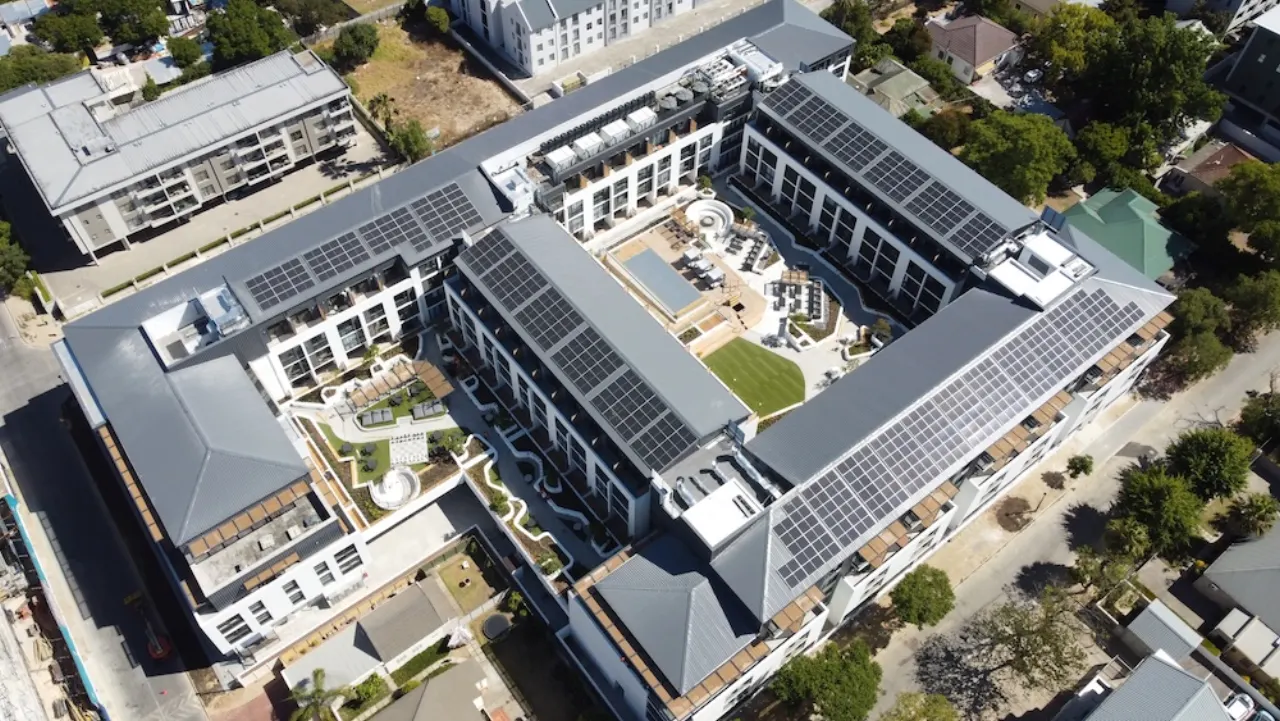
The renewable energy landscape across Southern Africa has undergone remarkable transformation over recent years, with solar power power emerging as the cornerstone of intelligent energy solutions for commercial, industrial, and residential applications. As organisations and homeowners seek to reduce electricity costs whilst improving energy resilience, understanding how to maximise the power generated from solar installations has become essential. This comprehensive guide explores the strategies, technologies, and best practices that enable businesses and property owners to harness the full potential of their solar energy systems in 2026.
Understanding Solar Power Power Generation Fundamentals
Solar power power generation begins with photovoltaic (PV) technology that converts sunlight directly into electricity through semiconductor materials. When photons strike the solar cells, they excite electrons, creating an electrical current that can be harnessed immediately or stored for later use. The efficiency of this conversion process depends on numerous factors including panel quality, installation angle, temperature, shading, and maintenance protocols.
Modern solar installations in South Africa typically achieve conversion efficiencies between 18% and 22% for commercial-grade panels, with premium monocrystalline options reaching even higher performance levels. However, the true measure of solar power power extends beyond nameplate capacity to encompass real-world energy yield across varying conditions.
Key Performance Indicators
Measuring solar system effectiveness requires tracking multiple metrics:
- Capacity factor: The ratio of actual energy produced to theoretical maximum output
- Performance ratio: System efficiency accounting for losses from inverters, cabling, and environmental factors
- Specific yield: Annual energy production per installed kilowatt (kWh/kWp)
- Availability: Percentage of time the system operates at full capacity
- Degradation rate: Annual decline in panel efficiency over time
| Metric | Industry Benchmark | Excellent Performance |
|---|---|---|
| Capacity Factor | 18-22% | 24%+ |
| Performance Ratio | 75-80% | 85%+ |
| Specific Yield | 1,400-1,600 kWh/kWp | 1,700+ kWh/kWp |
| Annual Degradation | 0.7-0.8% | <0.5% |
Understanding these indicators enables facility managers and property owners to benchmark their systems against optimal performance standards. The U.S. Department of Energy Solar Energy Technologies Office provides extensive research on improving these metrics through advanced materials and system designs.
Optimising Solar Power Power Through System Design
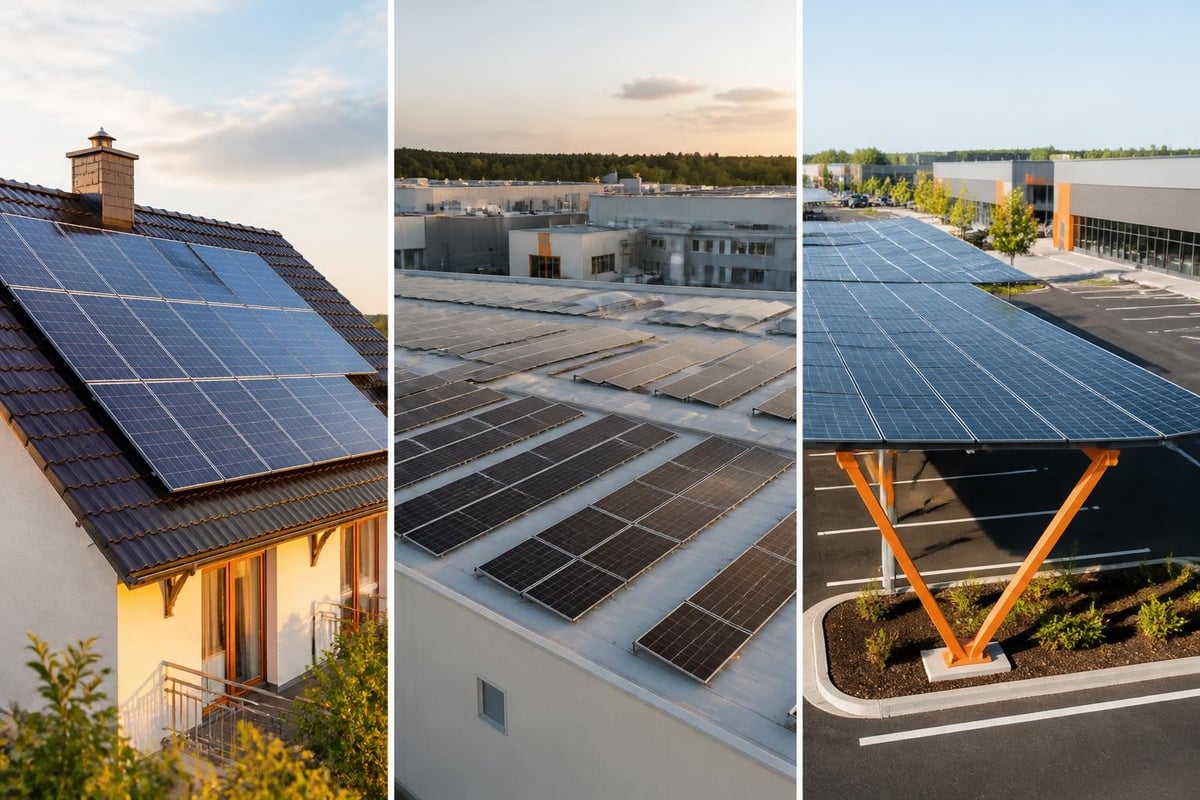
Proper system design forms the foundation of maximising solar power power output throughout the installation's lifespan. Engineers must evaluate site-specific conditions including geographical location, roof orientation, structural integrity, shading analysis, and local climate patterns. In Southern Africa, the abundant solar irradiance provides excellent conditions for photovoltaic generation, with most regions receiving between 4.5 and 6.5 peak sun hours daily.
Panel orientation and tilt angle significantly influence energy capture. For optimal annual production in South Africa, panels should typically face true north with tilt angles matching the site's latitude (ranging from 22° in Limpopo to 34° in the Western Cape). However, specific energy consumption patterns may justify alternative configurations-facilities with high morning demand might benefit from east-facing arrays, whilst those with afternoon peak loads could optimise westward orientation.
Advanced Design Considerations
Modern solar power power installations incorporate sophisticated design elements:
- Bifacial panel technology capturing reflected light from building surfaces beneath the array
- String optimisation grouping panels with similar exposure conditions to minimise mismatch losses
- DC optimiser deployment maximising energy harvest from partially shaded installations
- Inverter sizing balancing oversizing ratios to capture peak production without excessive equipment costs
- Cable routing minimising transmission losses through appropriate conductor sizing and layout
The integration of these design principles requires comprehensive Renewable Energy Engineering Services that evaluate site-specific conditions through detailed feasibility studies, load analysis, and financial modelling to ensure optimal system configuration before installation commences.
Enhancing Solar Power Power With Energy Storage Integration
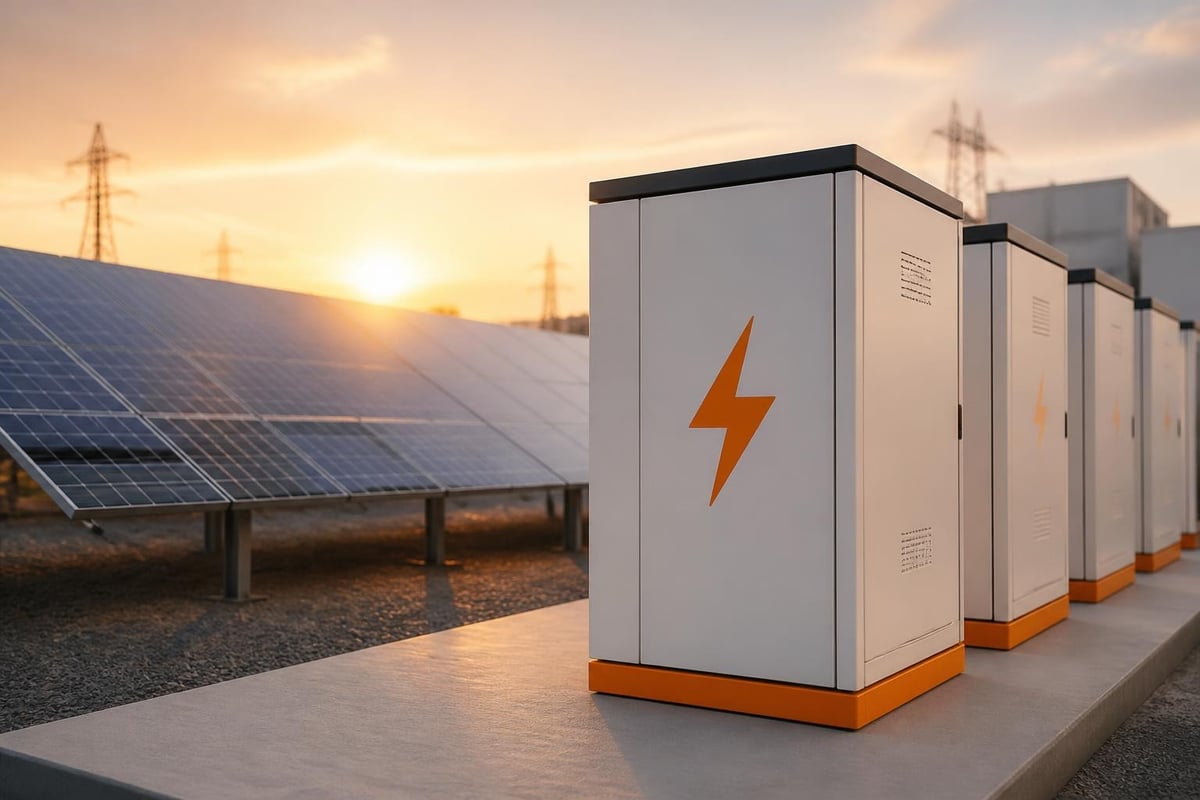
Battery energy storage systems (BESS) fundamentally transform how organisations utilise solar power power by decoupling generation from consumption. Without storage, solar installations can only offset electricity costs during daylight hours when panels actively generate power. Battery integration enables facilities to capture excess daytime production and deploy it during evening peak demand periods or during grid outages.
The economics of solar-plus-storage have improved dramatically across Southern Africa as lithium-ion battery costs have declined by over 85% since 2010. This cost reduction, combined with escalating utility tariffs and increasingly frequent load shedding, has made BESS integration financially attractive for commercial and industrial applications.
Storage System Sizing Strategies
| Application Type | Typical Storage Ratio | Primary Benefit |
|---|---|---|
| Load Shedding Protection | 2-4 hours | Continuity during outages |
| Peak Shaving | 1-2 hours | Demand charge reduction |
| Energy Arbitrage | 4-6 hours | Time-of-use optimisation |
| Off-Grid Systems | 12-24+ hours | Complete energy independence |
Properly sized battery systems enhance solar power power value proposition by enabling facilities to reduce both energy charges (kWh consumption) and demand charges (peak kW draw). Advanced battery management systems can execute sophisticated charge-discharge cycles that minimise grid dependence whilst preserving battery health through optimised depth-of-discharge protocols.
Commercial operations should evaluate their load profiles carefully to determine optimal storage capacity. Manufacturing facilities with predictable daytime operations might require minimal storage, whilst retail centres with significant evening demand would benefit substantially from larger battery banks. According to research published in BloombergNEF's New Energy Outlook, storage integration will become standard practice for commercial solar installations by 2030.
Maximising Solar Power Power Through Intelligent Monitoring
Real-time monitoring and analytics platforms have become essential components of high-performing solar installations. These systems track production data, identify performance anomalies, predict maintenance requirements, and optimise energy flows across integrated technologies. Without comprehensive monitoring, organisations risk operating systems significantly below their potential capacity without awareness of degraded performance.
Modern monitoring solutions provide granular visibility into system operations:
- String-level production monitoring identifying underperforming panel groups
- Inverter performance tracking detecting efficiency losses or component failures
- Environmental condition logging correlating weather patterns with energy output
- Predictive maintenance alerts forecasting equipment issues before failures occur
- Financial performance dashboards translating technical metrics into business value
Advanced installations incorporate artificial intelligence algorithms that learn facility consumption patterns and adjust energy storage dispatch schedules accordingly. These systems can anticipate upcoming demand peaks based on historical data, weather forecasts, and operational calendars to ensure battery reserves are optimally positioned.
Monitoring ROI Considerations
Comprehensive monitoring platforms typically add 2-4% to total system costs but deliver substantial value through:
- Early fault detection preventing extended periods of reduced production
- Warranty claim documentation providing evidence for manufacturer performance guarantees
- Performance verification ensuring installers deliver contracted energy yields
- Optimisation opportunities identifying configuration adjustments that enhance output
- Compliance reporting generating documentation for renewable energy incentive programmes
For organisations managing multiple sites across Southern Africa, centralised monitoring enables portfolio-level oversight and benchmarking between installations. This capability helps identify best practices at top-performing sites that can be replicated across the broader property portfolio.
Operational Excellence for Sustained Solar Power Power
Maintaining optimal solar power power output requires proactive operations and maintenance (O&M) protocols throughout the system's 25-30 year lifespan. Environmental factors including dust accumulation, bird droppings, pollen, and pollution can reduce panel efficiency by 15-25% annually in high-exposure areas. Regular cleaning schedules, particularly before winter months when rainfall decreases, ensure maximum light transmission to photovoltaic cells.
Thermal imaging inspections detect hotspots indicating damaged cells, poor connections, or potential fire hazards before they escalate into major failures. Drone-based thermographic surveys enable rapid assessment of large commercial installations without manual panel-by-panel inspection. These preventative measures significantly reduce unexpected downtime and extend equipment operational life.
Comprehensive Maintenance Checklist
Quarterly maintenance activities should include:
- Visual inspection of all panels for physical damage or delamination
- Inverter performance review and error log analysis
- Connection tightness verification at combiner boxes and junction points
- Panel cleaning using deionised water and soft brushes
- Vegetation management to prevent shading encroachment
- Mounting structure integrity assessment
- Lightning protection system verification
- Battery capacity testing and cell balancing (for storage-integrated systems)
Annual maintenance programmes expand to encompass electrical testing, insulation resistance measurements, and comprehensive performance audits comparing actual yields against expected production based on solar irradiance data. Professional O&M providers maintain detailed service histories that prove invaluable for warranty claims and system valuation during property transactions.
The Stanford Emerging Technology Review highlights that well-maintained solar installations experience degradation rates 30-40% lower than neglected systems, directly translating to enhanced long-term financial returns.
Financial Optimisation of Solar Power Power Investments
Maximising the financial return from solar power power installations requires strategic consideration of available incentive programmes, tax benefits, financing structures, and tariff optimisation strategies. South African businesses can access various support mechanisms including accelerated depreciation allowances, renewable energy tax incentives, and municipal rebate programmes depending on their location and sector.
Investment Return Drivers
| Factor | Impact on ROI | Optimisation Strategy |
|---|---|---|
| System Efficiency | High | Premium components, professional design |
| Financing Terms | High | Compare debt vs. lease vs. PPA options |
| Tariff Structure | Medium | Time-of-use analysis, demand management |
| Maintenance Quality | Medium | Professional O&M agreements |
| Grid Export Capability | Low-Medium | Net metering or SSEG registration |
The choice between purchasing systems outright, utilising lease agreements, or engaging power purchase agreements (PPAs) significantly affects cash flow and tax treatment. Capital purchases enable maximum long-term savings but require substantial upfront investment, whilst PPAs eliminate capital requirements in exchange for contracted energy rates typically below municipal tariffs.
Commercial organisations should model multiple scenarios incorporating:
- Current and projected electricity tariff escalation (historically 8-12% annually)
- Solar power power system degradation curves
- Maintenance cost inflation
- Tax benefit timing and valuation
- Discount rates reflecting their cost of capital
Facilities with high daytime electricity consumption achieve the strongest returns from solar power power installations, as they maximise self-consumption and avoid costly grid purchases during peak periods. Organisations can explore detailed case studies and implementation examples through commercial solar panel installations documentation highlighting diverse applications across Southern Africa.

Grid Integration and Resilience Enhancement
Solar power power systems increasingly function as integral components of sophisticated hybrid energy architectures that combine grid connectivity, battery storage, backup generators, and advanced control systems. This integration enables organisations to optimise energy sources dynamically based on real-time costs, availability, and operational requirements whilst maintaining power continuity during utility disruptions.
Modern installations employ intelligent switchgear that seamlessly transitions between grid, solar, battery, and generator sources without interrupting critical loads. These systems can operate in multiple modes including grid-tied operation during normal conditions, islanded operation during outages, and hybrid operation that strategically combines sources to minimise costs.
Multi-Source Integration Benefits
Hybrid energy systems deliver advantages including:
- Load shedding immunity through automatic islanding when grid supply fails
- Demand response participation reducing grid draw during utility peak periods
- Power quality improvement filtering voltage fluctuations and harmonics
- Capacity charge reduction using solar power power and batteries to limit peak grid demand
- Revenue generation through grid services in markets supporting distributed energy resources
For industrial facilities with sensitive processes vulnerable to power quality issues, solar-plus-storage-plus-grid configurations provide superior reliability compared to grid-only supply. Manufacturing operations report productivity improvements and equipment lifespan extension when powered by conditioned electricity from hybrid renewable systems rather than variable grid supply.
Organisations pursuing Net Zero strategies recognise that maximising on-site renewable generation through solar power power installations forms the foundation of decarbonisation efforts. According to the World Health Organization's research on energy and health, transitioning from fossil-fuel generation to clean solar energy delivers substantial co-benefits including improved air quality and reduced respiratory health impacts in surrounding communities.
Emerging Technologies Enhancing Solar Power Power
The solar industry continues advancing rapidly, with several emerging technologies poised to enhance solar power power generation and value proposition throughout the coming decade. Perovskite solar cells under development demonstrate potential efficiencies exceeding 30% whilst utilising less expensive materials and manufacturing processes compared to conventional silicon cells. Although durability challenges remain, researchers expect commercial availability within three to five years.
Building-integrated photovoltaics (BIPV) represent another innovation gaining traction, particularly in new construction projects. These products replace traditional building materials with solar-generating alternatives including photovoltaic roof tiles, façade panels, and glazing systems. BIPV reduces installation costs by eliminating redundant building envelope components whilst maintaining architectural aesthetics that conventional rack-mounted systems cannot achieve.
Advanced inverter technologies incorporating wide-bandgap semiconductors (silicon carbide and gallium nitride) deliver higher efficiencies, smaller footprints, and improved reliability compared to traditional silicon-based inverters. These next-generation devices reduce conversion losses that currently consume 2-4% of generated solar power power, directly improving system-level yields.
Technology Adoption Timeline
- Available Now (2026): Bifacial panels, PERC cells, string optimisers, lithium iron phosphate batteries
- Near-Term (2027-2028): Tandem perovskite-silicon cells, residential BIPV products, solid-state batteries
- Medium-Term (2029-2031): Commercial perovskite modules, advanced BIPV façade systems, vehicle-to-grid integration
- Long-Term (2032+): Quantum dot cells, transparent solar windows, wireless power transfer
Forward-thinking organisations should monitor these developments whilst recognising that proven, commercially available technologies deployed today deliver compelling returns without waiting for future innovations. The rapid pace of solar power power advancement ensures that systems installed in 2026 will integrate seamlessly with emerging technologies as they become available through modular upgrades and component replacements.
Environmental and Social Impact Considerations
Beyond financial returns, solar power power installations deliver measurable environmental benefits that support corporate sustainability objectives and ESG (Environmental, Social, Governance) commitments. A typical 100 kWp commercial installation in Gauteng prevents approximately 150 tonnes of CO₂ emissions annually-equivalent to removing 32 passenger vehicles from roads or planting 2,450 tree seedlings that grow for ten years.
Organisations pursuing Science-Based Targets or Carbon Neutral certifications require credible renewable energy evidence to substantiate their claims. Solar installations provide verifiable Scope 2 emissions reductions through metered generation data that quantifies fossil fuel displacement. Advanced monitoring platforms automatically calculate emissions avoided and generate reports suitable for sustainability disclosures and stakeholder communications.
Social impact dimensions deserve equal consideration, particularly for large installations. Solar projects create local employment opportunities during construction and ongoing maintenance phases, whilst enabling businesses to redirect electricity cost savings toward workforce development and community investment. Companies can enhance their social license to operate by transparently communicating the local economic benefits their solar power power installations generate.
Environmental responsibility extends beyond operation to end-of-life management. Solar panels contain valuable materials including silicon, silver, copper, and aluminium that can be recovered through proper recycling processes. Organisations should partner with suppliers committed to sustainable lifecycle management and explore solar recycling programmes that ensure responsible disposal when systems eventually reach retirement after 25-30 years of service.
Regulatory Compliance and Grid Connection Requirements
Successfully deploying solar power power installations across South Africa requires navigating municipal regulations, utility interconnection requirements, and national electrical compliance standards. The regulatory landscape varies significantly by municipality, with some jurisdictions actively facilitating renewable energy adoption through streamlined approval processes whilst others impose bureaucratic obstacles that extend project timelines.
Essential Compliance Steps
Commercial and industrial installations typically require:
- Building plan approval from municipal authorities for structural modifications
- Grid connection application to the local electricity distributor (Eskom or municipality)
- SSEG registration for installations exceeding embedded generation thresholds
- Certificate of Compliance (CoC) from registered electrical contractors
- Occupational Health and Safety compliance for rooftop work and electrical installations
- Environmental impact assessment for large ground-mounted arrays
Small-Scale Embedded Generation (SSEG) regulations permit facilities to generate power for self-consumption and, in some areas, export excess generation to the grid. However, municipalities maintain different policies regarding net metering, wheeling arrangements, and export tariffs. Organisations should engage experienced renewable energy developers who understand local requirements and maintain relationships with approval authorities.
The grid connection process deserves particular attention, as utility approval timelines can extend project schedules by several months. Applications require detailed technical documentation including single-line diagrams, protection schemes, and inverter specifications demonstrating compliance with grid codes. Professional engineering services ensure submissions meet all requirements, avoiding costly resubmission cycles.
Forward-thinking organisations recognise that regulatory compliance extends beyond initial installation to encompass ongoing operational requirements. Annual electrical testing, equipment certification renewals, and performance reporting to utilities maintain installation legality and protect against liability exposure. Detailed documentation proving regulatory adherence also enhances property values and facilitates transactions during building sales or refinancing.
Sector-Specific Solar Power Power Applications
Different industry sectors demonstrate unique characteristics that influence optimal solar power power deployment strategies. Understanding these sector-specific considerations enables organisations to design installations that align with operational patterns and business objectives.
Manufacturing facilities with continuous or multi-shift operations achieve excellent solar utilisation through high daytime consumption that matches generation profiles. These installations benefit from demand charge reduction strategies that use solar power power to shave peaks during expensive time-of-use periods. Battery integration enables manufacturers to extend solar value into evening shifts and provide backup power for critical production lines.
Retail and commercial property operators face different considerations, with consumption patterns heavily weighted toward afternoon and evening hours when customers are most active. Solar installations sized to match available roof space can offset daytime HVAC loads and lighting requirements, whilst battery systems shift excess midday generation to evening peak periods. Shopping centres can explore carport-mounted solar arrays that generate renewable energy whilst providing covered parking that customers value.
Agricultural operations pursuing agricultural solar applications benefit from dual-use installations that combine crop production with electricity generation. Elevated panel mounting allows continued farming beneath arrays whilst panels provide beneficial crop shading in high-irradiance regions. Irrigation pumping loads align well with solar generation patterns, enabling immediate use of solar power power without storage requirements.
| Sector | Optimal System Size | Storage Priority | Primary Benefit |
|---|---|---|---|
| Manufacturing | 80-120% of daytime load | High | Demand charge reduction, continuity |
| Retail/Commercial | 50-80% of daytime load | Medium | Energy cost reduction, brand value |
| Agriculture | 100-150% of irrigation load | Low-Medium | Pumping cost elimination |
| Healthcare | 60-100% of daytime load | Very High | Critical load protection, resilience |
| Hospitality | 70-90% of average load | Medium | Operating cost reduction, ESG appeal |
Healthcare facilities prioritise reliability above all other considerations, requiring comprehensive backup power systems that integrate solar generation, battery storage, and standby generators into redundant architectures. These installations enable hospitals and clinics to maintain operations during extended grid outages whilst reducing routine energy costs through solar power power generation during normal conditions.
Strategic Planning for Long-Term Solar Power Power Success
Organisations maximising return from solar power power investments approach implementation strategically rather than opportunistically. This begins with comprehensive energy audits that establish baseline consumption patterns, identify efficiency improvement opportunities, and quantify realistic solar offset potential. Attempting to design solar systems without accurate load data inevitably results in oversized installations that underperform financially or undersized systems that leave significant savings unrealised.
Phased implementation strategies often prove optimal for large facilities, enabling organisations to validate technology performance and operational integration before committing to full-scale deployment. Initial pilot installations build internal expertise, demonstrate tangible benefits to stakeholders, and identify site-specific challenges that inform subsequent phases. This approach reduces risk whilst maintaining momentum toward comprehensive renewable energy adoption.
Successful solar programmes require cross-functional engagement spanning facilities management, finance, operations, procurement, and executive leadership. Each stakeholder group brings essential perspectives-facilities teams understand technical requirements, finance evaluates investment structures, operations considers reliability implications, and executives align initiatives with strategic objectives. Establishing clear governance frameworks and decision-making protocols prevents delays and ensures alignment throughout project lifecycles.
Long-term success depends on selecting implementation partners with demonstrated expertise, financial stability, and commitment to ongoing support. The solar industry includes numerous providers offering varying quality levels, and organisations should evaluate potential partners based on technical qualifications, reference installations, warranty provisions, and post-installation service capabilities. Comprehensive due diligence during partner selection prevents costly problems that emerge years after installation when inferior components fail or installers prove unresponsive to performance issues.
Maximising solar power power output requires integrating proven technologies, professional design, intelligent monitoring, proactive maintenance, and strategic financial structuring into comprehensive renewable energy programmes. Organisations across Southern Africa that approach solar deployment systematically achieve compelling returns whilst advancing sustainability objectives and enhancing energy resilience. Whether you're exploring initial feasibility or optimising existing installations, partnering with experienced renewable energy specialists ensures your solar power power systems deliver maximum value throughout their operational lifespan. INFOLED provides end-to-end renewable energy solutions including design, financing, installation, monitoring, and maintenance services that help commercial, industrial, and residential clients across Southern Africa reduce electricity costs, improve energy resilience, and achieve their Net Zero commitments.
Next Step
Need help with your energy strategy?
Speak to INFOLED about solar, storage, EV charging, service agreements or system performance.