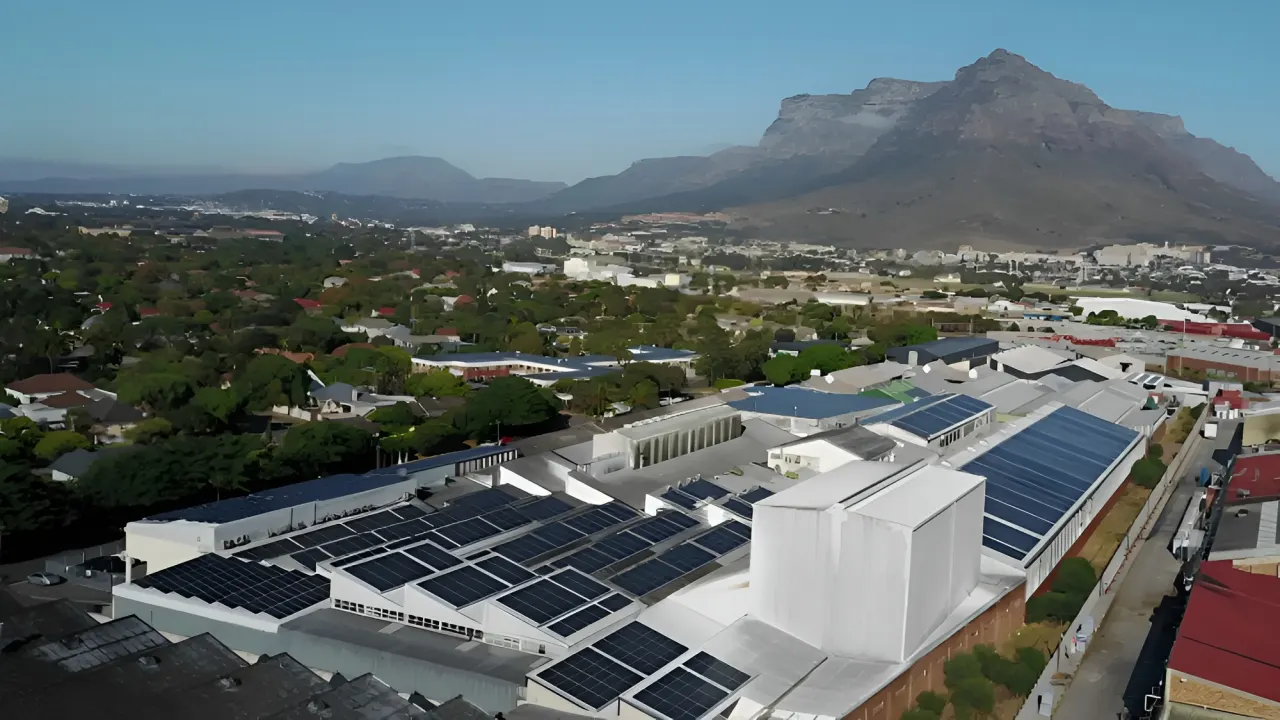
Hot water heating represents one of the most energy-intensive requirements in both residential and commercial properties across South Africa. With electricity tariffs continuing to rise and load shedding placing increased pressure on conventional water heating systems, property owners are increasingly turning to renewable energy solutions. Hot water solar panels, also known as solar thermal collectors, offer a proven technology that harnesses the sun's energy to provide reliable hot water whilst significantly reducing energy costs and carbon emissions.
Understanding Hot Water Solar Panel Technology
Hot water solar panels operate on fundamentally different principles compared to photovoltaic (PV) solar panels. Rather than generating electricity, these systems capture thermal energy from sunlight and transfer it directly to water or a heat-transfer fluid. This direct conversion of solar radiation to heat makes solar thermal technology remarkably efficient for water heating applications.
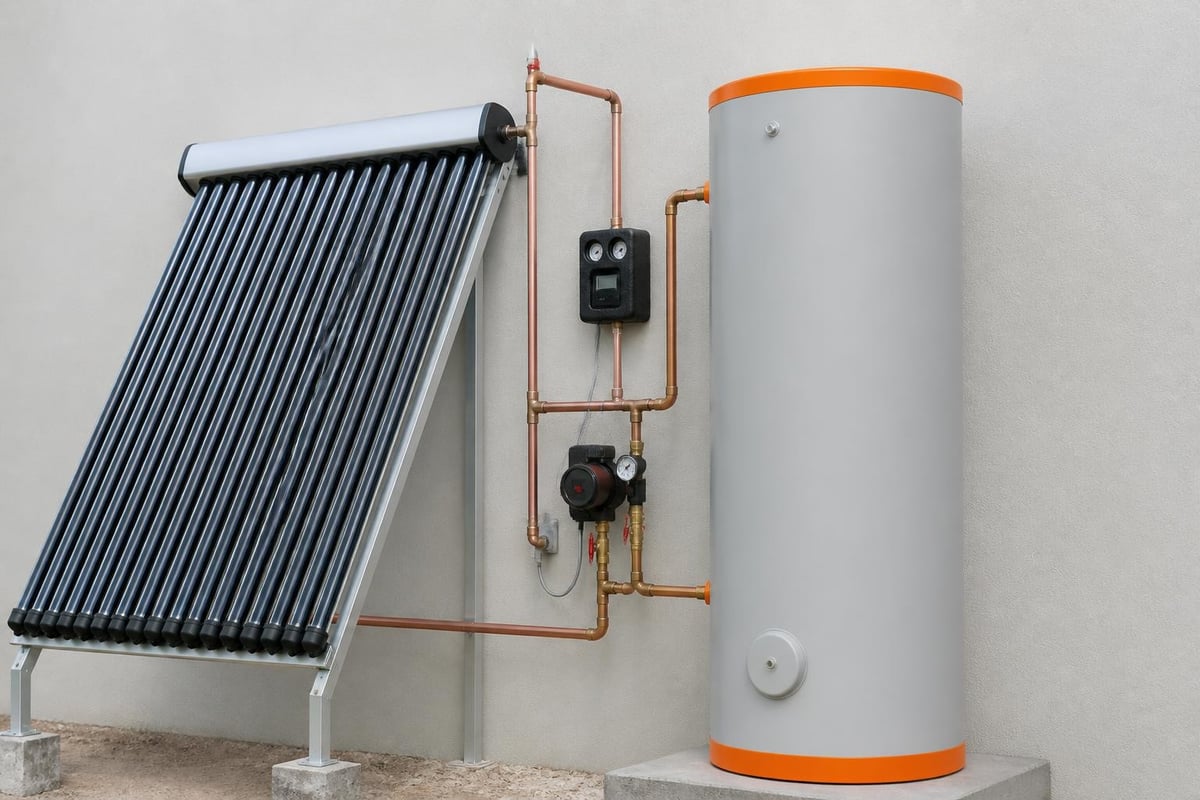
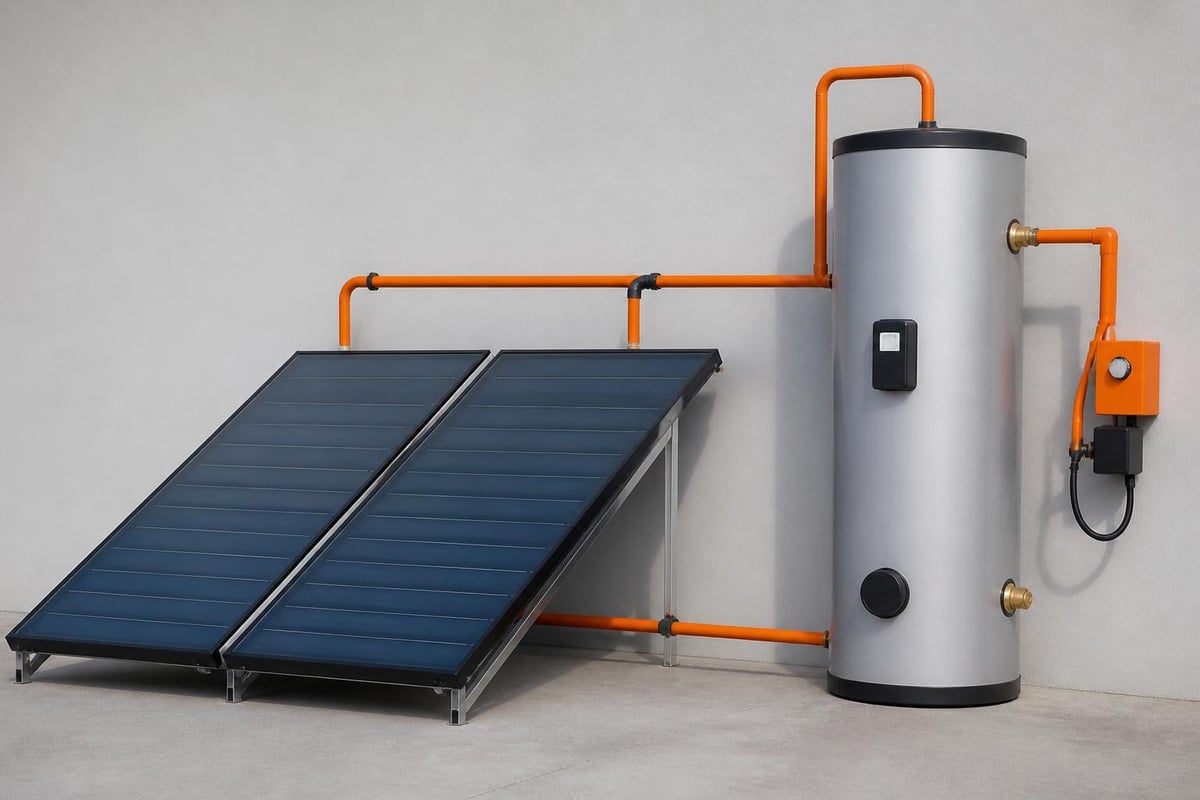
The basic components of a solar hot water system include collectors mounted on a roof or suitable sunny location, a storage tank (geyser), circulation pumps or thermosiphon mechanisms, and a control system. When sunlight strikes the collector surface, it heats the absorber plate or tubes within. This heat transfers to water or glycol fluid circulating through the collector, which then flows to the storage tank where it heats the water for household or commercial use.
Active vs Passive Systems
Solar water heating systems fall into two broad categories based on their circulation method:
Active systems use electric pumps and controllers to circulate water or heat-transfer fluid through the collectors. These systems offer greater flexibility in installation, allow collectors to be positioned separately from storage tanks, and perform well in freezing conditions when using antifreeze solutions.
Passive systems rely on natural thermosiphon circulation, where heated water rises naturally from the collector to the storage tank positioned above it. Whilst simpler and more affordable, passive systems require the storage tank to be mounted above the collectors and work best in mild climates.
For South African conditions, both system types perform admirably across most provinces, though active systems with freeze protection may be preferable in higher altitude regions such as the Drakensberg or Lesotho highlands where winter temperatures regularly drop below freezing.
Types of Solar Collectors for Water Heating
The performance and cost-effectiveness of hot water solar panels depend significantly on the collector type selected. Each design offers distinct advantages suited to different applications and climatic conditions.
| Collector Type | Efficiency Range | Best Application | Relative Cost |
|---|---|---|---|
| Flat Plate | 50-70% | Residential, mild climates | Medium |
| Evacuated Tube | 60-80% | Commercial, cold climates | High |
| Integral Collector-Storage | 30-50% | Small residential, warm climates | Low |
Flat Plate Collectors
Flat plate collectors consist of a dark absorber plate housed in an insulated box with a glazed cover. Water or heat-transfer fluid flows through copper or aluminium tubes bonded to the absorber plate. These robust collectors handle moderate temperatures effectively and suit the majority of residential applications across Gauteng, KwaZulu-Natal, and Western Cape provinces.
The design's simplicity translates to reliable long-term performance with minimal maintenance requirements. Quality flat plate collectors typically carry warranties of 10 to 15 years and maintain consistent output throughout their lifespan.
Evacuated Tube Collectors
Evacuated tube technology employs multiple glass tubes, each containing an absorber that transfers heat to a central manifold. The vacuum between the inner and outer glass layers provides excellent insulation, enabling these collectors to maintain efficiency even in cold or overcast conditions. According to research on evacuated-tube collector performance, these systems demonstrate superior heat retention compared to flat plate alternatives.
Commercial and industrial facilities benefit particularly from evacuated tube collectors when high-temperature water is required or when roof space is limited, as their efficiency per square metre exceeds that of flat plate designs.
Performance and Efficiency Considerations
The effectiveness of hot water solar panels in South African installations depends on several interconnected factors. Understanding these variables helps property owners optimise their systems for maximum return on investment.
Solar irradiance varies across South Africa's provinces, with the Northern Cape receiving amongst the highest solar radiation levels globally, averaging 6.5 to 7.0 kWh/m²/day. Even regions with lower irradiance, such as the Eastern Cape coastal areas, still receive sufficient solar energy to justify solar water heating installations. The IEA Solar Heating & Cooling Programme tracks global deployment trends, showing continued growth in markets with irradiance levels comparable to South Africa's.
Collector orientation and tilt significantly affect annual energy capture. In South Africa's southern hemisphere location, collectors should face true north (not magnetic north) at a tilt angle approximating the local latitude for year-round performance, or adjusted seasonally for optimised winter or summer output.
System Sizing and Capacity
Proper sizing ensures adequate hot water supply without excessive capital expenditure. A typical South African household requires approximately 50 to 70 litres of hot water per person daily. A four-person household would therefore need a storage tank of 200 to 300 litres, paired with 3 to 6 square metres of collector area depending on collector efficiency and local solar resource.
Commercial facilities require detailed energy audits and feasibility studies to determine optimal system sizing based on hot water consumption patterns, peak demand periods, and available roof space.
- Morning hot water peaks in hotels and guesthouses
- Midday demand in industrial washing and food processing
- Evening loads in residential complexes and retirement villages
- Continuous demand in hospitals and healthcare facilities
Installation Requirements and Building Integration
Successful hot water solar panel installations require careful planning of mounting locations, structural considerations, and integration with existing water heating infrastructure. The collector array must receive unobstructed sunlight between 9:00 and 15:00 throughout the year, avoiding shade from trees, buildings, chimneys, or other rooftop equipment.
Structural assessment confirms that roof structures can support the additional weight of collectors, piping, and stored water. A typical residential system adds 150 to 300 kilograms to the roof structure, whilst larger commercial solar installations may require structural reinforcement.
Plumbing and Backup Systems
Hot water solar panels typically integrate with conventional electric or gas geysers that provide backup heating during extended overcast periods. The solar system preheats water entering the conventional geyser, reducing the backup system's energy consumption by 50% to 90% depending on climate and system sizing.
Three primary integration methods include:
- Series configuration: Solar-heated water feeds directly into the existing geyser inlet
- Parallel configuration: Solar storage tank operates independently with tempering valves
- Retrofit solutions: External heat exchangers connect to existing geysers
Each approach offers trade-offs between cost, complexity, and performance optimisation.
Economic Analysis and Return on Investment
The financial case for hot water solar panels in South Africa has strengthened considerably as electricity tariffs have escalated. Eskom's tariff increases averaging 13% to 15% annually over the past decade make renewable energy investments increasingly attractive.
A typical residential solar water heating system costs between ZAR 18,000 and ZAR 45,000 installed, depending on system size, collector type, and installation complexity. These systems offset 3,000 to 5,000 kWh of electricity annually, translating to savings of ZAR 6,000 to ZAR 10,000 per year at current 2026 tariff rates.
Calculating Payback Periods
| System Cost | Annual Saving | Simple Payback | NPV (10 years) |
|---|---|---|---|
| ZAR 25,000 | ZAR 7,500 | 3.3 years | ZAR 52,000 |
| ZAR 35,000 | ZAR 9,000 | 3.9 years | ZAR 56,000 |
| ZAR 45,000 | ZAR 10,500 | 4.3 years | ZAR 60,000 |
Assumptions: 3% annual tariff escalation, 5% discount rate, 15-year system lifespan
Commercial installations benefit from accelerated depreciation and potential inclusion in tax incentive programmes. The Section 12B Energy Efficiency Tax Incentive, whilst currently limited to energy efficiency measures achieving specific thresholds, demonstrates government recognition of energy reduction initiatives.
Maintenance and Long-Term Performance
Hot water solar panels require minimal maintenance compared to many renewable energy technologies, contributing to their attractive total cost of ownership. Regular inspection intervals and simple preventative measures ensure decades of reliable service.
Annual maintenance tasks include:
- Visual inspection of collectors for damage, debris, or discolouration
- Verification of mounting hardware tightness and weatherproofing
- Testing pressure relief valves and temperature sensors
- Checking glycol concentration in indirect systems
- Inspecting insulation on exposed piping
- Cleaning collector glazing if dust accumulation is significant
Many property owners overlook the importance of professional commissioning when systems are installed. Proper commissioning verifies correct circulation, temperature set points, and control sequences, preventing performance issues that might otherwise persist unnoticed for months or years.
Performance Monitoring and Optimisation
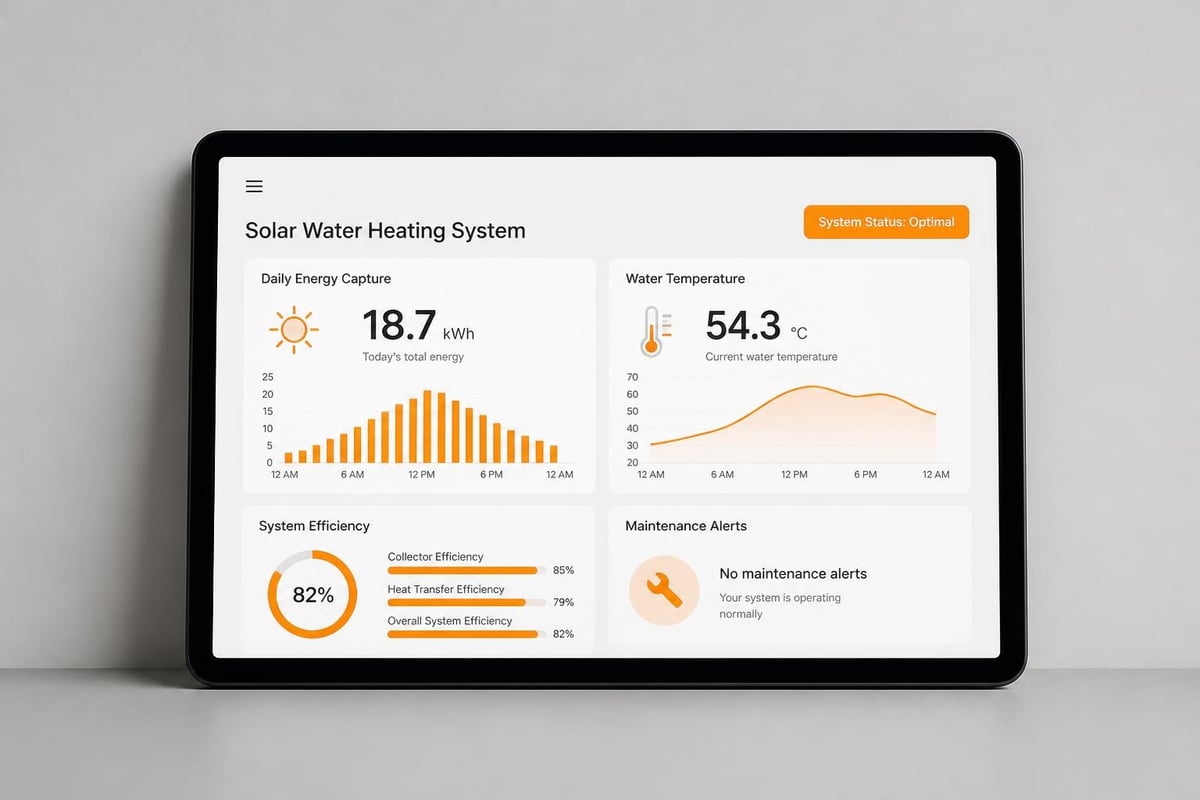
Modern hot water solar panel systems increasingly incorporate monitoring capabilities that track energy production, water temperatures, and system health indicators. These monitoring systems identify declining performance, alert owners to maintenance needs, and quantify actual energy savings.
The comprehensive academic review published in Solar Energy highlights recent advances in smart controls and predictive algorithms that optimise solar water heating performance by learning consumption patterns and weather forecasts.
Environmental Impact and Sustainability
Beyond economic benefits, hot water solar panels deliver substantial environmental advantages aligned with corporate ESG objectives and South Africa's national climate commitments. Each square metre of solar thermal collector offsets approximately 500 to 800 kilograms of CO₂ emissions annually when displacing coal-fired electricity generation.
For the average four-person household, a properly sized solar water heating system prevents roughly 2.5 to 4.0 tonnes of CO₂ emissions per year. Over the 20 to 25 year lifespan of quality collectors, this represents 50 to 100 tonnes of avoided emissions per installation.
The REN21 Global Status Report tracks solar thermal deployment worldwide, noting that global installed capacity exceeded 520 gigawatts thermal by 2024, with significant growth in Southern African markets driven by energy security concerns and climate commitments.
End-of-Life Considerations
The sustainability case for hot water solar panels extends through their entire lifecycle. Flat plate collectors consist primarily of aluminium, copper, and glass, all readily recyclable materials. Evacuated tube collectors require more specialised handling due to their vacuum-sealed construction, yet the valuable materials justify recovery efforts. Responsible solar panel recycling programmes ensure materials return to productive use rather than entering landfills.
Regulatory Framework and Standards Compliance
South African hot water solar panel installations must comply with national building regulations, municipal bylaws, and product standards. The South African Bureau of Standards (SABS) provides specifications under SANS 1307 for solar water heaters, ensuring minimum performance and safety requirements.
Municipal building control departments require approved plans for structural modifications and plumbing alterations associated with solar water heating installations. Some municipalities offer expedited approval processes for renewable energy systems, recognising their contribution to grid demand reduction and sustainability objectives.
The National Building Regulations Part XA mandates energy efficiency measures for new buildings and major renovations, including solar water heating or equivalent energy reduction measures in certain building classes. Understanding these requirements helps property owners and developers integrate solar thermal systems from the design phase rather than as afterthought retrofits.
Integration with Other Renewable Technologies
Hot water solar panels complement other renewable energy systems particularly effectively. Property owners installing commercial solar PV systems discover that adding solar water heating maximises total energy self-sufficiency whilst optimising roof space utilisation.
Hybrid renewable energy strategies combine:
- PV solar for electricity generation
- Solar thermal for water heating
- Battery storage for load shifting
- Heat pumps for additional heating efficiency
- Energy management systems for coordinated control
This integrated approach delivers superior economics compared to single-technology deployments. Solar thermal collectors generate approximately 3 to 4 times more useful energy per square metre than PV panels for water heating applications, making them the optimal choice for this specific load. The PV system then addresses electrical loads where solar thermal cannot contribute.
Commercial and Industrial Applications
Whilst residential installations dominate the solar water heating market, commercial and industrial applications offer compelling opportunities for larger-scale deployment. Hotels, hospitals, laundries, food processing facilities, and manufacturing operations with significant hot water requirements achieve exceptional returns from properly engineered solar thermal systems.
A 100-room hotel in Durban typically consumes 8,000 to 12,000 litres of hot water daily, representing 30% to 40% of total energy consumption. Solar thermal systems sized appropriately for such facilities offset 250,000 to 400,000 kWh annually, saving ZAR 500,000 to ZAR 800,000 per year at commercial tariff rates.
The ASHRAE Handbook guidance on solar water heating provides technical design parameters for commercial installations, covering collector arrays, storage sizing, heat exchangers, and control strategies for large-scale systems.
Agricultural Applications
Agricultural operations utilise hot water for dairy parlour cleaning, poultry processing, vegetable washing, and controlled environment agriculture. These applications often coincide with abundant roof space and strong solar resources, making hot water solar panels particularly well-suited to farm environments where energy costs represent significant operational expenses.
Addressing Common Challenges and Misconceptions
Several persistent misconceptions about hot water solar panels warrant clarification. Understanding the realities helps property owners make informed decisions based on facts rather than outdated information or marketing exaggerations.
"Solar water heating doesn't work on cloudy days" - Whilst direct sunlight produces optimal results, quality collectors continue generating heat from diffuse radiation even under overcast skies. Systems typically provide 20% to 40% of their rated capacity during cloudy conditions, and the storage tank's thermal mass carries heat through short periods of poor weather.
"I'll never have hot water in winter" - Properly sized systems with adequate storage and appropriately configured backup heating ensure hot water availability year-round. The backup element only activates when solar contribution proves insufficient, typically representing 10% to 30% of annual heating energy depending on climate and system sizing.
"Maintenance costs are prohibitive" - Annual maintenance typically costs ZAR 1,500 to ZAR 3,000, representing 2% to 4% of annual energy savings. This compares favourably to conventional geyser maintenance and replacement costs over equivalent periods.
Future Developments and Technology Trends
The solar thermal industry continues advancing with innovations addressing performance, cost reduction, and system integration. Polymer collectors reduce manufacturing costs whilst maintaining performance, expanding market accessibility. Thermochromic coatings and spectrally selective surfaces improve efficiency across varying temperature ranges and solar conditions.
Integration with heat pumps creates hybrid systems that optimise energy use across seasonal variations. During high solar resource periods, the thermal collectors provide heating directly. When solar contribution diminishes, the heat pump operates at elevated efficiency by pre-warming water with available solar heat, rather than heating from ambient or mains water temperature.
According to the IEA Solar Heat Worldwide report, global solar thermal markets demonstrate resilience despite challenges from PV solar competition, with sustained growth in markets where supportive policies and energy prices favour thermal technology.
Hot water solar panels represent a mature, cost-effective renewable energy technology that delivers reliable performance and exceptional returns for South African property owners across residential, commercial, and industrial sectors. With proper system selection, professional installation, and minimal ongoing maintenance, these systems provide decades of energy savings whilst advancing sustainability objectives and reducing grid dependence. INFOLED designs, installs, and maintains integrated renewable energy solutions, including solar water heating systems optimised for Southern African conditions, helping commercial, industrial, and residential clients reduce energy costs, improve resilience, and achieve ESG targets. Contact INFOLED to explore how solar thermal technology can transform your property's energy profile.
Next Step
Need help with your energy strategy?
Speak to INFOLED about solar, storage, EV charging, service agreements or system performance.