Hydrogen renewable energy is hydrogen produced by splitting water with electricity from solar, wind or hydropower, so that making the fuel releases almost no carbon. It is a way to store and move clean power, not a free energy source, and for most South African businesses today it sits behind rooftop solar and battery storage in the queue of practical ways to cut electricity costs. This guide explains how it works, where Southern Africa fits, what it costs, and how to decide whether it belongs in your plans.
What Is Hydrogen Renewable Energy?
Hydrogen renewable energy describes hydrogen made with renewable electricity rather than from fossil fuels, and it is usually called green hydrogen. Hydrogen itself is not an energy source. It is an energy carrier, much like a battery or a fuel, which means you must spend energy to make it and get that energy back when you use it.
The production method determines how clean the result is. The industry uses colours as shorthand:
- Grey hydrogen comes from natural gas or coal without capturing the carbon dioxide. This is how almost all hydrogen is made today.
- Blue hydrogen uses the same fossil feedstocks but captures a share of the emissions.
- Green hydrogen uses renewable electricity and water, with no direct carbon dioxide from the process.
A common question is whether green hydrogen counts as part of renewable energy. Yes, when it is made with renewable electricity it is a renewable fuel, but it depends entirely on that electricity being renewable. The hydrogen is only as clean as the power behind it.
Scale matters for context. According to the IEA Global Hydrogen Review 2025, global hydrogen demand reached almost 100 million tonnes in 2024, up 2% from 2023. Low-emissions hydrogen production grew 10% in 2024 and is on track to reach 1 million tonnes in 2025, yet it remains below 1% of global production. The industry is real, but it is still very young.
How Is Renewable Hydrogen Produced?
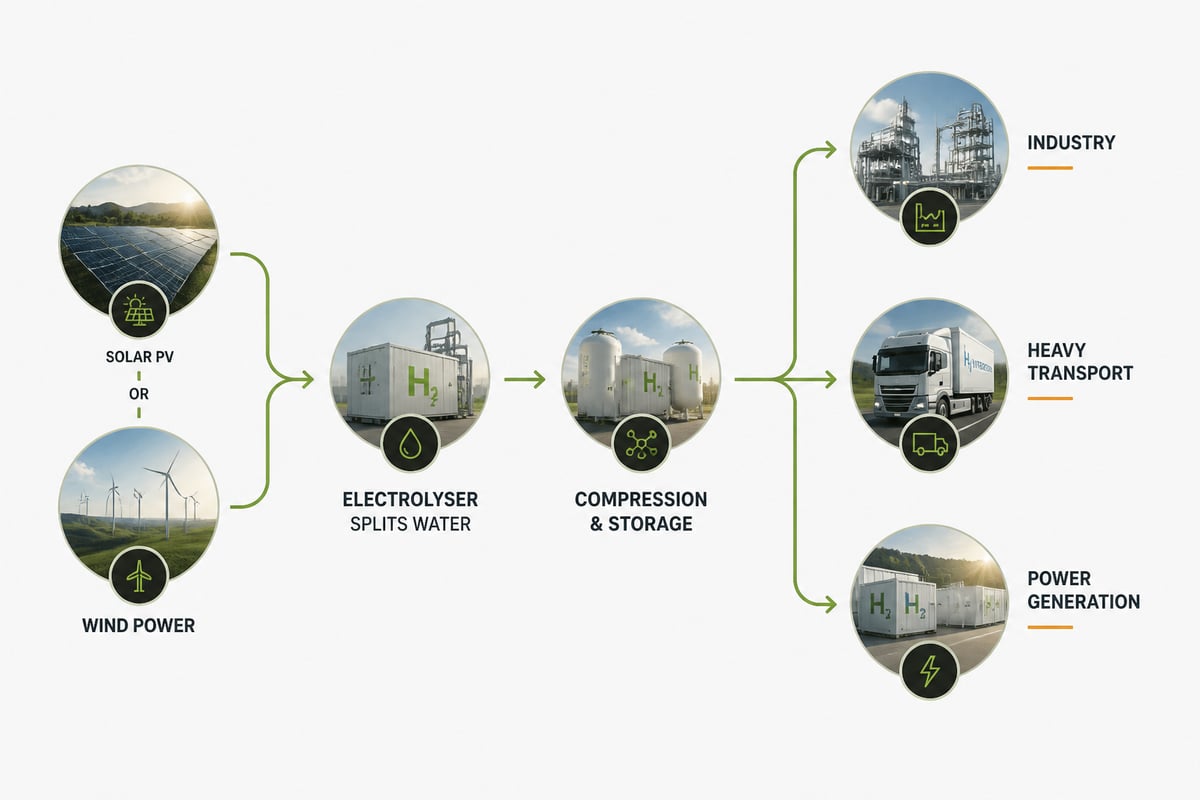
Renewable hydrogen is produced by electrolysis, a process in which an electric current splits water into hydrogen and oxygen inside a device called an electrolyser. The hydrogen is then compressed, stored or converted into other products such as ammonia.
Three electrolyser technologies dominate the conversation:
- Alkaline electrolysers are the mature, lower-cost option and cope well with steady loads.
- Proton exchange membrane (PEM) electrolysers respond quickly to changing power input, which suits variable solar and wind.
- Solid oxide electrolysers run at high temperatures and can reach higher efficiency where waste heat is available, though they are earlier in commercial development.
The electricity source drives both the carbon footprint and the cost. Electricity is typically the largest single running cost of making hydrogen, so cheap, abundant renewable power is the deciding factor. This is why countries with exceptional sun and wind attract so much attention, and why South Africa features in so many project announcements.
Why Southern Africa Is Targeted for Green Hydrogen
Southern Africa is attractive for green hydrogen because it combines some of the world's strongest solar irradiation with excellent wind resources, large areas of open land and deep-water ports. The Northern Cape offers high solar yields, while the Eastern Cape and Western Cape coasts offer strong wind. Namibia is pursuing large export-oriented projects in the south of the country.
South Africa also has a practical reason to care. Its industrial base, which includes mining, steel, chemicals and fuels, already depends on hydrogen or could use it to decarbonise. Export markets with carbon border rules, particularly in Europe, are pushing local exporters to document lower-carbon production.
Expectations need tempering, however. The IEA's production prospects to 2030 analysis shows that many announced ambitions may not be met on time. Announced projects and operating plants are very different things, and many proposals have not reached a final investment decision.
Where Hydrogen Fits: Industry, Transport and Power
Hydrogen fits best where electrification is difficult, namely heavy industry, long-haul freight, shipping and seasonal energy storage. In these areas batteries and direct electricity struggle with weight, heat or duration.
Heavy industry. Steelmaking, ammonia and fertiliser production, refining and chemicals all use large volumes of hydrogen. Replacing grey hydrogen with green hydrogen is the clearest early market, because the molecule is already needed and the buyer already exists.
Heavy transport. Mining haul trucks, long-distance freight corridors such as the N3 between Durban and Gauteng, and port equipment are candidates for hydrogen fuel cells. Light vehicles are a poor fit, since battery electric vehicles are far more efficient over short distances.
Power and storage. Hydrogen can store surplus renewable electricity for days or weeks, then return it through fuel cells or turbines. The round-trip efficiency is low compared with batteries, so it suits long-duration storage rather than daily cycling.
For a commercial or industrial property owner running warehouses, factories, cold storage or logistics yards, none of these applications is a near-term purchase. They are context for where the wider energy system is heading.
The Honest Economics of Hydrogen Renewable Energy
The economics of hydrogen renewable energy are still challenging, because green hydrogen costs more than grey hydrogen and efficiency losses compound at every step. Electricity is converted to hydrogen, the hydrogen is compressed or transported, and then it is converted back to power or used as a fuel. Each conversion loses energy.
A simple way to see the problem is to compare direct use of electricity with a hydrogen detour:
| Route | What happens | Relative efficiency |
|---|---|---|
| Solar PV to your building | Power used directly on site | Highest |
| Solar PV to battery to building | Short-term storage, small losses | High |
| Solar PV to hydrogen to fuel cell to building | Several conversions, large losses | Lowest |
The IEA's demand analysis points to limited uptake of low-emissions hydrogen, citing cost and policy challenges. Investment is growing, though: capital spending on low-emissions hydrogen projects reached USD 4.3 billion in 2024, an 80% increase from 2023, according to the IEA's investment and innovation chapter. Projects already operating, under construction or at final investment decision could lift low-emissions hydrogen production to 4.2 million tonnes per year by 2030, five times the 2024 level.
Growth from a very small base is still small, and low-emissions hydrogen would remain a minor part of global supply at the end of the decade.
Challenges Facing Hydrogen in South Africa
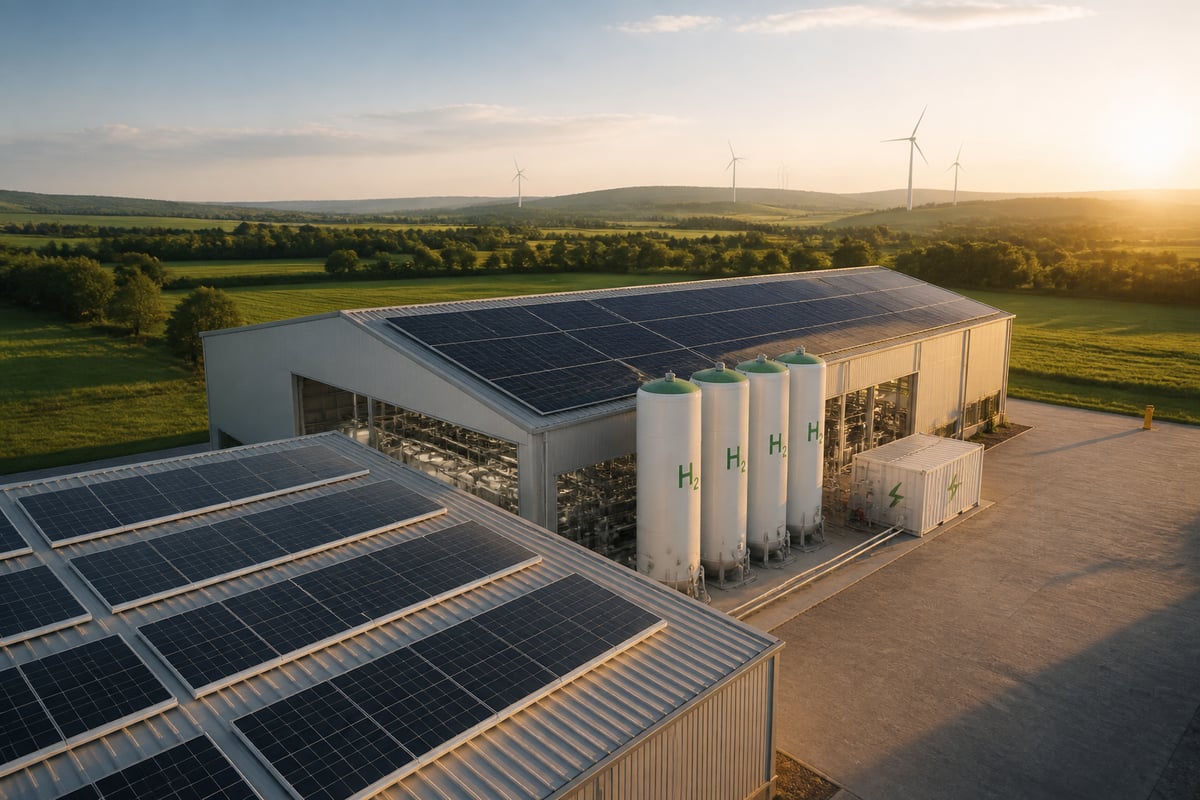
The main obstacles are cost, infrastructure, water, grid capacity and the speed of the underlying renewable build-out. Each deserves a sober look.
- Cost. Electrolysers, compression, storage and transport add to the price of every kilogram.
- Infrastructure. Pipelines, port facilities and refuelling stations barely exist at scale.
- Water. Electrolysis consumes water, and many of the sunniest regions of Southern Africa are water-scarce. Desalination adds cost and energy demand.
- Grid constraints. Transmission capacity in the Northern Cape and Eastern Cape is limited, which restricts how much new generation can connect.
- Renewable supply. Producing meaningful volumes of hydrogen needs far more solar and wind capacity than the country has installed today.
That last point is the most useful for a business owner. Every kilowatt-hour sent into an electrolyser is a kilowatt-hour not displacing coal-fired Eskom power for a factory or warehouse. Until renewable supply is abundant, using clean electricity directly is usually the better climate and financial choice.
What This Means for Your Business Electricity Costs Today
For a South African business, the most effective step toward cheaper, cleaner power right now is commercial solar PV paired with battery storage, not hydrogen. These technologies are proven, bankable and available today, and they address the tariffs and load shedding risk you face this year.
The same logic underpins hydrogen's future. Cheap renewable electricity is the foundation of green hydrogen, so building your solar and storage base now positions you for any later step. A site with strong on-site generation, good metering and a flexible load is better placed to adopt new technologies, whether that is electric vehicle fleets or, eventually, hydrogen-based products from suppliers.
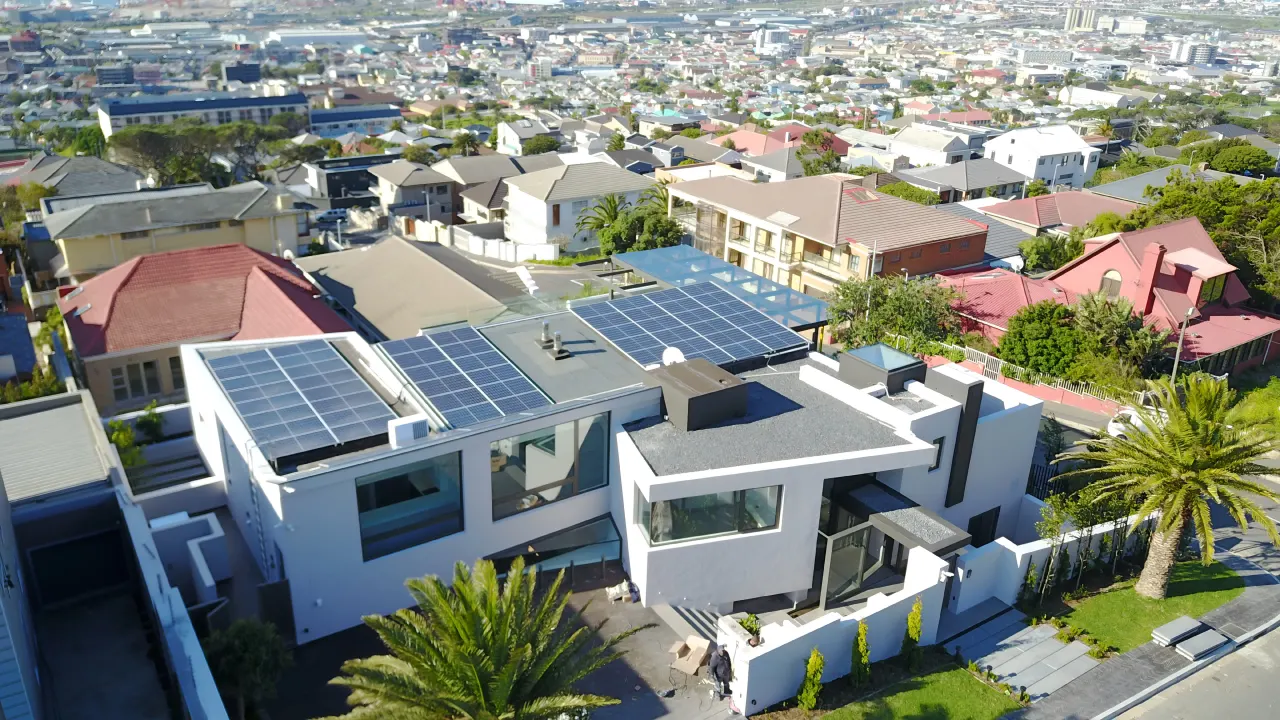
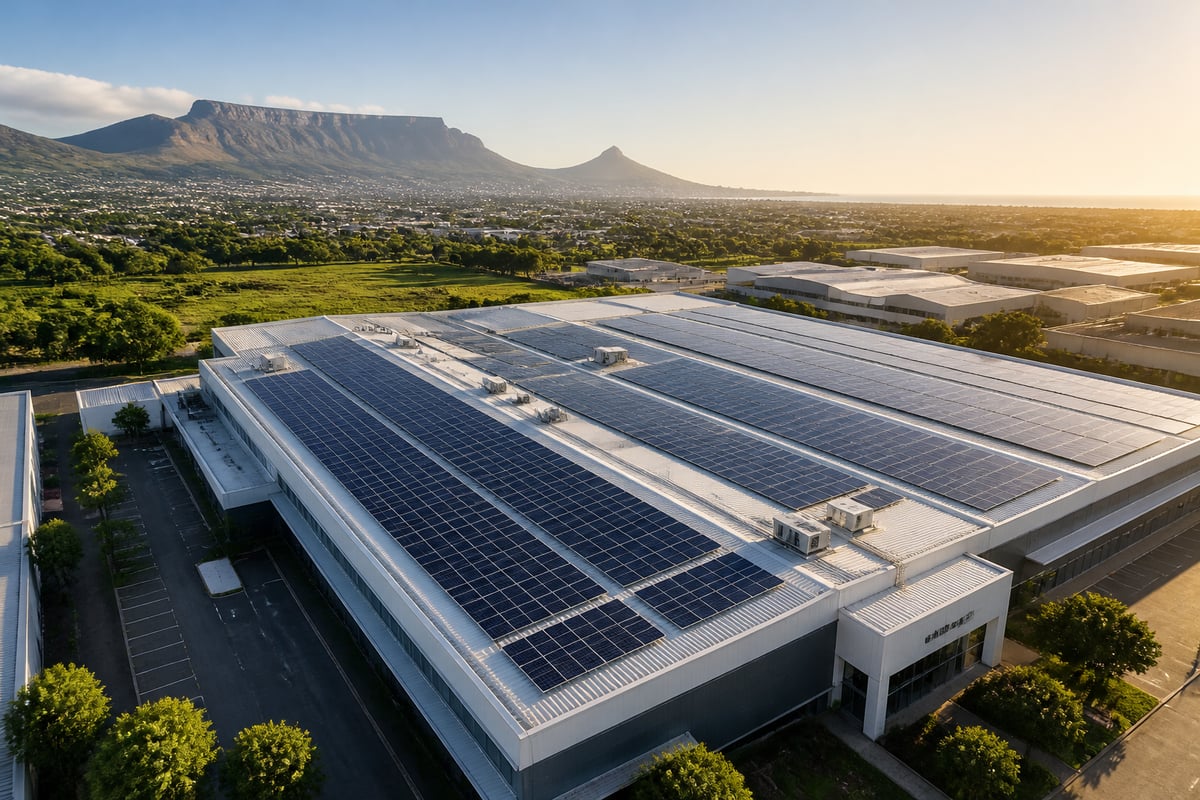
INFOLED designs, finances, installs, monitors and maintains these systems under one provider. Its completed projects include a 1.3 MWp rooftop solar PV installation at UPD Rooftop in Lea Glen, a 1.947 MWp solar PV project at CTP Parow in Cape Town, and a 266 kWp solar PV and 512 kWh battery storage project at Nutec Ink in Ottery. You can read more about the options in INFOLED's guides to solar energy for business and commercial battery storage.
Funding Clean Energy Without Capital Outlay
Businesses can adopt solar and storage without upfront capital by using a financed model in which the installer carries the investment and the client pays over time from the savings. This matters because capital budgets are often the real barrier, not the technology.
INFOLED structures financing around the client's cash flow, with zero capital investment and multi-year agreements. For a property owner, that means the system can begin reducing electricity costs without a large purchase. Specific terms depend on the site and the agreement, so the right step is to speak to the team directly rather than assume a figure.
Financing also changes how you can think about technology risk. Because the cost is spread against savings, you keep capital free for your core operations, and you can revisit new technologies, including hydrogen, as they mature.
Monitoring and Management: Where the Real Savings Hide
Measured performance data is what turns a solar installation into a lasting cost reduction. Without monitoring, losses from soiling, faults, shading or poor load matching can go unnoticed for months.
INFOLED provides proactive maintenance and live monitoring to keep systems at maximum uptime, and turns performance data into reports that show where energy is being lost and how to recover it. Every installation is also tested and inspected by an in-house quality control team. These practices matter for any future energy strategy, because the same data discipline is what you will need to evaluate new technologies sensibly. To go deeper, see INFOLED's overviews of energy consumption monitoring and energy management systems.
A practical checklist for a site manager:
- Obtain at least 12 months of half-hourly or monthly consumption data.
- Identify your peak demand periods and tariff structure.
- Assess roof condition, orientation and available area.
- Decide whether battery storage is needed for resilience or tariff arbitrage.
- Request a financed proposal that models savings against the five-year term.
FAQ
Could we run out of hydrogen?
No. Hydrogen is the most abundant element in the universe and is locked into water and hydrocarbons on Earth, so supply of the element is not a concern. The real constraint is the energy and cost needed to separate it into usable form.
What are 7 renewable energy sources?
Seven commonly listed renewable sources are solar, wind, hydropower, geothermal, biomass, ocean (tidal and wave) energy and green hydrogen, although hydrogen is strictly an energy carrier made using the others. For South African businesses, solar is the most practical today, with wind and micro-hydro relevant at suitable sites.
Is hydrogen a good option for a South African business today?
For most commercial and industrial sites, not yet. Solar PV with battery storage delivers savings and resilience immediately, while hydrogen remains better suited to heavy industry and long-haul transport as the market matures.
A sensible next step is to gather your last 12 months of electricity bills and share them with an energy specialist, because that data shows exactly how much solar and storage could save your site. INFOLED can then design, finance, install and monitor the system as a single managed solution, and you can use INFOLED to check funding eligibility for a zero-capital, five-year agreement structured around your cash flow.
Next Step
Need help with your energy strategy?
Speak to INFOLED about solar, storage, EV charging, service agreements or system performance.