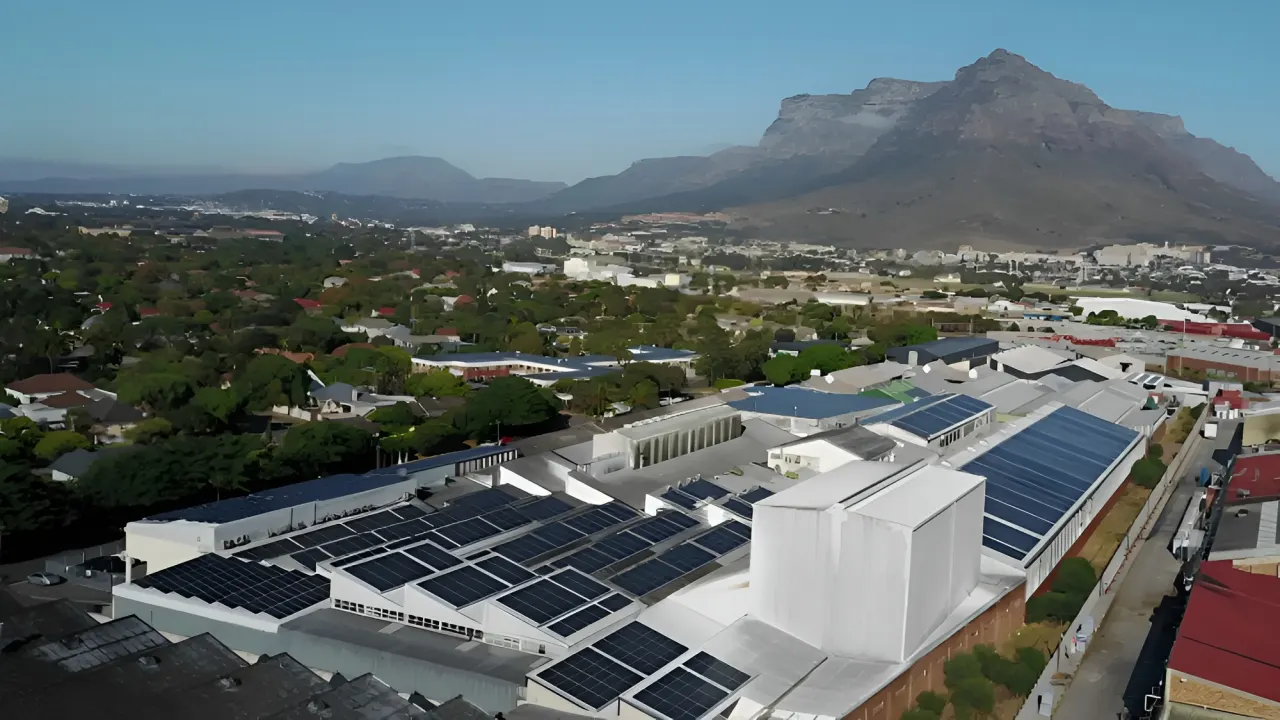
The transition to renewable energy has created unprecedented demand for portable and integrated charging solutions that harness solar power. A power charger solar system represents more than just a convenient backup option-it's become essential infrastructure for businesses, fleet operators, and facilities seeking energy independence. As grid reliability challenges persist across Southern Africa and sustainability commitments intensify, understanding the technology, applications, and engineering principles behind solar charging systems has never been more critical for commercial and industrial operations.
Understanding Power Charger Solar Technology
Solar charging technology has evolved dramatically since the first photovoltaic cells were commercialised in the mid-20th century. Today's power charger solar units integrate advanced semiconductor materials, sophisticated charge controllers, and intelligent battery management systems to deliver reliable power across diverse applications.
Core Components and Architecture
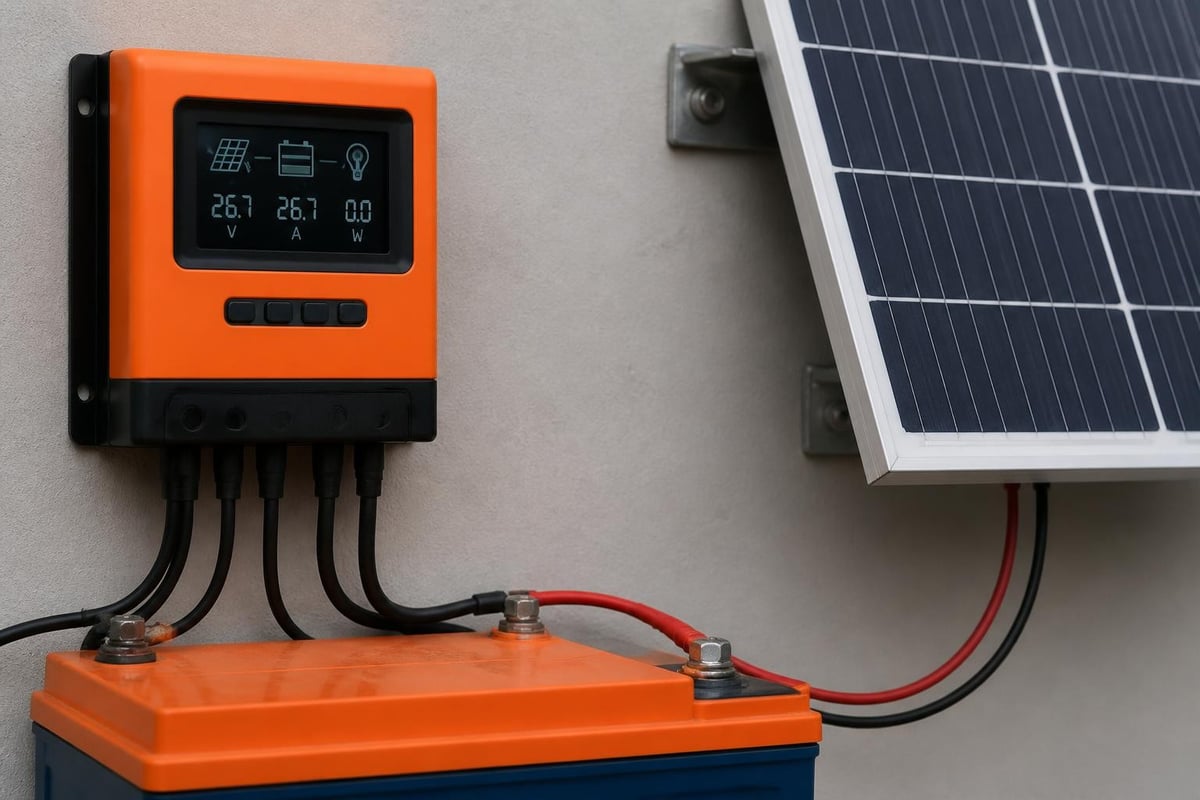
Every effective solar charging system comprises several interconnected elements working in harmony. The photovoltaic panel converts sunlight into direct current electricity through the photovoltaic effect, where photons dislodge electrons in semiconductor materials to create electrical flow.
Key system components include:
- Photovoltaic modules with monocrystalline or polycrystalline cells
- Maximum Power Point Tracking (MPPT) charge controllers
- Battery management systems for safe charging cycles
- Power regulation circuitry for consistent output
- Protection mechanisms against overcharge, over-discharge, and short circuits
The charge controller represents the brain of any power charger solar system. Modern MPPT controllers use microcontroller-driven algorithms to continuously optimise the operating point of solar panels, extracting maximum available power regardless of varying irradiance levels or temperature conditions. This technological advancement has increased charging efficiency by 15-30% compared to older pulse-width modulation controllers.
Efficiency Standards and Performance Metrics
The U.S. Department of Energy has established comprehensive energy conservation standards for battery chargers that influence global manufacturing practices. These regulations set minimum efficiency levels, standby power limits, and testing protocols that reputable power charger solar manufacturers must meet.
Performance specifications worth evaluating include:
| Metric | Typical Range | Commercial Standard |
|---|---|---|
| Conversion efficiency | 15-22% | 18-20% minimum |
| MPPT efficiency | 94-99% | 96%+ preferred |
| Charge efficiency | 85-95% | 90%+ for quality units |
| Operating temperature | -10°C to 65°C | Extended range for industrial |
When specifying solar charging infrastructure, businesses should prioritise units with documented test results from accredited laboratories. Independent consumer testing organisations provide practical performance data that reveals real-world capabilities beyond manufacturer claims.
Commercial and Industrial Applications
The versatility of power charger solar technology enables deployment across remarkably diverse commercial scenarios. Forward-thinking organisations are integrating solar charging into core operations rather than treating it as supplementary infrastructure.
Electric Vehicle Charging Infrastructure
Commercial electric vehicle fleets represent one of the fastest-growing applications for solar charging technology. Companies operating delivery vehicles, service fleets, or employee transportation are discovering that solar-powered Electric Vehicle Charging Infrastructure significantly reduces operational costs whilst advancing sustainability objectives.
Solar carport installations combine parking infrastructure with power generation, creating dual-purpose assets that generate revenue whilst providing weather protection. These systems can reduce grid dependence by 40-70% depending on location, panel orientation, and consumption patterns.
Fleet charging strategies typically follow this implementation sequence:
- Conduct detailed energy audit to establish baseline consumption
- Model solar generation potential based on site conditions
- Design hybrid system balancing solar, battery storage, and grid connection
- Install monitoring systems for performance optimisation
- Implement load management to maximise solar utilisation
Beyond fleet applications, public and workplace EV charging stations with integrated solar generation create visible sustainability statements that resonate with environmentally conscious customers and employees.
Remote Monitoring and Telecommunications
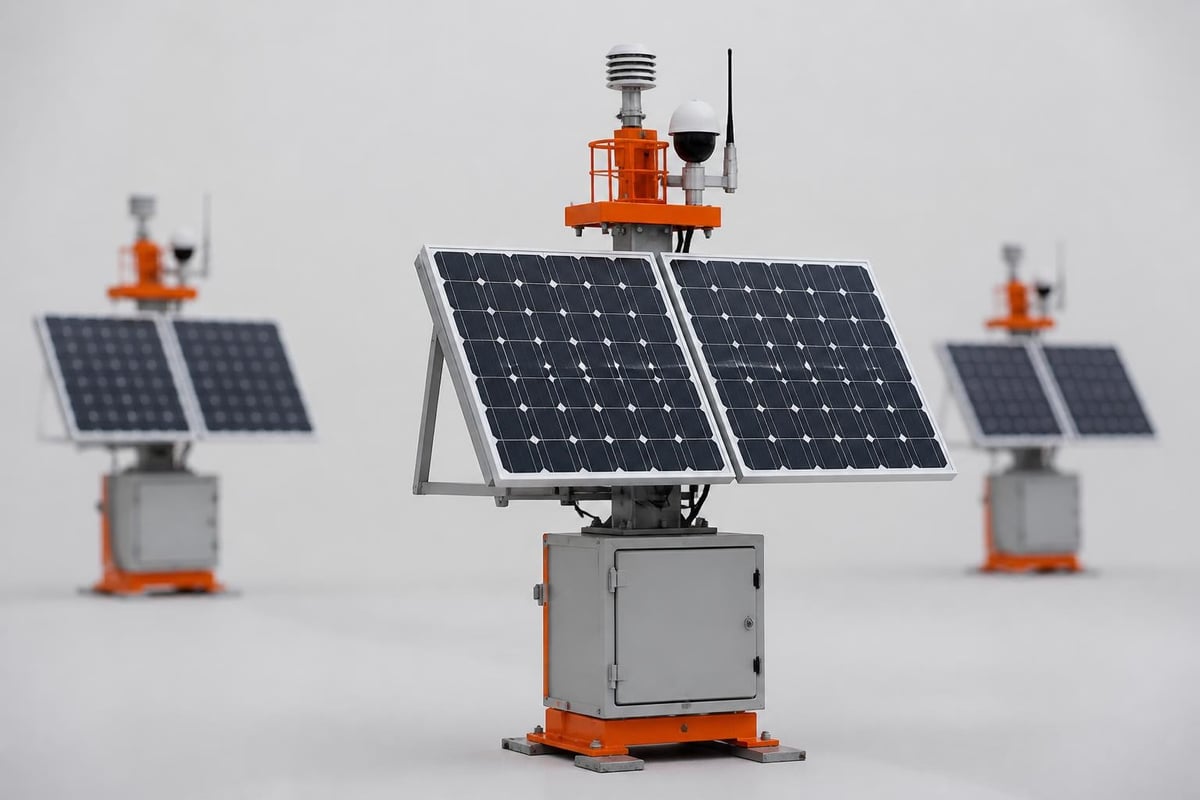
Power charger solar systems provide essential energy for remote monitoring equipment, telecommunications infrastructure, and IoT sensor networks deployed far from grid connections. Mining operations, agricultural facilities, and infrastructure projects across Southern Africa rely on autonomous solar charging to maintain critical systems.
Common remote power applications:
- Weather stations and environmental sensors
- Security cameras and perimeter monitoring
- Cellular base stations and radio repeaters
- Water quality monitoring equipment
- Agricultural automation systems
The reliability of these installations depends heavily on proper system sizing. Engineers must account for seasonal variation, consecutive low-irradiance days, and temperature effects on battery capacity when specifying components.
Engineering Considerations for System Design
Successful power charger solar implementation requires rigorous engineering analysis that accounts for location-specific factors, load profiles, and operational requirements. The difference between adequate and optimal performance often lies in design details.
Solar Resource Assessment
Southern Africa enjoys exceptional solar irradiance, with many regions receiving 5-7 peak sun hours daily. However, significant variation exists between coastal, inland, and high-altitude locations. Precise resource assessment forms the foundation of accurate system sizing.
Professional energy audits and feasibility studies quantify available solar resources using:
- Multi-year historical irradiance data
- Site-specific shading analysis using solar pathfinders or 3D modelling
- Albedo effects from surrounding surfaces
- Seasonal variation patterns
- Meteorological impact on performance
| Region | Annual Irradiance | Peak Sun Hours |
|---|---|---|
| Northern Provinces | 2100-2300 kWh/m² | 5.8-6.3 daily |
| Coastal Regions | 1900-2100 kWh/m² | 5.2-5.8 daily |
| Interior Highveld | 2000-2200 kWh/m² | 5.5-6.0 daily |
These variations directly impact the panel capacity required to deliver specified charging performance. A system designed for Johannesburg requires different specifications than an equivalent installation in Cape Town.
Battery Integration and Chemistry Selection
The battery subsystem represents the largest single investment in most power charger solar installations. Chemistry selection profoundly influences system performance, lifecycle costs, and maintenance requirements.
Lithium iron phosphate (LiFePO₄) batteries have become the preferred choice for commercial solar charging applications due to superior cycle life, thermal stability, and charge acceptance rates. However, lead-acid technologies remain viable for budget-conscious applications with lower cycle frequency.
Safety standards compliance cannot be negotiable. UL battery safety standards establish testing protocols for thermal runaway resistance, electrical protection, and mechanical integrity that protect both equipment and personnel. Reputable manufacturers provide comprehensive certification documentation covering UL 2054, IEC 62133, and UN 38.3 transport regulations.
The challenges of off-grid solar deployment extend beyond initial installation to include lifecycle management, eventual recycling, and environmental responsibility. Businesses committed to genuine sustainability must plan for end-of-life battery management from the outset.
Integration With Broader Energy Systems
Modern power charger solar installations rarely operate in isolation. The greatest value emerges when solar charging integrates seamlessly with comprehensive energy management strategies.
Hybrid System Architecture
Sophisticated commercial installations combine solar generation with grid connection, battery storage, and intelligent load management. This hybrid approach maximises renewable energy utilisation whilst maintaining operational reliability.
A typical commercial hybrid system incorporates:
- Solar PV arrays optimally oriented for seasonal performance
- Battery energy storage systems for load shifting and backup
- Grid connection for supplementary power during peak demand
- Inverter systems managing bidirectional power flow
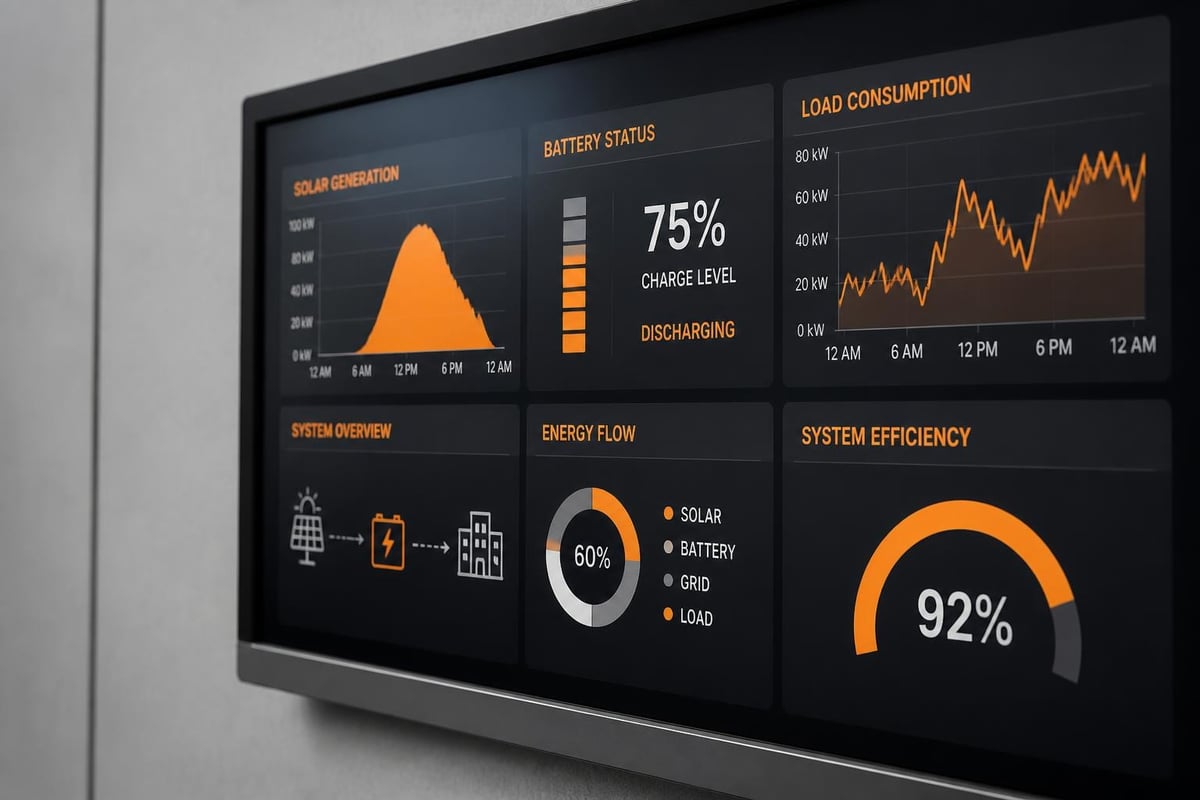
- Monitoring platforms providing real-time performance visibility
Projects across Southern Africa demonstrate that well-designed hybrid systems can achieve 60-85% solar fraction, meaning the majority of annual energy consumption comes from renewable generation rather than grid power.
Smart Monitoring and Performance Optimisation
The power charger solar systems of 2026 generate extensive operational data that enables continuous performance optimisation. Cloud-connected monitoring platforms track generation, consumption, battery state-of-charge, and system health metrics in real-time.
Advanced analytics reveal:
- Generation patterns identifying panel degradation or soiling issues
- Consumption trends highlighting efficiency opportunities
- Battery health indicators predicting maintenance requirements
- System inefficiencies suggesting configuration adjustments
Businesses serious about maximising return on solar investments leverage this data to maintain peak performance throughout system lifetime. Proactive maintenance based on actual condition rather than arbitrary schedules reduces downtime whilst extending equipment longevity.
Emerging Technologies and Future Developments
Innovation in power charger solar technology continues accelerating as materials science advances, manufacturing scales up, and digital integration deepens. Several developments will reshape the landscape over coming years.
Advanced Cell Technologies
Perovskite solar cells promise efficiency gains beyond traditional silicon while potentially reducing manufacturing costs. Though still primarily laboratory achievements, commercial production is approaching viability for specialised applications requiring lightweight, flexible solar charging solutions.
Tandem cell architectures stacking multiple photovoltaic layers to capture broader spectrum ranges have achieved laboratory efficiencies exceeding 30%. As manufacturing processes mature, these technologies will enable smaller, more powerful charging systems.
Intelligent Grid Integration
Vehicle-to-grid (V2G) technology transforms electric vehicles from simple loads into distributed energy resources. Solar-charged EV batteries can discharge power back to facilities during peak demand periods, creating virtual power plants that enhance grid resilience.
This bidirectional capability requires sophisticated power electronics and communication protocols, but the economic value is substantial. Fleet operators can monetise stored solar energy whilst supporting broader grid stability.
Future integration capabilities:
- Dynamic load balancing across multiple charging points
- Predictive charging scheduling based on weather forecasts
- Automated demand response participation
- Peer-to-peer energy trading between installations
- Blockchain-verified renewable energy certificates
Regulatory Compliance and Standards
Operating power charger solar systems within Southern Africa's evolving regulatory framework requires attention to multiple compliance dimensions. Electrical installations must meet national wiring codes, grid-connected systems require utility approval, and commercial installations face additional oversight.
Grid Connection Requirements
Any power charger solar system capable of feeding electricity back to the utility grid must comply with specific technical standards governing power quality, protection systems, and anti-islanding mechanisms. These requirements protect grid infrastructure and utility personnel working on distribution networks.
Standard approval processes involve:
- Preliminary application with system specifications
- Technical review by utility engineering team
- Protection relay settings approval
- Physical inspection before commissioning
- Ongoing compliance monitoring
Lead times for grid connection approvals vary significantly by municipality and utility provider. Experienced engineering firms navigate these processes efficiently, avoiding delays that extend project timelines and increase costs. Understanding local requirements before finalising system design prevents costly redesigns during approval stages.
Safety and Installation Standards
All electrical work must comply with SANS 10142 wiring code requirements and be performed by licensed electricians. Solar installations additionally require compliance with SANS 10142-1 (low voltage installations) and relevant sections addressing renewable energy systems.
Insurance considerations also influence system design. Many commercial insurance policies require specific safety features, certification levels, and professional installation documentation to maintain coverage validity. Businesses should engage insurers early in planning processes to understand requirements.
Economic Analysis and Return on Investment
Financial viability drives commercial power charger solar adoption as much as environmental commitment. Comprehensive economic analysis must account for all costs, revenue streams, and risk factors over projected system lifetime.
Capital and Operating Costs
Total investment encompasses equipment procurement, installation labour, electrical infrastructure upgrades, monitoring systems, and professional services. Quality installations from reputable providers typically range between R15,000-R35,000 per installed kilowatt for commercial-scale systems.
| Cost Component | Percentage of Total | Commercial Range |
|---|---|---|
| Solar panels | 30-40% | Premium efficiency adds 15-25% |
| Inverters and controllers | 15-20% | String vs micro-inverter choice |
| Battery storage | 25-35% | Chemistry significantly impacts cost |
| Balance of system | 10-15% | Mounting, wiring, protection |
| Installation labour | 10-15% | Complexity and accessibility factors |
Operating expenses include preventative maintenance, monitoring subscriptions, insurance premiums, and eventual component replacement. Well-maintained systems require minimal intervention, but budgeting 1-2% of capital cost annually for maintenance ensures long-term reliability.
Revenue Streams and Savings
Power charger solar systems generate value through multiple mechanisms beyond simple electricity bill reduction. Sophisticated financial models capture all benefit streams:
- Direct energy cost avoidance at retail electricity rates
- Demand charge reduction through peak shaving
- Feed-in tariff revenue where available
- Avoided load-shedding impact on operations
- Carbon credit monetisation opportunities
- Enhanced property valuation
Payback periods for commercial installations typically range from 3-7 years depending on electricity rates, system sizing, and operational patterns. Internal rates of return frequently exceed 15-20% over 25-year system lifetimes.
Energy calculators provide preliminary financial estimates, but detailed project-specific analysis accounting for tax implications, financing costs, and operational nuances delivers accurate investment guidance.
Maintenance and Lifecycle Management
Maximising power charger solar system performance across 25+ year operational lifetimes requires proactive maintenance strategies rather than reactive repairs after failures occur.
Preventative Maintenance Protocols
Regular inspection and cleaning schedules maintain peak generation efficiency. Dust, pollen, bird droppings, and environmental pollution gradually accumulate on panel surfaces, reducing light transmission and decreasing power output by 15-25% in heavily soiled conditions.
Recommended maintenance schedule:
- Monthly: Visual inspection for physical damage or vegetation shading
- Quarterly: Performance review against expected generation
- Biannually: Panel cleaning with appropriate techniques
- Annually: Electrical testing, connection torque verification, thermal imaging
- Biennially: Comprehensive system audit and calibration
Thermal imaging surveys identify developing problems before they cause failures. Hot spots on solar panels indicate cell degradation or connection issues requiring intervention. Inverter thermal patterns reveal cooling system performance and component stress.
End-of-Life Considerations and Recycling
Responsible lifecycle management extends beyond operational phase to include proper decommissioning and materials recovery. Solar panels contain valuable materials including silicon, silver, copper, and aluminium that merit recovery rather than landfill disposal.
Battery recycling presents even greater imperative due to hazardous material content and resource scarcity. Lithium, cobalt, and nickel recovered from spent batteries offset virgin material extraction whilst preventing environmental contamination.
Solar panel and battery recycling programmes ensure compliance with Extended Producer Responsibility regulations whilst supporting circular economy principles. Businesses committed to authentic sustainability must plan for end-of-life management from initial system design.
Technical Support and Professional Services
The complexity of modern power charger solar systems makes professional engineering support valuable throughout project lifecycle. Attempting DIY approaches or engaging inexperienced contractors frequently results in suboptimal performance, safety concerns, and financial disappointment.
Engineering and Design Services
Proper system design requires sophisticated modelling software, extensive technical knowledge, and understanding of local conditions. Professional engineers conduct load analysis, model solar generation potential using site-specific data, specify appropriate components, and optimise system configuration for client requirements.
Texas Instruments provides authoritative reference designs and application notes that guide engineers designing efficient solar charge controllers. However, applying these engineering principles to specific commercial installations requires experience beyond theoretical knowledge.
Financial modelling accuracy depends on realistic performance assumptions. Overly optimistic projections create disappointed clients, while conservative estimates may prevent economically viable projects from proceeding. Experienced professionals balance optimism with pragmatism.
Ongoing Support and Optimisation
Post-installation support ensures systems deliver expected performance throughout operational lifetime. Remote monitoring alerts technical teams to developing issues, enabling intervention before minor problems become major failures.
Performance guarantees from reputable installers provide financial protection whilst incentivising quality workmanship. Typical guarantees cover minimum generation thresholds adjusted for weather variations, with compensation mechanisms if systems underperform.
As energy needs evolve, existing installations may require capacity expansion or configuration changes. Modular system designs facilitate future growth without wholesale replacement, protecting initial investments whilst accommodating business development.
Power charger solar technology offers commercial and industrial operations across Southern Africa proven pathways to energy independence, cost reduction, and sustainability progress. Success requires balancing technical sophistication with practical reliability, ensuring systems deliver expected performance across multi-decade operational lifetimes. INFOLED brings comprehensive renewable energy engineering expertise to design, install, and maintain solar charging infrastructure that meets your specific operational requirements whilst supporting broader ESG and Net Zero commitments. Contact our technical team to discuss how intelligent solar solutions can transform your energy strategy.
Next Step
Need help with your energy strategy?
Speak to INFOLED about solar, storage, EV charging, service agreements or system performance.