Understanding the fundamental differences between energy sources has become essential for businesses and households throughout South Africa as load shedding continues to impact operations and daily life. The distinction between renewable and non renewable sources affects everything from electricity costs to environmental compliance, with commercial and industrial facilities increasingly seeking reliable alternatives to grid dependency. This comprehensive guide examines both categories, their applications in the South African context, and how organisations can strategically transition toward sustainable energy systems.
Understanding Renewable and Non Renewable Sources
Energy sources fall into two fundamental categories based on their availability and regeneration capacity. Renewable energy derives from natural processes that replenish themselves continuously, including solar radiation, wind patterns, water flow, and biological materials. These sources remain available indefinitely when managed responsibly, making them attractive for long-term energy planning.
Non-renewable energy comes from finite geological deposits formed over millions of years. Once extracted and consumed, these resources cannot be replaced within human timeframes. Fossil fuels dominate this category, alongside nuclear materials that require mining and processing.
The Classification Framework
The energy sector categorises sources based on several critical factors:
- Replenishment rate: Whether the source regenerates faster than consumption occurs
- Environmental impact: Emissions, pollution, and ecological disruption during extraction and use
- Resource availability: Geographic distribution and accessibility of the energy source
- Technological requirements: Infrastructure needed for extraction, conversion, and distribution
- Economic viability: Cost structure including initial investment and operational expenses
This framework helps organisations evaluate which energy solutions align with their operational requirements and sustainability objectives. The U.S. Department of Energy provides extensive resources on evaluating different energy technologies for specific applications.
Non-Renewable Energy Sources in South Africa
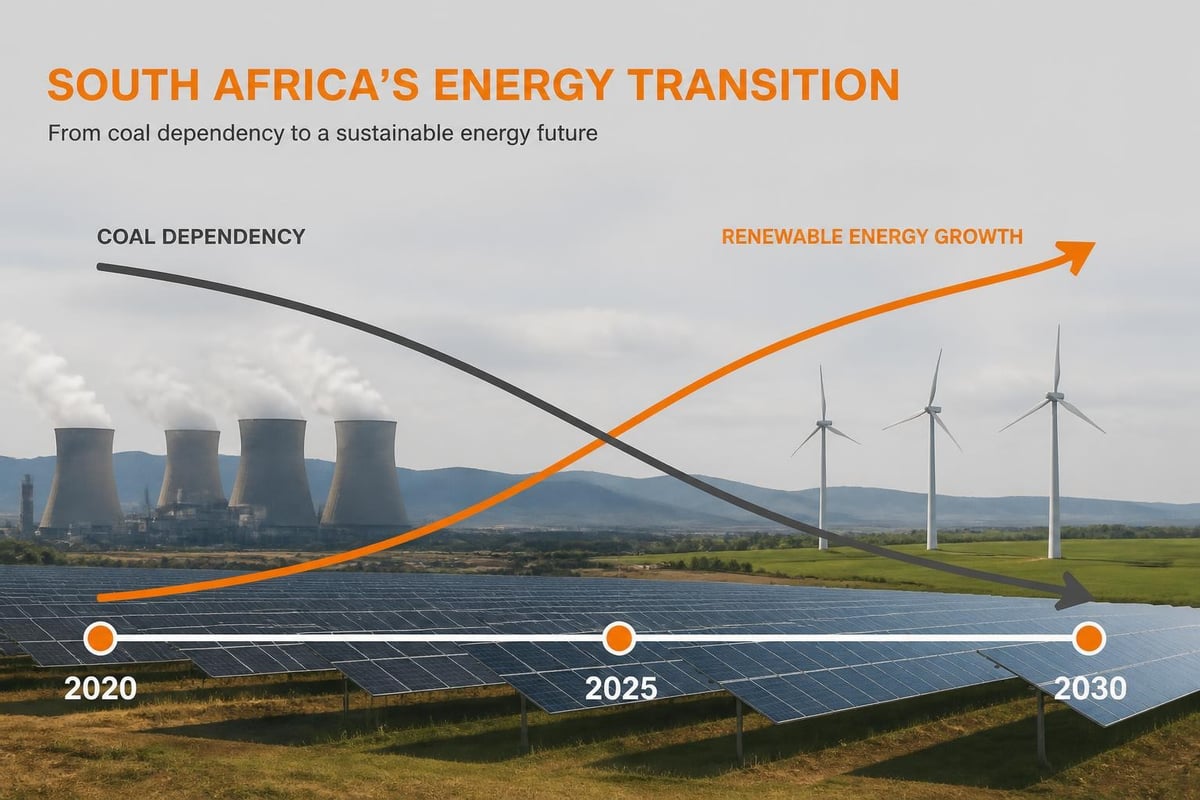
South Africa's energy landscape has historically depended heavily on coal, which supplied approximately 80% of national electricity generation through 2025. This reliance on fossil fuels created significant vulnerabilities as aging infrastructure struggled to meet demand, contributing to prolonged load shedding episodes.
Coal: The Dominant Fossil Fuel
Coal remains South Africa's primary energy source, with vast reserves concentrated in Mpumalanga and Limpopo provinces. The country possesses some of the world's largest coal deposits, making it historically attractive for power generation and industrial processes.
However, coal combustion releases substantial carbon dioxide, sulphur dioxide, and particulate matter. These emissions contribute to air quality problems in industrial regions and represent a significant barrier to achieving Net Zero commitments.
| Aspect | Characteristics |
|---|---|
| Availability | Abundant domestic reserves (50+ years at current consumption) |
| Energy Density | High (24-30 MJ/kg) |
| Infrastructure | Extensive existing coal-fired power stations |
| Environmental Impact | High CO₂ emissions, air pollution, water consumption |
| Future Outlook | Declining investment, planned decommissioning by 2050 |
Natural Gas and Petroleum
Natural gas represents a cleaner-burning fossil fuel increasingly discussed for South Africa's energy transition. The discovery of offshore gas reserves along the southern coast has renewed interest in gas-to-power projects, though infrastructure development remains limited.
Petroleum products power transportation and backup generators throughout the country. Diesel generators became ubiquitous during load shedding, creating significant operational costs for businesses running these systems during outages.
Nuclear Energy Considerations
Nuclear power provides approximately 5% of South Africa's electricity through the Koeberg Power Station near Cape Town. While nuclear generates significant electricity without direct carbon emissions, it faces challenges including radioactive waste management, high capital costs, and public safety concerns.
Educational resources on nonrenewable resources explain the complex lifecycle and environmental considerations associated with nuclear energy production.
Renewable Energy Technologies
Renewable and non renewable sources differ fundamentally in their operational characteristics and environmental profiles. Renewable technologies harness natural processes that continuously replenish, creating sustainable energy systems when properly implemented.
Solar Photovoltaic Systems
South Africa enjoys exceptional solar irradiation levels, particularly in the Northern Cape, Free State, and North West provinces. Most regions receive over 2,500 hours of sunshine annually, making solar photovoltaic (PV) technology highly effective for electricity generation.
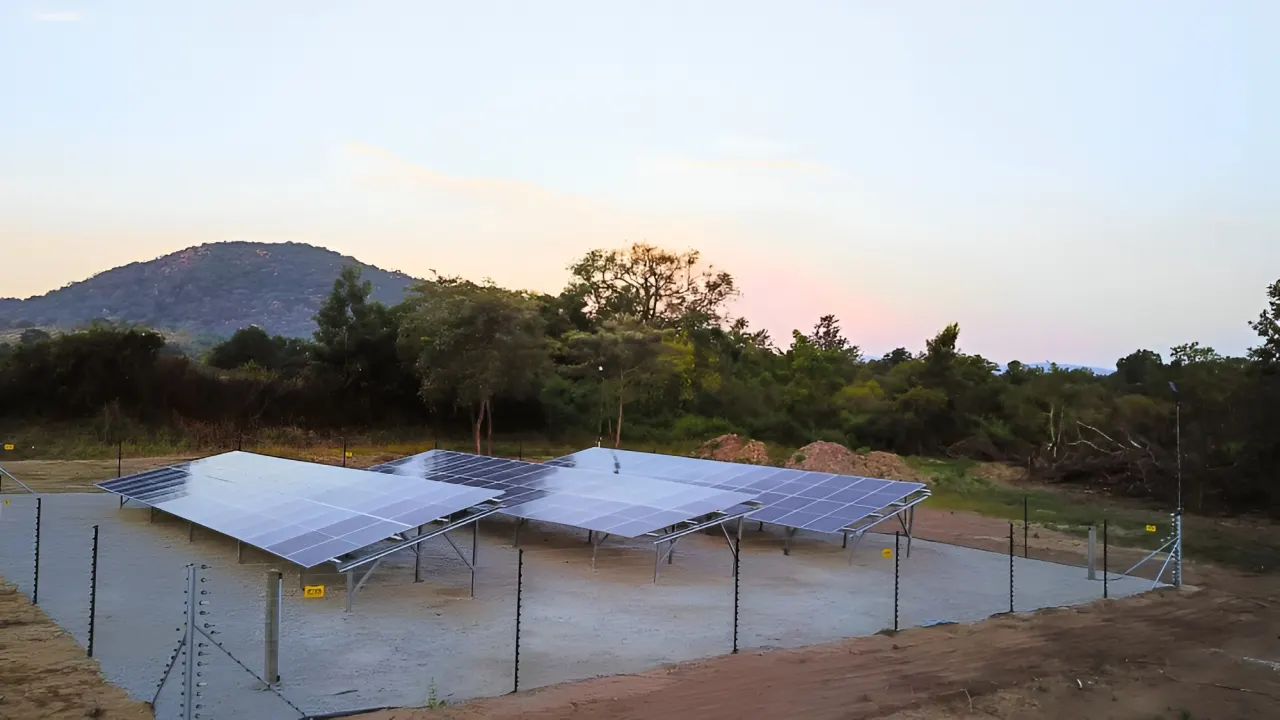
Commercial and industrial facilities increasingly install rooftop and ground-mounted solar arrays to reduce electricity costs and ensure operational continuity during grid outages. A properly designed commercial solar PV system can offset 30-70% of daytime electricity consumption, delivering substantial savings on utility bills.
Key advantages of solar energy include:
- Zero fuel costs after installation
- Minimal maintenance requirements
- Scalable from residential to utility-scale applications
- Silent operation without moving parts
- Declining equipment costs (70% reduction since 2010)
- 25+ year operational lifespan for quality modules
Wind Power Generation
Wind energy contributes significantly to South Africa's renewable energy capacity, with major wind farms operating in the Eastern Cape, Western Cape, and Northern Cape. Coastal regions and elevated inland areas experience consistent wind patterns suitable for commercial-scale generation.
Wind turbines convert kinetic energy into electricity through aerodynamic blade design and generator technology. Modern turbines operate efficiently across varying wind speeds, with capacity factors reaching 35-45% in optimal locations.
Hydroelectric and Biomass Options
Hydroelectric generation remains limited in South Africa due to geographical constraints, though pumped storage schemes like Drakensberg and Ingula provide valuable grid stabilisation and peak-demand capacity.
Biomass energy derives from organic materials including agricultural residues, forestry waste, and dedicated energy crops. This renewable source offers dispatchable generation capacity, addressing intermittency concerns associated with solar and wind technologies.
Comparing Environmental Impacts
The environmental implications of renewable and non renewable sources extend beyond carbon emissions to encompass water consumption, land use, biodiversity effects, and waste generation. Research on environmental trends demonstrates the comprehensive impact assessment required for energy planning.
Emissions and Air Quality
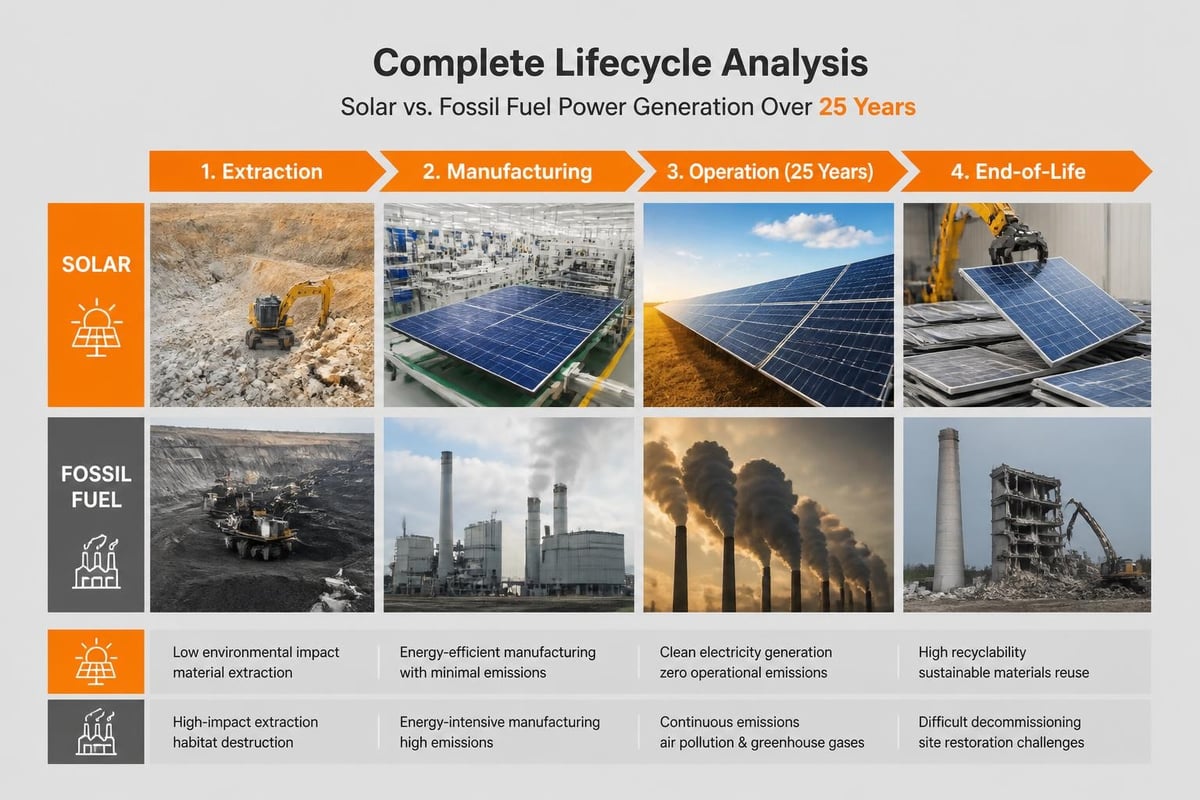
Non-renewable fossil fuels release greenhouse gases and pollutants during combustion. A typical coal-fired power station emits approximately 0.9-1.1 kg of CO₂ per kilowatt-hour generated, alongside sulphur dioxide, nitrogen oxides, and heavy metals.
Renewable technologies produce minimal operational emissions. Solar PV systems generate electricity without any combustion, whilst wind turbines operate emission-free. The primary environmental consideration involves manufacturing emissions, which are typically recovered within 1-3 years of operation.
| Energy Source | CO₂ Emissions (g/kWh) | Water Consumption | Land Impact |
|---|---|---|---|
| Coal | 900-1100 | Very High | Moderate |
| Natural Gas | 400-500 | Moderate | Low |
| Solar PV | 40-50 (lifecycle) | Minimal | Moderate |
| Wind | 10-20 (lifecycle) | None | Low |
| Hydroelectric | 10-30 (lifecycle) | High (reservoir) | High |
Resource Depletion Concerns
Non-renewable sources face inevitable depletion as consumption continues. South Africa's coal reserves, whilst substantial, represent a finite resource that diminishes with extraction. Global petroleum reserves experience similar constraints, creating long-term price volatility and supply uncertainty.
Renewable energy systems avoid resource depletion concerns by harnessing continuously available natural processes. The sun provides more energy to Earth's surface in one hour than global civilisation consumes annually, illustrating the abundant potential of renewable technologies.
Economic Considerations for South African Businesses
The financial analysis of renewable and non renewable sources has shifted dramatically over the past decade. Renewable technologies now offer compelling economic returns alongside environmental benefits, particularly for commercial and industrial electricity consumers.
Levelised Cost of Energy
The levelised cost of energy (LCOE) measures the total lifetime cost per kilowatt-hour generated, accounting for capital expenditure, operational costs, fuel, and financing. This metric enables direct comparison between different technologies.
2026 LCOE estimates for South Africa (ZAR/kWh):
- Solar PV (commercial): R0.65 - R0.95
- Wind (commercial): R0.75 - R1.10
- Coal (new build): R1.20 - R1.50
- Diesel generation: R3.50 - R5.00
- Municipal grid (commercial): R1.80 - R2.50
These figures demonstrate renewable technologies' cost competitiveness, particularly when compared to diesel backup generation or escalating municipal tariffs.
Return on Investment Timeframes
Commercial solar installations typically achieve payback periods of 4-6 years in South Africa, depending on electricity consumption patterns, tariff structures, and system sizing. The remaining operational life delivers pure savings and energy security benefits.
Businesses implementing renewable energy systems also access several financial advantages:
- Reduced exposure to Eskom tariff increases (averaging 12-15% annually)
- Improved operational resilience during load shedding
- Enhanced property valuations
- Compliance with environmental regulations
- Strengthened ESG credentials for reporting and tenders
Integration with Energy Storage
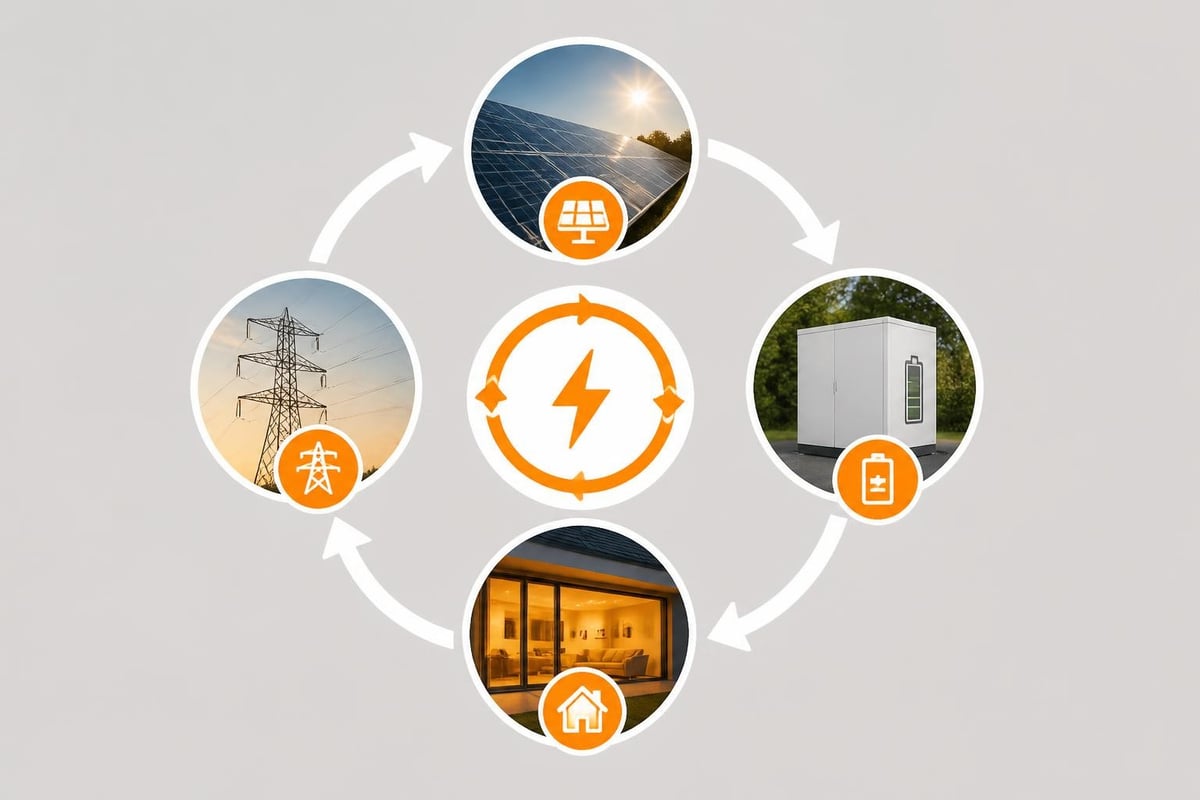
Modern renewable installations increasingly incorporate Battery Energy Storage Systems (BESS) to address intermittency and provide 24-hour energy availability. Battery storage solutions enable businesses to store excess solar generation for evening peak demand, maximise self-consumption, and maintain critical operations during grid outages without diesel generators.
Technical Integration Strategies
Successfully incorporating renewable and non renewable sources requires careful technical planning to ensure reliability, safety, and regulatory compliance. Commercial facilities often implement hybrid systems that combine multiple generation sources with intelligent control systems.
Grid-Tied Solar Systems
Grid-tied configurations remain the most common commercial solar implementation. These systems operate in parallel with the municipal supply, feeding excess generation back to the grid or reducing imported electricity during daylight hours.
Grid-tied system components:
- Solar PV arrays (rooftop, carport, or ground-mounted)
- Inverters (string or central configuration)
- Distribution board integration
- Metering equipment (bidirectional where applicable)
- Protection devices and disconnect switches
Installations exceeding specific capacity thresholds require municipal approval and grid connection permits. Working with experienced renewable energy companies streamlines the compliance and commissioning process.
Hybrid Energy Solutions
Hybrid systems combine renewable generation with energy storage and backup capabilities. These configurations provide maximum energy independence whilst maintaining grid connection for additional reliability.
A typical commercial hybrid system might include:
- Solar PV array sized for 60-80% of daytime consumption
- Battery storage for 3-6 hours of critical load operation
- Grid connection for supplementary supply
- Intelligent energy management system
- Optional diesel generator for extended outages
The energy management system optimises energy flows based on generation availability, battery state of charge, grid tariffs, and load requirements. This intelligent coordination maximises renewable energy utilisation whilst ensuring continuous operation.
Transition Planning for Organisations
Moving from dependence on non-renewable sources toward renewable energy systems requires strategic planning aligned with operational requirements and financial objectives. Engineering assessments and feasibility studies provide the foundation for successful implementation.
Energy Audit and Load Analysis
Understanding current energy consumption patterns represents the essential first step. Comprehensive energy audits identify:
- Total electricity consumption and demand profiles
- Peak demand periods and load factors
- Power quality issues affecting operations
- Energy waste and efficiency opportunities
- Critical versus non-critical loads
This analysis informs appropriate system sizing and configuration to match business requirements without over- or under-investment in capacity.
Phased Implementation Approach
Large-scale renewable installations often proceed in phases to manage capital expenditure and demonstrate value before full deployment:
- Phase 1: Pilot installation covering 20-30% of consumption with monitoring systems
- Phase 2: Expansion to 50-60% coverage based on demonstrated performance
- Phase 3: Battery storage integration for peak shaving and backup
- Phase 4: Additional capacity to maximise renewable fraction
This staged approach allows organisations to validate performance, refine operational procedures, and secure financing for subsequent phases based on proven returns.
Regulatory and Compliance Considerations
South African renewable installations must comply with various regulations including:
- Occupational Health and Safety Act requirements for rooftop work
- National Building Regulations for structural loading
- Municipal bylaws for grid-connected systems
- SANS 10142-1 electrical installation standards
- Registration with the South African Photovoltaic Industry Association (SAPVIA)
Professional renewable energy companies manage these compliance requirements, ensuring installations meet all safety and performance standards.
Monitoring and Performance Optimisation
Maximising returns from renewable and non renewable sources requires ongoing monitoring and maintenance. Modern systems incorporate sophisticated analytics platforms that track generation, consumption, and system health in real-time.
Remote Monitoring Systems
Cloud-based monitoring platforms provide comprehensive visibility into energy system performance:
- Real-time generation and consumption data
- Historical performance analysis and trending
- Fault detection and automated alerts
- Financial performance tracking (savings and returns)
- Environmental impact reporting (CO₂ avoided)
These platforms enable proactive maintenance, ensuring systems operate at optimal efficiency throughout their operational life.
Maintenance Requirements
Renewable energy systems require minimal maintenance compared to non-renewable alternatives:
Solar PV maintenance:
- Panel cleaning (quarterly to semi-annually depending on environment)
- Inverter inspection and firmware updates
- Electrical connection verification
- Performance ratio analysis
Battery storage maintenance:
- State of health monitoring
- Temperature management verification
- Cell balancing and capacity testing
- Firmware updates and calibration
Diesel generator maintenance (where retained):
- Regular servicing every 200-500 hours
- Fuel quality management
- Load bank testing
- Cooling system maintenance
The reduced maintenance requirements of renewable systems contribute significantly to their superior lifetime economics compared to fossil fuel alternatives. Detailed analysis of energy sources demonstrates these operational differences across technologies.
Future Energy Landscape
The relationship between renewable and non renewable sources continues evolving rapidly as technology costs decline and environmental pressures intensify. South Africa's energy sector faces fundamental transformation over the coming decades.
Declining Role of Fossil Fuels
Eskom's Integrated Resource Plan projects significant coal plant decommissioning through 2050, with renewable energy and gas-fired generation replacing coal capacity. This transition reflects both environmental imperatives and economic realities as renewable technologies achieve cost parity and superior operational flexibility.
Investment patterns confirm this shift. New coal projects face financing difficulties as international lenders implement fossil fuel exclusion policies. Conversely, renewable energy projects attract substantial domestic and foreign investment, with billions of rand committed to utility-scale solar and wind developments.
Emerging Technologies
Several emerging technologies will shape the future energy mix:
- Green hydrogen: Renewable electricity converted to hydrogen for energy storage and industrial processes
- Advanced battery chemistries: Longer duration, lower cost storage solutions
- Concentrated solar power: Thermal storage enabling 24-hour solar generation
- Vehicle-to-grid integration: Electric vehicles providing distributed storage capacity
These technologies address current limitations of renewable systems whilst further reducing the economic viability of fossil fuel alternatives. Comprehensive overviews of nonrenewable energy sources provide context for understanding this technological transition.
Policy and Regulatory Evolution
Government policy increasingly favours renewable energy deployment through various mechanisms:
- Embedded generation allowances (now unlimited for private projects)
- Renewable Energy Independent Power Producer Procurement Programme
- Carbon tax implementation (currently R144 per tonne CO₂)
- Municipal wheeling frameworks enabling private generation
- Grid access reforms to accelerate renewable integration
These policy developments create favourable conditions for businesses to transition from reliance on non-renewable sources toward sustainable energy systems that reduce costs whilst supporting environmental objectives.
Strategic Advantages of Renewable Adoption
Organisations implementing renewable energy systems gain multiple strategic benefits beyond direct cost savings. These advantages increasingly influence competitive positioning and stakeholder relationships.
Energy Security and Resilience
South Africa's ongoing electricity supply challenges make energy resilience a critical business consideration. Renewable systems with storage provide reliable power independent of grid availability, protecting operations from load shedding disruptions.
This operational continuity delivers tangible value:
- Avoided production losses during outages
- Maintained service delivery to customers
- Protected refrigeration and climate control systems
- Continued operation of security and IT infrastructure
- Eliminated diesel fuel costs and supply logistics
Environmental, Social, and Governance (ESG) Performance
Corporate ESG reporting has become essential for accessing capital markets, winning tenders, and maintaining stakeholder confidence. Renewable energy implementation directly supports multiple ESG objectives:
- Scope 2 emissions reduction (electricity consumption)
- Progress toward Net Zero commitments
- Air quality improvement in operational areas
- Reduced water consumption (versus coal and nuclear)
- Support for just energy transition policies
Many large corporations now require suppliers to demonstrate renewable energy adoption as part of procurement criteria, making this transition essential for supply chain participation.
Brand Differentiation
Businesses leading the renewable energy transition gain reputational benefits with environmentally conscious customers, employees, and investors. Visible solar installations signal commitment to sustainability and operational innovation.
This brand enhancement proves particularly valuable in consumer-facing industries and sectors competing for skilled talent who increasingly prioritise employer environmental credentials.
Implementation Success Factors
Achieving optimal outcomes from renewable energy projects requires attention to several critical success factors beyond basic technology selection.
Partner Selection
Working with experienced renewable energy companies ensures proper system design, quality equipment selection, compliant installation, and reliable ongoing support. Evaluation criteria should include:
- Demonstrated project portfolio in similar applications
- Engineering capabilities and in-house design expertise
- Financial stability and warranty backing
- Post-installation support and maintenance services
- Transparent pricing and performance guarantees
System Sizing and Configuration
Properly sized systems match generation capacity to consumption patterns without excessive oversizing that extends payback periods. Sophisticated modelling tools simulate system performance under various scenarios, optimising the balance between capacity and investment.
Financing Structures
Multiple financing options enable renewable energy adoption without large capital outlays:
- Cash purchase: Shortest payback, highest long-term returns
- Debt financing: Leveraged returns with manageable repayment terms
- Operating leases: Off-balance-sheet solution with fixed monthly costs
- Power Purchase Agreements: No upfront cost, pay for generated electricity
Each structure suits different financial objectives and accounting preferences. Detailed project information demonstrates various implementation approaches across different sectors.
Performance Guarantees
Professional renewable energy providers offer performance guarantees ensuring systems deliver projected generation and savings. These guarantees provide confidence in investment returns whilst establishing clear accountability for system performance.
Typical guarantees specify minimum energy generation (kWh annually) with compensation mechanisms if systems underperform due to equipment or design issues.
Understanding renewable and non renewable sources empowers South African businesses to make informed energy decisions that reduce costs whilst supporting environmental objectives. As renewable technologies continue advancing and fossil fuel dependency becomes increasingly expensive and unreliable, transitioning to sustainable energy systems represents both environmental responsibility and sound business strategy. INFOLED provides comprehensive renewable energy solutions throughout Southern Africa, delivering intelligent solar, battery storage, and energy management systems that help commercial, industrial, and residential clients achieve energy independence, reduce electricity costs, and progress toward Net Zero goals.
Next Step
Need help with your energy strategy?
Speak to INFOLED about solar, storage, EV charging, service agreements or system performance.