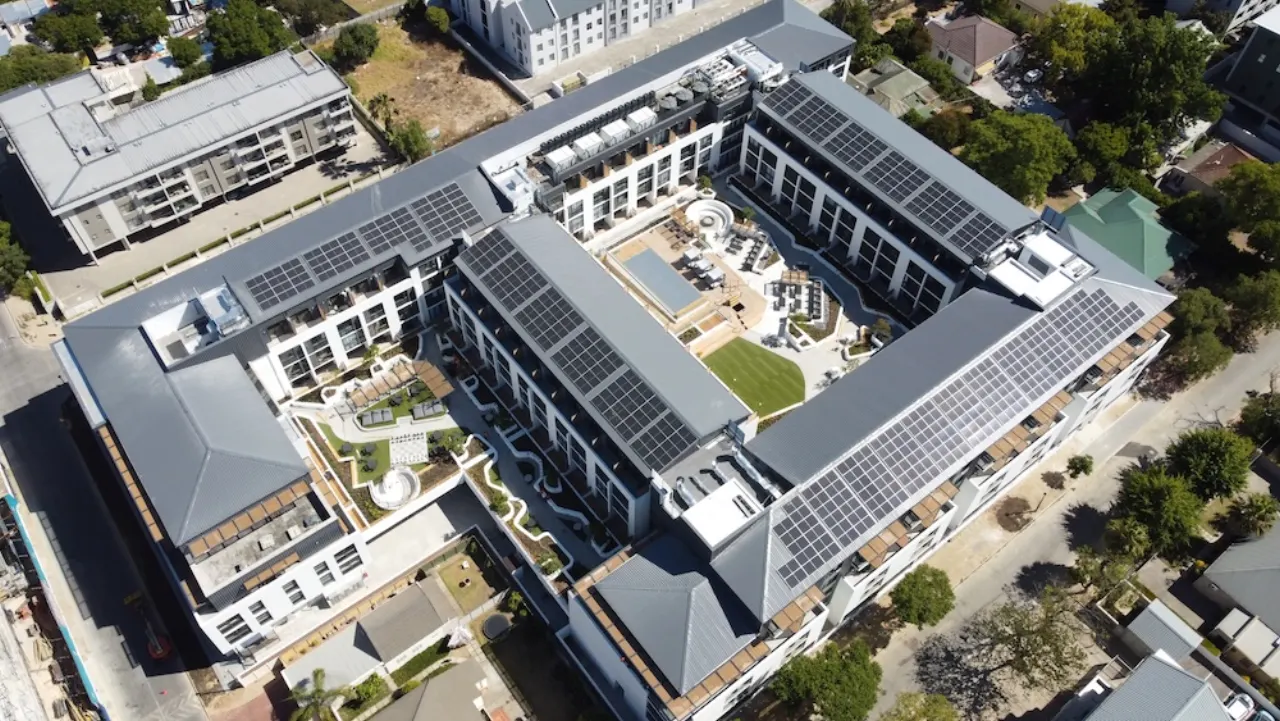
The transition to renewable energy has accelerated across Southern Africa, with sun powered solutions leading the charge in transforming how businesses and households consume electricity. As load-shedding persists and electricity tariffs continue their upward trajectory, organisations in Johannesburg, Cape Town, Durban, and beyond are discovering that harnessing solar radiation offers not merely environmental benefits but substantial financial returns and operational resilience. The technology has matured considerably, with photovoltaic systems now delivering cost-effective, reliable power that rivals and often surpasses grid electricity in terms of total cost of ownership.
Understanding Sun Powered Technology Fundamentals
Sun powered systems convert solar radiation into usable electricity through photovoltaic (PV) cells or, less commonly in commercial applications, concentrated solar power (CSP) technologies. The fundamentals of solar radiation explain how photons from sunlight strike semiconductor materials, liberating electrons and creating direct current electricity.
South Africa benefits from some of the world's highest solar irradiance levels, with the Northern Cape receiving an average of 2,500 kWh per square metre annually. This abundant resource makes sun powered installations particularly attractive across the country.
Photovoltaic System Components
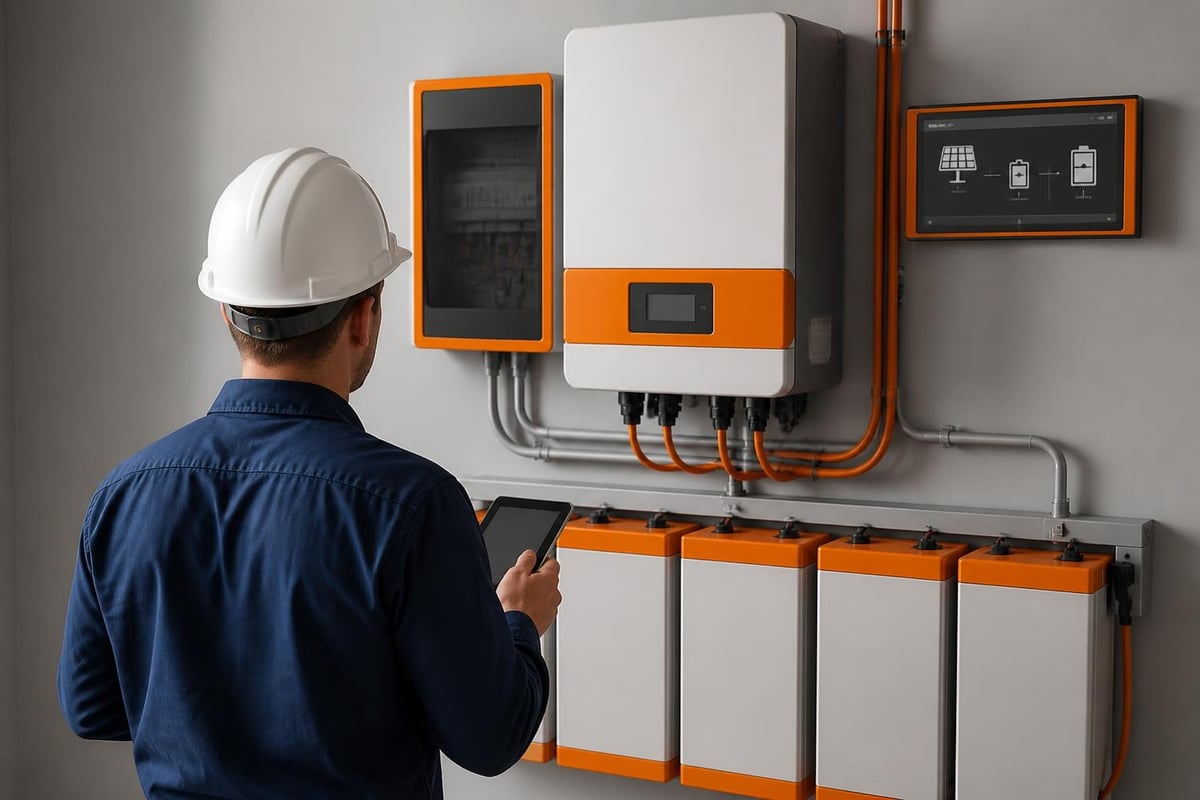
Modern sun powered installations comprise several integrated components working in concert:
- Solar panels (modules) containing photovoltaic cells that capture sunlight
- Inverters converting DC electricity to AC power for building consumption
- Mounting structures securing panels to rooftops, ground, or carports
- Battery energy storage systems (BESS) storing excess generation for later use
- Monitoring equipment tracking performance and optimising energy flows
- Protection devices ensuring safety and grid compliance
The quality of each component directly impacts system performance, longevity, and return on investment. South African conditions-intense UV exposure, occasional hail, and temperature extremes-demand robust, proven technology.
Commercial Applications Across Industry Sectors
Sun powered installations have proven transformative across diverse South African industries, each with unique energy profiles and operational requirements.
Manufacturing and Industrial Facilities
Energy-intensive operations in Gauteng and KwaZulu-Natal have embraced sun powered solutions to reduce electricity costs that often represent 15-30% of total operating expenses. Large roof areas and consistent daytime demand create ideal conditions for solar PV.
A typical 500 kW sun powered system for a manufacturing facility in Johannesburg delivers approximately 750,000 kWh annually, offsetting roughly ZAR 1.2 million in electricity purchases at current municipal tariffs. Payback periods typically range from 3-5 years, with systems warranted for 25 years.
Agricultural Operations
The agricultural sector has witnessed particularly strong sun powered adoption, from wine estates in Stellenbosch to fruit packhouses in Limpopo. Irrigation pumping, cold storage, and processing facilities all benefit from agricultural solar installations that align energy generation with operational demand.
| Application | Typical System Size | Annual Savings Potential |
|---|---|---|
| Irrigation pumping | 50-150 kW | ZAR 120,000-360,000 |
| Cold storage | 100-300 kW | ZAR 240,000-720,000 |
| Packhouse operations | 200-500 kW | ZAR 480,000-1,200,000 |
Retail and Commercial Property
Shopping centres, office parks, and warehouses represent significant opportunities for sun powered solutions. These facilities combine ample roof space with consistent daytime consumption and strong creditworthiness for financing structures.
Financial Considerations and Investment Returns
Understanding the economics behind sun powered installations requires examining multiple financial dimensions that collectively determine viability and attractiveness.
Capital Cost Structures
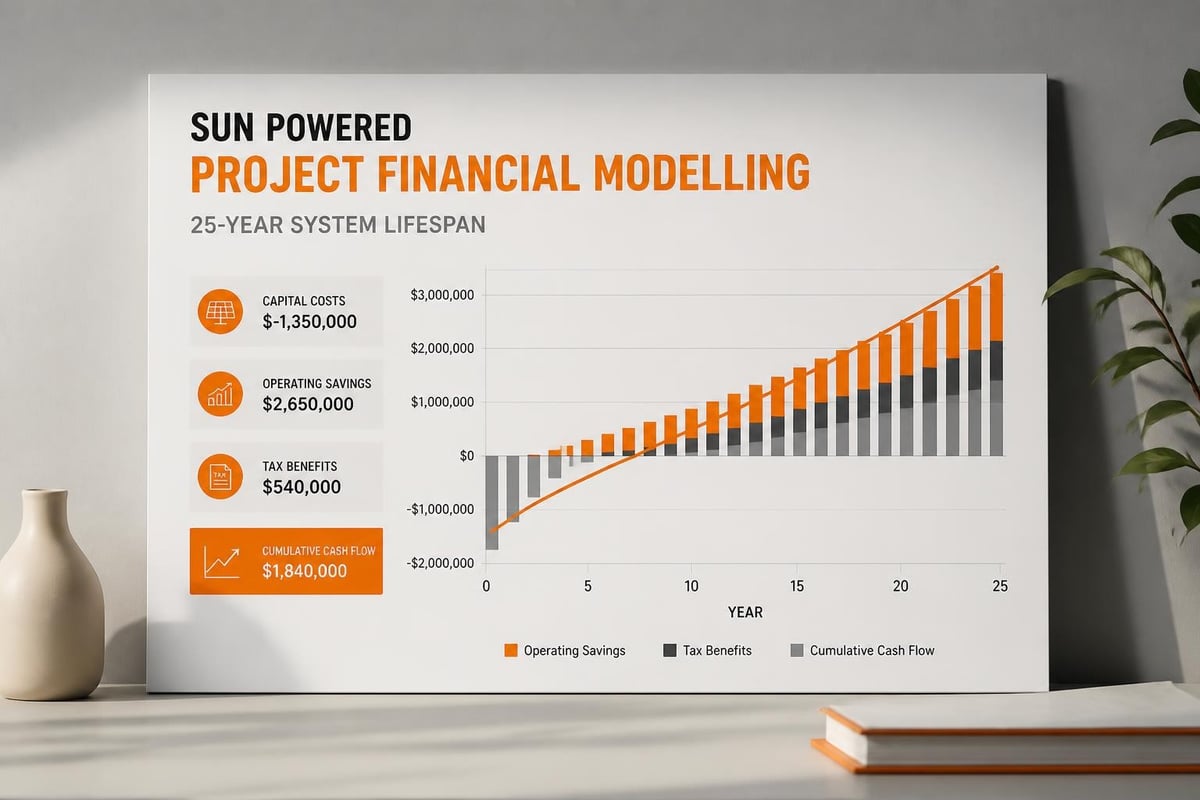
Sun powered system costs have declined approximately 70% over the past decade, making installations increasingly accessible. Current pricing for quality commercial systems in South Africa typically ranges from ZAR 12,000 to ZAR 18,000 per installed kW, depending on size, complexity, and component selection.
This includes:
- Engineering and design services
- All equipment procurement
- Professional installation
- Grid connection and compliance
- Commissioning and handover
Battery storage adds approximately ZAR 8,000-12,000 per kWh of capacity, though prices continue falling as technology advances and manufacturing scales.
Financing Mechanisms
Multiple financing pathways make sun powered solutions accessible even without substantial capital outlays. Power purchase agreements (PPAs) allow businesses to install systems with minimal upfront investment, paying only for electricity generated at rates below grid tariffs.
Lease structures and green bonds offer additional options, whilst Section 12B tax allowances provide accelerated depreciation benefits for qualifying renewable energy assets. The combination of these mechanisms has democratised access to solar energy for business across company sizes.
Technical Design and Engineering Excellence
Successful sun powered installations begin with rigorous engineering analysis that matches system configuration to energy requirements, site characteristics, and operational objectives.
Load Profiling and System Sizing
Accurate load profiling forms the foundation of optimal system design. Engineers analyse historical consumption data, identifying:
- Peak demand periods and their duration
- Base load requirements during operational hours
- Seasonal variations affecting energy use
- Growth projections for future capacity needs
- Critical loads requiring backup during outages
This analysis determines ideal system capacity, ensuring sun powered generation aligns with consumption patterns whilst avoiding oversizing that compromises financial returns.
Site Assessment and Optimisation
Physical site characteristics significantly influence system performance and configuration. Professional assessments evaluate roof structural capacity, shading analysis throughout the year, orientation and tilt angles, available mounting options, and electrical infrastructure adequacy.
South African installations benefit from relatively simple roof mounting in most regions, though coastal environments demand corrosion-resistant components and proper sealing against moisture ingress.
Modern commercial solar PV installations incorporate sophisticated modelling software that predicts generation profiles with remarkable accuracy, typically within 5% of actual performance when properly commissioned.
Hybrid Systems and Energy Storage Integration
Pure sun powered systems deliver maximum value when consumption aligns with generation. For facilities operating beyond daylight hours or requiring backup power, hybrid configurations incorporating battery storage unlock additional benefits.
Battery Energy Storage Benefits
BESS integration with sun powered installations enables:
- Load-shedding protection maintaining operations during outages
- Time-of-use optimisation storing cheap solar energy for expensive peak periods
- Demand charge reduction limiting maximum grid draw
- Increased self-consumption utilising more solar generation directly
- Grid services participation potential revenue from ancillary services
Battery costs continue declining whilst energy density and cycle life improve, making storage increasingly attractive for commercial installations.
Grid-Tied, Hybrid, and Off-Grid Configurations
| Configuration | Best Application | Key Advantages | Considerations |
|---|---|---|---|
| Grid-tied | Urban commercial buildings | Lower cost, simple operation | No backup capability |
| Hybrid | Operations needing resilience | Backup power, demand management | Higher capital cost |
| Off-grid | Remote facilities | Energy independence | Requires careful sizing |
Most South African commercial installations favour hybrid configurations, balancing cost-effectiveness with the operational security increasingly necessary given grid instability.
Performance Monitoring and Asset Management
Sun powered systems require minimal intervention but benefit enormously from continuous monitoring that identifies performance degradation, equipment faults, or optimisation opportunities.
Real-Time Analytics Platforms
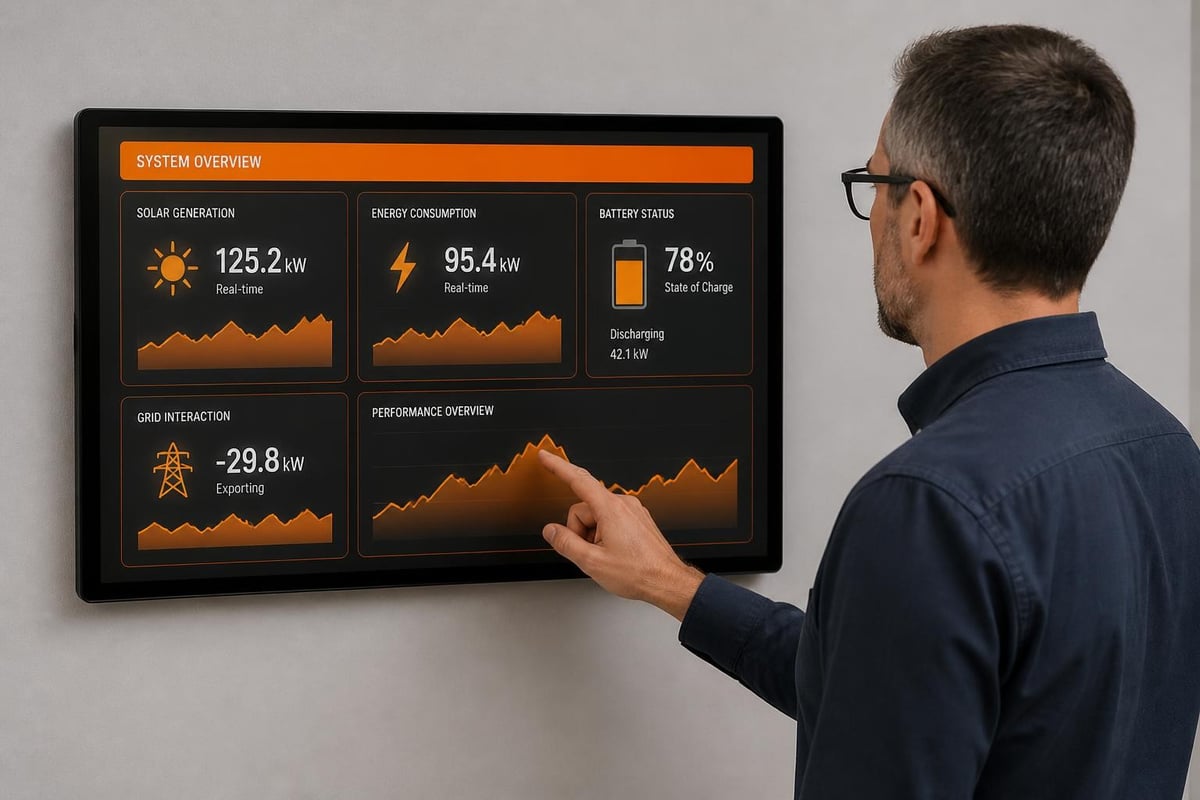
Modern monitoring solutions track generation, consumption, battery status, and grid interaction at sub-minute intervals. Cloud-based dashboards accessible via smartphone or computer provide instant visibility into system performance, enabling rapid response to any anomalies.
Advanced platforms employ artificial intelligence to predict maintenance requirements, optimise battery charging strategies, and forecast generation based on weather patterns. These capabilities maximise energy production whilst extending equipment lifespan.
Preventative Maintenance Programmes
Whilst sun powered installations are remarkably reliable, structured maintenance ensures optimal performance throughout their 25+ year operational life:
- Quarterly visual inspections and performance verification
- Annual thermal imaging identifying hotspots or cell degradation
- Panel cleaning as required (frequency varies by location and rainfall)
- Inverter servicing per manufacturer specifications
- Battery health monitoring and capacity testing
- Vegetation management preventing shading
Professional maintenance typically costs 0.5-1% of system capital cost annually, representing excellent value given the energy production at stake.
Regulatory Framework and Grid Connection
South African sun powered installations must navigate regulatory requirements that vary between municipalities and electricity distributors. Understanding and managing these obligations prevents delays and ensures compliant operation.
Municipal and Utility Requirements
Each municipality and Eskom region maintains specific requirements for grid-connected generation. Generally, systems under 1 MW require:
- Registration with the National Energy Regulator of South Africa (NERSA)
- Grid impact studies for larger installations
- Protection equipment meeting utility specifications
- Approved contractors holding necessary registrations
- Inspection and commissioning by qualified personnel
Navigating these requirements demands experience with local authorities and technical competence in protection equipment specification and commissioning procedures.
Feed-in Tariffs and Net Metering
Several South African municipalities now offer feed-in tariffs or net metering arrangements, allowing sun powered systems to export excess generation to the grid. Rates vary considerably, from ZAR 0.40 to ZAR 1.20 per kWh, though generally fall below retail purchase rates.
The homeowner's guide to solar provides useful context on these mechanisms, though commercial arrangements in South Africa differ significantly from residential programmes in other jurisdictions.
Environmental and Social Governance Benefits
Beyond financial returns, sun powered installations deliver measurable environmental and social benefits increasingly valued by stakeholders, customers, and investors.
Carbon Footprint Reduction
Each kWh generated from sun powered systems displaces grid electricity with a carbon intensity of approximately 0.95 kg CO₂e in South Africa's coal-heavy grid. A modest 250 kW commercial system generating 375,000 kWh annually therefore avoids roughly 356 tonnes of CO₂ emissions.
These reductions contribute directly to corporate sustainability targets, with quantifiable carbon savings supporting ESG reporting and Net Zero commitments. International frameworks like CDP, GRI, and TCFD increasingly expect organisations to demonstrate credible decarbonisation pathways, with renewable energy integration representing one of the most impactful interventions.
Supply Chain and Labour Considerations
The growing sun powered sector creates significant employment across engineering, manufacturing, installation, and maintenance activities. Responsible procurement practices ensure ethical supply chains, whilst local content requirements in some programmes support South African manufacturing capabilities.
The IRENA report on solar PV supply chains examines technical and ESG standards throughout the value chain, highlighting considerations for sustainable scaling of the industry globally and in emerging markets like South Africa.
Emerging Technologies and Future Developments
Sun powered technology continues evolving rapidly, with several developments promising further cost reductions and performance improvements over coming years.
Next-Generation Photovoltaic Technologies
Conventional crystalline silicon panels dominate today's market, but emerging alternatives show considerable promise. Perovskite solar cells have demonstrated efficiency gains in laboratory settings, with ongoing work addressing durability and manufacturing challenges before commercialisation.
Bifacial panels capturing light from both sides, half-cut cell designs reducing resistive losses, and improved anti-reflective coatings all contribute to incremental efficiency improvements that compound over system lifetimes.
Integration with Electric Vehicle Infrastructure
The convergence of sun powered generation and electric vehicle adoption creates compelling synergies for commercial properties. Workplace charging powered by solar installations offers employees clean, cost-effective transport energy whilst maximising solar self-consumption during business hours.
Combined systems leverage shared electrical infrastructure and monitoring platforms whilst delivering marketing benefits through visible commitment to sustainability. Forward-thinking organisations are planning for this integration now, even if EV adoption remains modest today.
Market Outlook and Cost Trajectories
Global and regional market dynamics continue favouring sun powered technology adoption, with several trends reinforcing economic attractiveness.
The BloombergNEF Global PV Market Outlook projects continued module price declines through 2026, driven by manufacturing overcapacity and technological advancement. These reductions translate directly to lower installed system costs, improving returns for new projects.
Regional Market Growth
Southern Africa's sun powered market is expanding rapidly, with annual installations across the region exceeding 2 GW in 2025. South Africa accounts for approximately 60% of regional capacity, with strong growth in Namibia, Botswana, and Zimbabwe where grid reliability challenges mirror domestic conditions.
Corporate procurement of sun powered solutions has accelerated dramatically, with major mining houses, manufacturers, and retailers deploying hundreds of megawatts collectively. This commercial momentum, rather than residential uptake, drives the South African market's expansion.
Sun powered technology has evolved from alternative energy curiosity to mainstream business infrastructure, delivering reliable returns whilst strengthening energy resilience and environmental credentials. The combination of abundant solar resources, mature technology, flexible financing, and compelling economics positions these solutions as essential components of South African commercial energy strategy. INFOLED designs, finances, installs, and maintains intelligent sun powered solutions tailored to commercial, industrial, and agricultural requirements across Southern Africa, helping organisations reduce electricity costs whilst advancing sustainability objectives through integrated renewable energy technology.
Next Step
Need help with your energy strategy?
Speak to INFOLED about solar, storage, EV charging, service agreements or system performance.