
The concept of harnessing wind energy directly from buildings has gained traction as South African businesses and property owners seek diverse renewable energy solutions. A rooftop wind turbine represents an innovative approach to distributed energy generation, particularly in urban and peri-urban environments where ground-mounted systems may not be feasible. Whilst solar photovoltaic systems dominate the renewable landscape across Gauteng, Western Cape, and KwaZulu-Natal, understanding the potential and limitations of wind turbines installed on building structures provides valuable insight for comprehensive energy strategies. This technology offers particular relevance for commercial and industrial facilities seeking to diversify their renewable energy portfolios and strengthen energy resilience.
Understanding Rooftop Wind Turbine Technology
A rooftop wind turbine operates on the same fundamental principles as larger ground-mounted systems, converting kinetic energy from wind into electrical power through rotating blades connected to a generator. However, the urban environment presents unique challenges that distinguish these systems from their larger counterparts.
Building-mounted turbines typically range from 1 kW to 10 kW capacity, significantly smaller than commercial wind farms. The compact design addresses structural load limitations and navigates complex urban wind patterns. Unlike ground-mounted turbines that benefit from consistent, unobstructed airflow, rooftop installations contend with turbulent wind conditions created by surrounding structures.
Types of Small-Scale Wind Systems
Horizontal-Axis Wind Turbines (HAWTs) feature the traditional propeller design with blades rotating around a horizontal axis. These systems typically deliver higher efficiency in optimal wind conditions but require precise alignment with prevailing wind direction. Their performance depends heavily on consistent wind flow, which urban environments rarely provide.
Vertical-Axis Wind Turbines (VAWTs) offer distinct advantages for rooftop applications:
- Omnidirectional operation captures wind from any direction
- Lower noise profiles suit urban environments
- Compact footprint fits constrained roof spaces
- Reduced vibration transmission to building structures
- Simpler maintenance access
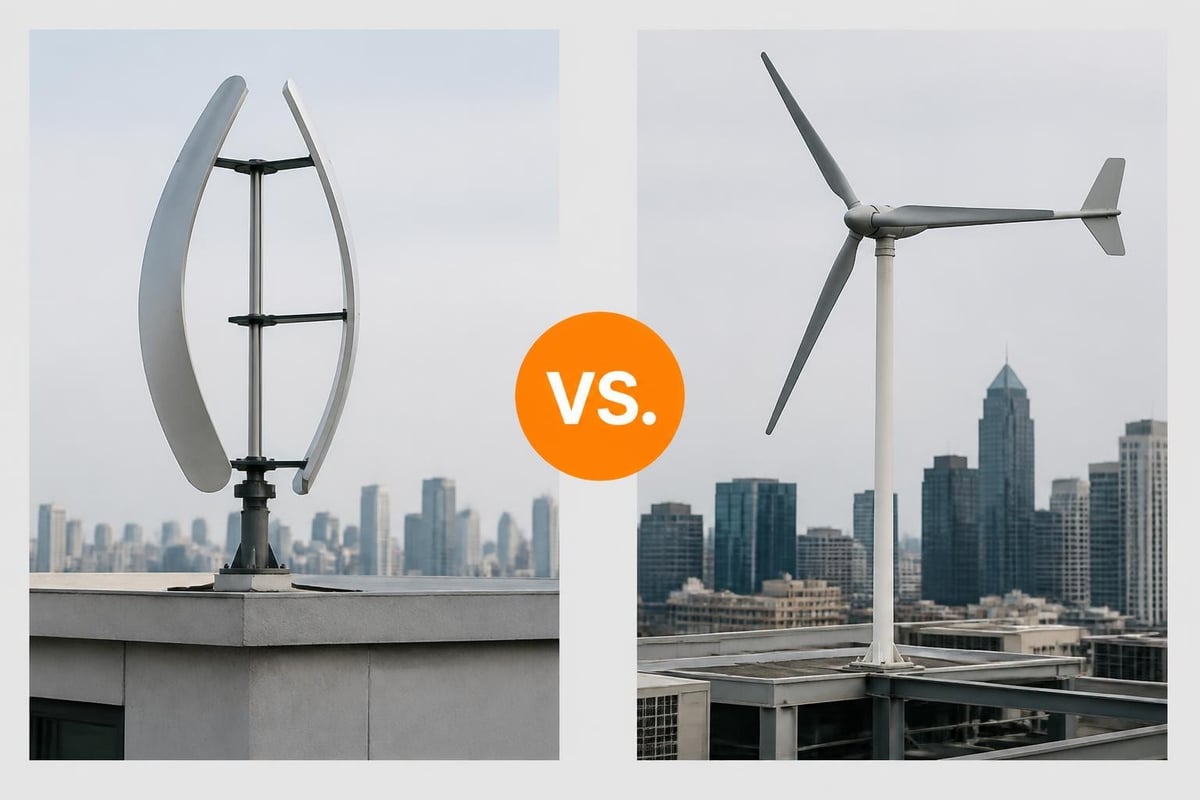
The choice between designs depends on specific site conditions, building characteristics, and local wind patterns. South African installations in coastal cities like Durban and Cape Town may favour different configurations compared to inland Johannesburg or Pretoria locations.
Site Assessment and Wind Resource Evaluation
Successful rooftop wind turbine implementation begins with comprehensive site assessment. Unlike solar energy, which maintains relatively predictable patterns, wind resources vary dramatically based on geography, building height, and surrounding structures.
Critical Assessment Factors
Wind speed represents the most crucial variable. The power output from a turbine increases with the cube of wind speed, meaning a doubling of wind speed produces eight times more power. Most small turbines require minimum wind speeds of 4-5 metres per second to generate meaningful electricity.
Building height significantly influences wind resource availability. Structures exceeding six storeys typically experience stronger, more consistent winds. Ground-level turbulence decreases with elevation, improving turbine performance. However, increased height also amplifies structural engineering requirements and installation complexity.
| Assessment Factor | Optimal Condition | Common Urban Challenge |
|---|---|---|
| Average wind speed | >6 m/s | 3-4 m/s in built environments |
| Wind consistency | Steady directional flow | Turbulent, multidirectional |
| Obstruction-free zone | 10m clearance all sides | Limited roof space |
| Building structural capacity | Purpose-designed mounting | Retrofit limitations |
Professional wind resource assessment typically involves installing anemometers at the proposed turbine location for 6-12 months. This data collection period captures seasonal variations critical for accurate performance prediction. South African wind patterns vary considerably between summer and winter months, particularly in coastal regions.
Structural and Engineering Considerations
Installing a rooftop wind turbine demands rigorous structural engineering analysis. The dynamic loads imposed by rotating equipment differ fundamentally from static solar panel installations.
Vibration management presents a primary engineering challenge. Even well-balanced turbines generate cyclic forces that transmit through mounting systems into building structures. Over time, these vibrations may cause fatigue damage to building components or create occupant discomfort. Specialised isolation mounts and damping systems mitigate these effects but add system complexity and cost.
Wind loading calculations must account for both the turbine's operational forces and extreme weather events. South African building regulations require systems to withstand wind speeds encountered during severe storms. The turbine mounting system, roof attachment points, and underlying structure must collectively support these loads with appropriate safety factors.
Integration with Building Services
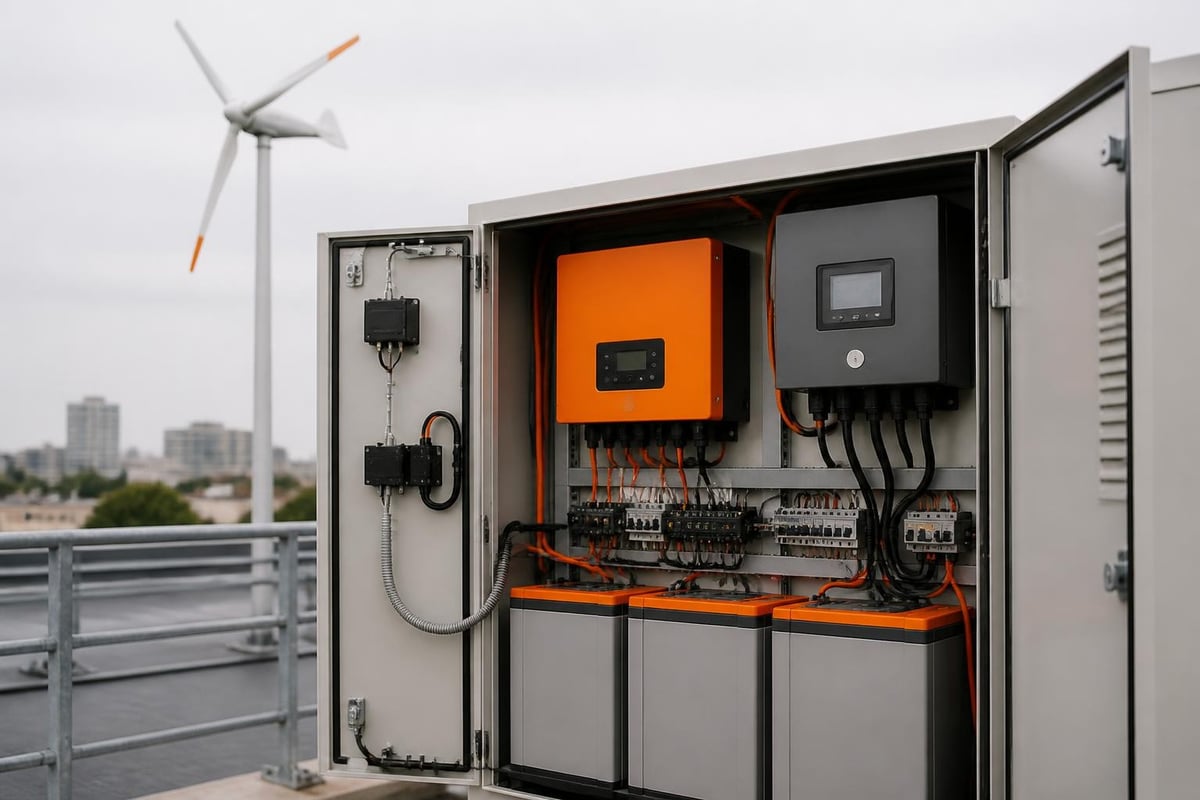
Electrical integration requires careful coordination with existing building systems. The turbine's AC or DC output must interface with:
- Building distribution boards
- Grid connection points (if applicable)
- Energy storage systems
- Monitoring and control equipment
Many commercial installations benefit from integrating wind generation with Renewable Energy Operations and Maintenance programmes that provide remote monitoring, performance audits, and preventative maintenance schedules. This approach ensures optimal system performance whilst identifying potential issues before they escalate.
Performance Expectations and Economic Analysis
Realistic performance expectations distinguish successful implementations from disappointing investments. Industry data from distributed wind energy programmes demonstrates significant variation in actual versus predicted output.
Capacity Factor Reality
Capacity factor measures actual energy production against theoretical maximum output if a turbine operated at full capacity continuously. Large commercial wind farms in optimal locations achieve capacity factors of 30-40%. Rooftop installations typically deliver 10-20% capacity factors due to:
- Lower average wind speeds in urban environments
- Turbulent wind patterns reducing efficiency
- Periodic shutdowns during extreme weather
- Building wake effects and shadowing
A 5 kW rooftop wind turbine with a 15% capacity factor generates approximately 6,570 kWh annually. In comparison, a 5 kW solar PV system in Johannesburg might produce 8,000-9,000 kWh yearly, highlighting the performance differential between technologies.
Economic viability requires careful analysis of capital costs, operating expenses, and energy value. Rooftop wind turbine systems typically cost between R60,000 and R150,000 per installed kilowatt in South Africa, significantly higher than solar PV installations. This premium reflects:
- Specialised equipment manufacturing
- Complex structural engineering requirements
- More extensive installation labour
- Smaller market scale limiting economy of scale
| System Component | Typical Cost Range (ZAR) | Percentage of Total |
|---|---|---|
| Turbine equipment | R40,000 - R90,000 | 50-60% |
| Structural engineering | R15,000 - R30,000 | 15-20% |
| Installation labour | R10,000 - R20,000 | 10-15% |
| Electrical integration | R8,000 - R15,000 | 8-12% |
Regulatory Framework and Permitting
South African building regulations and municipal bylaws govern rooftop wind turbine installations. The National Building Regulations (NBR) require structural certification for modifications affecting building integrity. Additionally, municipal approval processes vary between jurisdictions.
Johannesburg, Cape Town, and other metropolitan areas typically require:
- Building plan approval for structural modifications
- Electrical compliance certificates
- Environmental impact assessments (for larger installations)
- Neighbour notification procedures
- Heritage approvals in protected areas
Noise regulations represent a critical compliance area. Wind turbines generate both mechanical and aerodynamic noise. South African National Standard SANS 10103 specifies permissible noise levels in different zoning areas. Residential zones impose stricter limits than industrial areas, potentially constraining turbine selection for mixed-use buildings.
Grid connection adds another regulatory layer. Eskom and municipal electricity departments maintain specific requirements for distributed generation systems. The application process, metering arrangements, and connection fees vary regionally, requiring early engagement with the relevant utility authority.
Maintenance Requirements and Operational Considerations
Ongoing maintenance directly impacts long-term system performance and economic returns. A rooftop wind turbine requires more intensive maintenance than comparable solar installations due to moving components and dynamic loads.
Scheduled Maintenance Activities
Annual inspections should examine:
- Blade integrity and leading edge condition
- Bearing lubrication and wear assessment
- Electrical connection tightness
- Vibration isolation system condition
- Tower and mounting bolt torque verification
Quarterly checks typically focus on visual inspection, unusual noise detection, and performance monitoring data review. Modern systems equipped with remote monitoring capabilities enable continuous performance tracking, identifying deviations that warrant investigation.
Blade replacement represents the most significant long-term maintenance expense. Depending on environmental conditions and material quality, blades may require replacement every 7-12 years. Coastal installations face accelerated degradation from salt exposure, whilst inland locations contend with dust accumulation affecting aerodynamic performance.
For organisations managing multiple renewable energy assets across facilities, integrated maintenance approaches delivered through comprehensive service level agreements provide operational efficiency. These programmes coordinate solar, battery storage, and wind system maintenance within unified schedules.
Integration with Hybrid Energy Systems
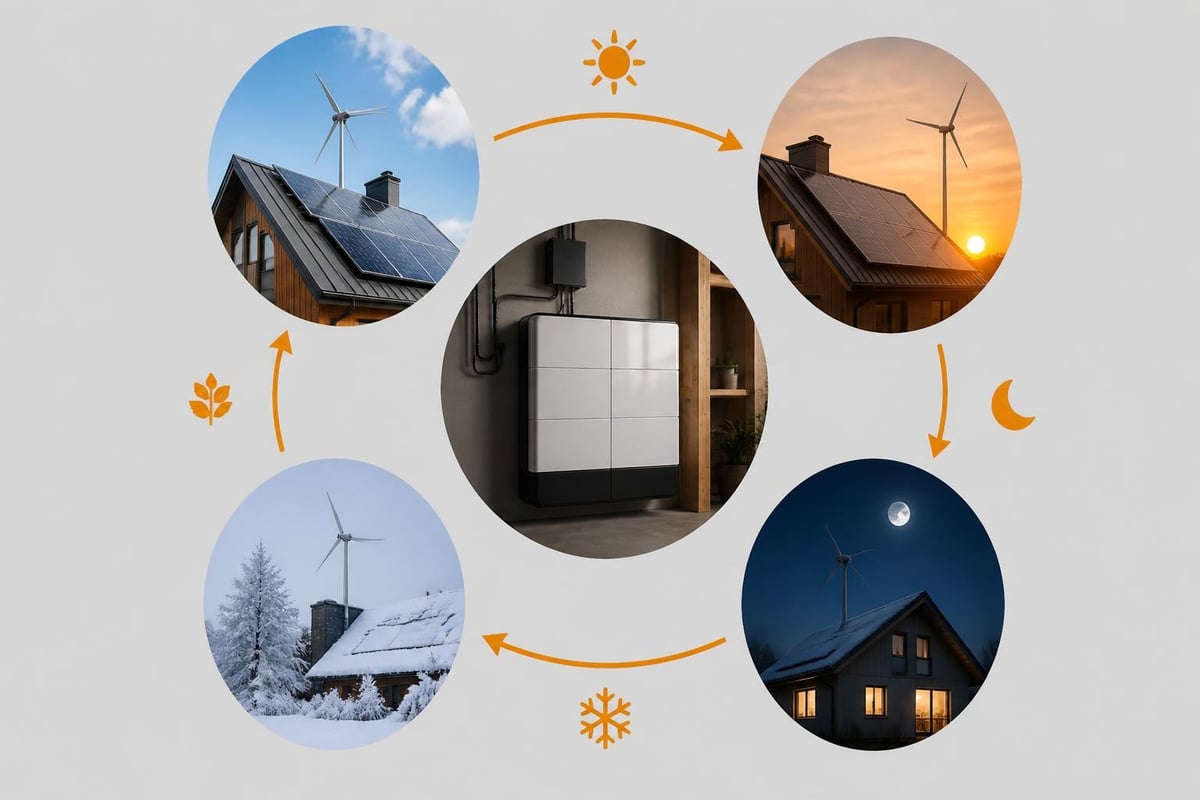
The greatest potential for rooftop wind turbines emerges within hybrid renewable energy configurations. Combining wind with solar PV and battery storage creates complementary generation profiles that enhance overall system reliability.
Seasonal complementarity represents a key advantage in South African contexts. Winter months that reduce solar output in many regions often deliver stronger wind resources, particularly in coastal areas. The Western Cape experiences pronounced winter wind patterns, whilst Gauteng's wind resources peak during spring months.
Battery energy storage systems buffer both technologies' intermittent nature. Wind generation during evening and night hours charges batteries that solar cannot reach, extending renewable energy availability across 24-hour cycles. This integration proves particularly valuable for commercial facilities operating outside standard business hours or requiring continuous power reliability.
Modern energy management systems optimise hybrid configurations by:
- Directing wind and solar output to immediate loads
- Charging batteries from excess generation
- Managing grid import/export decisions
- Prioritising renewable sources over grid power
The renewable energy engineering expertise required for hybrid system design extends beyond simple component selection. Load profiling, generation forecasting, and storage sizing must consider complex interactions between multiple energy sources and variable demand patterns.
Practical Applications in South African Contexts
Certain building types and operational profiles suit rooftop wind turbine implementation better than others. Industrial facilities with tall structures, consistent energy demand, and favourable wind exposure represent prime candidates.
Manufacturing plants operating multiple shifts benefit from wind generation's potential to produce power during night hours when solar contributes nothing. Facilities in the Eastern Cape automotive corridor or Western Cape industrial zones may access superior wind resources compared to inland locations.
Commercial office parks present mixed suitability. Tall buildings capture better wind resources but often face stricter noise limitations and aesthetic considerations. The technology may contribute to corporate sustainability goals and BSEE Green Star ratings, though economic returns alone may not justify implementation.
Agricultural operations in windy rural areas sometimes achieve better rooftop wind turbine performance than urban installations. Grain storage facilities, processing plants, and pack houses with large roof areas and minimal surrounding obstructions avoid urban turbulence issues. However, these applications compete against ground-mounted turbines that often deliver superior performance at lower installed costs.
Educational institutions exploring renewable technology demonstration value installations beyond pure economic returns. University campuses and technical colleges use visible rooftop turbines for research, education, and public engagement whilst contributing modest renewable generation to campus energy needs.
Organisations developing comprehensive decarbonisation strategies sometimes include rooftop wind turbines as portfolio components supporting ESG reporting and Net Zero planning objectives. The technology's visibility communicates environmental commitment to stakeholders, though actual carbon reduction per rand invested typically favours solar alternatives.
Technology Evolution and Future Developments
Rooftop wind turbine technology continues advancing, addressing historical performance and cost barriers. Recent innovations focus on improving urban wind capture efficiency and reducing noise generation.
Ducted turbine designs concentrate airflow through specially shaped shrouds, increasing effective wind speed at the rotor. These configurations claim 2-3 times higher power output than bare rotors in equivalent wind conditions. However, real-world performance data from South African installations remains limited, warranting cautious evaluation of manufacturer claims.
Smart control systems optimise turbine operation based on real-time wind conditions, grid pricing signals, and building demand patterns. Machine learning algorithms identify optimal operational parameters, maximising energy production whilst minimising mechanical stress and noise generation.
Materials science developments improve blade durability and reduce weight. Carbon fibre composites and advanced polymers extend service life whilst lowering structural loads on mounting systems. These improvements particularly benefit retrofit applications where building load capacity constrains turbine selection.
The convergence of wind, solar, battery storage, and smart building management creates integrated energy ecosystems. Future installations will increasingly treat individual technologies as coordinated components within holistic energy solutions rather than standalone systems. This systems-thinking approach aligns with broader trends in commercial and industrial energy management across South Africa.
Making Informed Technology Decisions
The decision to pursue rooftop wind turbine installation requires honest assessment of site-specific conditions, realistic performance expectations, and clear understanding of economic trade-offs. Unlike solar PV, which delivers predictable performance across most South African locations, wind technology demands more rigorous feasibility analysis.
Site assessment should extend beyond simple wind speed measurements to include:
- Detailed structural engineering evaluation
- Turbulence modelling accounting for surrounding buildings
- Noise impact assessment for neighbouring properties
- Regulatory pathway analysis for required approvals
- Long-term maintenance cost projections
Technology comparison must consider rooftop wind turbines within the full spectrum of renewable energy options. Many organisations achieve greater carbon reduction and economic returns by maximising solar PV deployment, adding battery storage, and implementing energy efficiency measures before considering wind technology.
For facilities where wind resources justify implementation, professional design and installation prove critical. The specialised nature of this technology requires experienced engineering teams familiar with both renewable energy systems and structural dynamics. Engaging qualified professionals early prevents costly design errors and ensures regulatory compliance.
Those interested in exploring whether rooftop wind turbines suit their specific circumstances can benefit from initial feasibility discussions with renewable energy specialists who provide objective assessment across multiple technology options. Comprehensive energy audits identify optimal technology combinations for individual sites rather than promoting single-solution approaches.
Rooftop wind turbine technology offers potential for specific applications but requires careful evaluation against alternative renewable energy solutions. South African businesses seeking to reduce electricity costs, improve energy resilience, and advance sustainability objectives benefit from comprehensive analysis considering site conditions, performance expectations, and economic realities. INFOLED provides expert renewable energy engineering services across solar, battery storage, and integrated energy systems, helping commercial and industrial clients throughout Southern Africa develop optimal energy solutions tailored to their unique requirements. Contact our team to discuss how we can support your organisation's transition to intelligent, cost-effective renewable energy.
Next Step
Need help with your energy strategy?
Speak to INFOLED about solar, storage, EV charging, service agreements or system performance.