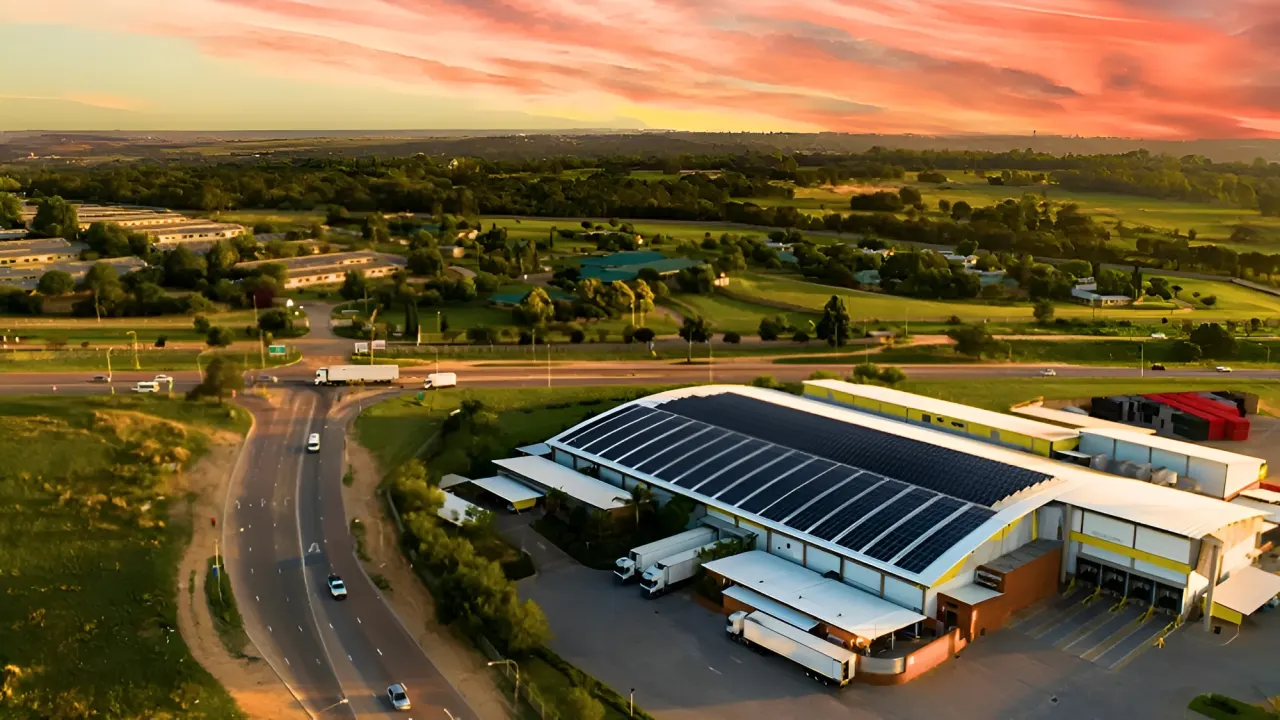
Water scarcity and rising energy costs represent two of the most pressing challenges facing South African agriculture in 2026. Solar irrigation systems offer a transformative solution that addresses both issues simultaneously, harnessing abundant sunlight to power water pumping without relying on diesel generators or grid electricity. These systems combine photovoltaic panels with pumping infrastructure to deliver water exactly where and when crops need it, reducing operational costs whilst improving environmental sustainability. For commercial farms, smallholders, and agricultural enterprises across Southern Africa, this technology has shifted from experimental to essential, particularly as climate variability intensifies and conventional energy prices continue their upward trajectory.
Understanding Solar Irrigation Technology
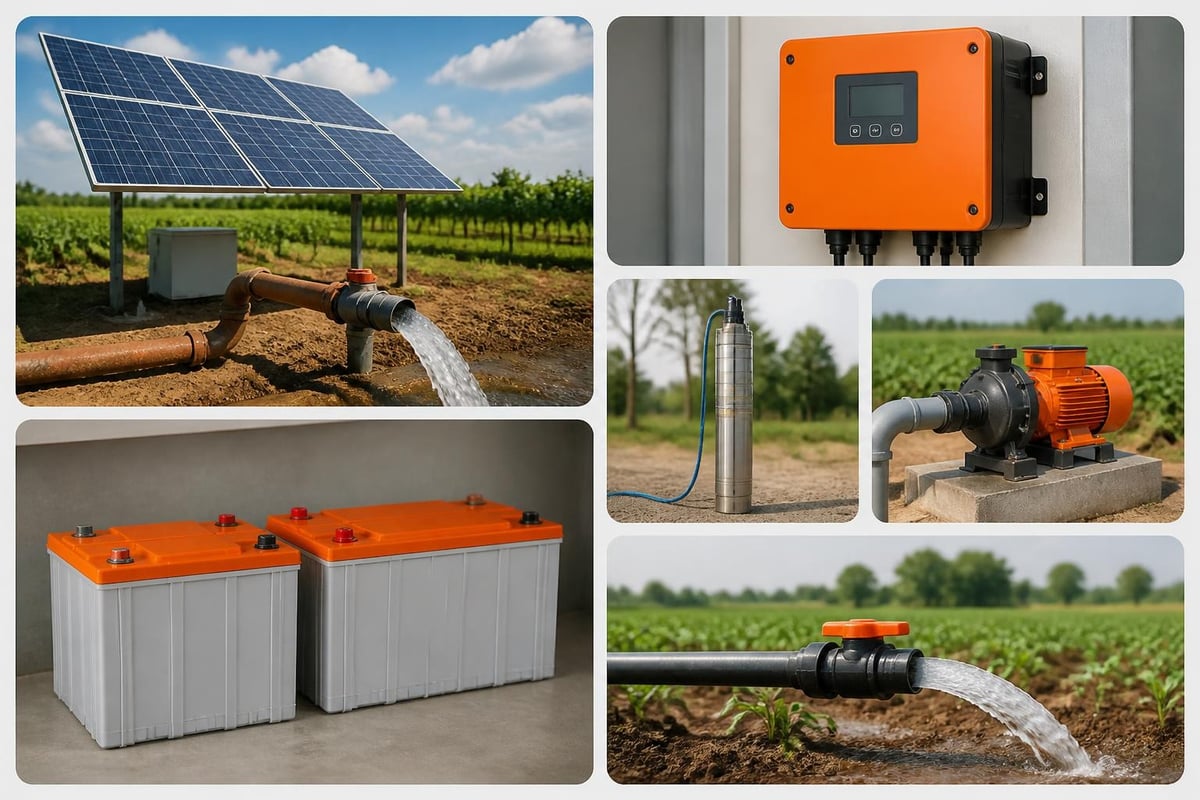
Solar irrigation systems convert sunlight directly into electrical power to drive water pumps, eliminating dependence on fossil fuels or unreliable grid connections. The core components include photovoltaic panels, a pump controller, the pump itself (either surface or submersible), and distribution infrastructure such as pipes, sprinklers, or drip lines.
The technology operates through a straightforward process. Solar panels generate direct current electricity when exposed to sunlight, which either powers the pump immediately or charges batteries for continuous operation. Modern systems incorporate maximum power point tracking controllers that optimise energy extraction from panels throughout the day, ensuring pumps operate at peak efficiency even during variable cloud cover.
System Configurations
Three primary configurations dominate the South African market, each suited to different farm requirements and budgets:
Direct-coupled systems connect panels straight to the pump without battery storage. Water pumps during daylight hours only, making them ideal for filling storage tanks or reservoirs that supply irrigation networks. These represent the most cost-effective option, with capital costs typically 30-40% lower than battery-integrated alternatives.
Battery-backed systems incorporate energy storage, enabling irrigation scheduling independent of sunlight availability. Farmers can water during early morning or evening hours when evaporation rates decrease, maximising water efficiency. The FAO's agricultural water management programme highlights that evening irrigation can reduce water consumption by up to 25% compared to midday watering.
Hybrid configurations combine solar generation with grid or generator backup, providing ultimate reliability for high-value crops or operations where irrigation interruption poses significant financial risk. These systems automatically switch between power sources based on availability and cost, optimising operational expenses.
Economic Benefits for South African Agriculture
The financial case for solar irrigation systems has strengthened considerably as photovoltaic costs have declined whilst diesel and electricity prices have escalated. Capital costs for turnkey installations in Southern Africa typically range from ZAR 45,000 for basic 1-kilowatt systems suitable for smallholdings to ZAR 850,000 or more for comprehensive 15-kilowatt installations serving commercial farms.
Cost Comparison Analysis
| System Type | Initial Investment (ZAR) | Annual Operating Cost | 10-Year Total Cost | Payback Period |
|---|---|---|---|---|
| Solar (5kW) | 185,000 | 4,500 | 230,000 | 4.2 years |
| Diesel Generator | 65,000 | 42,000 | 485,000 | N/A |
| Grid Connection | 125,000 | 28,000 | 405,000 | N/A |
Operating cost advantages accumulate rapidly. Diesel-powered irrigation typically costs between ZAR 18-24 per hour of operation at current fuel prices, whilst solar systems incur minimal maintenance expenses and zero fuel costs. Many farmers in the Western Cape, Limpopo, and North West provinces report complete return on investment within four to six years, after which irrigation becomes essentially free for the system's 20-25 year operational lifespan.
Financial incentives further improve project economics. The Department of Agriculture's Agricultural Disaster Risk Management programme periodically offers grants for water security infrastructure, whilst Section 12B of the Income Tax Act permits accelerated depreciation on renewable energy assets. Several commercial banks now provide preferential financing for agricultural solar installations, recognising their role in climate adaptation and food security.
System Sizing and Design Considerations
Accurate system sizing determines whether installations meet irrigation requirements without over-investment in unnecessary capacity. The IEA PVPS trends analysis demonstrates that properly sized solar irrigation systems achieve capacity factors between 15-22% in Southern Africa's high-irradiance environments, with optimised installations in the Northern Cape exceeding 25%.
Key sizing parameters include:
- Daily water requirements (litres per day based on crop type, area, and growth stage)
- Total dynamic head (vertical lift plus friction losses in pipes)
- Peak sun hours (location-specific solar resource availability)
- System efficiency (typically 70-85% accounting for all conversion losses)
A simplified sizing formula: Required PV capacity (watts) = (Daily water volume × Total head × 2.725) ÷ (Peak sun hours × System efficiency)
Pump Selection Criteria
Choosing appropriate pump technology significantly impacts system performance and longevity. Submersible pumps suit boreholes and deep wells, offering reliability and protection from environmental exposure. Surface pumps work effectively for rivers, dams, and shallow wells, though they require weather protection.
Modern brushless DC pumps specifically designed for solar applications outperform conventional AC pumps retrofitted with inverters. They start at lower power thresholds, operate efficiently across wider voltage ranges, and tolerate the power fluctuations inherent in direct-coupled solar systems. Leading manufacturers now provide pumps with built-in controllers that eliminate separate electronics requirements, reducing component costs by ZAR 8,000-15,000 per installation.
Water Management and Sustainability
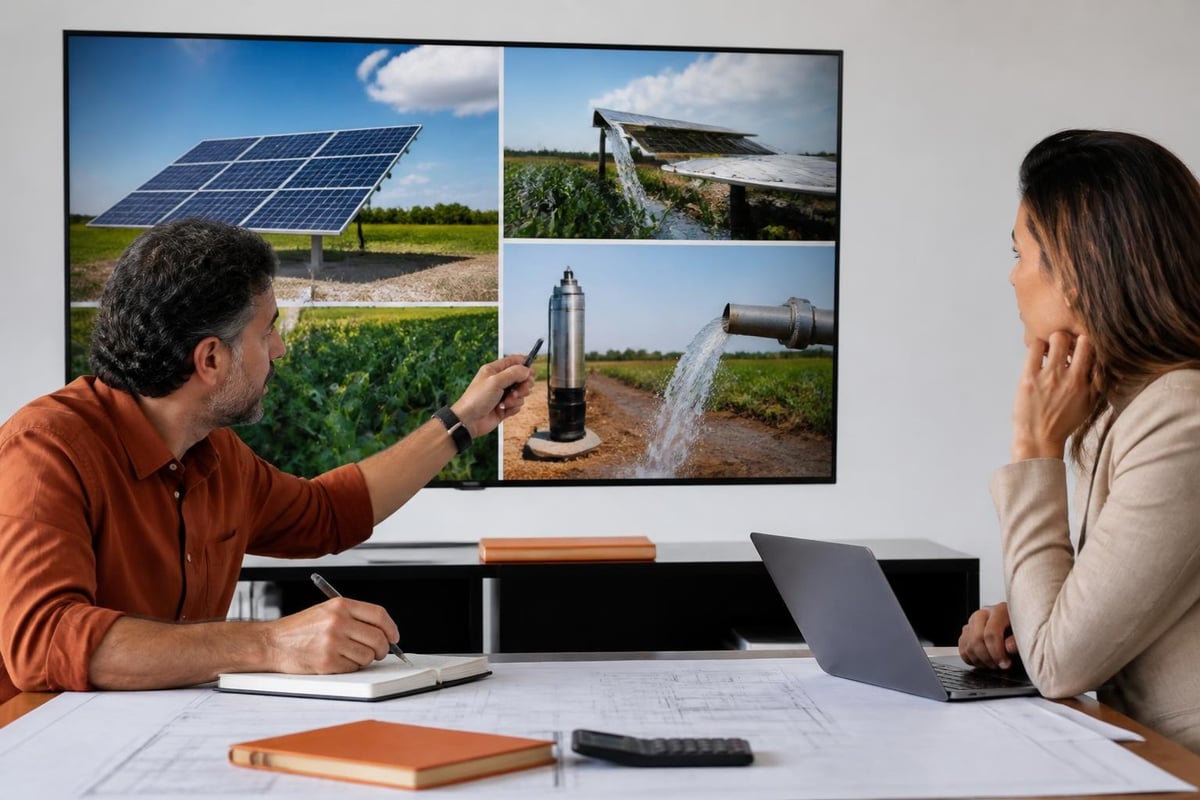
Whilst solar irrigation systems deliver undeniable environmental benefits through eliminating fossil fuel combustion, they also introduce water management considerations that require thoughtful governance. The World Bank's analysis of solar irrigation opportunities and risks emphasises that dramatically reduced pumping costs can incentivise excessive groundwater extraction in unregulated environments.
Responsible deployment requires integrating water accounting frameworks and appropriate regulatory oversight. South Africa's National Water Act (36 of 1998) establishes water as a public resource requiring licensed extraction, though enforcement capacity varies significantly across water management areas. Farmers implementing solar irrigation must ensure their water use authorisations accommodate increased pumping capacity, avoiding penalties and supporting aquifer sustainability.
Smart Irrigation Integration
Advanced solar irrigation installations increasingly incorporate smart technologies that optimise both energy and water efficiency. Soil moisture sensors trigger pumping only when crops actually require water, preventing waste whilst reducing unnecessary pump operation. Weather forecasting integration allows systems to defer irrigation when rainfall approaches, conserving stored battery power for critical periods.
These intelligent systems align perfectly with precision agriculture principles. Data analytics platforms monitor pump performance, water consumption patterns, and energy generation, identifying inefficiencies and maintenance requirements before failures occur. Several commercial farms in KwaZulu-Natal have reported 35-40% water consumption reductions after implementing sensor-driven irrigation scheduling combined with solar power.
Installation and Maintenance Requirements
Professional installation ensures solar irrigation systems achieve design performance and longevity. Proper panel mounting requires consideration of wind loads, structural integrity, and optimal tilt angles (typically 25-30 degrees in most South African regions). Electrical installation must comply with SANS 10142-1 wiring standards, whilst pumping infrastructure follows municipal and Department of Water and Sanitation specifications.
Installation timelines vary based on system complexity and site preparation requirements. Simple surface pump installations may complete within three to five working days, whilst comprehensive borehole-based systems with battery storage typically require two to three weeks including drilling, pump installation, panel mounting, and commissioning.
Ongoing Maintenance Protocols
Solar irrigation systems require minimal but essential maintenance to sustain performance:
- Panel cleaning every 4-6 weeks (more frequently in dusty environments)
- Pump inspection annually, checking seals, impellers, and electrical connections
- Battery maintenance (if applicable) including terminal cleaning and capacity testing
- Controller verification ensuring programming remains appropriate for seasonal water requirements
- Pipe and fitting inspection identifying leaks that waste both water and pumping energy
Many operators establish maintenance schedules aligned with agricultural calendars, performing thorough system reviews during planting preparation when irrigation demands remain low. Comprehensive operations and maintenance agreements from specialised renewable energy companies provide farmers with predictable maintenance costs and guaranteed system availability during critical growing periods.
Case Applications Across Southern Africa
Solar irrigation systems have demonstrated versatility across diverse agricultural contexts throughout the region. In Limpopo's Levubu Valley, citrus producers have installed over 180 solar irrigation systems since 2022, collectively pumping more than 850 million litres annually whilst eliminating approximately 520,000 litres of diesel consumption.
The Eastern Cape's emerging cannabis cultivation sector has embraced solar irrigation particularly enthusiastically. Precise water delivery requirements for high-value medicinal cannabis align perfectly with controllable solar pumping systems, whilst the crop's sensitivity to power interruptions justifies battery-backed configurations despite higher capital costs.
Smallholder Success Stories
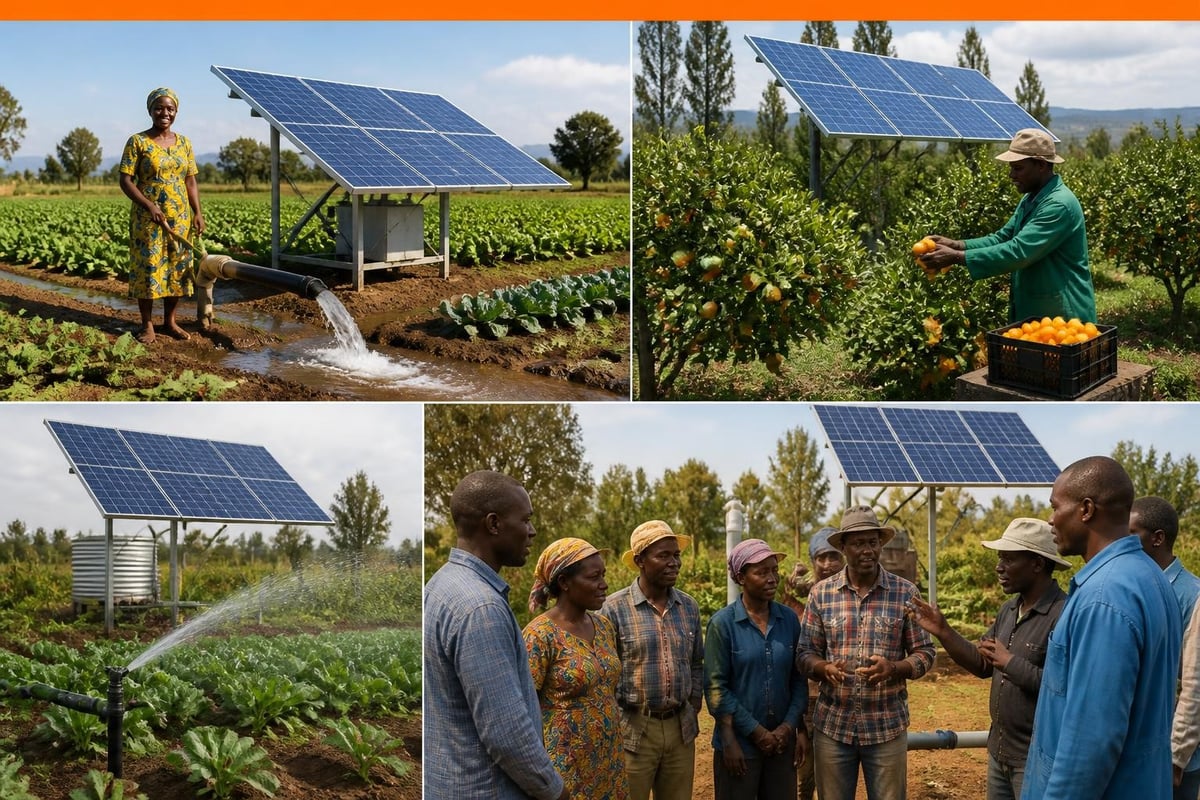
Solar irrigation technology increasingly reaches smallholder farmers through innovative financing and cooperative models. A cooperative in Mpumalanga installed a shared 8-kilowatt system serving 24 vegetable producers in 2024, with members paying usage fees based on water consumed. The initiative reduced individual irrigation costs by 68% compared to previous diesel-powered arrangements whilst improving water access reliability.
The FAO's analysis of solar irrigation potential in the Sahel identifies similar patterns throughout semi-arid regions, where communal solar pumping infrastructure enables smallholders to access irrigation technology previously financially unattainable individually.
Technical Advances and Future Developments
Rapid technological evolution continues improving solar irrigation system capabilities and economics. Bifacial solar panels that capture reflected light from ground surfaces now deliver 8-12% additional energy generation compared to conventional modules, reducing the panel area required for given pumping capacity. This proves particularly valuable where installation space constraints exist or where land carries opportunity costs.
Pump efficiency improvements represent another significant advancement. Variable frequency drives now enable precise flow control matching instantaneous solar generation, eliminating the efficiency losses inherent in fixed-speed pumps operating under variable power availability. These controllers extend pump lifespan by reducing mechanical stress during cloud transitions and morning/evening low-light conditions.
Integration with Broader Farm Energy Systems
Forward-thinking agricultural operations increasingly view irrigation as one component within integrated renewable energy strategies. Commercial solar PV installations sized to meet total farm electricity requirements can allocate specific capacity to irrigation whilst simultaneously powering pack houses, cold storage, processing facilities, and farm buildings.
Battery storage systems designed for load-shedding protection and demand charge management can also buffer irrigation loads, enabling larger pumps than solar arrays could directly support. This integrated approach optimises capital utilisation whilst providing comprehensive energy resilience. Professional renewable energy engineering services conduct feasibility studies that evaluate whole-farm energy requirements, identifying synergies between irrigation, general consumption, and potential battery storage investments.
Regulatory Framework and Grid Connection Considerations
South Africa's evolving renewable energy regulatory environment creates both opportunities and complexities for solar irrigation deployment. Farms installing systems below 1 megawatt capacity no longer require National Energy Regulator (NERSA) licensing following regulatory amendments in 2024, substantially simplifying compliance for most agricultural applications.
Grid-connected configurations enabling bidirectional energy flow introduce additional considerations. SSEG (Small-Scale Embedded Generation) regulations permit feeding excess solar generation into municipal networks, potentially generating revenue during non-irrigation periods. However, municipal approval processes, technical requirements, and feed-in tariffs vary dramatically across jurisdictions, from progressive municipalities offering attractive rates to others effectively prohibiting grid export.
Water use licensing represents the other critical regulatory dimension. Department of Water and Sanitation regulations require authorisation for groundwater extraction exceeding specified thresholds (generally 50 cubic metres daily for irrigation purposes). Solar system installation provides an opportune moment to verify water use compliance, avoiding future legal complications whilst supporting sustainable aquifer management.
Financial Structuring and Funding Options
Capital availability significantly influences solar irrigation adoption rates, particularly among emerging farmers and operations with limited cash reserves. Multiple financing pathways have emerged addressing this constraint, each with distinct advantages and qualifying criteria.
Financing Mechanisms
Commercial bank agricultural loans increasingly accommodate renewable energy components within broader farm development finance. Interest rates typically range from prime plus 1.5% to prime plus 3.5% depending on security offered and applicant credit profile. Repayment terms extending to seven years align reasonably well with solar irrigation payback periods, ensuring positive cash flow from year one.
Development finance institutions including the Land Bank and Industrial Development Corporation offer preferential terms for projects demonstrating developmental impact, particularly those supporting smallholder productivity or employment creation. Rates as low as prime minus 1% occasionally become available, substantially improving project economics.
The IFC's irrigation investment guidance outlines best practices for structuring irrigation finance, emphasising the importance of technical due diligence, realistic water availability assessment, and appropriate risk allocation between equity and debt components.
Lease and rental models eliminate upfront capital requirements entirely, with operators paying monthly fees covering equipment, installation, and maintenance. Whilst total costs exceed direct purchase over system lifetimes, the model suits operators prioritising cash flow preservation or those uncertain about long-term land tenure security.
Risk Mitigation and Performance Guarantees
Despite their reliability, solar irrigation systems face operational risks requiring proactive management. Component failure, weather damage, theft, and underperformance represent the primary concerns reported by agricultural operators.
Comprehensive insurance coverage addressing solar-specific risks has become increasingly accessible as insurers gain familiarity with the technology. Policies typically cover:
- Physical damage from hail, lightning, fire, and storm events
- Theft of panels, controllers, batteries, and pumps
- Business interruption compensating for crop losses resulting from irrigation system failure
- Third-party liability for injuries or property damage
Annual premiums generally range from 0.8% to 1.4% of system replacement value, representing a modest expense relative to the risks mitigated.
Performance guarantees from installation contractors provide additional assurance. Reputable renewable energy companies typically warrant minimum energy production levels (commonly 90% of design estimates) and equipment functionality, with remediation obligations if systems underperform. These contractual protections prove invaluable should disputes arise regarding system adequacy or contractor workmanship.
Implementation Planning and Project Timeline
Successful solar irrigation implementation requires methodical planning addressing technical, financial, and operational dimensions. The World Bank's examination of solar irrigation implementation challenges emphasises that inadequate planning represents the primary factor distinguishing successful deployments from problematic installations.
A typical implementation sequence progresses through:
- Requirements definition (1-2 weeks): Quantifying water needs, pumping parameters, and operational preferences
- Site assessment (1 week): Evaluating solar resources, water source characteristics, and infrastructure requirements
- System design (2-3 weeks): Engineering specifications, component selection, and performance modelling
- Financial structuring (3-6 weeks): Securing funding, finalising contracts, and arranging insurance
- Regulatory compliance (4-8 weeks): Water use licensing and municipal approvals where required
- Procurement (4-6 weeks): Equipment ordering and delivery coordination
- Installation (1-3 weeks): Site preparation, component installation, and commissioning
- Commissioning and training (3-5 days): Performance verification and operator instruction
Recent research on farmer-managed solar irrigation systems demonstrates that projects incorporating comprehensive operator training achieve significantly higher long-term performance than those treating installation as purely technical deployment. Training should address daily operation, routine maintenance, troubleshooting common issues, and recognising conditions requiring professional intervention.
Environmental and Social Dimensions
Beyond direct greenhouse gas emission reductions, solar irrigation systems deliver broader environmental and social benefits that strengthen the case for adoption. Eliminating diesel generators removes noise pollution that disrupts farm operations and neighbouring communities, whilst avoiding soil and water contamination risks from fuel storage and handling.
Water efficiency improvements represent equally significant environmental contributions. Reliable irrigation access enables farmers to transition from flood irrigation to precision methods like drip systems, reducing water consumption by 40-60% for many crop types. This conservation proves increasingly critical as climate change intensifies water scarcity across Southern Africa's agricultural regions.
Employment implications vary by context. Construction and installation generate temporary employment, whilst ongoing system maintenance creates limited but skilled technical jobs. More significantly, improved irrigation reliability often enables agricultural intensification that increases permanent farm employment, particularly for high-value horticultural production requiring substantial manual labour inputs.
Solar irrigation systems represent a proven technology delivering substantial economic, environmental, and operational benefits to South African agricultural enterprises of all scales. From capital cost reductions and operational savings to improved water management and climate resilience, these installations address multiple challenges simultaneously whilst aligning with broader sustainability objectives. For farms seeking to reduce energy expenses, improve irrigation reliability, or enhance environmental performance, professional assessment of solar irrigation potential provides the essential foundation for informed decision-making. INFOLED brings comprehensive renewable energy engineering expertise to agricultural solar projects across Southern Africa, from initial feasibility studies and system design through installation, monitoring, and long-term maintenance, ensuring your irrigation infrastructure delivers optimal performance throughout its operational lifetime.
Next Step
Need help with your energy strategy?
Speak to INFOLED about solar, storage, EV charging, service agreements or system performance.