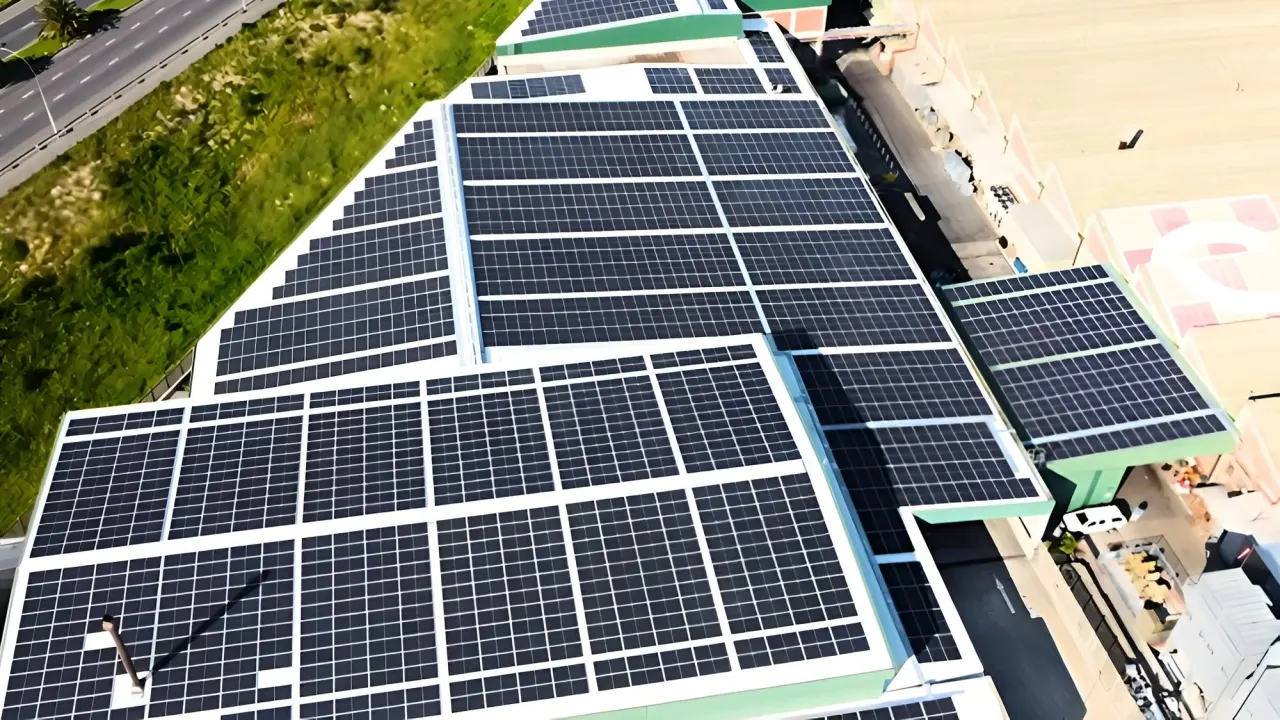
The transition to renewable energy has accelerated dramatically across Southern Africa, with organisations and homeowners increasingly recognising the strategic value of harnessing power from the sun. As electricity costs continue to climb and grid reliability remains challenged, solar photovoltaic technology has emerged as a proven, financially viable solution that delivers measurable returns whilst supporting environmental objectives. Understanding the fundamentals, benefits, and implementation considerations of solar energy is essential for any business or property owner evaluating energy independence.
Understanding Solar Energy Technology
Power from the sun begins with photovoltaic (PV) cells that convert sunlight directly into electricity through the photovoltaic effect. When photons strike semiconductor materials, typically silicon, they dislodge electrons, creating an electric current. This elegant process requires no moving parts, produces no emissions during operation, and relies on an inexhaustible energy source.
Core Components of Solar Systems
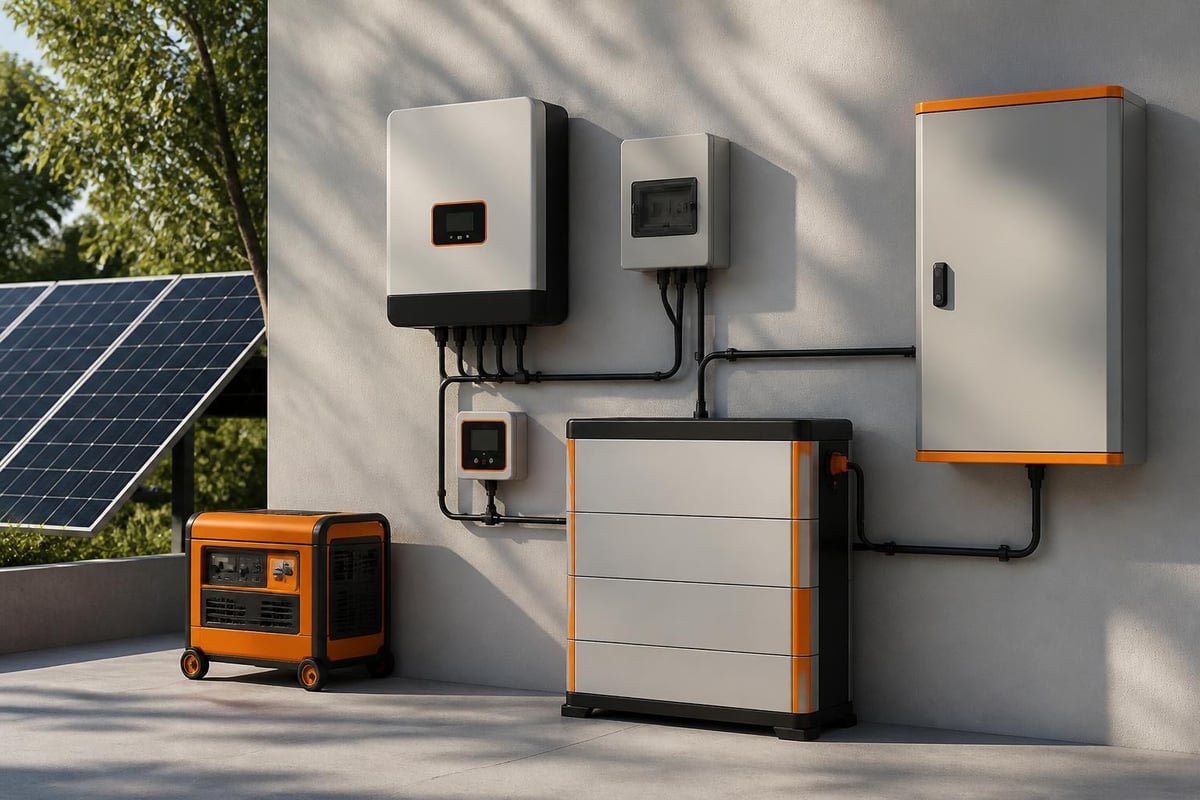
Modern solar installations comprise several integrated elements that work together to capture, convert, and manage electricity:
- Photovoltaic panels containing monocrystalline or polycrystalline silicon cells
- Inverters that transform DC electricity into AC power suitable for building consumption
- Mounting structures engineered for wind loads and optimal angle alignment
- Monitoring systems providing real-time performance data and diagnostics
- Safety disconnects ensuring compliance with electrical regulations
Battery energy storage systems increasingly complement solar arrays, storing excess generation for use during evening peaks or grid outages. This hybrid configuration maximises self-consumption and provides resilience against load shedding.
The efficiency of solar panels has improved substantially over the past decade. Commercial modules now routinely achieve 20-22% efficiency, with premium products exceeding 23%. For context, research published in Nature Reviews Materials examines the material science advances driving these improvements alongside considerations for end-of-life management.
South African Solar Resource Potential
Southern Africa enjoys exceptional solar irradiance levels, placing the region amongst the world's most favourable locations for photovoltaic generation. The Northern Cape receives approximately 2,500 kWh/m² annually, whilst Gauteng and KwaZulu-Natal still capture 1,800-2,000 kWh/m² despite higher cloud cover.
| Province | Annual Irradiance (kWh/m²) | Generation Potential |
|---|---|---|
| Northern Cape | 2,400-2,600 | Exceptional |
| Western Cape | 2,000-2,200 | Excellent |
| Gauteng | 1,800-2,000 | Very Good |
| KwaZulu-Natal | 1,750-1,950 | Very Good |
| Eastern Cape | 1,850-2,100 | Excellent |
This abundance of sunshine translates directly into system performance. A properly designed 100 kW commercial installation in Johannesburg typically generates 160,000-170,000 kWh annually, sufficient to offset substantial grid consumption.
Seasonal and Daily Patterns
Power from the sun follows predictable daily and seasonal cycles. Peak generation occurs between 10:00 and 14:00, coinciding with many commercial operations. Winter production decreases approximately 30-40% compared to summer months due to shorter days and lower sun angles, though systems continue generating valuable electricity year-round.
Understanding these patterns informs system sizing and battery capacity decisions. The NASA POWER data portal provides detailed solar irradiance datasets for any location globally, enabling precise feasibility assessments.
Economic Benefits and Financial Returns
The financial case for solar energy strengthens continuously as technology costs decline whilst municipal electricity tariffs escalate. Eskom's standard commercial tariffs have increased over 600% since 2007, creating powerful incentives for on-site generation.
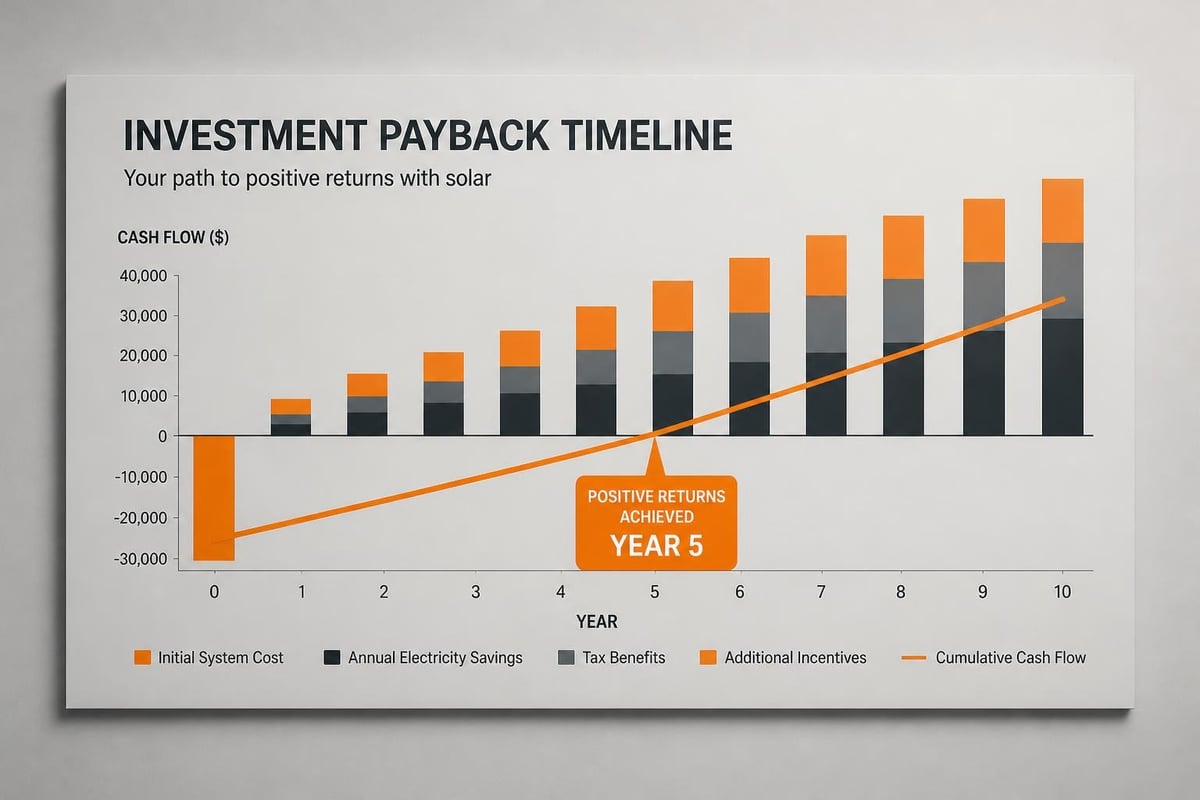
Return on investment timeframes for commercial solar projects typically range from 3-6 years depending on:
- Current electricity tariff structure and consumption profile
- System size, configuration, and component quality
- Available tax incentives and capital allowances
- Financing terms and weighted cost of capital
Many organisations achieve effective electricity costs below R1.00/kWh from solar versus municipal rates exceeding R2.50/kWh during peak periods. This arbitrage generates immediate operational savings that compound annually as grid rates increase.
Capital Allowances and Tax Benefits
Section 12B of the Income Tax Act permits a 125% first-year capital allowance for renewable energy assets, significantly improving project economics for taxable entities. This incentive effectively reduces the net investment by approximately 30% for companies in the 28% corporate tax bracket.
The IPCC AR6 Working Group III analysis on energy systems confirms that solar PV has achieved cost parity with conventional generation across most markets, with continuing cost reductions projected through 2026 and beyond.
Environmental Impact and Sustainability
Beyond financial returns, power from the sun delivers measurable environmental benefits that support corporate ESG strategies and Net Zero commitments. Each megawatt-hour of solar electricity displaces approximately 0.95 tonnes of CO₂ emissions in South Africa's coal-dominated grid mix.
A typical 500 kW commercial installation prevents roughly 600 tonnes of CO₂ annually, equivalent to removing 130 petrol vehicles from the road. These reductions are verified through internationally recognised methodologies and can contribute to carbon disclosure reporting.
Circular Economy Considerations
As the solar industry matures, end-of-life management becomes increasingly important. Photovoltaic panels contain valuable materials including silicon, silver, aluminium, and glass that can be recovered and recycled. Companies offering solar panel recycling services ensure responsible decommissioning when systems reach their 25-30 year operational lifespan.
The environmental footprint of solar extends beyond carbon emissions to include:
- Water consumption (minimal compared to thermal generation)
- Land use efficiency (rooftop systems utilise existing infrastructure)
- Biodiversity impacts (generally limited for building-mounted installations)
- Manufacturing emissions (payback period typically under 2 years)
System Design and Implementation
Successful solar projects begin with comprehensive energy audits and load analysis. Understanding consumption patterns, tariff structures, and operational requirements enables optimised system sizing that maximises financial returns whilst meeting reliability objectives.
Design Considerations for Commercial Systems
Professional engineering assessments evaluate multiple factors:
- Roof structural capacity to support panel weight and wind loads
- Electrical infrastructure compatibility with inverter outputs
- Shading analysis identifying obstructions affecting generation
- Grid connection requirements and utility approval processes
- Future expansion provisions for scalable capacity additions
Ground-mounted and carport configurations offer alternatives when roof space is constrained or unsuitable. These installations provide additional benefits such as covered parking whilst generating power from the sun. Many commercial solar PV installations incorporate mixed mounting strategies to optimise available space.
| System Configuration | Typical Applications | Key Advantages |
|---|---|---|
| Rooftop | Warehouses, factories, retail | Maximises unused space, no land required |
| Ground-mounted | Farms, industrial parks | Easier maintenance, optimal tilt angles |
| Carport | Office complexes, shopping centres | Dual-purpose infrastructure, customer amenity |
The U.S. Department of Energy's solar programmes provide extensive technical resources on system design principles, though local South African conditions and regulations govern actual implementation.
Integration with Energy Management Systems
Power from the sun delivers maximum value when integrated with intelligent monitoring and control platforms. Energy management systems provide real-time visibility into generation, consumption, and storage status, enabling data-driven operational decisions.
Advanced analytics identify optimisation opportunities including:
- Load shifting to align consumption with peak solar production
- Demand management to reduce municipal maximum demand charges
- Predictive maintenance through performance deviation detection
- Tariff optimisation by scheduling discretionary loads strategically
These capabilities transform solar from passive generation into active energy management, with typical additional savings of 10-15% beyond direct solar offset.
Battery Storage Optimisation
When paired with battery energy storage, solar systems provide dispatchable capacity that operates independently of sunshine availability. Intelligent battery management algorithms maximise economic returns by:
- Storing excess midday generation for evening peak consumption
- Providing backup power during grid failures or load shedding
- Arbitraging time-of-use tariff differentials
- Reducing demand charges through peak shaving
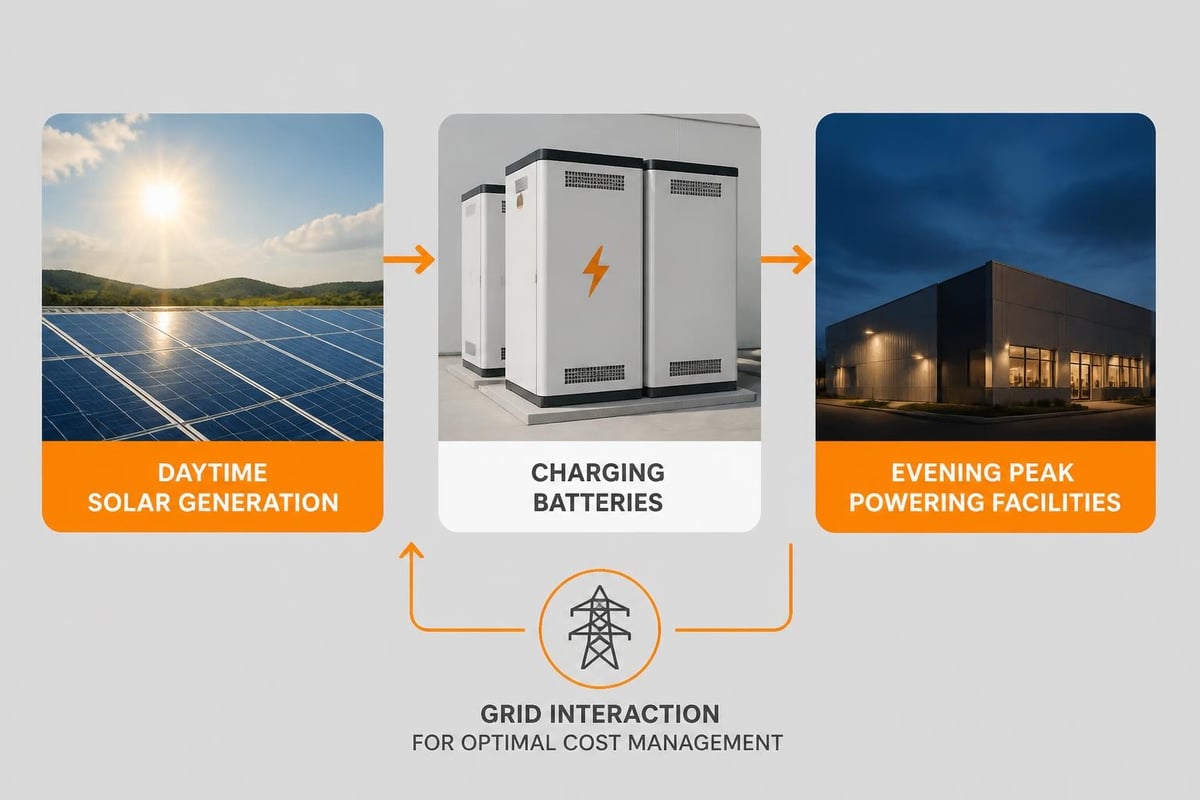
The integration of renewable energy with storage represents a fundamental shift in energy system architecture, enabling resilience and efficiency previously unattainable.
Installation and Commissioning Process
Professional installation follows rigorous quality standards to ensure safety, performance, and longevity. Reputable engineering firms manage the complete project lifecycle from initial feasibility through final commissioning.
Implementation Phases
Phase 1: Design and Engineering (2-4 weeks) Site assessments, load studies, electrical designs, structural calculations, and regulatory submissions establish the technical foundation.
Phase 2: Procurement and Logistics (4-8 weeks) Component sourcing, quality verification, and delivery coordination ensure materials meet specifications.
Phase 3: Installation (2-6 weeks depending on system size) Mounting structures, panel installation, electrical terminations, and inverter configuration proceed according to approved engineering drawings.
Phase 4: Testing and Commissioning (1 week) Comprehensive testing validates electrical safety, performance parameters, and monitoring system functionality before energisation.
Phase 5: Grid Connection (timing varies) Municipal applications and approvals enable legal parallel operation with the utility grid where applicable.
Throughout this process, experienced project managers coordinate activities, manage stakeholder communications, and ensure compliance with Occupational Health and Safety Act requirements.
Performance Monitoring and Maintenance
Power from the sun requires minimal ongoing maintenance compared to conventional generation equipment, though regular monitoring and periodic servicing optimise long-term returns.
Monitoring Requirements
Professional monitoring platforms track:
- Real-time generation at string and system levels
- Performance ratios comparing actual to theoretical output
- Equipment status including inverter operation and fault codes
- Environmental conditions such as irradiance and temperature
- Financial metrics including cumulative savings and ROI progress
Deviations from expected performance trigger automated alerts, enabling rapid diagnosis and resolution before significant generation losses occur.
| Maintenance Activity | Frequency | Purpose |
|---|---|---|
| Remote monitoring | Continuous | Performance verification, fault detection |
| Panel cleaning | Quarterly (minimum) | Remove dust, pollen, bird droppings |
| Electrical inspection | Annual | Connection tightness, insulation integrity |
| Inverter servicing | As per manufacturer | Firmware updates, component inspection |
| Thermal imaging | Biennial | Identify hotspots, cell degradation |
Research in Nature Communications examining the momentum of solar energy transition emphasises that proper operations and maintenance significantly extends asset life and maintains generation efficiency.
Regulatory Framework and Compliance
South Africa's regulatory environment for embedded generation continues evolving. The Electricity Regulation Act and municipal by-laws govern grid-tied installations, with requirements varying significantly between metros.
Key Compliance Requirements
Most jurisdictions mandate:
- Approved electrical designs stamped by registered professional engineers
- Certificate of Compliance issued upon installation completion
- Utility notification and grid connection approval for systems feeding excess to the network
- Metering arrangements appropriate to tariff structure and generation capacity
- Insurance coverage protecting third-party risks
Working with experienced renewable energy companies familiar with local regulations streamlines approval processes and ensures installations meet all statutory requirements from inception.
Future Outlook and Technology Evolution
The trajectory for power from the sun remains strongly positive through 2026 and beyond. Technology improvements, manufacturing scale, and supportive policy frameworks continue driving adoption across commercial, industrial, and residential sectors.
Emerging developments include:
- Bifacial panels capturing reflected light for 10-20% additional generation
- Perovskite tandem cells promising efficiencies exceeding 30%
- Integrated storage with seamless DC-coupled battery systems
- Vehicle-to-grid functionality as electric vehicle adoption accelerates
- AI-powered optimisation predicting generation and load for automated control
These innovations build upon a mature, proven technology foundation whilst opening new value creation opportunities. The fundamental economics of converting free sunlight into valuable electricity ensure solar energy's central role in South Africa's energy future.
Grid Parity and Beyond
Solar PV has achieved what energy economists term "grid parity" where generation costs equal or undercut conventional alternatives. In South Africa's context, solar already delivers electricity substantially cheaper than municipal supply for most commercial users, with the differential widening as utility costs escalate whilst solar costs decline.
This economic reality drives adoption irrespective of environmental motivations, though the dual benefits of cost reduction and carbon mitigation create compelling value propositions for forward-thinking organisations. You can explore potential savings using an online solar cost calculator tailored to South African conditions.
Sector-Specific Applications
Power from the sun adapts to diverse operational requirements across industries. Manufacturing facilities, agricultural operations, retail centres, and office complexes each benefit from customised approaches aligned with their specific energy profiles.
Manufacturing and industrial applications often feature large roof areas and high daytime consumption, creating ideal conditions for significant solar offset. Production facilities can achieve 60-80% grid independence through appropriately sized systems.
Agricultural operations benefit from solar's reliability in remote locations where grid infrastructure may be constrained. Irrigation pumping, cold storage, and processing facilities align well with solar generation patterns.
Commercial property owners create tenant value through reduced operating costs whilst improving asset sustainability credentials. Multi-tenanted buildings require careful metering and billing arrangements to equitably distribute solar benefits.
Healthcare and education institutions leverage solar to enhance resilience for critical loads whilst demonstrating environmental leadership.
Each sector presents unique opportunities and constraints that professional renewable energy services address through tailored design and implementation approaches.
Risk Mitigation and Performance Guarantees
Quality assurance mechanisms protect solar investments against underperformance and premature failure. Comprehensive warranties cover equipment defects, whilst performance guarantees ensure generation meets projections.
Warranty Structures
Standard industry warranties include:
- Panel product warranty (10-15 years) covering manufacturing defects
- Panel performance warranty (25-30 years) guaranteeing minimum output levels
- Inverter warranty (5-10 years) with extended options available
- Installation workmanship (2-5 years) covering labour and associated components
Beyond manufacturer commitments, professional installers often provide additional performance guarantees backed by ongoing monitoring and maintenance obligations. These arrangements create accountability for long-term system performance.
Harnessing power from the sun represents a strategic investment delivering financial returns, operational resilience, and environmental benefits throughout its multi-decade lifespan. As technology continues advancing and South Africa's renewable energy landscape matures, solar photovoltaic systems will play an increasingly central role in intelligent energy strategies. INFOLED designs, finances, installs, and maintains comprehensive solar solutions integrated with battery storage, monitoring systems, and energy management platforms for commercial, industrial, and residential clients across Southern Africa, transforming how organisations generate, store, and consume electricity.
Next Step
Need help with your energy strategy?
Speak to INFOLED about solar, storage, EV charging, service agreements or system performance.