
Understanding solar energy is what drives the global transition towards cleaner, more sustainable power generation. As South Africa continues to face energy challenges in 2026, from ongoing grid instability to rising electricity tariffs, solar technology has emerged as a practical solution for businesses, industries, and households seeking energy independence. This comprehensive guide explains the fundamentals of solar energy, explores how it functions at technical and practical levels, and examines why organisations across Southern Africa are increasingly adopting photovoltaic systems as their primary renewable energy solution.
Understanding the Fundamentals: Solar Energy Is What Exactly?
Solar energy is what scientists call radiant light and heat emanating from the sun, which can be harnessed using various technologies to generate electricity or thermal energy. At its core, solar radiation represents electromagnetic energy travelling from the sun to Earth at approximately 300,000 kilometres per second, delivering roughly 1,000 watts of power per square metre at the Earth's surface under optimal conditions.
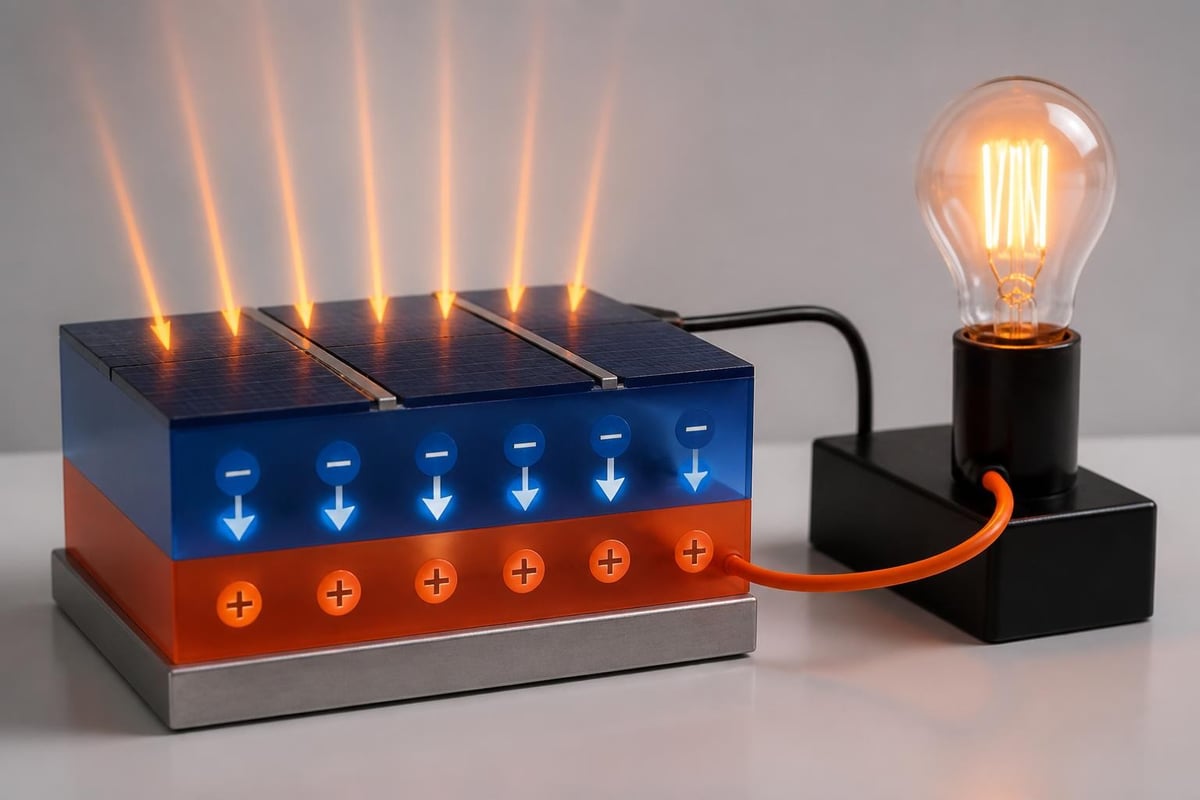
The physics behind solar radiation involves photons-packets of energy-travelling through space and interacting with materials on Earth. When these photons strike certain materials, particularly semiconductors like silicon, they can knock electrons loose, creating an electrical current through the photovoltaic effect.
The Photovoltaic Effect Explained
Solar energy is what powers photovoltaic (PV) systems through a phenomenon discovered in 1839 by French physicist Edmond Becquerel. Modern solar panels utilise this principle by incorporating layers of silicon treated with different chemical impurities:
- N-type silicon: Doped with phosphorus, creating an excess of electrons
- P-type silicon: Doped with boron, creating a deficit of electrons (holes)
- Junction layer: Where these two materials meet, creating an electric field
- Metal contacts: Grid patterns on top and bottom to collect the current
- Anti-reflective coating: Maximises light absorption
When sunlight strikes the solar cell, photons transfer their energy to electrons in the silicon atoms. The electric field at the junction pushes freed electrons towards the n-type layer and holes towards the p-type layer, creating a direct current (DC) that flows when the circuit is completed.
How Solar Technology Converts Sunlight Into Usable Electricity
Solar energy is what businesses and homes convert into practical electrical power through integrated systems comprising multiple components working in harmony. A complete commercial solar PV installation involves far more than simply mounting panels on a rooftop.
| System Component | Function | Key Specifications |
|---|---|---|
| Solar panels | Convert sunlight to DC electricity | 300-600W per panel (2026 models) |
| Inverters | Convert DC to AC electricity | 95-99% efficiency rating |
| Mounting structures | Secure panels at optimal angle | Withstand 150+ km/h winds |
| Monitoring systems | Track performance and faults | Real-time data logging |
| Switchgear | Protect system and building | DC and AC protection |
The conversion process begins when arrays of solar panels, typically mounted on rooftops or ground-mount structures, absorb sunlight throughout the day. These panels generate DC electricity at varying voltages depending on the number of cells connected in series.
The Role of Inverters in Solar Systems
Inverters serve as the brain of modern solar installations, transforming DC electricity into alternating current (AC) that matches the grid frequency of 50Hz used throughout South Africa. String inverters connect multiple panels in series, whilst microinverters attach to individual panels, offering advantages in partially shaded conditions.
In 2026, hybrid inverters have become increasingly popular across Johannesburg, Cape Town, and Durban, allowing integration with battery storage systems for enhanced energy resilience during evening hours and grid outages.
The AC electricity flows from inverters to the building's distribution board, where it can power equipment, lighting, and processes. When generation exceeds consumption, excess electricity may be exported to the grid (where net metering agreements exist) or diverted to charge battery storage systems.
Different Solar Technologies Available in 2026
Solar energy is what exists in multiple technological forms, each suited to different applications, budgets, and energy requirements. Understanding these variations helps organisations select the most appropriate solution for their specific circumstances.
Monocrystalline vs Polycrystalline vs Thin-Film
Monocrystalline panels dominate the South African market in 2026, offering efficiencies between 20-23% and superior performance in limited roof space scenarios. These panels feature uniform dark colouring and rounded cell edges, manufactured from single-crystal silicon ingots.
Polycrystalline panels provide a more budget-friendly option with efficiencies of 17-19%, identifiable by their blue colour and square cells with visible grain boundaries. Whilst slightly less efficient, they offer excellent value for applications with abundant mounting space.
Thin-film technologies, including CIGS and CdTe variants, occupy niche applications where flexibility or light weight matters more than maximum efficiency. These panels typically achieve 11-15% efficiency but perform better in high-temperature and low-light conditions common in certain South African regions.
Grid-Tied, Hybrid, and Off-Grid Configurations
Solar energy is what can be deployed in three primary system architectures:
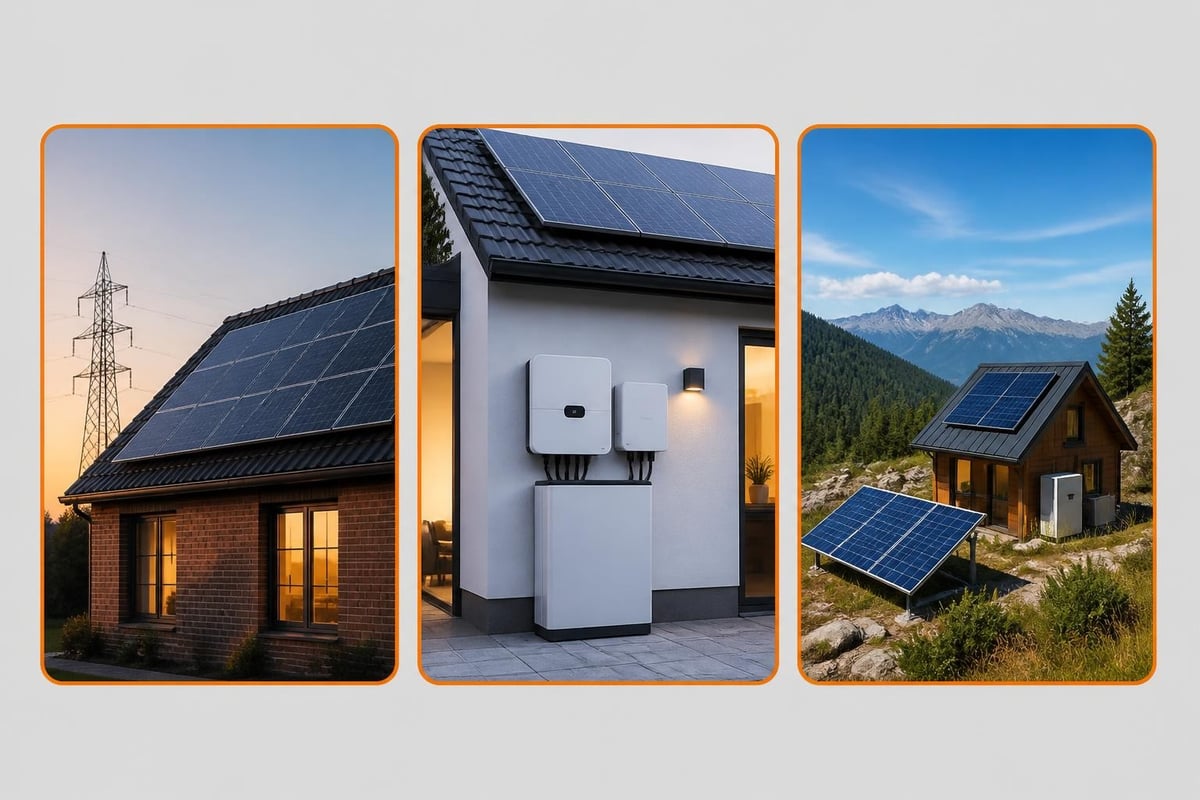
- Grid-tied systems connect directly to the utility network, operating during grid-available hours and shutting down during outages for safety reasons
- Hybrid systems combine grid connection with battery storage, providing backup power and energy shifting capabilities
- Off-grid systems operate independently with substantial battery banks, ideal for remote locations without grid access
The solar hybrid system configuration has gained tremendous traction across commercial and industrial sectors in 2026, balancing cost-effectiveness with energy security.
The Scale and Impact of Solar Energy Globally
Solar energy is what drives the fastest-growing segment of global electricity generation, with record-breaking installations continuing through 2026. According to recent IEA analysis, solar photovoltaic capacity additions exceeded 400 gigawatts globally in 2025, surpassing all other generation sources combined.
Market Growth and Deployment Trends
The REN21 Global Status Report documented solar PV reaching 1,600 gigawatts of cumulative global capacity by the end of 2025. China, the United States, and India lead installations, whilst emerging markets across Africa, Latin America, and Southeast Asia demonstrate accelerating adoption rates.
In Southern Africa specifically, solar deployment has surged across commercial and industrial sectors, driven by:
- Declining equipment costs (panels cost 90% less than a decade ago)
- Rising grid electricity tariffs exceeding ZAR 2.50/kWh in many municipalities
- Improved financing mechanisms and power purchase agreements
- Enhanced equipment reliability with 25-year performance warranties
- Growing corporate sustainability commitments
Economic Competitiveness of Solar Technology
Solar energy is what now represents the most economical form of new electricity generation in most global markets. Lazard's LCOE+ analysis consistently demonstrates that utility-scale solar and solar-plus-storage combinations compete favourably against all conventional generation technologies when accounting for total system costs.
For South African businesses evaluating solar energy for business applications, levelised costs frequently fall below ZAR 0.80/kWh for well-designed systems, compared to municipal tariffs often exceeding ZAR 2.00-3.00/kWh during peak periods.
Solar Energy's Role in Climate Change Mitigation
Solar energy is what climate scientists and policymakers identify as essential infrastructure for achieving global emissions reduction targets. The IPCC's assessment of energy systems places solar and wind at the centre of most plausible pathways to limit warming to 1.5-2°C above pre-industrial levels.
Every kilowatt-hour generated from solar PV displaces electricity that would otherwise come from fossil-fuel sources. In South Africa's case, where coal-fired power stations dominate the generation mix, solar electricity avoids approximately 0.95 kilograms of CO₂ equivalent emissions per kWh-a significant reduction opportunity for organisations pursuing Net Zero commitments.
Supporting ESG and Sustainability Strategies
Businesses installing solar systems gain tangible progress towards environmental, social, and governance (ESG) objectives. Beyond direct emissions reductions, solar infrastructure demonstrates:
- Environmental stewardship through reduced fossil fuel dependence
- Social responsibility by contributing to energy transition goals
- Governance strength via measured, reportable sustainability metrics
- Financial prudence through long-term energy cost management
Companies working with specialists in Renewable Energy Sustainability can integrate solar deployments within comprehensive strategies encompassing carbon reduction, ESG reporting, and circular economy principles including responsible end-of-life panel recycling.
Practical Considerations for Solar Implementation
Solar energy is what transforms from concept to reality through careful planning, proper design, and professional installation. Organisations considering solar must evaluate numerous factors affecting system performance and return on investment.
Site Assessment and Solar Resource
Successful implementations begin with comprehensive site analysis examining:
- Available mounting area (rooftop, carport, ground space)
- Orientation and tilt angle relative to the sun's path
- Shading from nearby structures, trees, or equipment
- Structural capacity to support panel weight (typically 15-20 kg/m²)
- Electrical infrastructure and connection points
South Africa benefits from exceptional solar resources, with most regions receiving 4.5-6.5 peak sun hours daily. Coastal areas may experience slightly reduced irradiation compared to inland locations like the Free State or Northern Cape, but all regions demonstrate strong solar viability.
System Sizing and Design Principles
Solar energy is what requires precise engineering to match generation capacity with consumption patterns. Undersized systems fail to deliver expected savings, whilst oversized installations may not justify their capital cost without battery storage or feed-in arrangements.
Professional energy audits examine:
- Historical consumption data across different times and seasons
- Load profiles identifying when electricity demand peaks
- Future growth projections for expanding operations
- Available incentives including tax deductions and accelerated depreciation
- Grid connection requirements and utility approval processes
| Facility Type | Typical System Size | Annual Generation | Payback Period |
|---|---|---|---|
| Small office | 10-30 kW | 15,000-45,000 kWh | 3-5 years |
| Retail centre | 50-150 kW | 75,000-225,000 kWh | 4-6 years |
| Manufacturing | 200-1,000 kW | 300,000-1,500,000 kWh | 3-5 years |
| Agricultural | 50-500 kW | 75,000-750,000 kWh | 4-7 years |
Economic Benefits and Financing Options
Solar energy is what delivers measurable financial returns through reduced electricity purchases, demand charge avoidance, and operational cost stability. The economic case strengthens as grid tariffs continue escalating above inflation rates, a trend evident across South African municipalities throughout the 2020s.
Return on Investment Analysis
Properly designed commercial solar installations typically achieve payback periods of 3-6 years, with systems continuing to generate value for 25+ years beyond initial cost recovery. Key financial benefits include:
- Direct electricity cost savings: 40-70% reduction in monthly utility bills
- Demand charge reduction: Lower peak demand reduces capacity charges
- Hedge against tariff increases: Fixed generation cost over system lifetime
- Property value enhancement: Energy-independent facilities command premium valuations
- Tax benefits: Section 12B allowances and accelerated depreciation
For organisations requiring solar funding options, various mechanisms have emerged including power purchase agreements (PPAs), operating leases, and green finance facilities from commercial banks.
Maintenance and Operational Costs
Solar energy is what requires minimal ongoing maintenance compared to conventional generation. Annual costs typically represent 1-2% of initial capital expenditure, covering:
- Panel cleaning (2-4 times annually depending on environment)
- Inverter servicing and firmware updates
- Performance monitoring and fault detection
- Vegetation management around ground-mount installations
- Electrical testing and safety compliance
Organisations can view service level agreements and maintenance programmes from renewable energy specialists, ensuring optimal system performance throughout operational life.
Integration With Complementary Technologies
Solar energy is what forms the foundation of comprehensive renewable energy solutions when combined with storage, smart metering, and demand management technologies. These integrations unlock enhanced value and functionality beyond basic grid-tied generation.
Battery Energy Storage Systems
Coupling solar with battery storage enables energy time-shifting, where excess daytime generation charges batteries for discharge during evening peaks or grid outages. Modern lithium-ion systems deliver:
- 4-6 hour discharge duration for load-shifting applications
- 90-95% round-trip efficiency minimising conversion losses
- 10-15 year lifespan with proper thermal management
- Scalable capacity from 10 kWh residential to multi-MWh commercial
The synergy between solar and battery storage has become particularly valuable in South Africa's context, where load-shedding and grid instability continue affecting business operations and production schedules.
Smart Monitoring and Analytics
Advanced monitoring platforms provide real-time visibility into system performance, consumption patterns, and generation forecasts. These systems enable:
- Proactive fault detection identifying underperforming panels or inverter issues
- Consumption optimisation shifting discretionary loads to solar-generation hours
- Financial tracking measuring actual savings against projections
- Remote diagnostics reducing site visit requirements for troubleshooting
Integration with building management systems and industrial control platforms creates intelligent energy ecosystems that automatically optimise consumption based on solar availability, battery state-of-charge, and tariff periods.
Regulatory and Technical Standards in South Africa
Solar energy is what operates within defined regulatory frameworks ensuring safety, grid stability, and standardised performance. South African installations must comply with numerous standards and approval processes.
Grid Connection and Compliance Requirements
Commercial and industrial solar systems connecting to the municipal or Eskom grid require:
- Grid connection application submitted to the relevant utility
- Impact study (for systems above 1 MW typically)
- Approved electrical designs stamped by professional engineers
- Certificate of Compliance issued by licensed electricians
- Protection settings coordinated with utility requirements
The National Energy Regulator of South Africa (NERSA) oversees licensing requirements, whilst SANS 10142 standards govern electrical installation practices. Professional engineering firms navigate these regulatory requirements, ensuring compliant installations that pass municipal inspections.
Safety and Performance Standards
Solar installations must adhere to rigorous safety protocols protecting both workers and occupants:
- SANS 10142-1: Wiring of premises (low-voltage installations)
- SANS 62446: Grid-connected photovoltaic systems (minimum requirements)
- SANS 10089: Energy efficiency in buildings
- OHS Act: Occupational health and safety during installation and maintenance
Quality equipment carries internationally recognised certifications including IEC 61215 (panel performance), IEC 61730 (panel safety), and IEC 62109 (inverter safety), ensuring reliable operation under South African environmental conditions.
Environmental Considerations and Lifecycle Management
Solar energy is what offers substantial environmental benefits during operation, yet responsible deployment addresses the full technology lifecycle from manufacturing through end-of-life disposal. Understanding these factors enables organisations to maximise sustainability credentials.
Manufacturing and Transportation Impacts
Solar panel production requires energy and raw materials, creating an embedded carbon footprint. However, modern panels achieve energy payback periods of 1-2 years in South Africa's solar conditions, generating 15-25 times more energy than consumed during their manufacture and transport over a 25-year lifespan.
The industry continues reducing manufacturing impacts through:
- Transition to renewable-powered factories
- Improved silicon purification efficiency
- Thinner wafers reducing material consumption
- Recycled aluminium frames and glass
End-of-Life Panel Recycling
Solar energy is what generates minimal waste during operation, but decommissioned panels require proper recycling to recover valuable materials. Solar panel recycling processes can recover 95% of glass, 85% of silicon, and nearly all aluminium and copper from end-of-life modules.
South Africa's Extended Producer Responsibility regulations increasingly address renewable energy equipment, requiring manufacturers and importers to establish take-back and recycling programmes. Responsible organisations partner with certified recyclers ensuring panels don't enter landfills, supporting circular economy principles within the renewable energy sector.
Future Outlook and Technological Advances
Solar energy is what continues evolving through ongoing research, development, and commercialisation of next-generation technologies. Several emerging innovations promise to enhance performance, reduce costs, and expand application possibilities through the late 2020s.
Efficiency Improvements and New Materials
Laboratory solar cells have achieved efficiencies exceeding 47% using multi-junction technologies, though commercial single-junction silicon panels plateau around 23-24%. Promising developments include:
- Perovskite-silicon tandems: Potential 30%+ efficiency in mass production
- Bifacial modules: Capture reflected light from ground surfaces
- Half-cut cell designs: Reduce resistive losses and improve shade tolerance
- PERC and TOPCon technologies: Optimise rear-surface passivation
These advances translate to more electricity from the same roof area, particularly valuable for space-constrained installations common in dense urban environments like Sandton or Cape Town's CBD.
Integration With Artificial Intelligence
Solar energy is what benefits from AI-powered optimisation across design, operation, and maintenance:
- Predictive analytics forecasting generation based on weather patterns
- Automated fault detection identifying anomalies before failures occur
- Consumption optimisation scheduling loads to maximise self-consumption
- Maintenance scheduling using drone imaging and thermal analysis
Machine learning algorithms analyse vast datasets from thousands of installations, identifying performance patterns invisible to human operators and enabling proactive interventions that maximise system uptime and generation.
Solar energy is what represents the cornerstone of South Africa's renewable energy future, delivering cost-effective, clean electricity whilst enhancing energy security for organisations across all sectors. From understanding the fundamental physics of photovoltaic conversion to navigating regulatory requirements and optimising financial returns, successful solar implementation requires expertise across engineering, finance, and operations. INFOLED specialises in designing, financing, installing, and maintaining comprehensive solar solutions tailored to commercial, industrial, and agricultural clients throughout Southern Africa, helping organisations reduce electricity costs, improve resilience, and achieve sustainability objectives through proven renewable energy technologies.
Next Step
Need help with your energy strategy?
Speak to INFOLED about solar, storage, EV charging, service agreements or system performance.