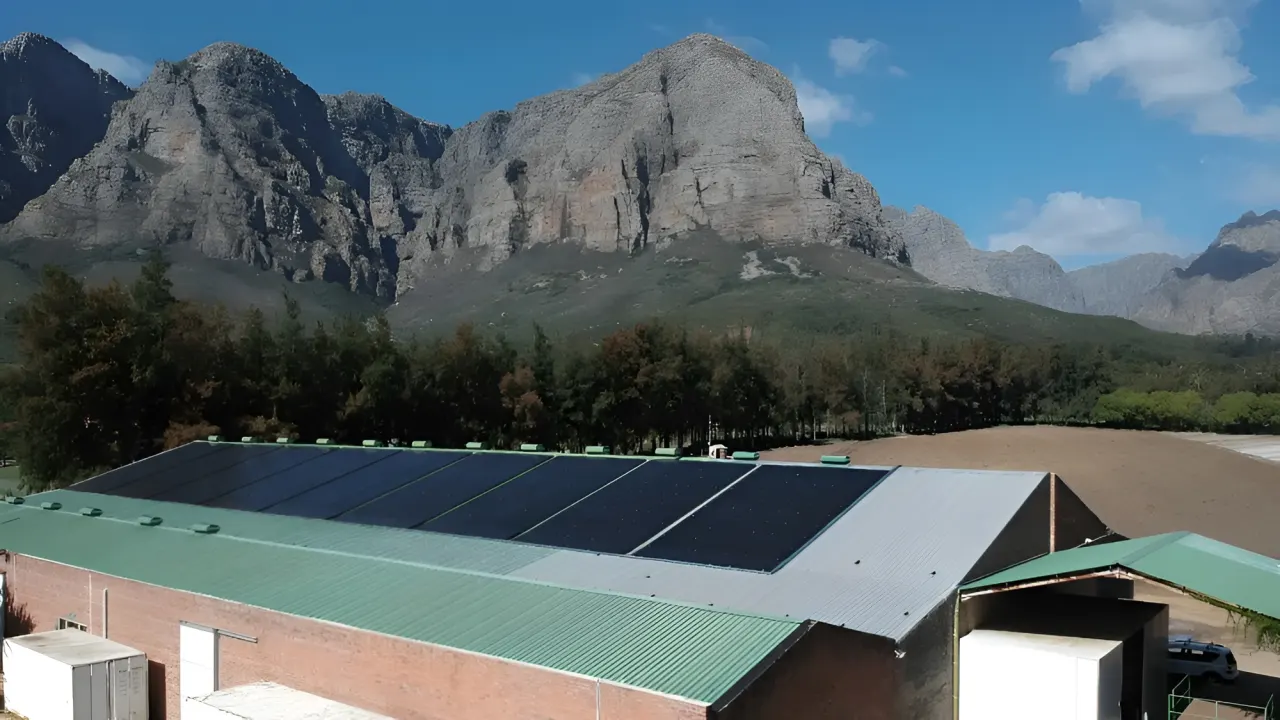
Wind power has emerged as a critical component of the global transition towards renewable energy, and wind projects represent some of the most ambitious infrastructure investments in the clean energy sector. As Southern Africa continues to diversify its energy portfolio, understanding the complexities of wind project development-from initial feasibility studies through to commercial operation-has become essential for businesses, investors, and communities alike. These large-scale renewable installations offer significant potential for reducing carbon emissions, enhancing energy security, and contributing to long-term economic development across the region.
Understanding Wind Project Fundamentals
Wind projects encompass a broad spectrum of installations, from small-scale distributed generation systems to utility-scale wind farms spanning thousands of hectares. The fundamental principle remains consistent: converting kinetic energy from moving air into electrical power through turbine technology. Modern wind turbines can generate between 2 MW and 15 MW per unit, with offshore installations typically featuring larger capacities than their onshore counterparts.
The U.S. Department of Energy provides comprehensive resources on how turbines work, outlining the three primary components: the rotor (blades), the nacelle (housing the generator and gearbox), and the tower. In Southern Africa, wind resources are particularly strong along coastal regions and elevated inland areas, where consistent wind patterns create favourable conditions for energy generation.
Wind Resource Assessment
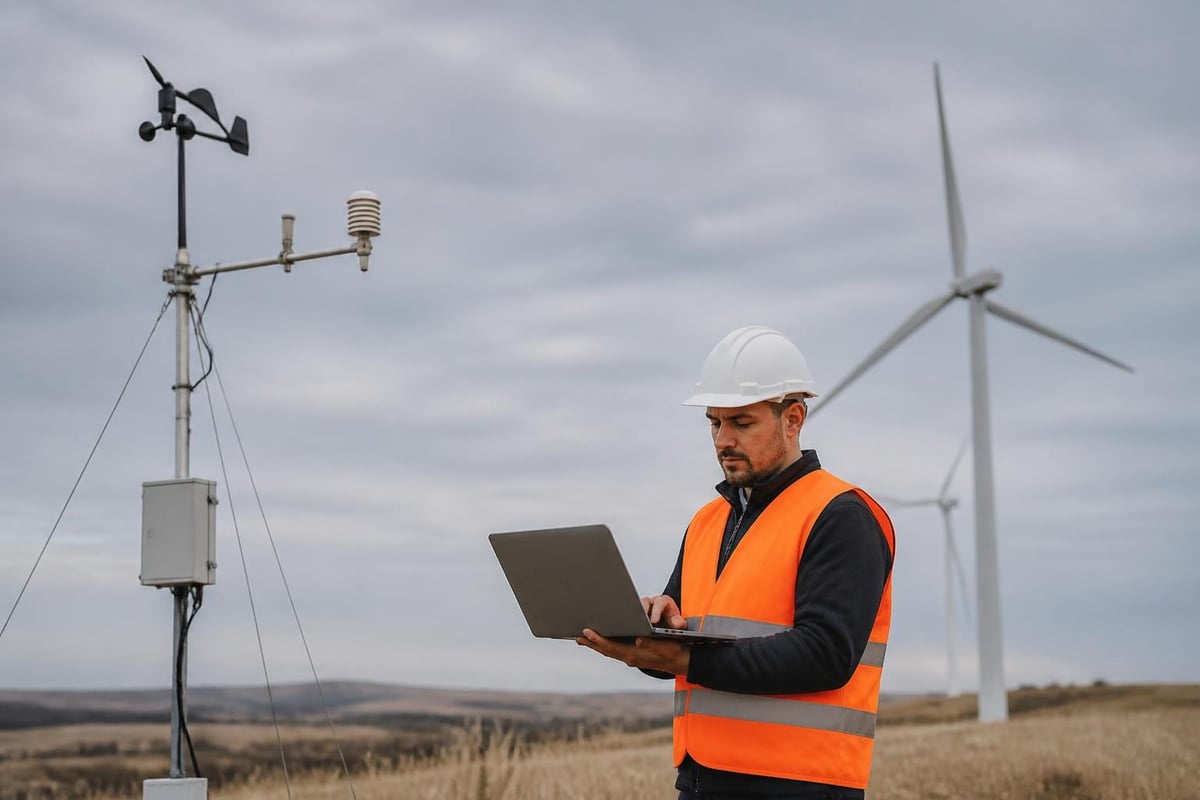
Before any turbine is erected, developers must conduct rigorous wind resource assessments spanning multiple years. These studies measure wind speed, direction, turbulence, and seasonal variations at various heights. Advanced meteorological towers and remote sensing technologies, including LIDAR and SODAR systems, collect data that inform turbine placement and project viability.
Key assessment parameters include:
- Annual average wind speed at hub height (typically 80-120 metres)
- Wind shear and turbulence intensity
- Seasonal and diurnal wind patterns
- Extreme wind events and weather conditions
- Air density and temperature variations
The quality of this data directly influences project financing, as lenders require high confidence in long-term generation forecasts. Most wind projects target capacity factors between 25% and 45%, though exceptional sites can achieve higher performance.
Planning and Development Phases
Wind projects progress through distinct phases, each with specific technical, regulatory, and financial milestones. The development timeline for utility-scale wind installations typically spans 3-7 years from initial concept through to commercial operation, though smaller projects may advance more rapidly.
Site Selection and Land Acquisition
Developers evaluate numerous criteria when selecting sites for wind projects. Beyond wind resource quality, considerations include proximity to transmission infrastructure, environmental sensitivities, land use compatibility, and community acceptance. In South Africa, projects often navigate complex land tenure arrangements, requiring negotiations with private landowners, communal land authorities, or government entities.
Lease agreements for wind projects typically span 20-30 years, with rental payments structured as fixed annual fees, revenue-sharing arrangements, or hybrid models. These agreements must address turbine spacing, access roads, underground cabling, substations, and the eventual decommissioning process.
Environmental and Social Impact Assessment
All wind projects above certain capacity thresholds require comprehensive environmental impact assessments (EIAs) before approval. These studies examine potential effects on:
- Avifauna and bat populations through collision risk and habitat disruption
- Noise levels for nearby residents and sensitive receptors
- Visual impact and landscape character changes
- Archaeological and heritage sites
- Hydrological systems and soil stability
- Electromagnetic interference with communications systems
The EIA process includes public participation phases where communities and stakeholders can raise concerns and suggest alternatives. Specialist studies for birds, noise, visual impact, and heritage are standard requirements. Mitigation measures often include turbine micrositing, operational curtailment during sensitive periods, and biodiversity offset programmes.
| Development Phase | Typical Duration | Key Deliverables |
|---|---|---|
| Feasibility Study | 6-12 months | Wind data, grid connection, preliminary costs |
| Environmental Assessment | 12-18 months | EIA approval, environmental authorisation |
| Financial Close | 6-12 months | Funding agreements, offtake contracts |
| Construction | 12-24 months | Turbine installation, grid connection |
| Commissioning | 3-6 months | Performance testing, regulatory approvals |
Technical Design and Engineering
The engineering phase transforms conceptual plans into detailed technical specifications. Wind projects require multidisciplinary expertise spanning electrical engineering, civil engineering, geotechnical analysis, and grid integration studies. This phase determines turbine selection, electrical infrastructure design, and construction methodologies.
Modern wind projects incorporate sophisticated energy management systems that optimise performance, predict maintenance requirements, and integrate with broader grid operations. SCADA (Supervisory Control and Data Acquisition) systems monitor every turbine in real-time, adjusting blade pitch, yaw position, and operational parameters to maximise energy capture whilst protecting equipment.
Grid Connection and Integration
Connecting wind projects to the electrical grid presents unique technical challenges. Unlike dispatchable generation sources, wind power varies with meteorological conditions, requiring sophisticated forecasting and grid management strategies. The North American Electric Reliability Corporation publishes detailed guidance on integrating variable generation into bulk power systems, addressing voltage control, frequency regulation, and system stability.
Grid connection agreements specify technical requirements for power quality, fault ride-through capability, and reactive power support. Large wind projects typically include dedicated substations with transformers stepping voltage up to transmission levels (132 kV, 275 kV, or 400 kV in South Africa). Underground collection systems gather power from individual turbines, whilst overhead transmission lines deliver electricity to grid connection points.
Grid integration considerations:
- Transmission capacity and available connection points
- System strength and short-circuit levels
- Reactive power compensation requirements
- Protection and control system coordination
- Curtailment protocols and constraint management
Wind projects must comply with grid codes specifying performance during normal operations and fault conditions. Modern turbines provide grid support services, including voltage regulation and frequency response, enhancing overall system stability.
Financial Structuring and Economics
The financial complexity of wind projects rivals their technical sophistication. Capital costs for onshore wind installations in South Africa typically range from ZAR 18,000 to ZAR 25,000 per installed kilowatt, whilst offshore developments command significantly higher investments. These figures encompass turbine procurement, civil works, electrical infrastructure, grid connection, and development costs.
Financing Models and Revenue Streams
Wind projects employ various financing structures, from corporate balance sheet funding to non-recourse project finance. Most utility-scale developments utilise project finance, where lenders rely primarily on projected cash flows rather than sponsor balance sheets. Debt typically comprises 70-80% of total capital, with equity providing the remainder.
Revenue certainty is paramount for financing wind projects. Power purchase agreements (PPAs) with creditworthy offtakers provide long-term cash flow visibility, typically spanning 20 years. South Africa's Renewable Energy Independent Power Producer Procurement Programme (REIPPPP) has demonstrated how well-structured PPAs enable competitive pricing and bankable projects.
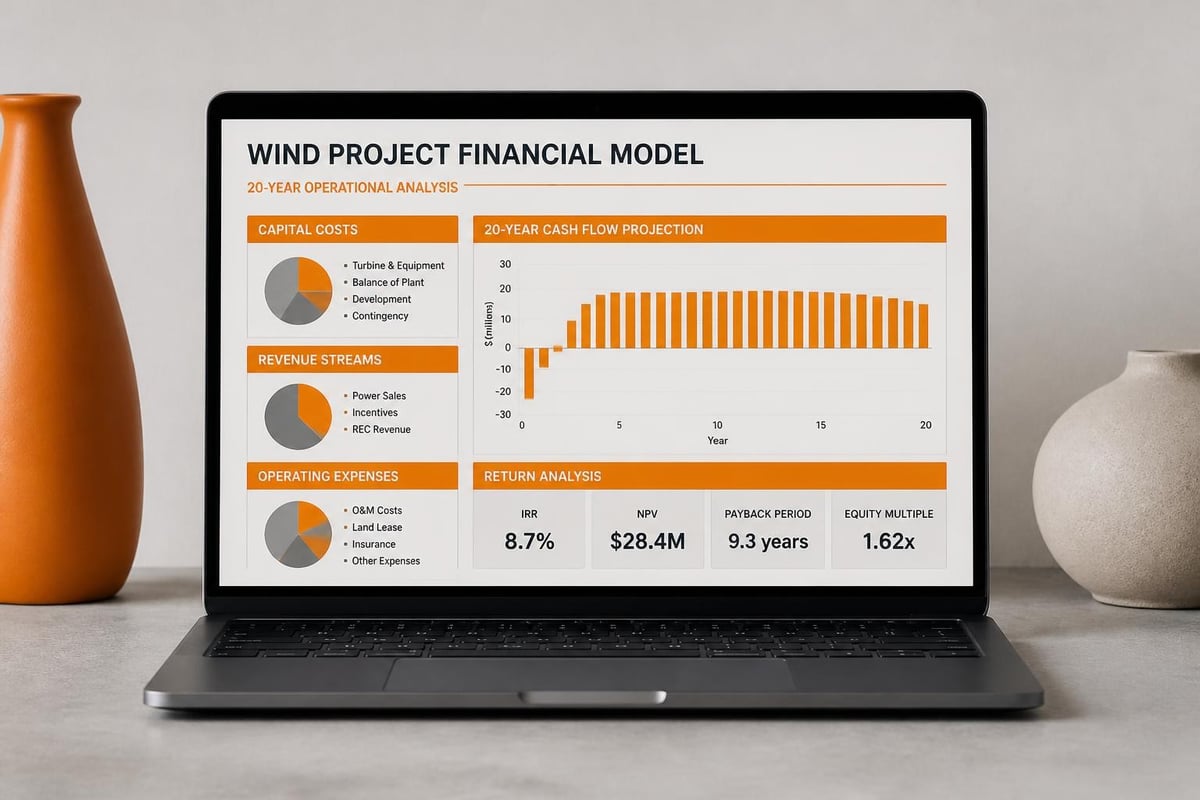
The levelised cost of energy (LCOE) for wind projects has declined dramatically over the past decade, making wind competitive with fossil fuel generation in many markets. When evaluating renewable energy services, businesses must consider not only generation costs but also the value of price certainty and carbon reduction benefits.
| Cost Component | Percentage of Total | Notes |
|---|---|---|
| Turbines and equipment | 60-70% | Including towers and foundations |
| Grid connection | 10-15% | Transmission lines and substations |
| Civil and construction | 8-12% | Roads, foundations, installation |
| Development and consent | 5-8% | Planning, EIA, permits |
| Other costs | 3-5% | Insurance, commissioning, contingency |
Regulatory Framework and Compliance
Wind projects navigate complex regulatory landscapes encompassing energy policy, environmental legislation, planning systems, and grid codes. In South Africa, the regulatory framework has evolved significantly since the inception of the REIPPPP, creating clearer pathways for private sector participation whilst maintaining rigorous standards.
Developers must secure multiple approvals and licences before construction can commence. The National Energy Regulator of South Africa (NERSA) issues generation licences for facilities above certain thresholds, whilst environmental authorisations come from the Department of Forestry, Fisheries and the Environment. Provincial and municipal authorities may impose additional requirements related to land use and building regulations.
International Standards and Best Practices
The International Electrotechnical Commission publishes the IEC 61400 series, which establishes global standards for wind turbine design, testing, and safety. Compliance with these standards is typically required by insurers, lenders, and grid operators. The standards address structural design, power quality, noise emissions, and lightning protection, amongst numerous other technical aspects.
Offshore wind projects face additional regulatory complexity. The Bureau of Ocean Energy Management provides comprehensive guidance on offshore wind development, addressing leasing processes, environmental assessments, and federal permitting requirements. Whilst focused on the United States, these frameworks inform international best practices adopted in emerging offshore wind markets.
Construction and Commissioning
The construction phase transforms years of planning into physical infrastructure. Wind projects demand precise logistics, as turbine components-particularly blades exceeding 60 metres in length-require specialised transport and handling equipment. Construction activities progress through distinct stages: site preparation, foundation installation, turbine erection, electrical works, and testing.
Installation Methodology
Modern turbines stand on reinforced concrete foundations extending several metres below ground level. Foundation design accounts for turbine loads, soil conditions, and seismic activity. In areas with challenging ground conditions, piled foundations or rock anchors provide necessary stability.
- Site preparation and access road construction
- Foundation excavation and concrete pouring (curing period: 4-8 weeks)
- Tower section delivery and assembly
- Nacelle and rotor installation using large cranes
- Underground cable installation and substation construction
- SCADA system integration and communications networks
- Grid connection and synchronisation
Crane operations represent the critical path for construction schedules. Large crawler cranes capable of lifting 600-1,000 tonnes position nacelles and rotors atop towers. Weather windows are crucial, as high winds prevent safe lifting operations.
Operations, Maintenance and Performance
Once commissioned, wind projects enter operational phases spanning 20-30 years. Effective operations and maintenance (O&M) programmes are essential for maximising generation, managing costs, and ensuring long-term asset value. O&M strategies range from reactive maintenance to sophisticated predictive approaches using advanced analytics.
Maintenance categories include:
- Scheduled maintenance: Routine inspections and component servicing at defined intervals
- Condition-based maintenance: Interventions triggered by monitoring data indicating developing issues
- Predictive maintenance: Machine learning algorithms identifying optimal intervention timing
- Corrective maintenance: Emergency repairs following component failures
Turbine manufacturers typically provide warranty coverage for 2-5 years, with extended service agreements available. Many wind projects engage specialist O&M contractors who bring economies of scale, technical expertise, and rapid response capabilities. Performance guarantees ensure projects meet expected generation targets, with compensation mechanisms for underperformance.
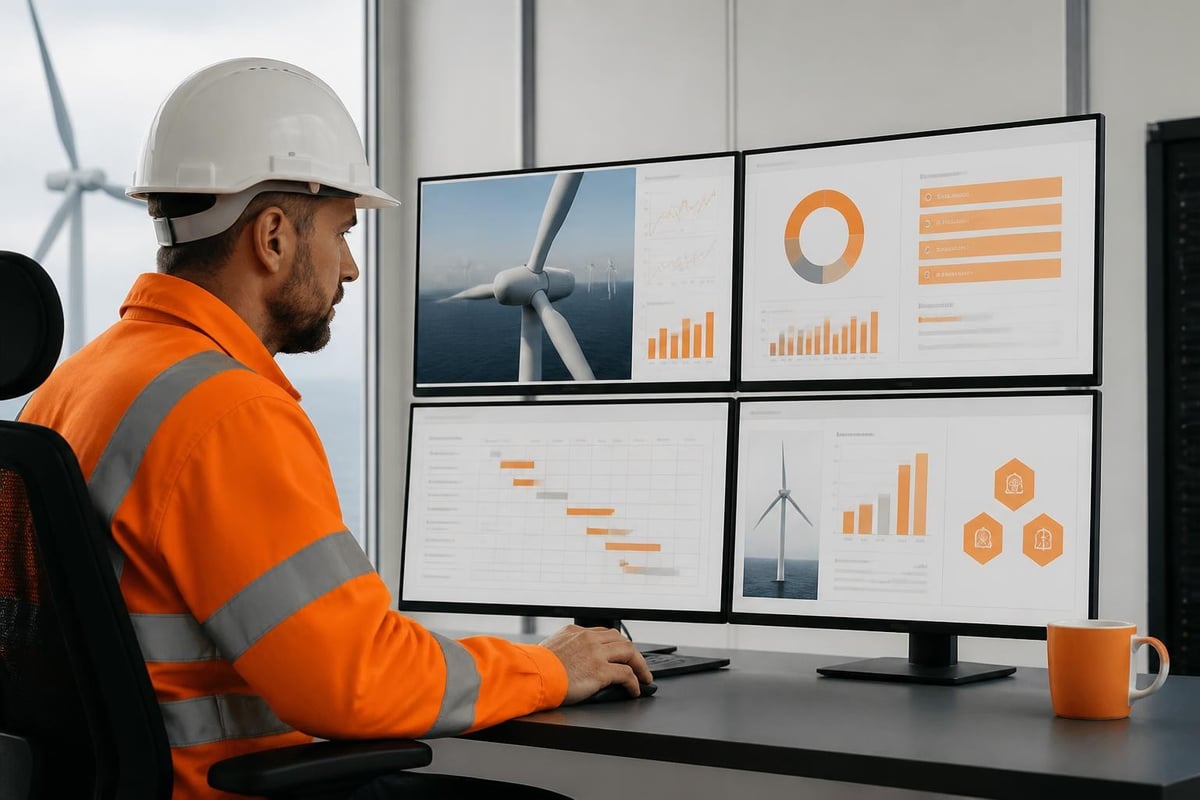
Remote monitoring systems track thousands of parameters across turbine fleets, identifying anomalies before failures occur. Advanced diagnostics include vibration analysis, oil analysis, thermographic inspections, and blade inspections using drones or rope access technicians. These proactive approaches minimise downtime and optimise component life.
Environmental Considerations and Sustainability
Wind projects deliver substantial environmental benefits through carbon-free generation, yet they also present environmental challenges requiring careful management. Research published in Nature Reviews Earth & Environment examines wind-wave climate changes and their implications for offshore installations, highlighting the importance of understanding long-term environmental interactions.
Bird and bat mortality from turbine collisions remains a significant concern, particularly at sites along migration routes or near sensitive populations. Mitigation strategies include turbine micrositing to avoid high-risk areas, operational curtailment during peak migration periods, and detection systems that shut down turbines when protected species are observed nearby. Ongoing monitoring programmes track actual impacts and inform adaptive management.
Noise from wind projects typically comprises two components: mechanical noise from gearboxes and generators, and aerodynamic noise from blade movement through air. Modern turbines have dramatically reduced mechanical noise through improved engineering, whilst aerodynamic noise is managed through setback distances from dwellings. Most jurisdictions impose noise limits of 35-45 dBA at residential receptors.
The end-of-life phase for wind projects increasingly focuses on circular economy principles. Turbine components contain valuable materials including steel, copper, and rare earth elements in permanent magnet generators. Blade recycling presents particular challenges due to composite materials, though emerging technologies enable material recovery and repurpose applications. Extending sustainability considerations throughout the project lifecycle aligns with corporate net zero commitments.
Integration with Hybrid Energy Systems
Wind projects are increasingly developed as components within hybrid renewable energy systems that combine multiple generation sources and storage technologies. These integrated approaches address the intermittency challenge inherent to wind generation whilst optimising infrastructure use and improving project economics.
Hybrid configurations commonly pair wind with solar photovoltaic generation, exploiting complementary generation patterns. Wind resources often peak during different times than solar irradiance, reducing overall variability. Battery energy storage systems provide firming capacity, enabling wind projects to deliver dispatchable power or participate in ancillary service markets.
The technical complexity of hybrid systems requires sophisticated control algorithms that optimise dispatch across multiple assets whilst respecting grid constraints and market signals. These systems benefit from economies of scope in grid connection, shared substations, and integrated monitoring platforms. When commercial entities evaluate their renewable energy options, hybrid configurations often deliver superior value compared to single-technology approaches.
Community Engagement and Shared Value
Successful wind projects recognise that social acceptance is as crucial as technical and financial viability. Community engagement processes should commence early in development, providing transparent information about project plans, potential impacts, and benefits. Effective engagement goes beyond regulatory compliance to build genuine partnerships with affected communities.
Shared value initiatives take various forms, from local employment and procurement to community benefit funds and equity participation. South Africa's REIPPPP programme pioneered requirements for economic development contributions, ensuring projects deliver tangible benefits to surrounding communities. These commitments typically address:
- Local employment targets during construction and operations
- Enterprise development supporting local businesses
- Socio-economic development programmes (schools, clinics, infrastructure)
- Skills development and training initiatives
- Community shareholding structures
Community wind projects, where local stakeholders hold ownership stakes, demonstrate how these initiatives can build support whilst distributing financial benefits. Transparent communication about project progress, environmental monitoring results, and economic contributions maintains community relationships throughout operational phases.
Wind projects represent sophisticated engineering achievements that harness nature's power to deliver clean, cost-effective electricity whilst supporting broader sustainability goals. As Southern Africa expands its renewable energy capacity, understanding the technical, financial, and regulatory complexities of wind development becomes increasingly valuable for businesses and communities alike. INFOLED brings deep expertise in renewable energy engineering, helping clients navigate the transition to sustainable power systems through comprehensive solar, battery storage, and integrated energy solutions. Contact INFOLED today to explore how intelligent renewable energy technologies can reduce your electricity costs, enhance energy resilience, and advance your sustainability objectives.
Next Step
Need help with your energy strategy?
Speak to INFOLED about solar, storage, EV charging, service agreements or system performance.