
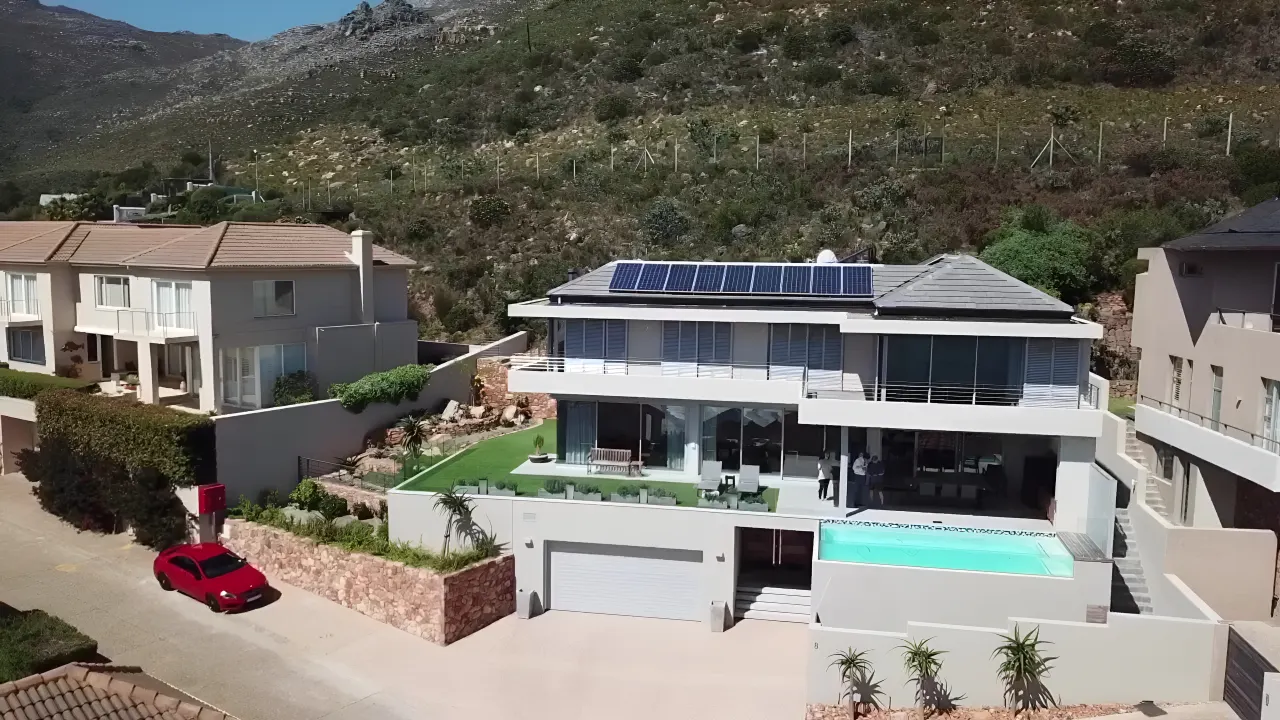
The rising cost of electricity and increasing load shedding challenges across South Africa have prompted businesses and property owners to explore alternative energy sources beyond traditional solar photovoltaic systems. A small wind turbine offers an additional renewable energy option that can complement existing infrastructure, particularly in regions with consistent wind resources. These compact generating systems, typically rated between 1 kW and 100 kW, capture kinetic energy from the wind and convert it into electrical power suitable for on-site consumption or grid integration. Understanding the technical specifications, economic considerations, and regulatory requirements surrounding small wind turbine installations enables informed decision-making for commercial, industrial, and residential applications throughout Southern Africa.
Understanding Small Wind Turbine Technology
Small wind turbine systems differ significantly from their utility-scale counterparts in design, application, and operational characteristics. These systems typically feature simpler construction, fewer components, and more accessible maintenance requirements.
Technical Classification and Capacity
The International Energy Agency defines small wind turbines as systems with rotor swept areas up to 200 square metres, roughly corresponding to power ratings below 100 kW. Most installations in South Africa fall within the micro-wind category (less than 1 kW) or mini-wind category (1-20 kW).
Key technical specifications include:
- Rotor diameter: Typically 1.5 to 10 metres for residential and small commercial applications
- Tower height: Usually 10 to 40 metres, depending on site conditions and regulations
- Cut-in wind speed: The minimum wind speed (typically 2.5-4 m/s) required to start generating power
- Rated wind speed: The wind speed (typically 10-15 m/s) at which the turbine reaches its maximum power output
- Cut-out wind speed: The maximum wind speed (typically 20-25 m/s) before the turbine shuts down for safety
Small wind turbine generators employ either horizontal-axis (HAWT) or vertical-axis (VAWT) configurations. Horizontal-axis designs dominate the market due to superior efficiency, though vertical-axis models offer advantages in turbulent urban environments.
Generator Types and Power Electronics
Modern small wind turbines incorporate various generator technologies, each with distinct characteristics:
| Generator Type | Advantages | Typical Applications |
|---|---|---|
| Permanent Magnet Alternator | High efficiency, low maintenance, direct drive | Residential and small commercial systems |
| Wound-Field Synchronous | Variable control, robust design | Industrial applications |
| Induction Generator | Simple, reliable, grid-compatible | Grid-tied commercial installations |
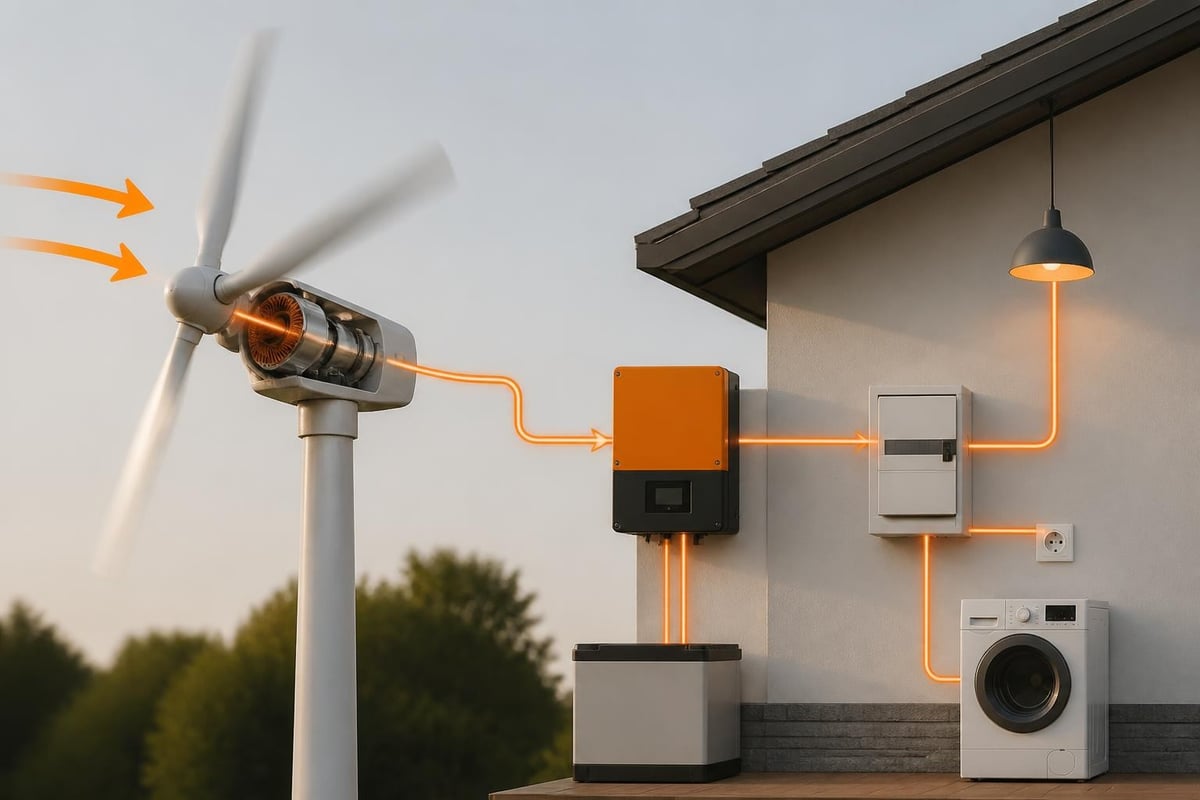
Power electronics convert the variable AC output from the turbine into usable electricity. Grid-tied systems employ inverters that synchronise with the utility network, whilst off-grid configurations typically incorporate charge controllers to manage battery charging.
Wind Resource Assessment for Southern Africa
Successful small wind turbine deployment depends fundamentally on adequate wind resources at the installation site. South Africa's wind patterns vary considerably across provinces and topographical features.
The Western Cape and Eastern Cape provinces generally offer the strongest wind resources, particularly along coastal areas and mountain passes. The Northern Cape experiences consistent winds suitable for small-scale generation, whilst Gauteng and inland regions typically present more challenging conditions characterised by lower average wind speeds and greater turbulence.
Conducting Site-Specific Analysis
Professional wind resource assessment requires data collection over extended periods, ideally twelve months minimum. Key evaluation criteria include:
- Average annual wind speed at proposed hub height
- Wind speed distribution and frequency
- Prevailing wind direction and seasonal variations
- Turbulence intensity and wind shear
- Local obstacles and terrain effects
Wind speed increases with height above ground level, following a power law relationship. A turbine mounted at 20 metres typically experiences 20-30% higher wind speeds than at 10 metres, translating to significantly greater energy production since power output varies with the cube of wind speed.
Many South African municipalities and agricultural areas lack comprehensive wind data. Installing a met mast with anemometers and data loggers provides site-specific measurements, though this represents an additional upfront investment typically ranging from R15,000 to R50,000 depending on equipment specifications and installation complexity.
Economic Considerations and Financial Modelling
The financial viability of a small wind turbine project hinges on multiple variables including capital costs, energy yield, electricity tariffs, and available incentives or financing mechanisms.
Capital and Operational Expenditure
Small wind turbine costs in South Africa vary substantially based on capacity, tower height, and installation complexity:
- Equipment costs: R40,000 to R80,000 per installed kW for systems under 10 kW
- Tower and foundation: R25,000 to R100,000 depending on height and soil conditions
- Installation and commissioning: R20,000 to R60,000 for professional installation
- Grid connection and electrical work: R15,000 to R50,000 for grid-tied systems
A typical 5 kW small wind turbine installation might therefore cost between R250,000 and R450,000 fully installed, including all associated infrastructure and professional services.
Annual operational costs typically include:
- Preventative maintenance inspections (R8,000 to R15,000 annually)
- Insurance coverage
- Potential component replacements
- Monitoring and performance management
Return on Investment Analysis
Calculating return on investment requires accurate estimation of annual energy production and financial benefits. The U.S. Department of Energy's Small Wind Guidebook provides methodologies for economic analysis that remain applicable in the South African context with appropriate adjustments.
| System Size | Estimated Annual Production* | Annual Savings (R)** | Simple Payback (Years) |
|---|---|---|---|
| 1.5 kW | 2,400-3,600 kWh | R4,800-R7,200 | 15-25 |
| 5 kW | 8,000-12,000 kWh | R16,000-R24,000 | 12-20 |
| 10 kW | 16,000-24,000 kWh | R32,000-R48,000 | 10-15 |
*Assumes average wind speeds of 5-6 m/s at hub height **Based on commercial tariffs averaging R2.00-R2.50 per kWh in 2026
These calculations become more favourable when electricity tariffs increase, as projected by Eskom and municipal utilities. Properties experiencing frequent load shedding may realise additional value through improved energy reliability.
Regulatory Framework and Compliance Requirements
South Africa's regulatory environment for small wind turbine installations involves multiple authorities and compliance frameworks at national, provincial, and municipal levels.
National Energy Regulator Approvals
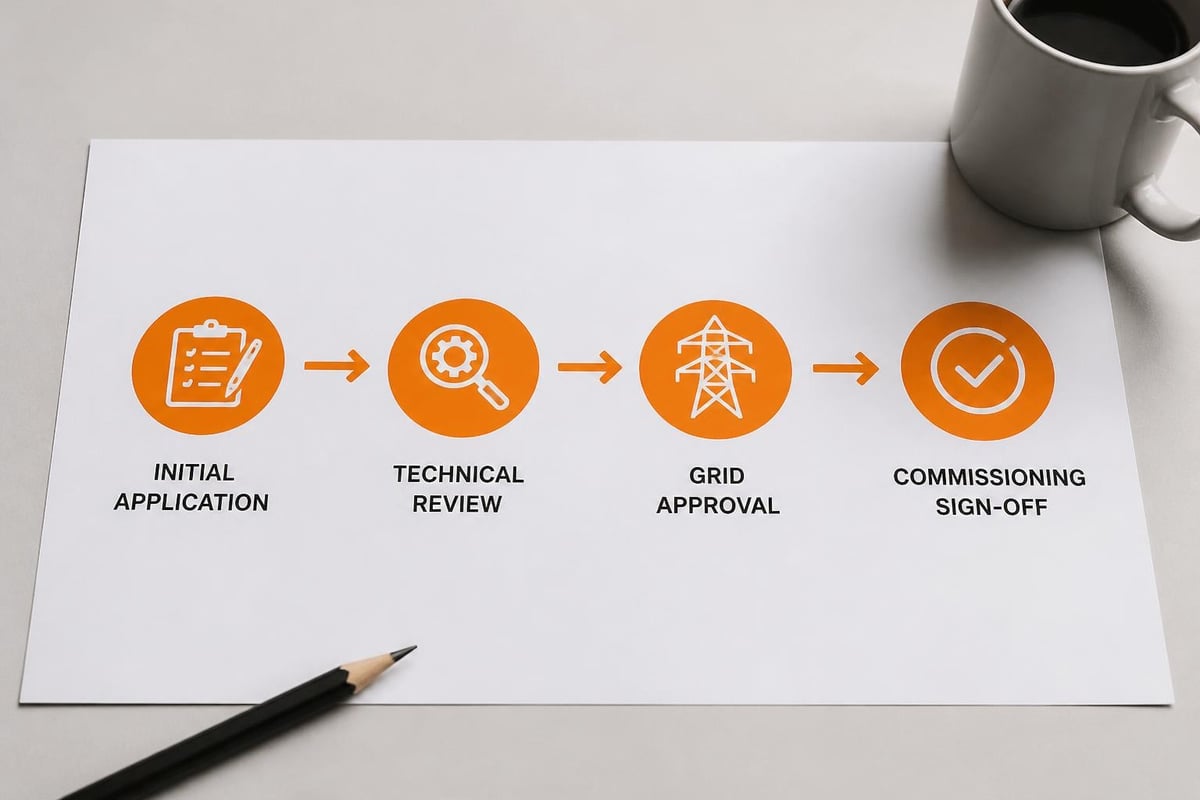
The National Energy Regulator of South Africa (NERSA) regulates electricity generation activities. Small-scale embedded generation (SSEG) under 1 MW typically follows a simplified registration process, though requirements vary by distribution network operator.
Grid-tied small wind turbine systems require:
- Formal registration with the local electricity distributor
- Compliance with NRS 097-2-3 standards for grid connection
- Approved grid-tie inverter meeting South African Bureau of Standards (SABS) requirements
- Professional electrical compliance certification
Many municipalities have established streamlined processes for renewable energy integration that include small wind turbine systems, though approval timelines and technical requirements differ between jurisdictions.
Building Regulations and Environmental Considerations
Small wind turbine towers constitute permanent structures requiring building plan approval from local authorities. Key compliance areas include:
- Structural engineering certification: Professional engineer approval of tower foundation and structural integrity
- Setback requirements: Minimum distances from property boundaries (typically 1.5 times tower height)
- Height restrictions: Zoning regulations may limit tower heights in residential areas
- Noise emissions: Compliance with SANS 10103 environmental noise limits
- Visual impact: Aesthetic considerations in heritage areas or homeowner associations
Environmental impact assessments are generally not required for single small wind turbine installations, though larger or multiple-turbine projects may trigger Basic Assessment requirements under the National Environmental Management Act.
The UK Government's guidance on permitted development rights offers valuable insights into planning frameworks, though South African practitioners must apply local regulations.
Integration with Hybrid Renewable Energy Systems
Small wind turbine technology delivers optimal value when integrated within broader renewable energy architectures that leverage multiple generation sources and storage capacity.
Complementary Solar-Wind Systems
Wind and solar resources often exhibit complementary generation patterns. Wind speeds in many South African regions peak during evening and night hours when solar production ceases, whilst winter months with reduced solar irradiation frequently offer stronger wind resources.
Hybrid solar and wind systems can achieve higher capacity factors and more consistent energy delivery than either technology alone. This diversity reduces reliance on battery storage or grid supply, improving overall system economics.
Design considerations for integrated systems include:
- Shared inverter and battery infrastructure where technically feasible
- Coordinated charge management to optimise battery lifespan
- Integrated monitoring platforms for comprehensive system visibility
- Unified electrical design complying with wiring and protection standards
Battery Energy Storage Integration
Small wind turbine output varies continuously with wind conditions, creating mismatches between generation and consumption. Commercial battery energy storage systems (BESS) provide essential buffering capacity that enables effective utilisation of wind-generated electricity.
Battery sizing for wind-integrated systems typically follows different parameters than solar-only installations due to wind's greater variability and potential for extended generation periods. Professional energy modelling determines optimal battery capacity based on load profiles, wind patterns, and desired autonomy.
Modern lithium-based battery technologies offer several advantages for wind integration:
- High charge/discharge efficiency (90-95%)
- Flexible power electronics supporting variable charging rates
- Extended cycle life suitable for frequent wind cycling
- Sophisticated battery management systems
- Integration capabilities with building energy management platforms
Technical Standards and Certification
Product quality and safety assurance for small wind turbine equipment relies on international standards and certification schemes that protect consumers and ensure reliable performance.
IEC Standards Framework
The IEC 61400-2 standard establishes comprehensive design, safety, and testing requirements specifically for small wind turbines. This international standard addresses structural integrity, electrical safety, noise emissions, power performance, and documentation requirements.
Reputable manufacturers submit their products to accredited testing facilities for IEC 61400-2 certification, providing independent verification of performance claims and safety characteristics. South African buyers should prioritise certified equipment, particularly for grid-connected installations where safety and power quality directly impact electrical infrastructure.
Emerging Standards and Research
Recent research published in Nature Energy highlights ongoing challenges in wind energy technology and deployment that also affect the small wind sector, including materials innovation, control systems advancement, and grid integration requirements.
The International Energy Agency's work on small wind testing and standards continues to evolve, addressing certification harmonisation, field testing protocols, and consumer protection frameworks that influence the South African market.
Installation Best Practices and Site Preparation
Proper installation fundamentally determines small wind turbine performance, longevity, and safety. Professional installation following engineering specifications and manufacturer requirements protects the investment and ensures regulatory compliance.
Tower Selection and Foundation Design
Tower type significantly influences both capital costs and energy production. Common configurations include:
- Monopole towers: Single steel or aluminium tubes offering clean aesthetics and minimal maintenance
- Lattice towers: Triangular or square cross-section providing strength with reduced material costs
- Tilt-up towers: Hinged designs enabling periodic maintenance without crane hire
- Guy-wire supported: Cost-effective but requiring larger footprints for anchor points
Foundation design must account for tower height, turbine weight, wind loads, and local soil conditions. Professional geotechnical investigation and structural engineering calculations ensure adequate safety margins against overturning and fatigue loads.
Electrical Integration and Protection
Small wind turbine electrical systems require careful design addressing several critical elements:
- Appropriate conductor sizing for voltage drop and current capacity
- Surge protection devices for lightning and switching transients
- Disconnect switches for maintenance safety
- Ground fault protection meeting SANS 10142-1 requirements
- Metering infrastructure for performance monitoring
Energy management systems can optimise small wind turbine contribution within broader facility energy flows, managing load priorities and coordinating with other generation sources.

Maintenance Requirements and Performance Monitoring
Ongoing maintenance ensures small wind turbine systems deliver expected performance throughout their operational lifespan, typically 15-20 years with proper care.
Preventative Maintenance Schedules
Manufacturers specify maintenance intervals and procedures in operation and maintenance manuals. Typical requirements include:
Annual inspections:
- Visual examination of blades for damage, erosion, or imbalance
- Tower structural integrity assessment
- Guy wire tension verification (if applicable)
- Electrical connection tightness and condition
- Bearing lubrication as specified
- Brake system functionality testing
Periodic servicing (every 2-3 years):
- Detailed mechanical component inspection
- Generator brush replacement (if applicable)
- Bearing replacement or overhaul
- Fastener torque verification
- Control system calibration
Professional maintenance contractors with small wind turbine experience provide these services, with annual costs typically ranging from R8,000 to R15,000 depending on system size and accessibility.
Performance Monitoring and Optimisation
Modern small wind turbine installations benefit from remote monitoring capabilities that track real-time performance metrics:
- Instantaneous power output and wind speed
- Cumulative energy production
- System availability and downtime tracking
- Fault alerts and diagnostic information
- Comparative analysis against expected production
Data analytics identify underperformance issues early, enabling corrective action before significant production losses accumulate. Integration with broader building energy management platforms provides comprehensive visibility across all energy assets.
Community and Agricultural Applications
Beyond individual property installations, small wind turbine technology suits community-scale and agricultural applications that leverage economies of scale whilst remaining within the small wind classification.
Agricultural Sector Opportunities
South Africa's agricultural sector presents substantial opportunities for small wind turbine deployment. Farms typically feature:
- Expansive open areas with minimal obstruction
- Distance from noise-sensitive neighbours
- Existing electrical infrastructure requiring reinforcement
- High energy consumption for irrigation, cooling, and processing
Agricultural renewable energy projects increasingly incorporate wind generation alongside solar PV to provide reliable power for critical operations. The IEA Wind Small Community Wind Handbook offers frameworks applicable to cooperative agricultural installations.
Wind-powered water pumping represents a traditional application gaining renewed interest with modern equipment offering improved efficiency and reliability compared to legacy windmills.
Multi-Turbine Installations
Properties with sufficient wind resources and electrical demand may justify multiple small wind turbines rather than a single larger unit. Benefits include:
- Reduced wake effects through strategic spacing
- Phased deployment spreading capital expenditure
- Improved redundancy and availability
- Simplified component standardisation and spare parts inventory
Professional wind farm design principles apply at reduced scale, incorporating micrositing analysis, array layout optimisation, and collective grid connection infrastructure.
Future Developments and Market Outlook
The small wind turbine sector continues evolving through technological advancement, manufacturing innovation, and changing market dynamics influenced by energy policy and economics.
Recent academic research on small wind turbines highlights emerging trends including advanced materials reducing weight and cost, improved control algorithms enhancing energy capture, and Internet of Things integration enabling sophisticated remote management.
South Africa's renewable energy landscape is shifting as electricity costs rise and grid reliability challenges persist. Small wind turbine adoption may accelerate amongst commercial and industrial energy users seeking diversified renewable portfolios that reduce exposure to single-source intermittency.
Domestic manufacturing capacity remains limited, with most equipment imported from established international manufacturers. Developing local production capabilities could reduce costs and improve after-sales support, though market scale currently limits viability.
The regulatory environment continues evolving, with efforts to streamline embedded generation approvals and standardise technical requirements across municipal jurisdictions. Clearer frameworks reduce transaction costs and deployment timelines, improving project economics.
Small wind turbine technology offers South African property owners an additional renewable energy option that complements solar PV and battery storage within integrated energy solutions. Success requires careful assessment of wind resources, professional installation following engineering standards, and realistic financial expectations based on local conditions. INFOLED's renewable energy engineering expertise helps commercial, industrial, and residential clients across Southern Africa design and implement intelligent energy solutions that reduce electricity costs, improve resilience, and support sustainability objectives through technologies including solar PV, battery storage, and comprehensive energy management systems. Contact INFOLED to explore whether small wind turbines or other renewable technologies align with your energy requirements and site characteristics.
Next Step
Need help with your energy strategy?
Speak to INFOLED about solar, storage, EV charging, service agreements or system performance.